Problem-solving abilities Math Worksheets for Ages 6-7 - Page 2
41 filtered results
-
From - To
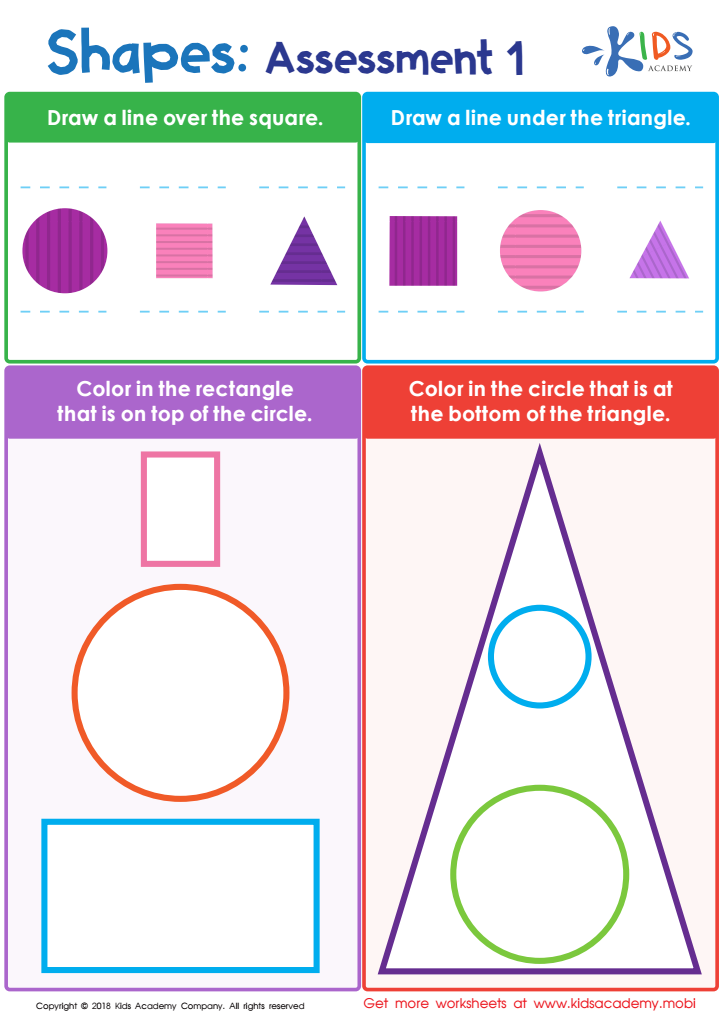
Shapes: Assessment 1 Worksheet
 Assign to My Students
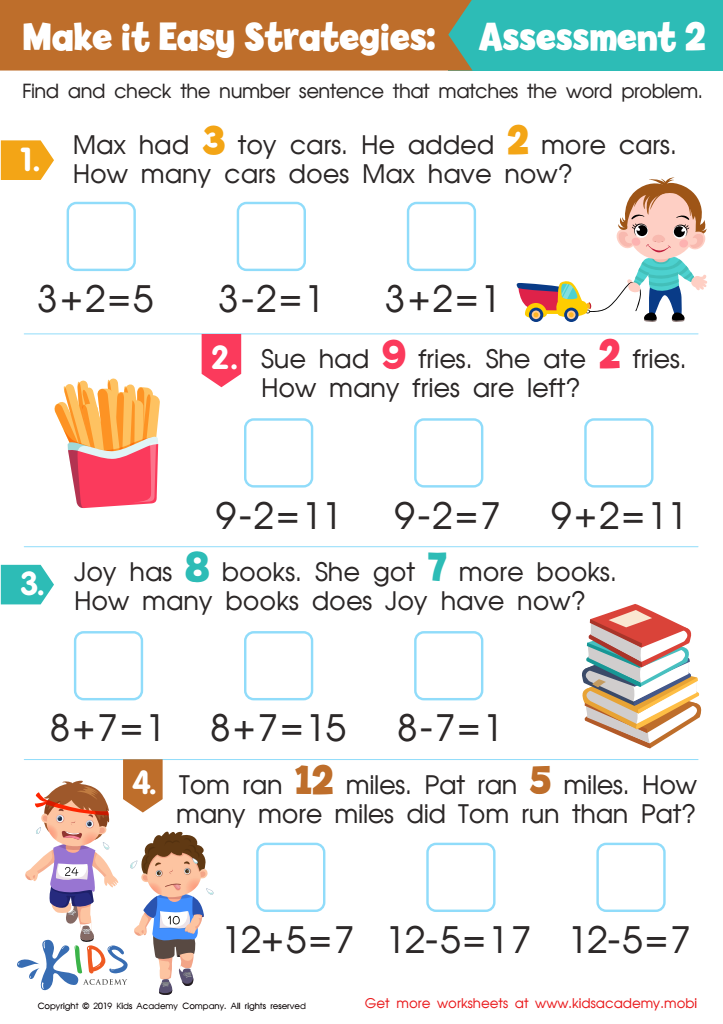
Make it Easy Strategies: Assessment 2 Worksheet
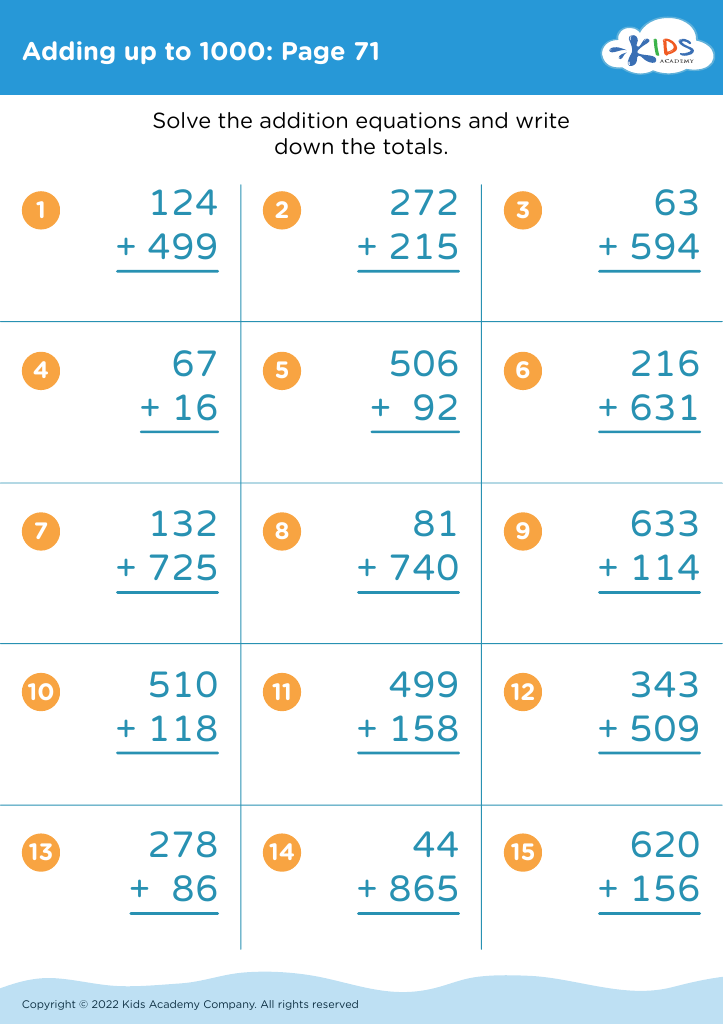
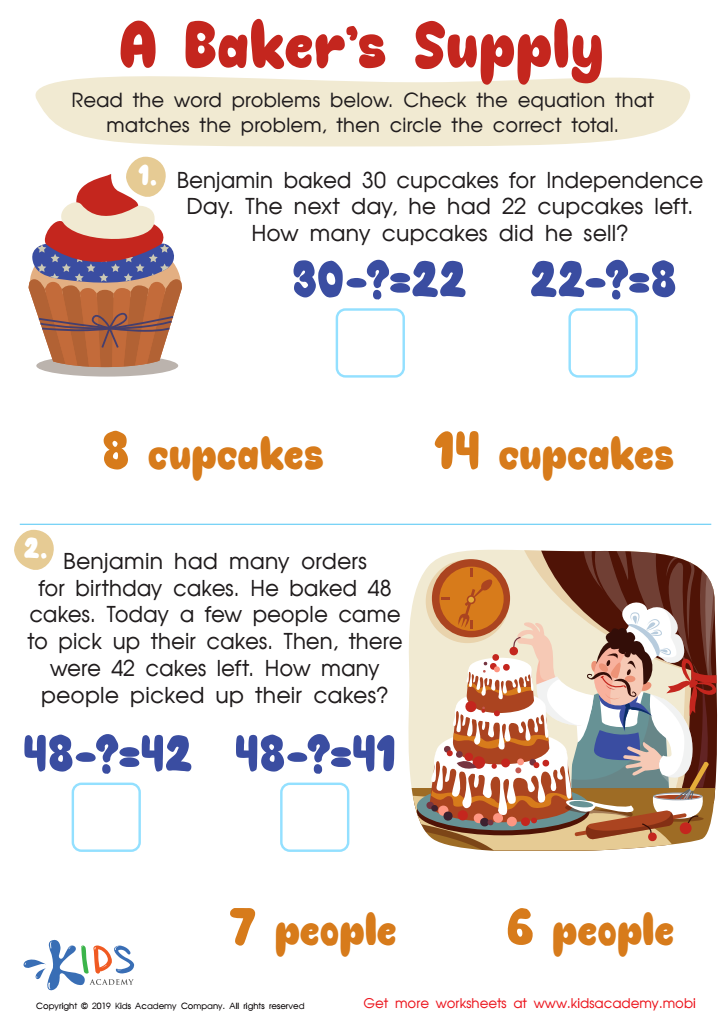
A Baker's Supply Worksheet
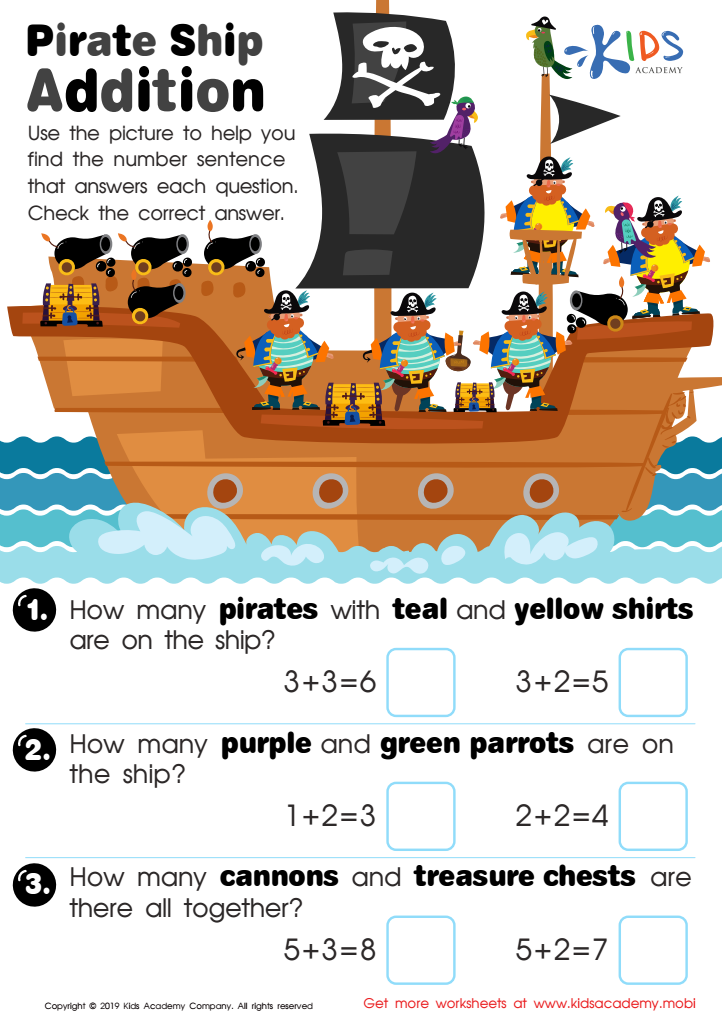
Pirate Ship Addition Worksheet
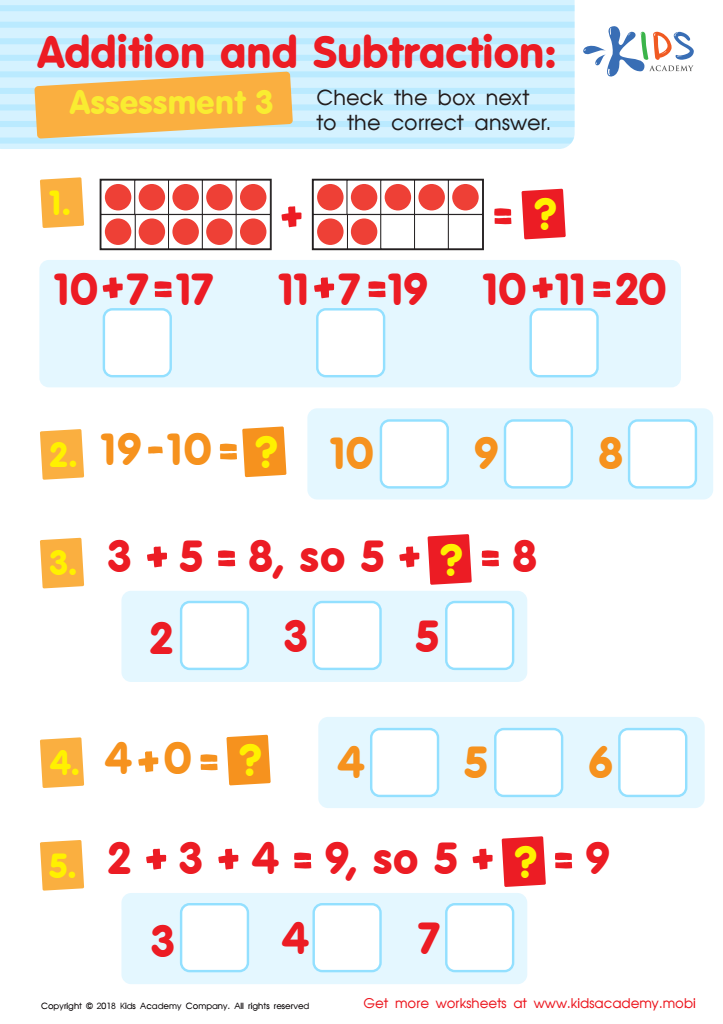
Addition and Subtraction Assessment 3 Worksheet

Sweet Shop – Counting Coins Worksheet
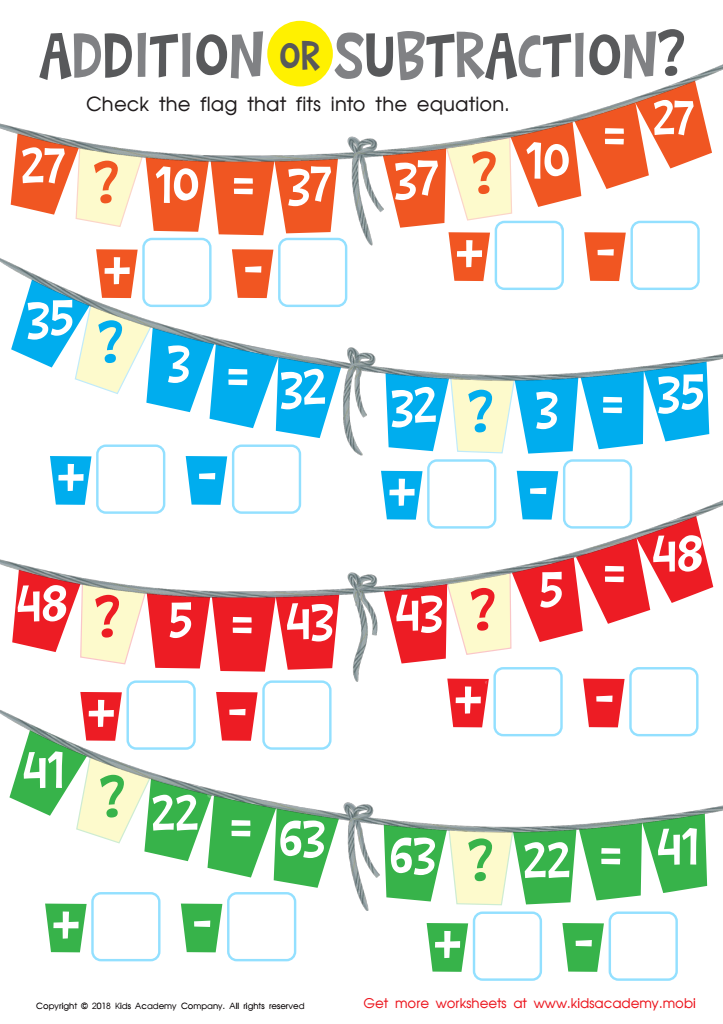
Addition or Subtraction? Worksheet
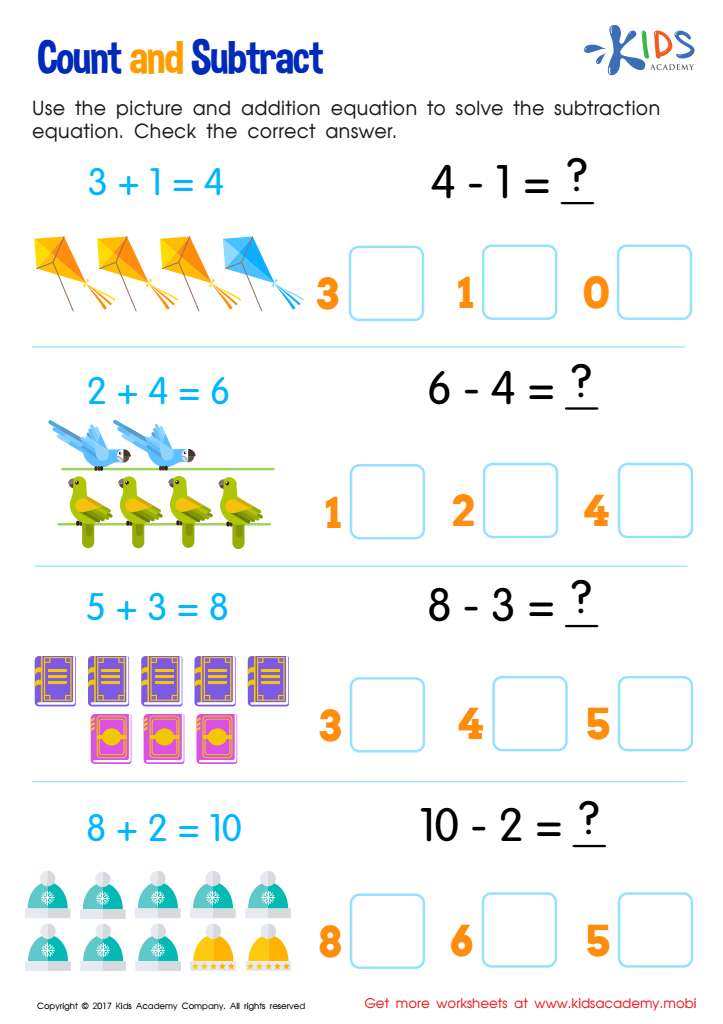
Count and Subtract Worksheet
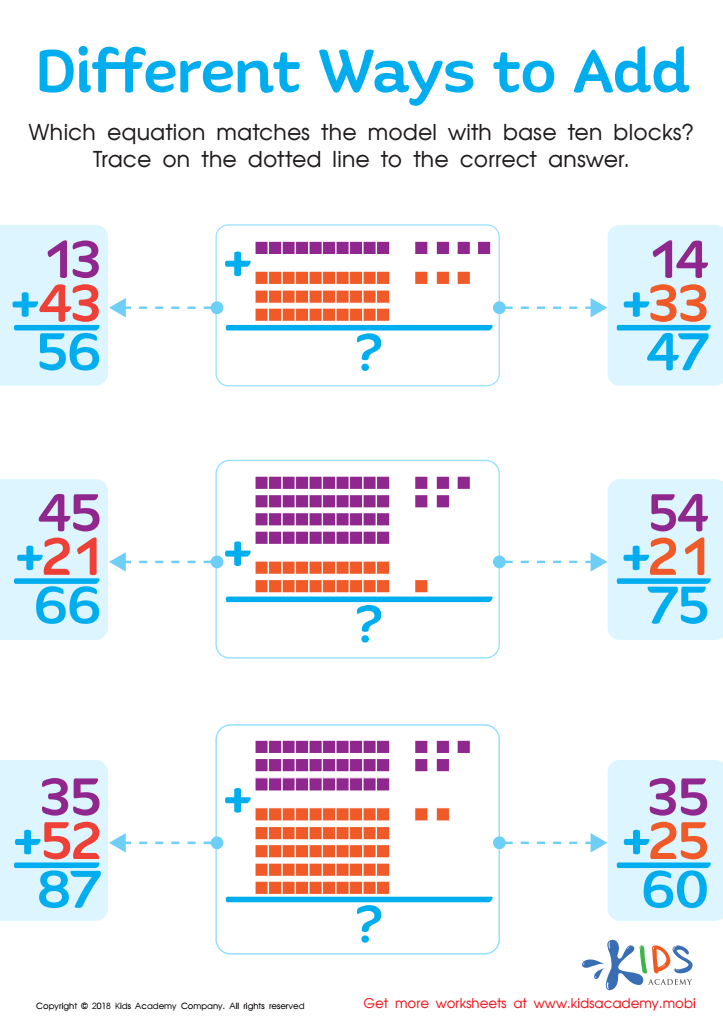
Different Ways to Add Worksheet

Sudoku Worksheet
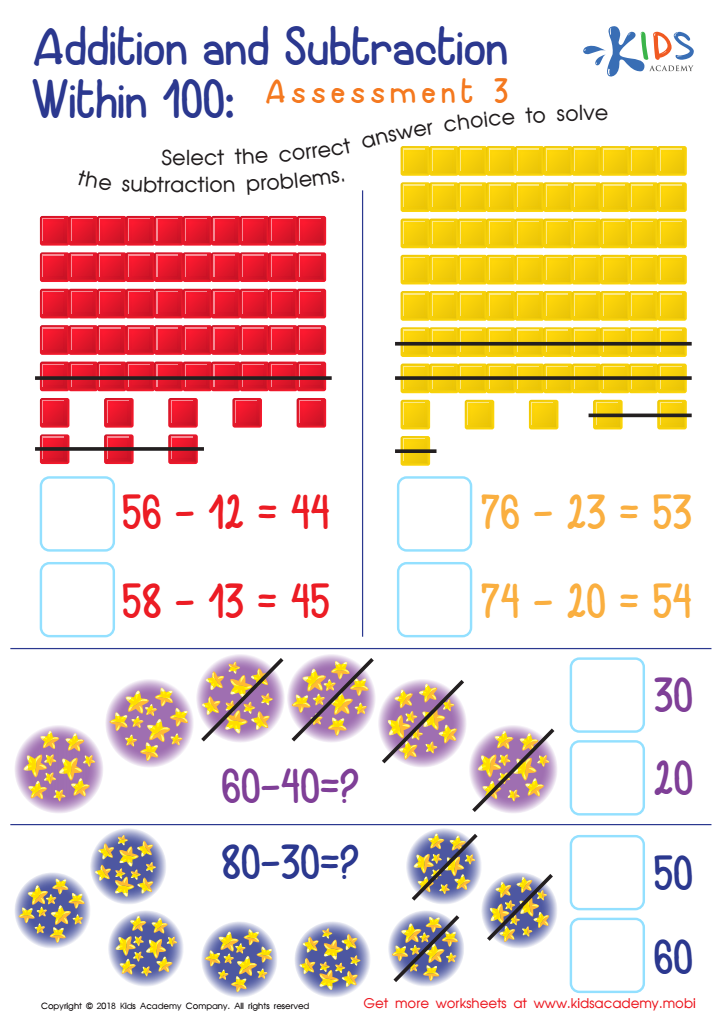
Addition and Subtraction Within 1: Assessment 3 Worksheet
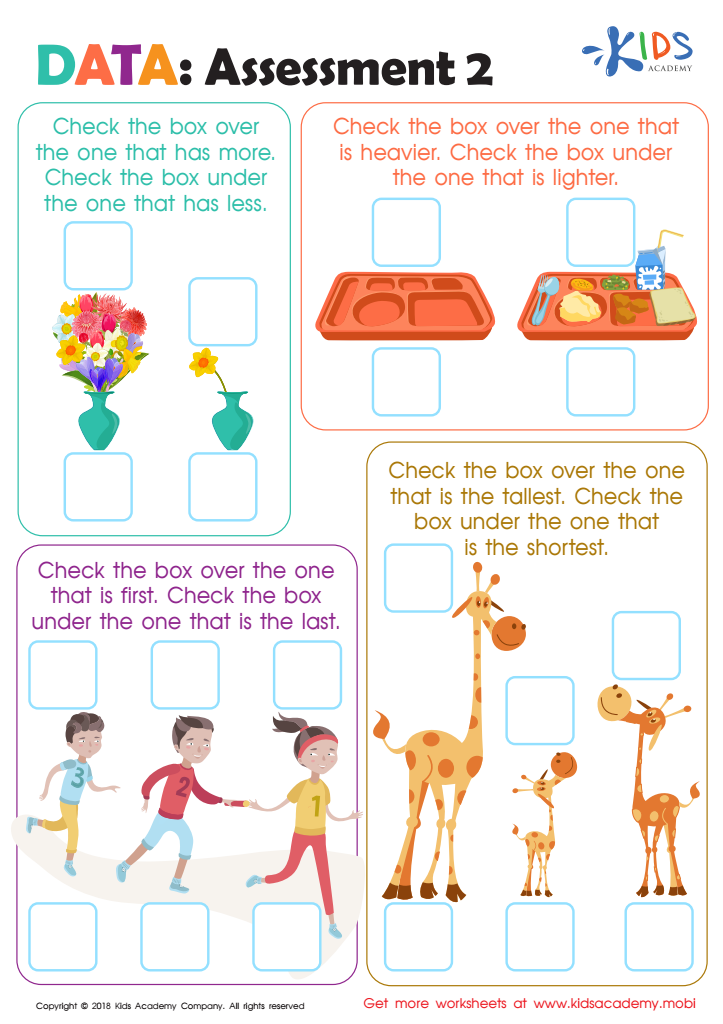
Data: Assessment 2 Worksheet
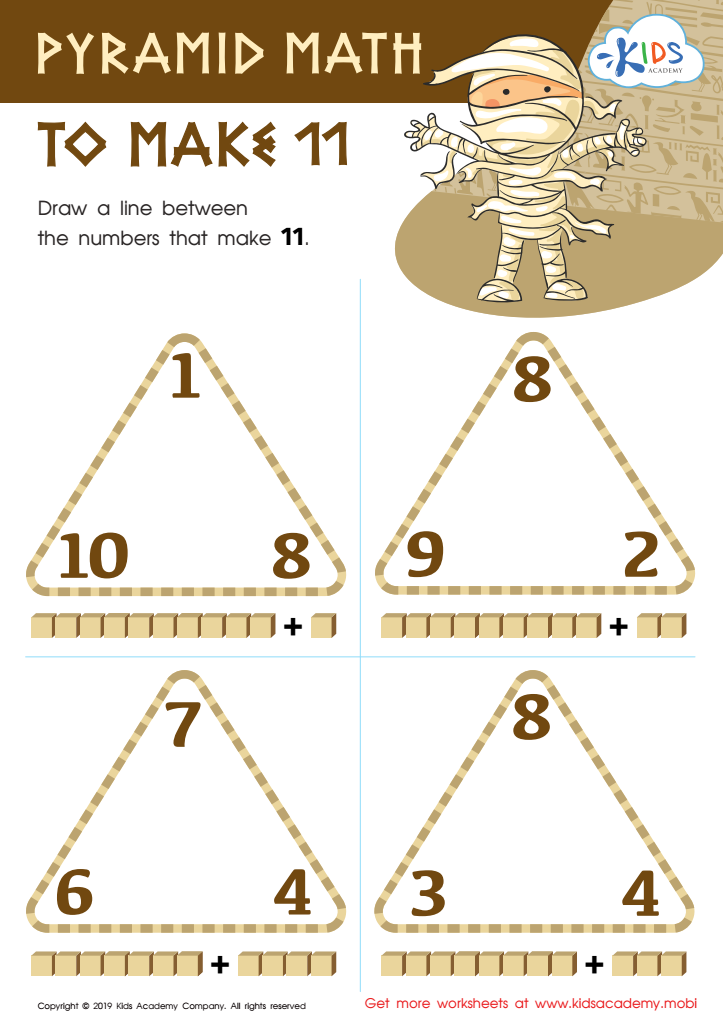
Pyramid Math to Make 11 Worksheet





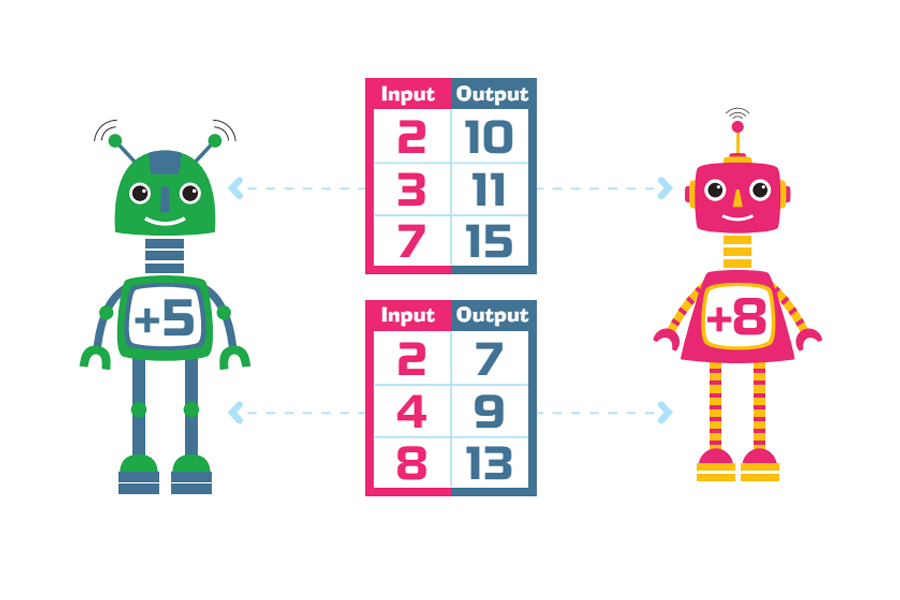


Problem-solving abilities in math for children aged 6-7 are critical for their cognitive and emotional development. At this age, children transition from concrete to more abstract thinking, laying a foundation for future learning. Developing problem-solving skills enhances critical thinking and allows children to approach challenges methodically, fostering resilience and perseverance.
By emphasizing problem-solving in math, parents and teachers help children gain confidence in their abilities. This confidence translates to a positive attitude toward learning, encouraging them to tackle complex problems in and outside the classroom. Furthermore, strong problem-solving skills enhance communication skills as children learn to express their thoughts and share their reasoning with peers.
It’s essential for parents and teachers to understand that math is not just about numbers; it is about thinking logically and creatively to find solutions. Engaging children in math-related games, puzzles, and real-life problem scenarios builds their skills while making learning enjoyable. Early exposure to effective problem-solving strategies prepares children for academic success and equips them with life skills they will need in the future. Ultimately, fostering these capabilities in young learners positively impacts their overall growth, making math a meaningful part of their educational journey.








