Understanding number patterns Math Worksheets for Ages 6-7
5 filtered results
-
From - To
Introduce your 6-7 year old learners to the captivating world of number patterns with our expertly crafted worksheets! These engaging activities are designed to sharpen your child’s mathematical skills by identifying, continuing, and creating numerical sequences. Through fun exercises and colorful illustrations, children will gain confidence in recognizing patterns and developing critical thinking. Perfect for both classroom and at-home learning, our worksheets support foundational math skills in an enjoyable, interactive way. Help your child unlock the exciting patterns in numbers and build a strong math foundation today with our unique resources tailored just for them.
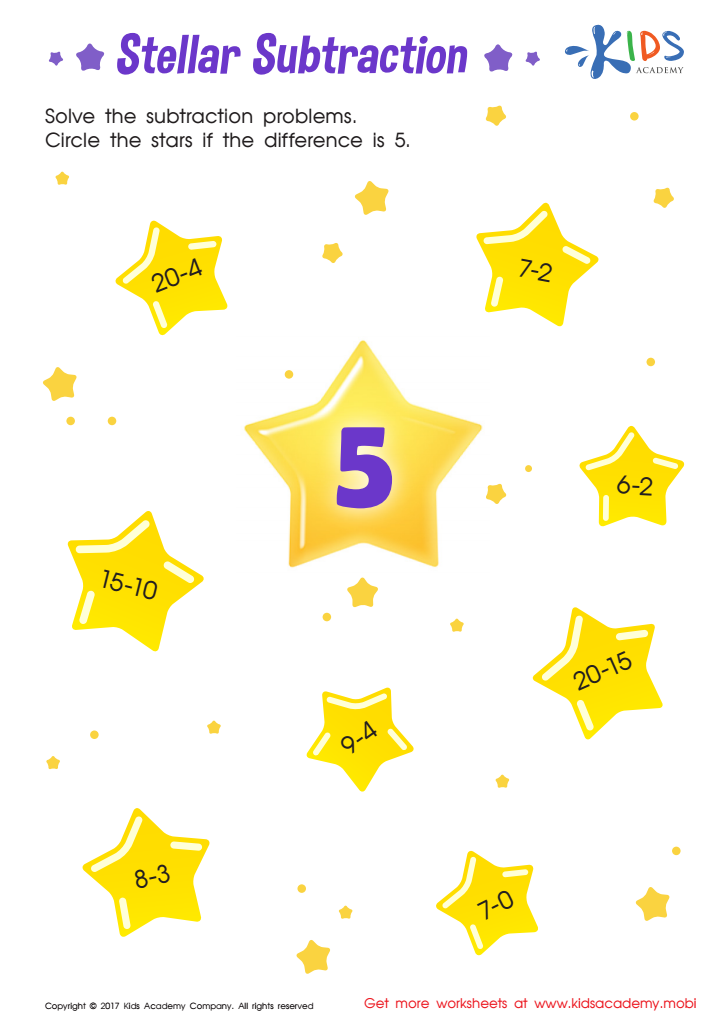
 Assign to My Students
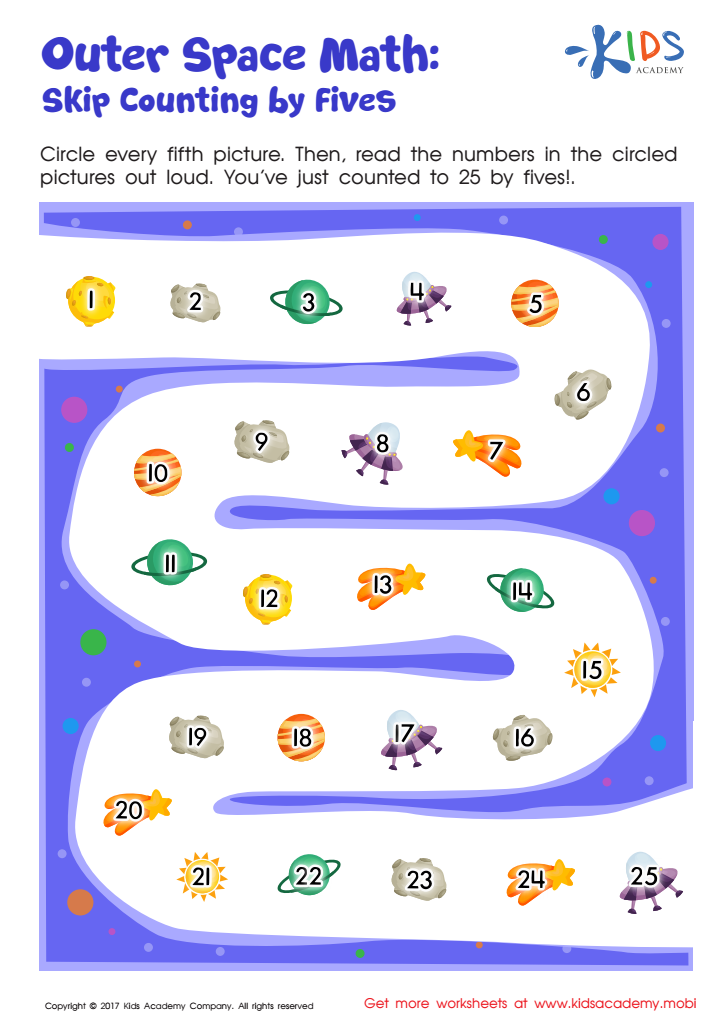
Skip Counting by 5s: Outer Space Math Printable
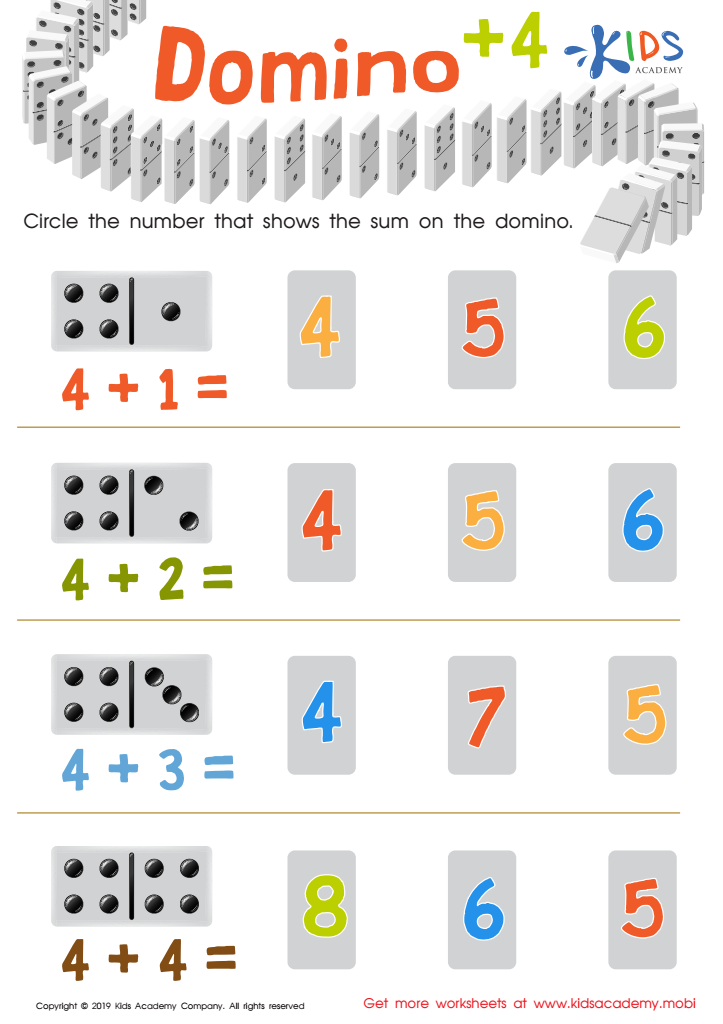
Domino +4 Worksheet
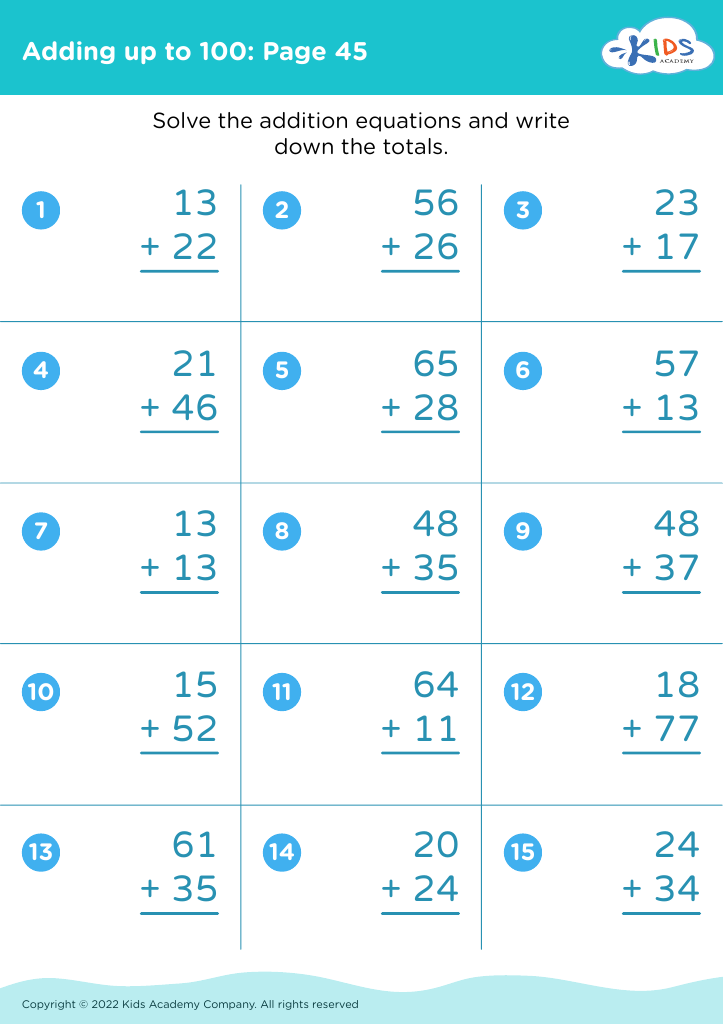
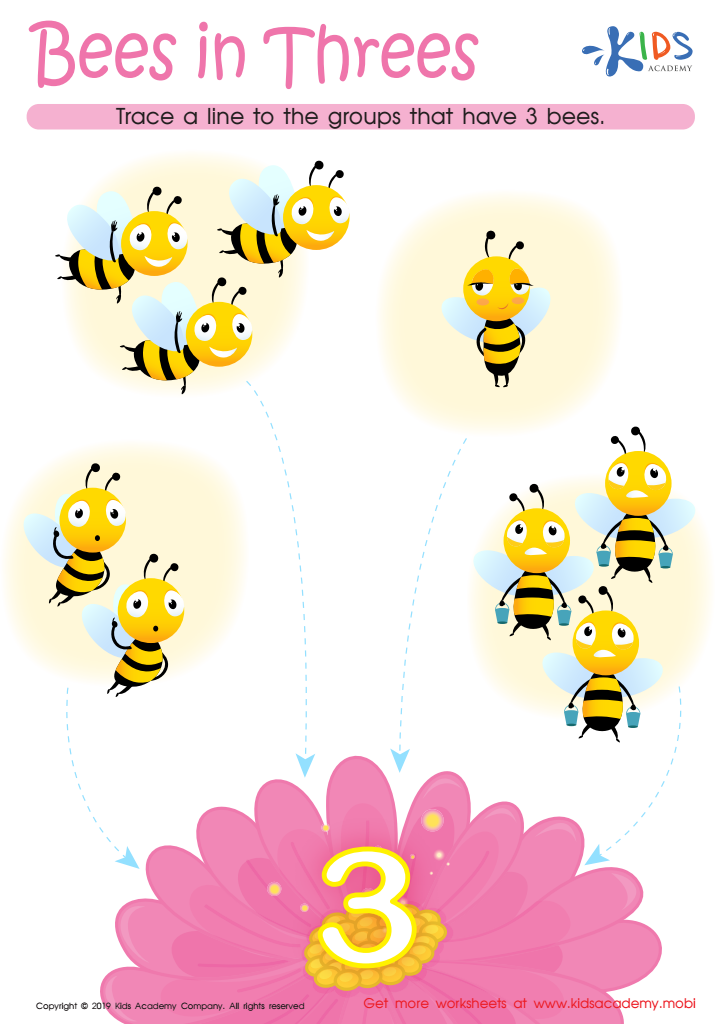
Bees in Threes Worksheet







Understanding number patterns at ages 6–7 is foundational for young learners, and there are several reasons why parents and teachers should prioritize this aspect of math education. At this critical age, children's brains are highly receptive to recognizing patterns, which bolsters cognitive development and critical thinking. Number patterns help establish a fundamental comprehension of arithmetic sequences, paving the way for more complicated mathematical concepts like multiplication, division, and even algebra later on.
Moreover, awareness of patterns reinforces problem-solving skills as children learn to make predictions and establish connections between numbers. For example, recognizing that a sequence progresses by adding 2 each time aids in understanding even more abstract math problems. This kind of logical thinking extends beyond math, contributing to better reading, scientific investigation, and logical reasoning in everyday real-world situations.
In addition, engaging with number patterns enhances memory and attention to detail. In practice, activities that involve patterns can be enticing and fun, making learning math a playful experience rather than a daunting task. Consequently, solidifying these skills early on boosts academic confidence and reduces anxiety surrounding math tasks, creating a positive attitude toward math as students grow older. Essentially, investing time in understanding number patterns equips children with lifelong analytical tools conducive to all-around academic success.








