Visualization skills Math Worksheets for Ages 6-7
3 filtered results
-
From - To
Unlock your child’s potential with our Visualization Skills Math Worksheets designed specifically for ages 6-7! These engaging, printable worksheets help young learners enhance their ability to visualize concepts and solve problems through interactive activities. With a focus on shapes, patterns, and spatial relationships, kids will develop critical thinking and pattern recognition skills essential for math mastery. Ideal for at-home learning or classroom use, these worksheets are crafted to spark curiosity and reinforce math fundamentals in a fun, enjoyable way. Give your child the tools to visualize and conquer math challenges confidently. Explore our collection today and watch their skills soar!
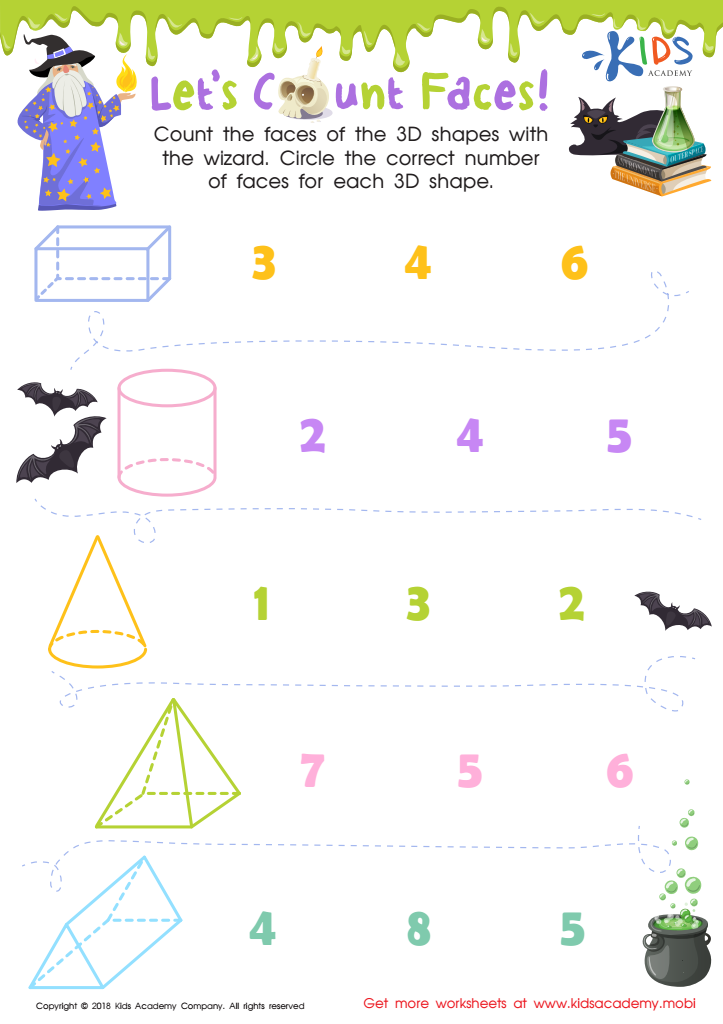
Let's Count Faces! Worksheet
 Assign to My Students
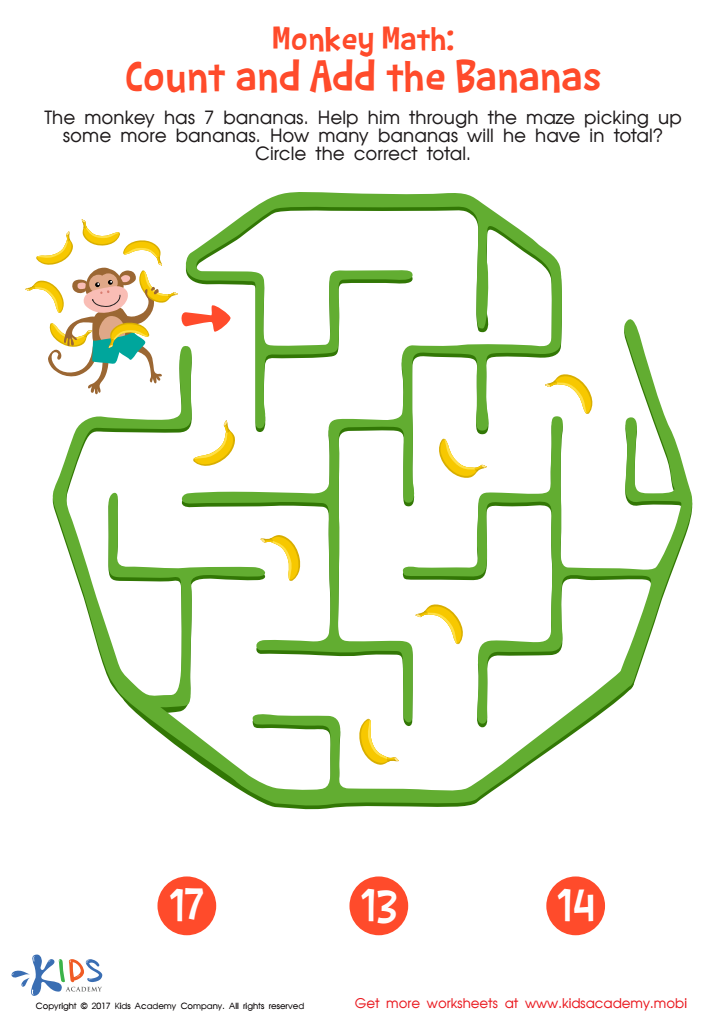
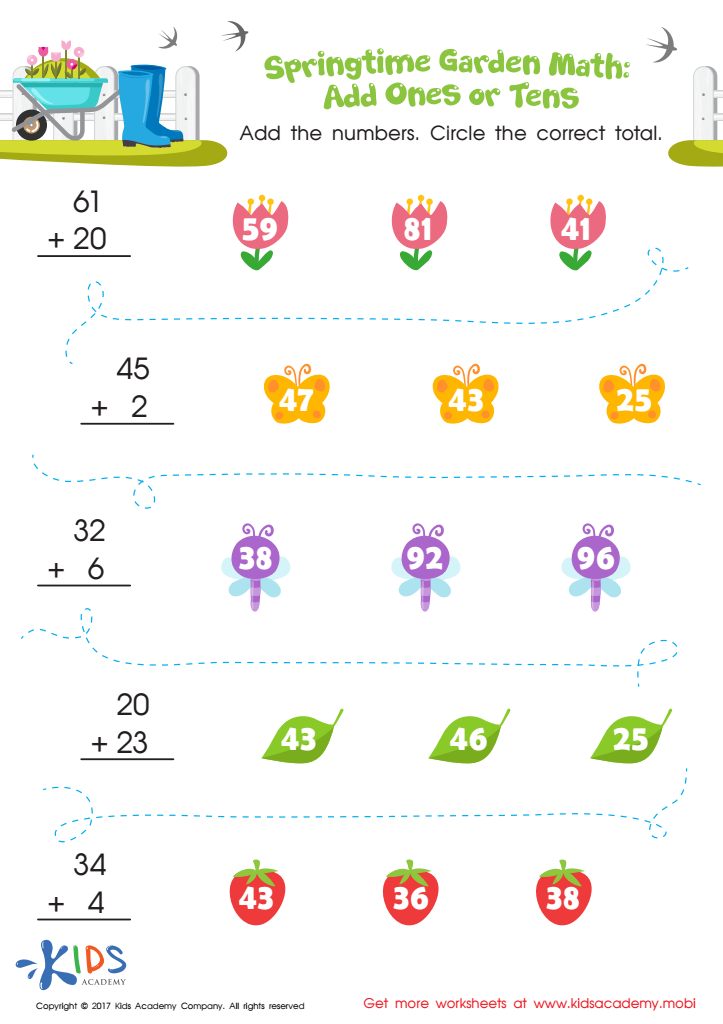
Springtime Garden Math Worksheet








Visualization skills in mathematics for children aged 6-7 are crucial for their cognitive development and future success in math. At this age, kids are beginning to grasp basic mathematical concepts such as addition and subtraction. Visualization helps them form mental images of numbers and their relationships, which enhances comprehension and problem-solving abilities.
When children can visualize math concepts, they are better equipped to understand and manipulate numbers, leading to a stronger foundational knowledge. This skill allows them to tackle word problems effectively by picturing scenarios and translating them into mathematical language. Visualization also encourages creative thinking, helping children to approach problems from varied angles and develop their own strategies.
Moreover, engaging with visual aids such as diagrams, drawings, and manipulatives promotes active learning and makes math more accessible and enjoyable. This interaction fosters a positive attitude toward math, reducing anxiety and building confidence in their abilities. As parents and teachers cultivate these skills with fun, hands-on activities and games, they inspire a lifelong love of learning and set the stage for more complex mathematical concepts in later years. Supporting visualization skills early on can significantly benefit children's academic journeys and overall cognitive development.








