Fine Motor Skills Matching Worksheets for Ages 6-7
9 filtered results
-
From - To
Enhance your child's fine motor skills with our engaging matching worksheets, designed specifically for ages 6-7! These printable activities focus on improving hand-eye coordination, dexterity, and grasping abilities through fun and interactive matching exercises. Each worksheet encourages children to connect related images or objects, reinforcing their cognitive skills while promoting concentration and attention to detail. Perfect for classroom use or at-home learning, these fine motor skills matching worksheets make practice enjoyable and effective. Download now to give your child the tools they need to develop essential skills for their early education journey! Keep learning fun with our exciting worksheets today!
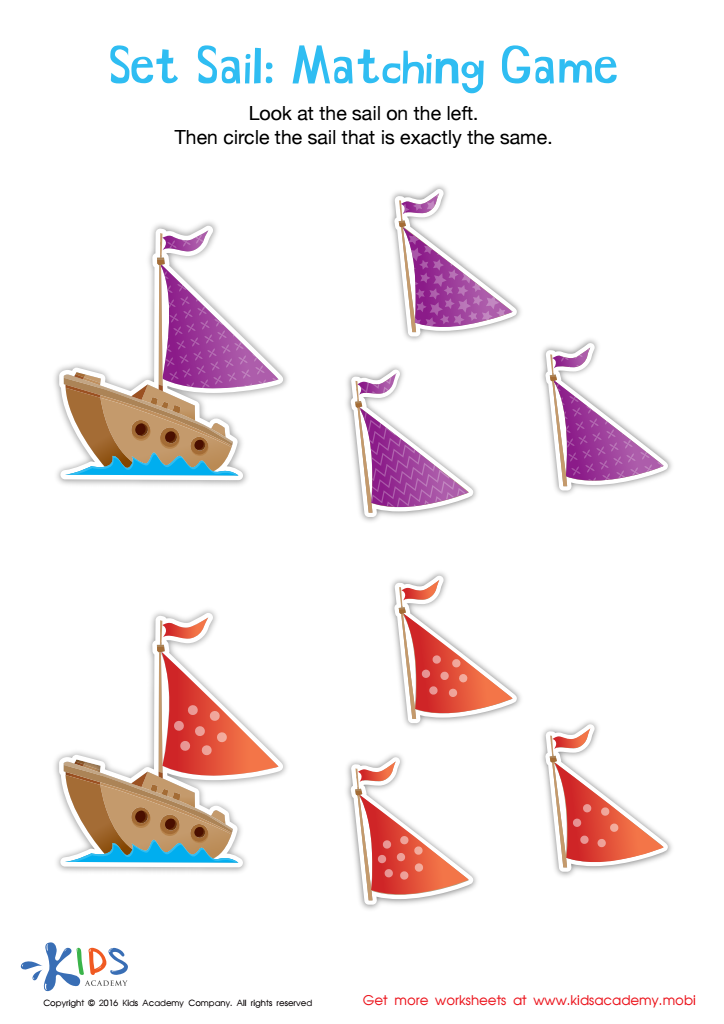
Set Sail Worksheet
 Assign to My Students
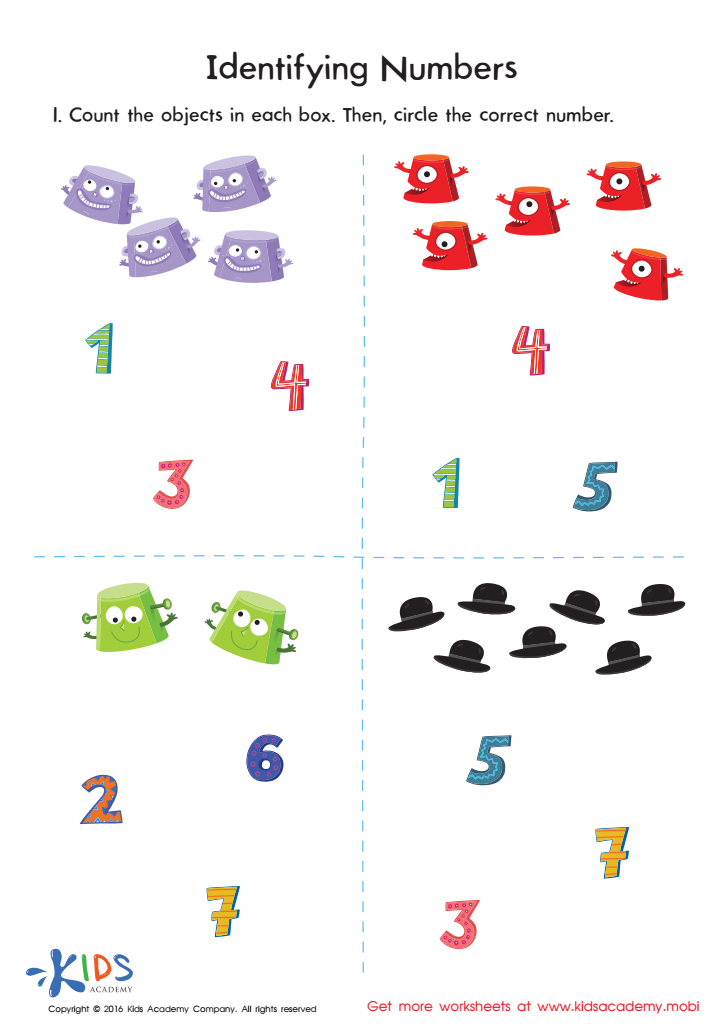
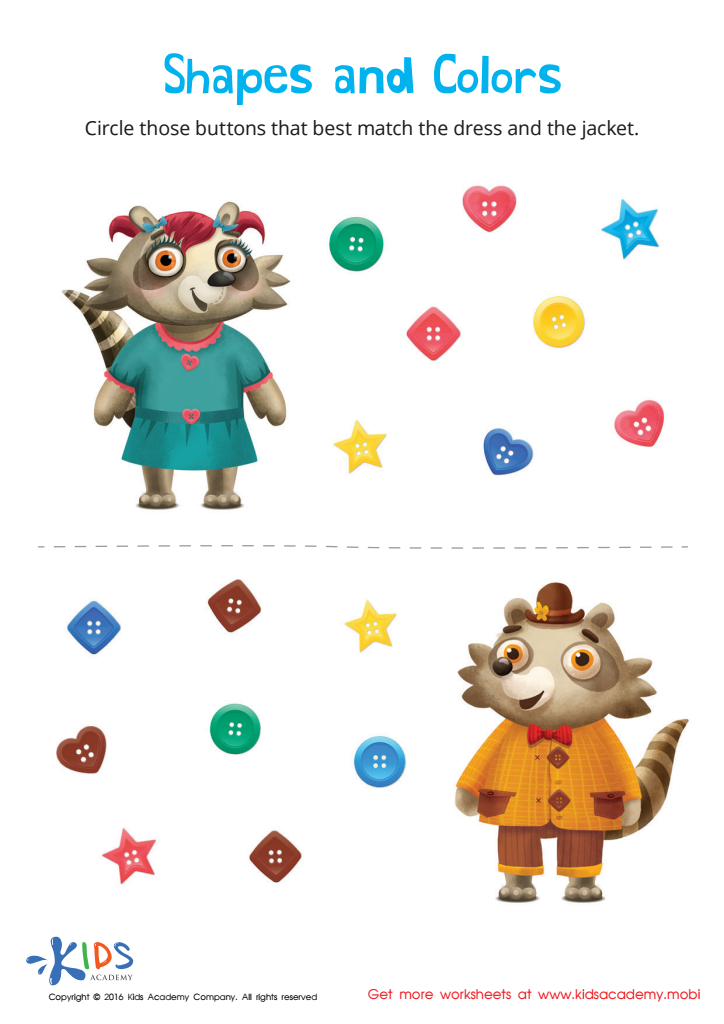
Matching: Shapes and Colors Worksheet
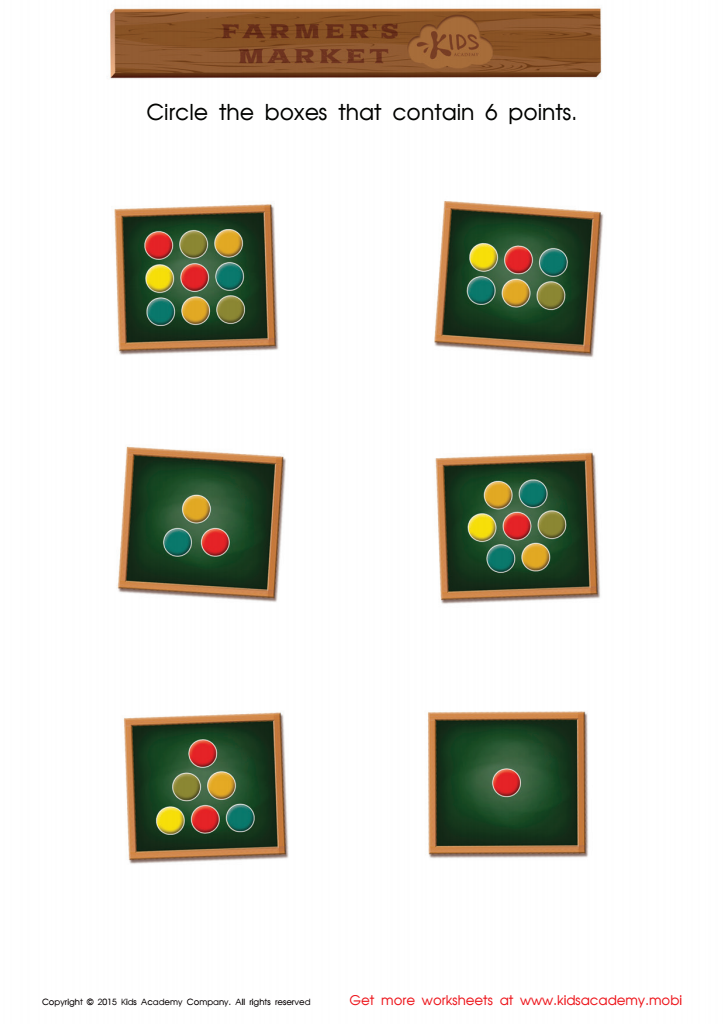
Count and Match Points 6 Math Worksheet
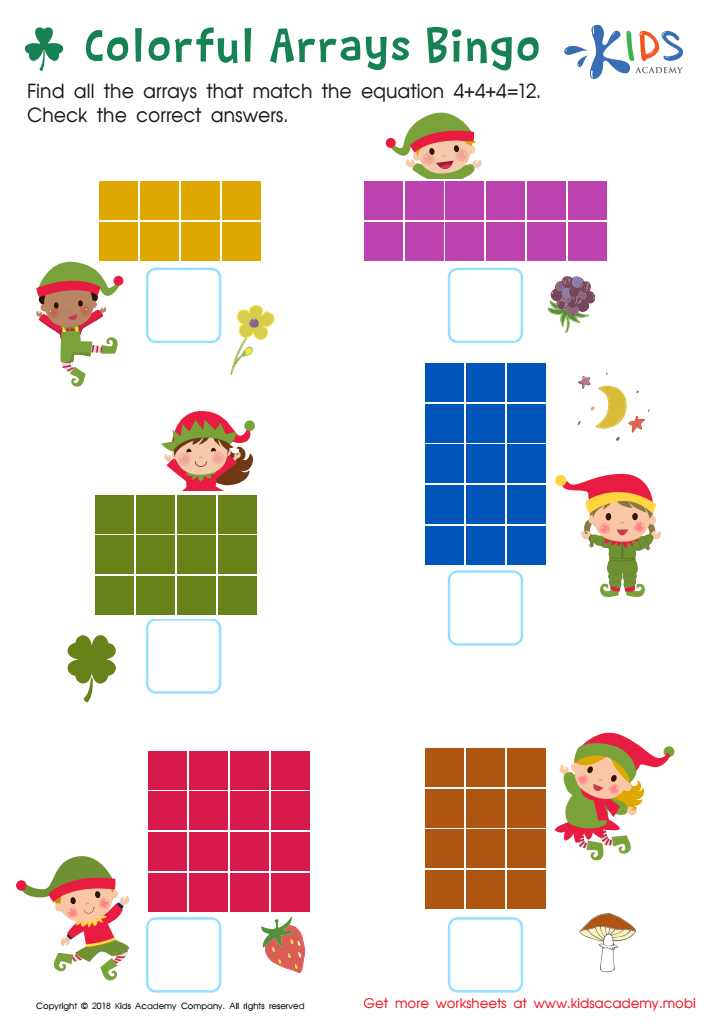
Colorful Arrays Bingo Worksheet
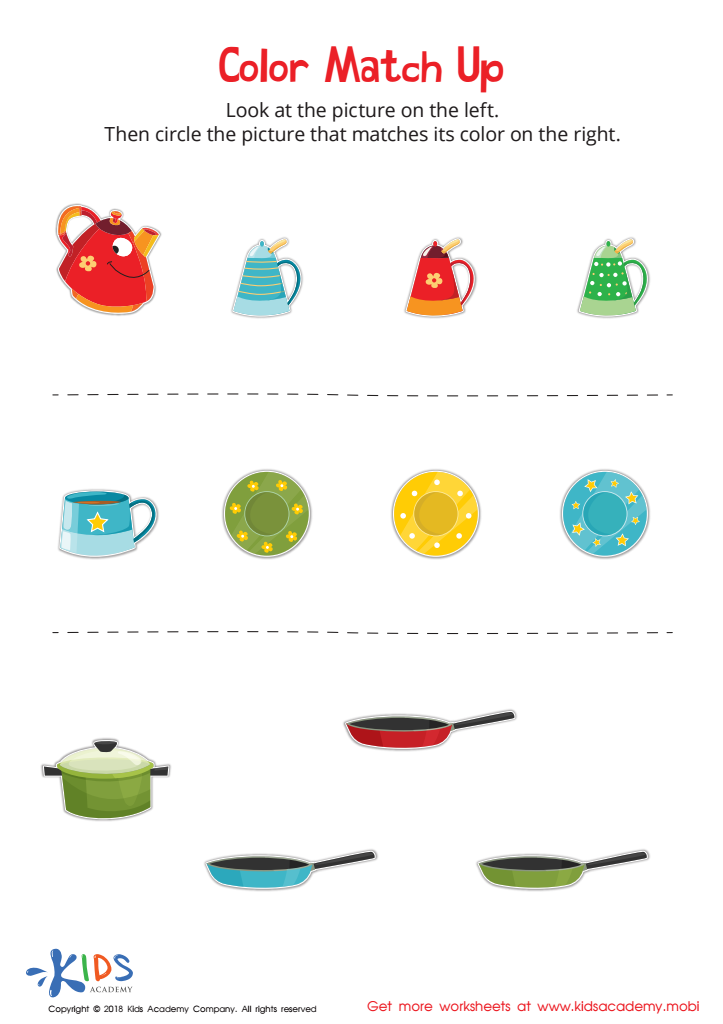
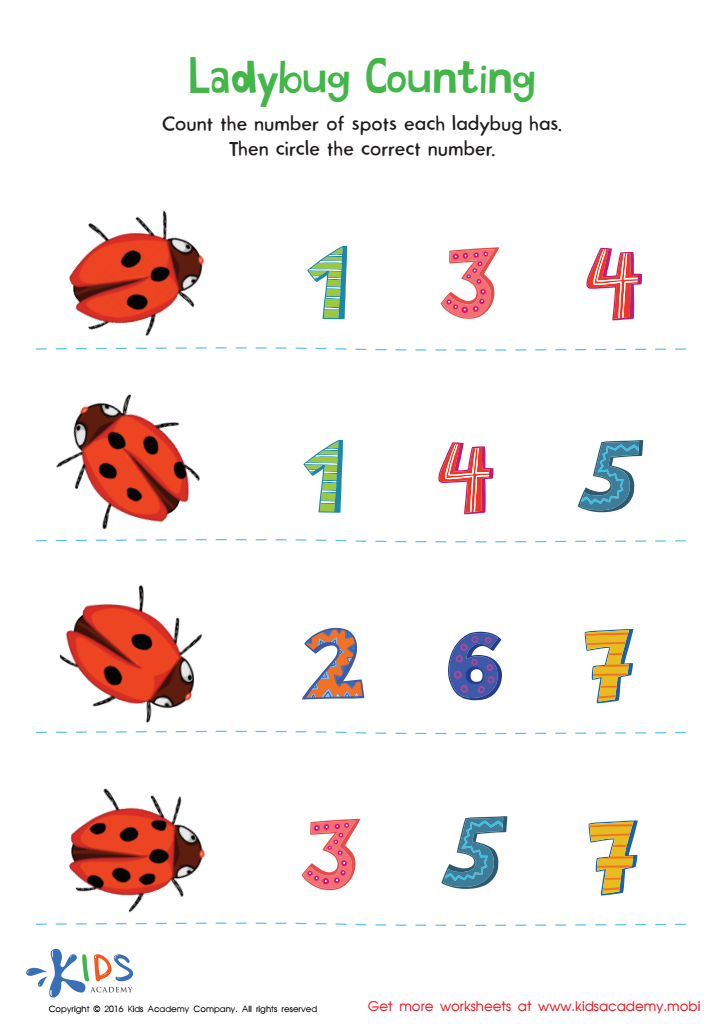
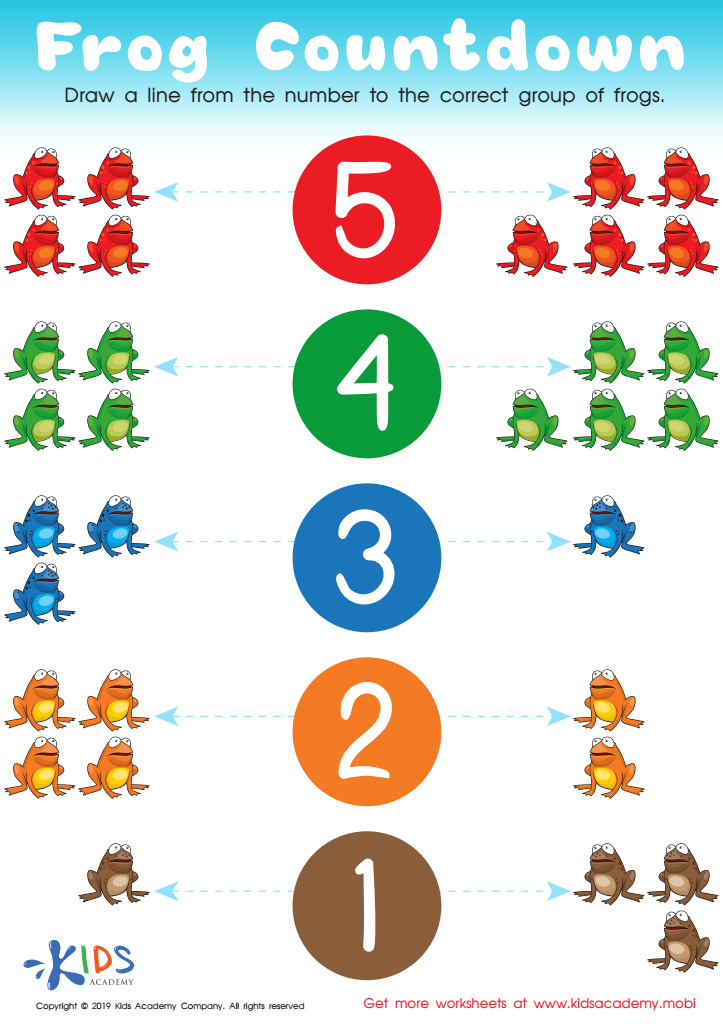
Frog Countdown Worksheet







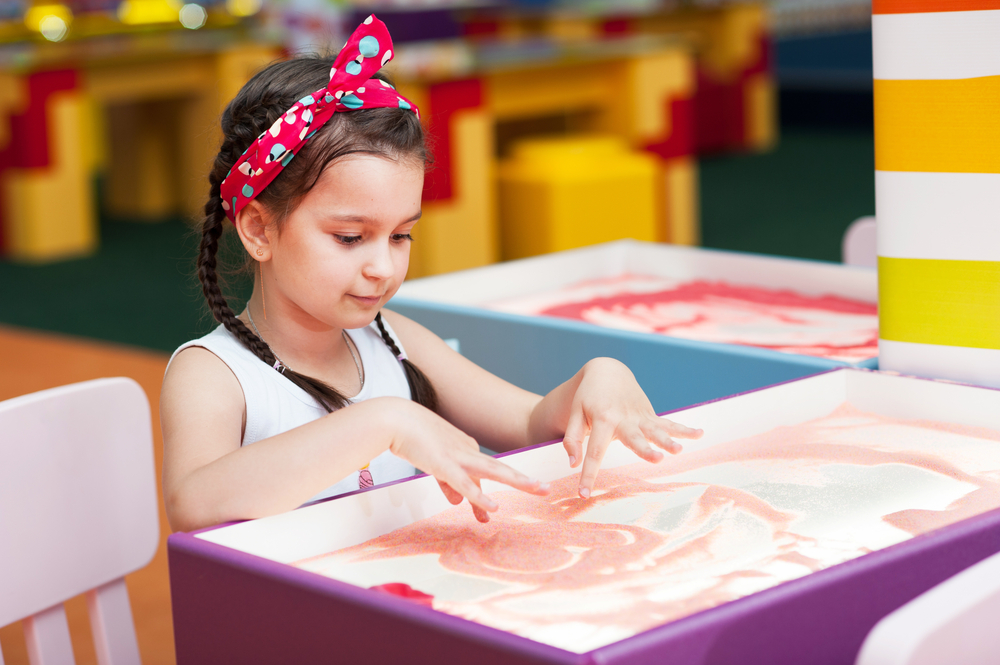
Fine motor skills are crucial for children aged 6 to 7 as they play a fundamental role in various aspects of development. At this age, children are refining their ability to control small movements, which impacts their academic performance, social interactions, and self-care routines. Teachers and parents should care about fine motor skills matching because they form the foundation for essential activities, such as writing, drawing, and even tasks like buttoning shirts or tying shoelaces.
Strong fine motor skills contribute to a child's confidence and independence. Children who can manipulate objects effectively are better equipped to engage in classroom activities that require crafting, using scissors, or writing, ultimately leading to improved academic success. Moreover, these skills enhance their ability to complete daily tasks, reducing frustration and promoting self-sufficiency.
Supporting the development of fine motor skills through engaging activities like puzzles, art projects, and games is essential. By providing opportunities for practice and growth, teachers and parents can help children cultivate these skills, fostering their overall cognitive and social development. In summary, fine motor skills matching is vital as it underpins children's educational and personal growth at a key stage in their early life.








