Color recognition Nursery Rhymes Worksheets for Ages 6-7
7 filtered results
-
From - To
Explore our engaging Color Recognition Nursery Rhymes Worksheets designed specifically for children aged 6-7! These fun and educational worksheets incorporate beloved nursery rhymes to enhance your child's understanding of colors. With vibrant illustrations and interactive activities, children will learn to identify and differentiate colors while enjoying familiar melodies. These printable resources support early literacy and promote creative expression, making learning fun and memorable. Perfect for at-home learning or classroom activities, these worksheets not only build color recognition skills but also inspire a love for language. Help your child develop essential cognitive skills through the magic of nursery rhymes and playful learning!
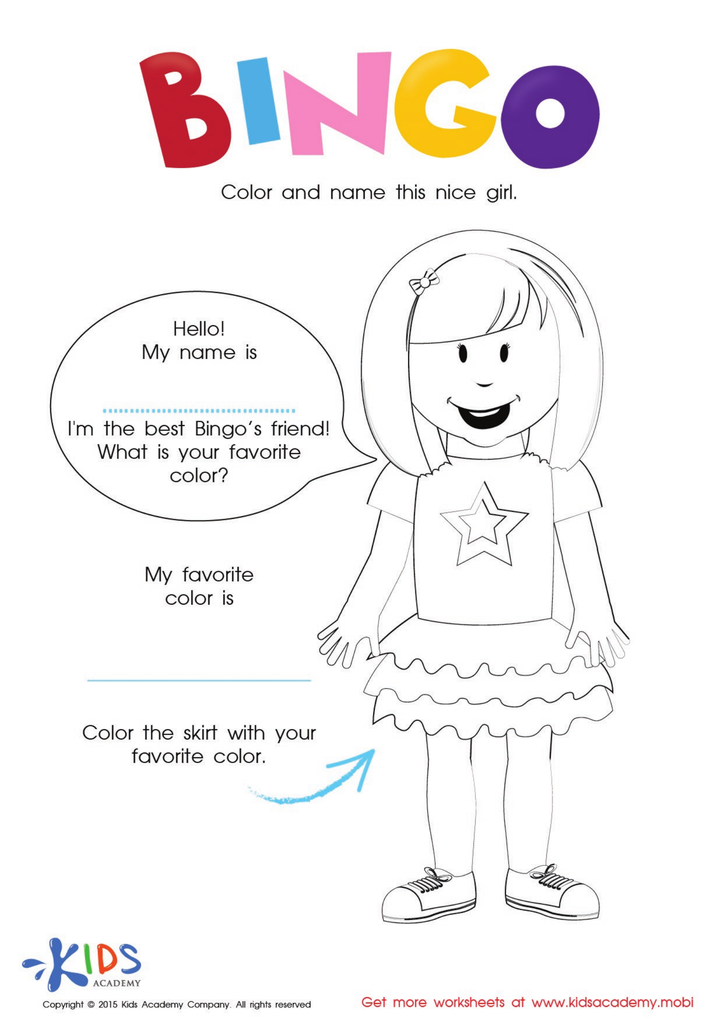
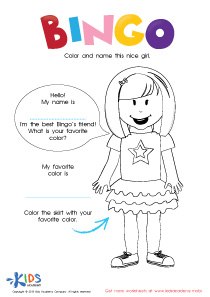
The Bingo Song: Coloring The Girl Worksheet
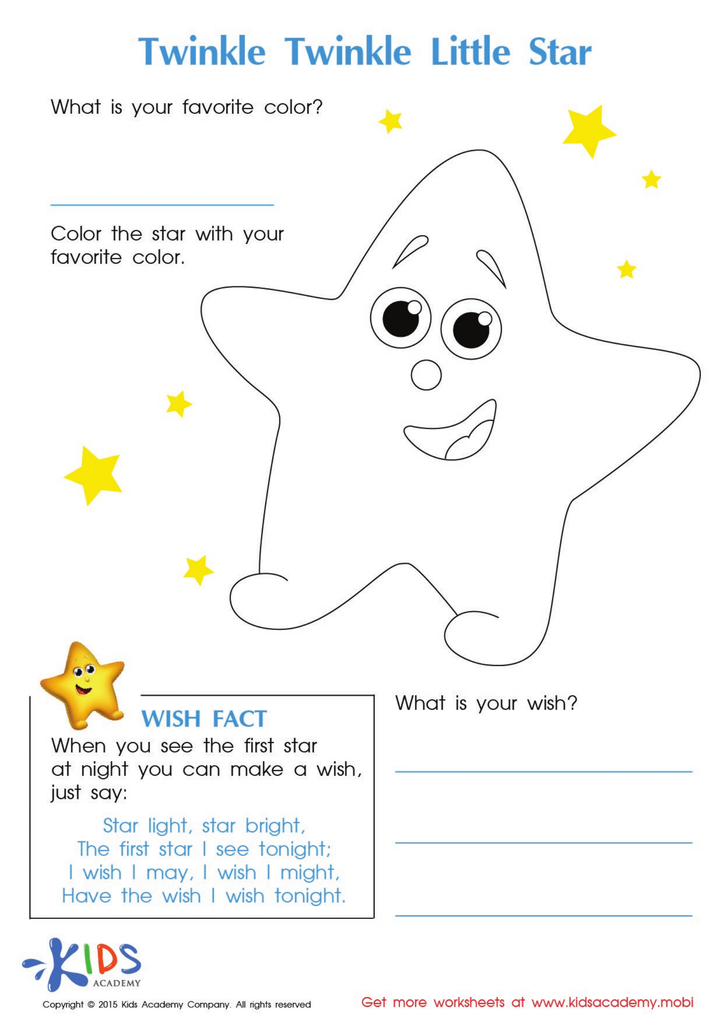
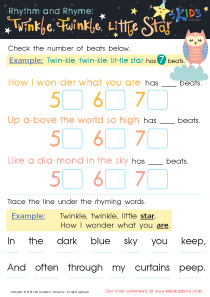
Twinkle Little Star Coloring Worksheet
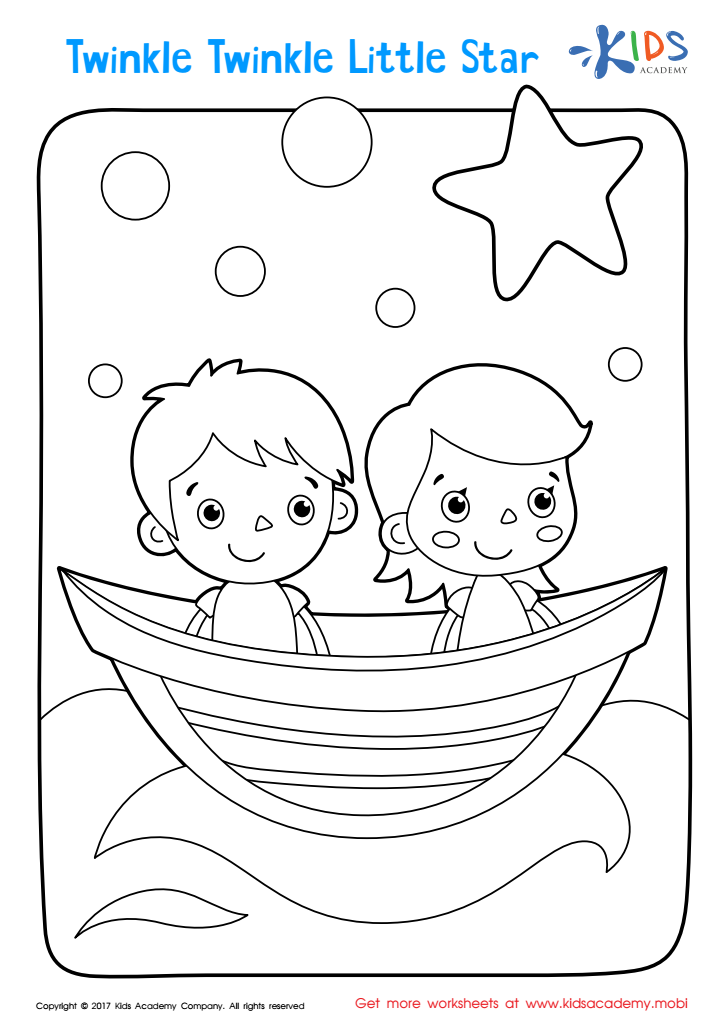
Twinkle Twinkle Little Star Coloring Page
 Assign to My Students
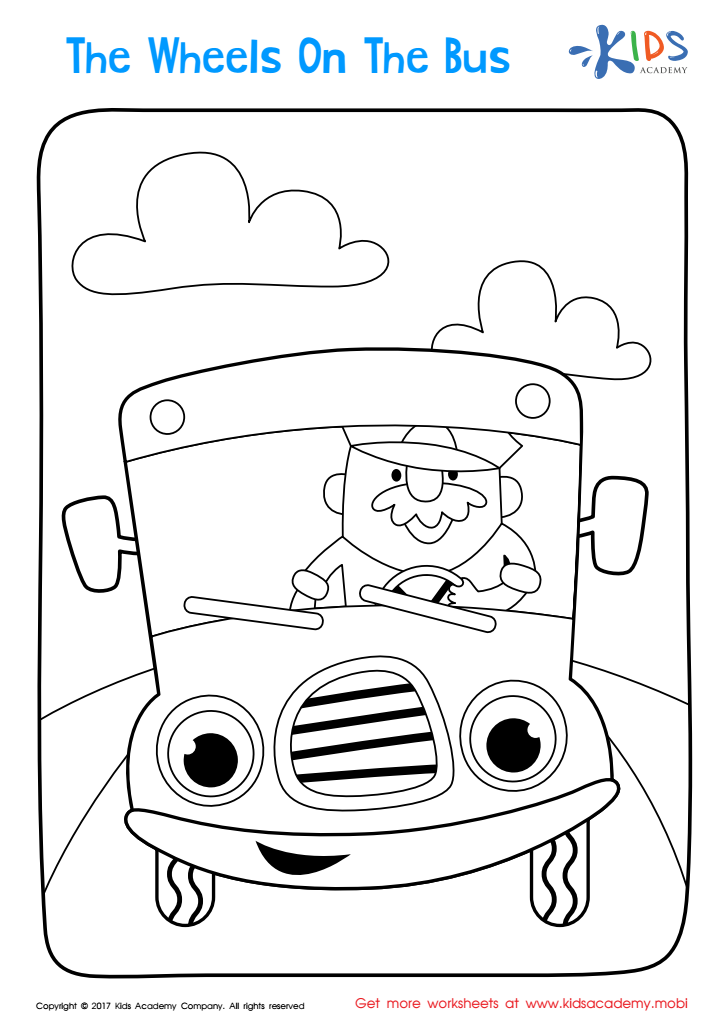
The Wheels on the Bus Coloring Page
Assign to My Students
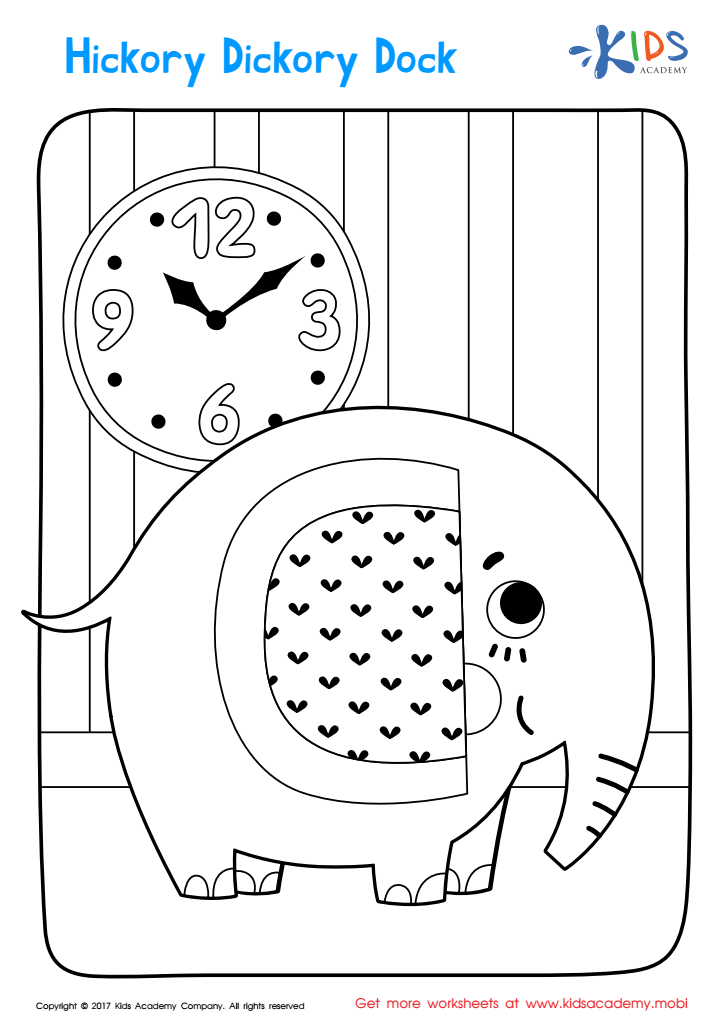
Hickory Dickory Dock Coloring Page
Assign to My Students
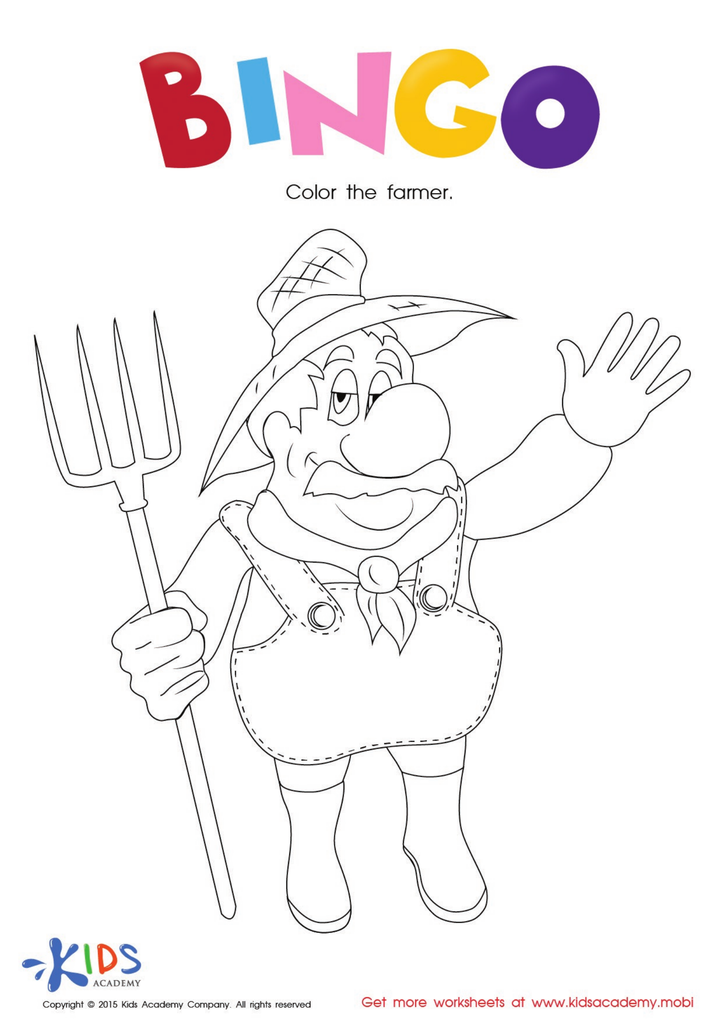
The Bingo Song: Coloring The Farmer Worksheet
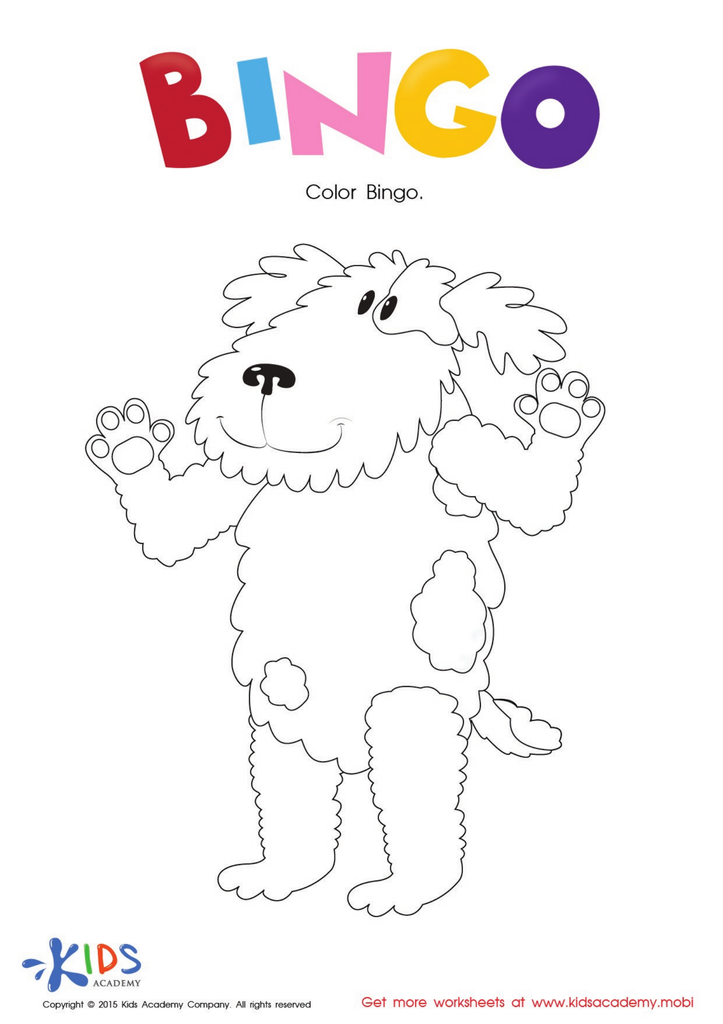
The Bingo Song: Coloring The Dog Worksheet







Color recognition nursery rhymes are an important learning tool for children aged 6-7 because they blend education with entertainment. At this critical developmental stage, children are rapidly learning to identify and categorize colors, and nursery rhymes can significantly enhance this foundational skill through engaging and repetitive patterns.
Firstly, these rhymes utilize melody and rhythm, making it easier for children to remember colors and their names. Through singing and reciting, children reinforce their understanding of colors in a playful context, promoting retention and recall. This auditory learning is especially effective in young children, who may find traditional learning methods less engaging.
Additionally, nursery rhymes encourage social interaction and language development. When shared in classrooms or at home, they provide opportunities for bonding between parents, teachers, and children. This interaction enhances communication skills, allowing children to describe their experiences and preferences involving colors.
Moreover, color recognition is fundamental for everyday tasks, including cooking, dressing, and even art activities. Thus, incorporating color recognition nursery rhymes into learning can pave the way for crucial cognitive development while fostering creativity and imaginative play. By valuing these enjoyable educational tools, parents and teachers can support children's holistic growth and lifelong love for learning.