Filters

15 filtered results

Clear all filters
Favorites
With answer key
Interactive

15 filtered results

Difficulty Level

Grade


Boost your child's language skills with our engaging Critical Thinking Building Vocabulary Worksheets designed for ages 6-7. These printable resources encourage young learners to expand their vocabulary while developing essential critical thinking abilities. Featuring fun activities that challenge students to analyze, infer, and connect ideas, our worksheets make vocabulary learning an exciting adventure. Perfect for classroom use or at-home practice, these engaging materials support literacy development in an age-appropriate manner. Help your child become a confident communicator while exploring new words and concepts. Discover the joy of learning with our effective and creative vocabulary-building worksheets today!

Check out this FREE Trial Lesson on Building Vocabulary for age 6-7!

Spell simple words phonetically

Favorites
With answer key
Interactive
  • 6-7
  • Critical Thinking
  • Building Vocabulary
The Ant and The Grasshopper Worksheet

The Ant and The Grasshopper Worksheet

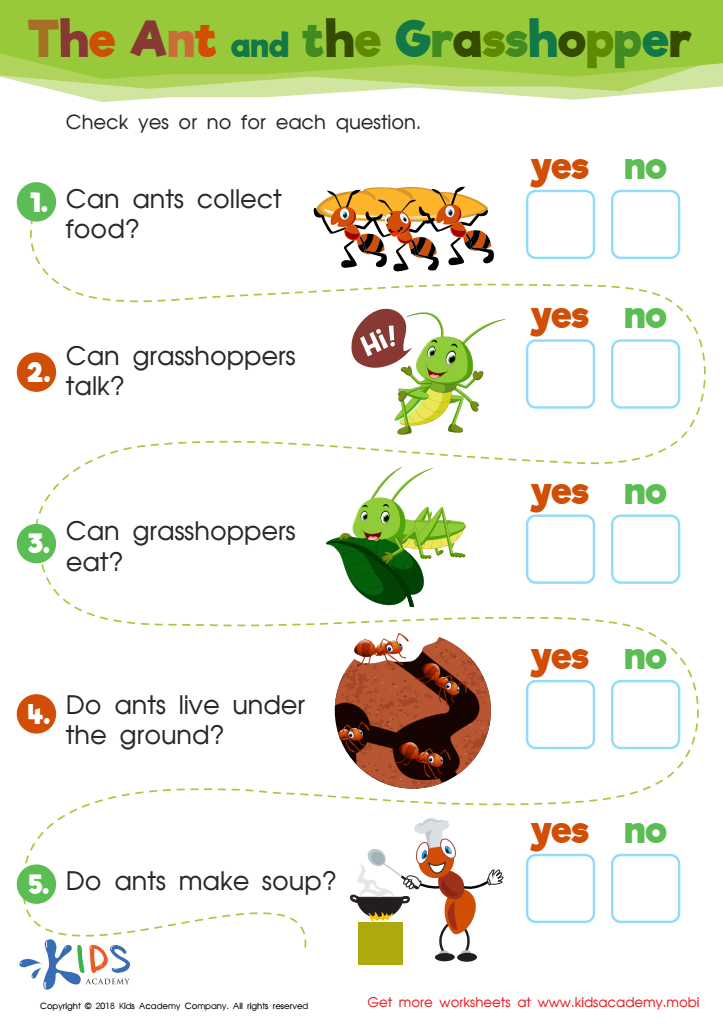
Does your child know about insects? If they're a nature lover or scared of them, use this worksheet to learn more. Read each of the questions and help them fill in the yes or no boxes. This may help them become less scared of insects.
The Ant and The Grasshopper Worksheet
Worksheet
City or Country? Worksheet

City or Country? Worksheet

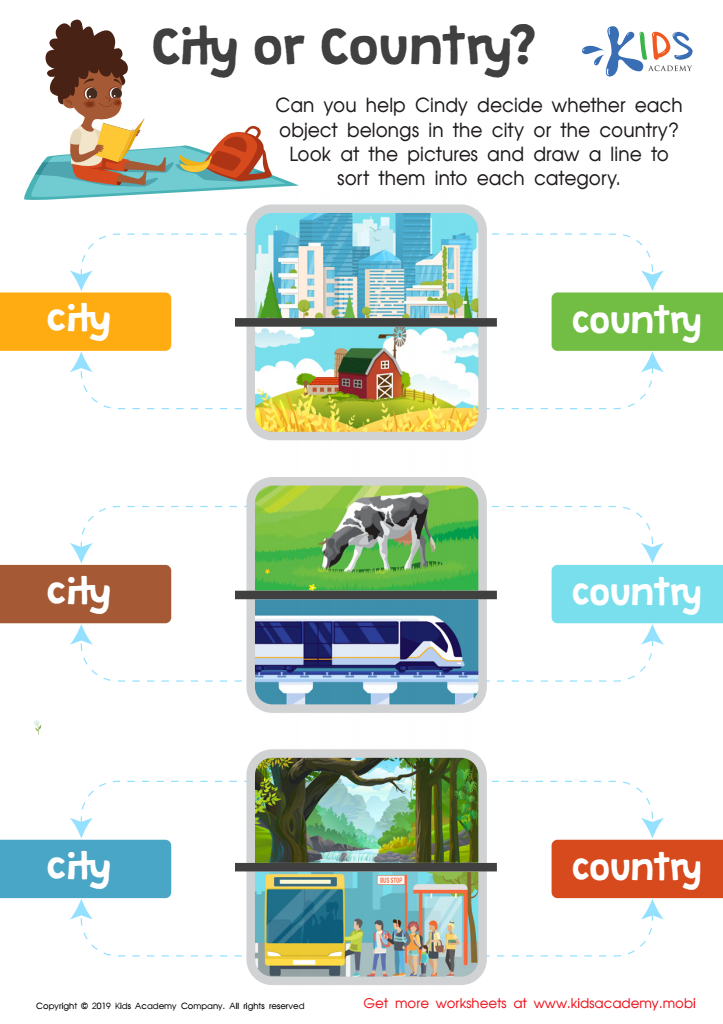
Whether city or country, both have distinct attributes. Cities have skyscrapers, public transport, and many business people, whereas the countryside is rural and full of nature, often farms. Download this PDF to help your child and Cindy use traced lines to decide which picture fits city or country.
City or Country? Worksheet
Worksheet
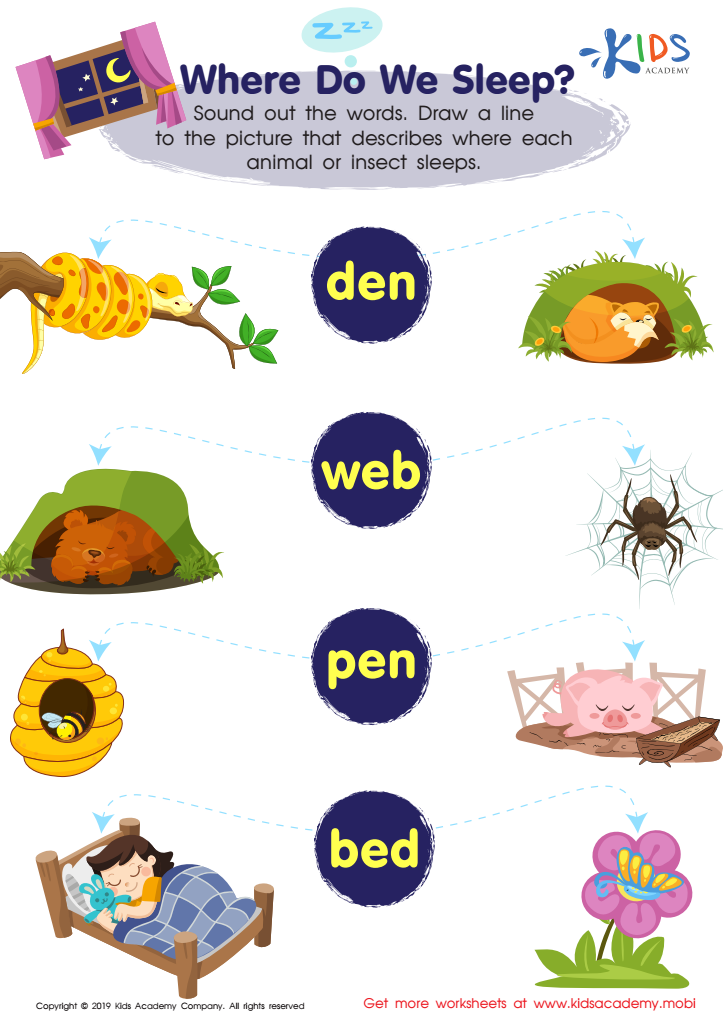
Where Do We Sleep Worksheet

Where Do We Sleep Worksheet

Help your kids understand the importance of a safe space with this activity: Ask them to draw a line connecting the different animals and insects to the words that describe where they sleep. Remind them that everyone needs a sanctuary to rest – like the animals and insects in this printout.
Where Do We Sleep Worksheet
Worksheet
=
=

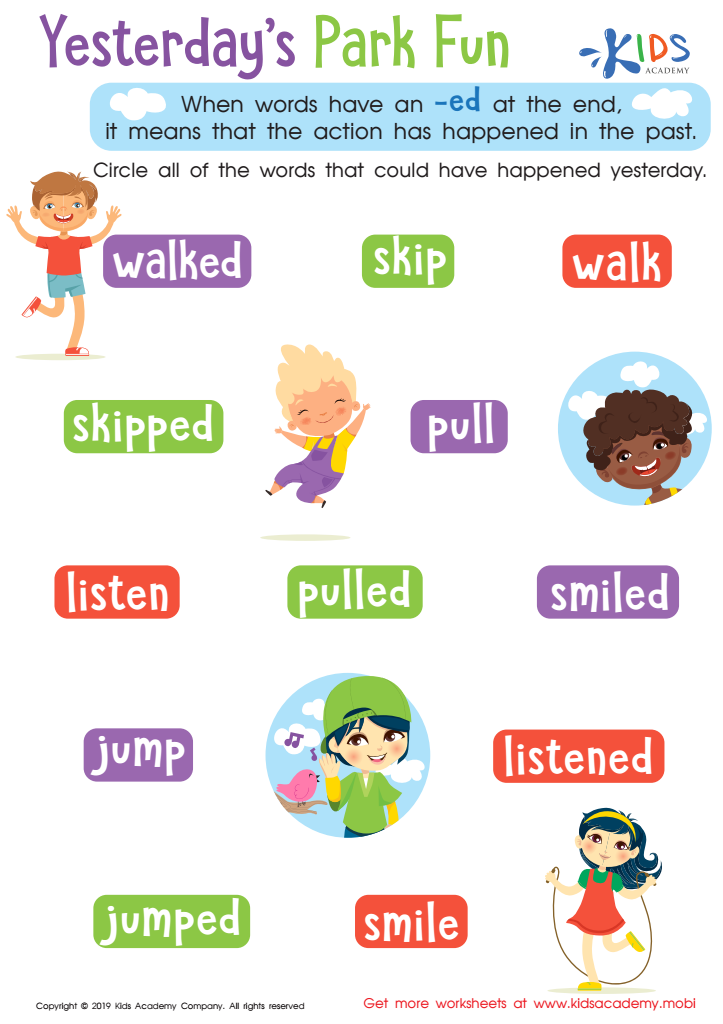
Yesterday's Park Fun Worksheet

Add -ed to the end of words and you get a word that happened in the past. This PDF helps your child understand this concept by giving practice examples: walk, pull, jump and smile can all be transformed into the past tense with a -ed suffix. They'll circle all the words that happened yesterday and learn about the past tense.
Yesterday's Park Fun Worksheet
Worksheet
Traditional Music Worksheet

Traditional Music Worksheet

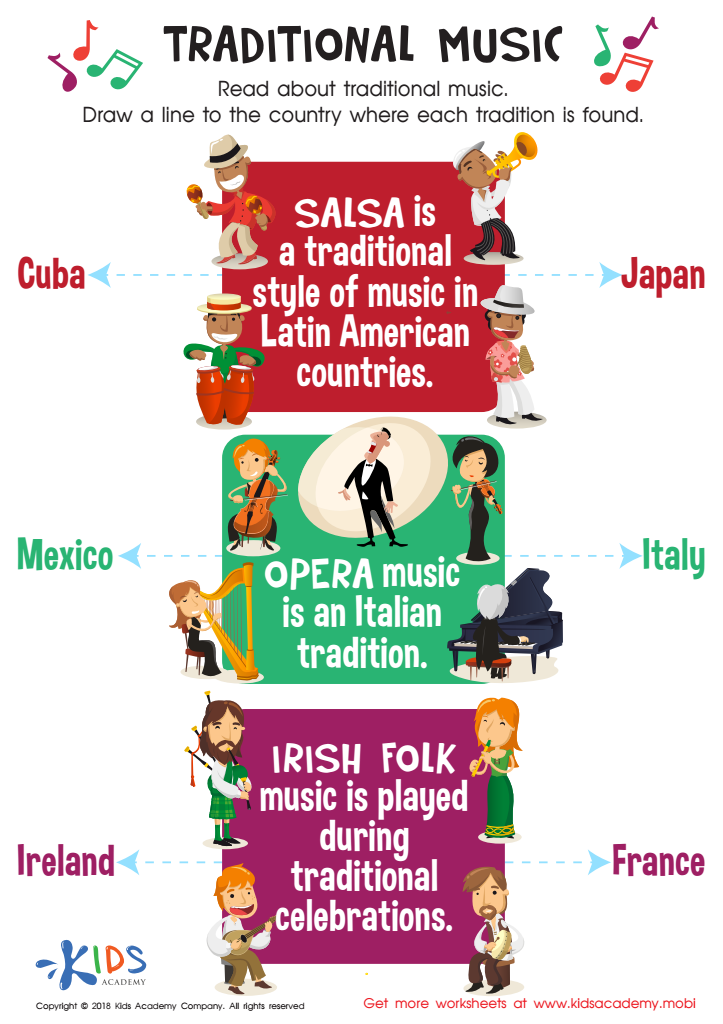
Exploring different countries' music is a great way for global learners to appreciate their place in the world. This worksheet helps them match music - like Salsa and Irish Folk - to various geographic regions with colorful visuals. It boosts reading comprehension while supporting their cultural understanding.
Traditional Music Worksheet
Worksheet
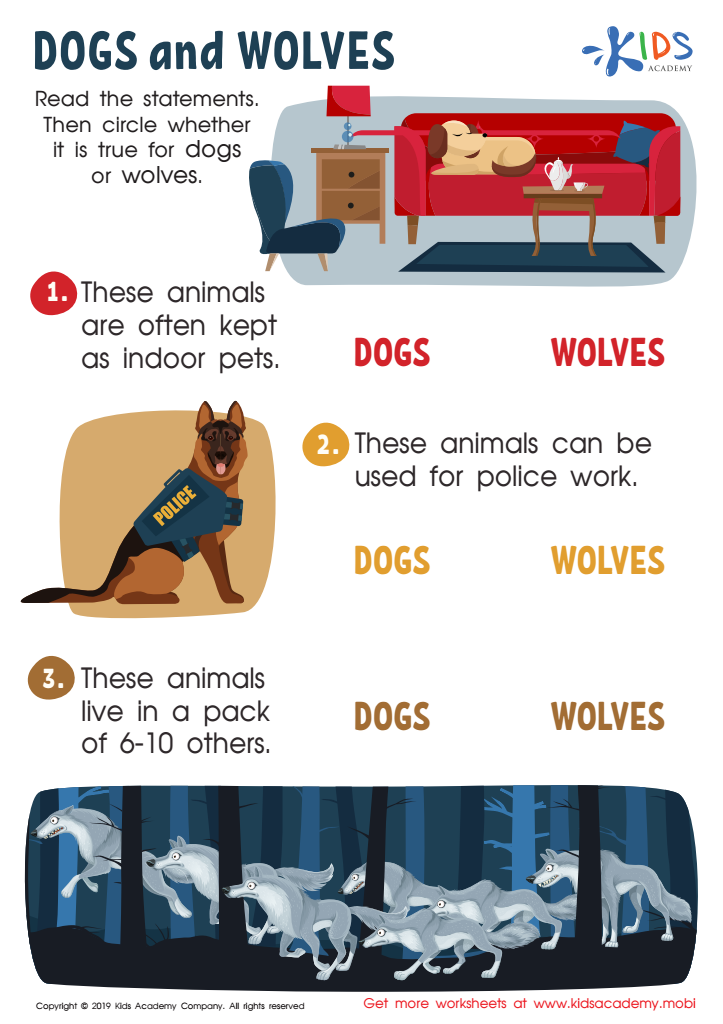
Dogs and Wolves Worksheet

Dogs and Wolves Worksheet

Kids love dogs and wolves, so engaging them with text about them is key. This free, downloadable worksheet allows kids to read statements about dogs and wolves and use picture clues and prior knowledge to decide if the statements are true or false, strengthening their reading comprehension.
Dogs and Wolves Worksheet
Worksheet
Three Little Pigs Questions Worksheet

Three Little Pigs Questions Worksheet

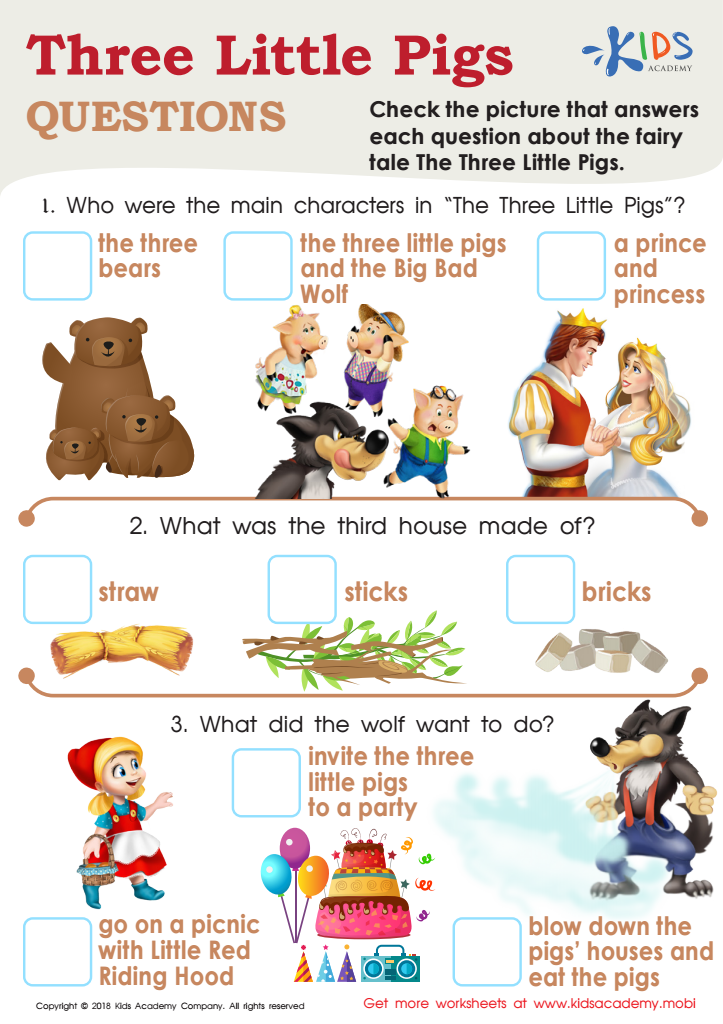
Does your kid love bedtime stories? Test their classic fairytale knowledge with this worksheet! If they mention The Three Little Pigs, they're in luck - this pdf has them answering questions based off the classic fairytale. They'll check the picture that answers each question about the story. Is their fairytale knowledge up to scratch?
Three Little Pigs Questions Worksheet
Worksheet
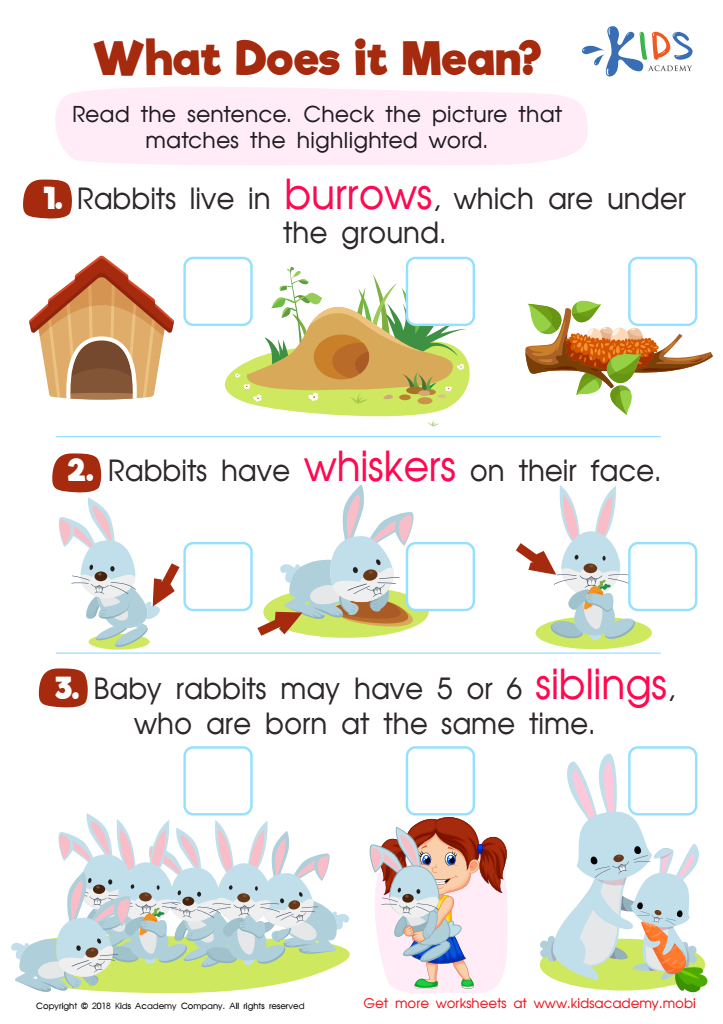
What Does It Mean? Worksheet

What Does It Mean? Worksheet

Teach your child to use context clues with this engaging Kids Academy worksheet. Read the sentences and find the pink-highlighted word. Use the other words in the sentence to figure out the meaning, then check the box next to the picture that represents it.
What Does It Mean? Worksheet
Worksheet
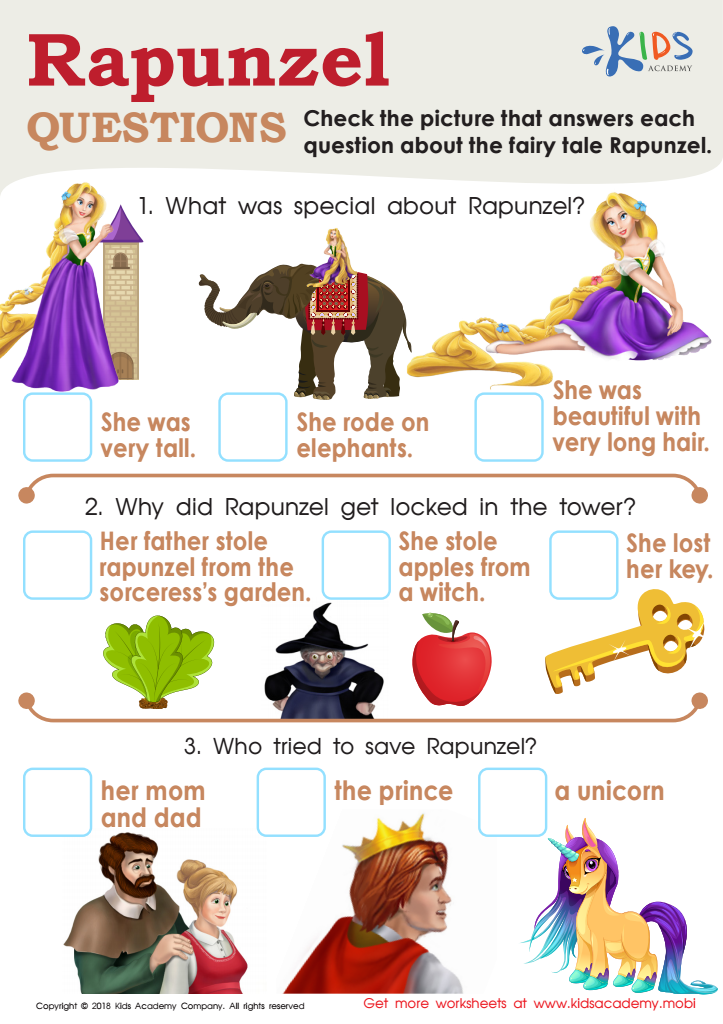
Rapunzel Questions Worksheet

Rapunzel Questions Worksheet

Read the fairy tale 'Rapunzel' to your kids. For those who really enjoyed it, read it twice and ask questions to test their understanding. Then, get them to check the pictures related to the questions to test their comprehension of the story.
Rapunzel Questions Worksheet
Worksheet
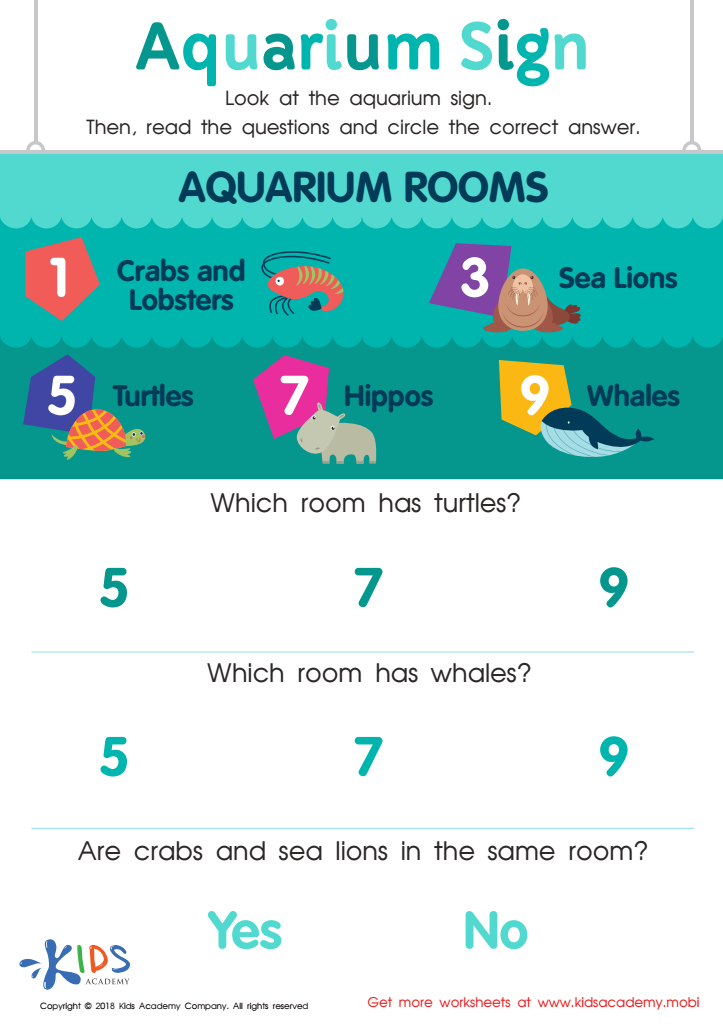
Assessment: Aquarium Sign Worksheet

Assessment: Aquarium Sign Worksheet

Take your kids to an aquarium and marvel at the sea creatures! Help them identify the animals they see, and ask them which one is their favorite. Look at the aquarium sign and point to each creature. Ask your kids the questions and help them circle the right answer.
Assessment: Aquarium Sign Worksheet
Worksheet
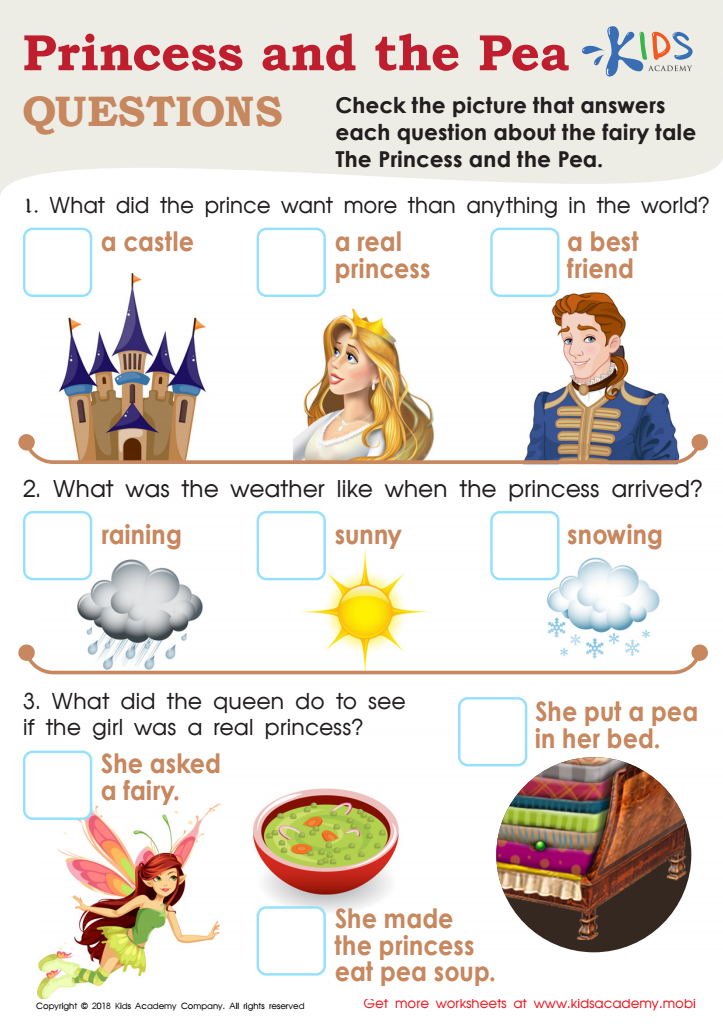
Princess and the Pea Questions Worksheet
Princess and the Pea Questions Worksheet
Your kid knows The Princess and the Pea inside-out? Test their knowledge with this worksheet. Ask your little one to read the questions and match each one to the picture. It's a fun way to see just how much attention they've paid to their bedtime story.
Princess and the Pea Questions Worksheet
Worksheet
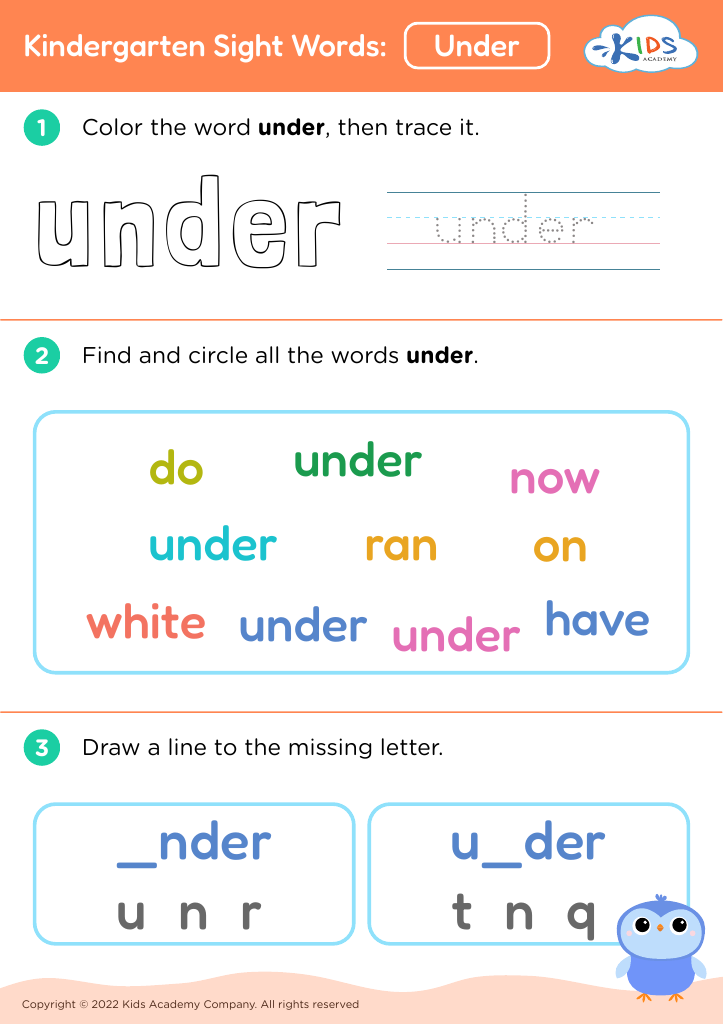
Kindergarten Sight Words: Under

Kindergarten Sight Words: Under

Kindergarten Sight Words: Under
Worksheet
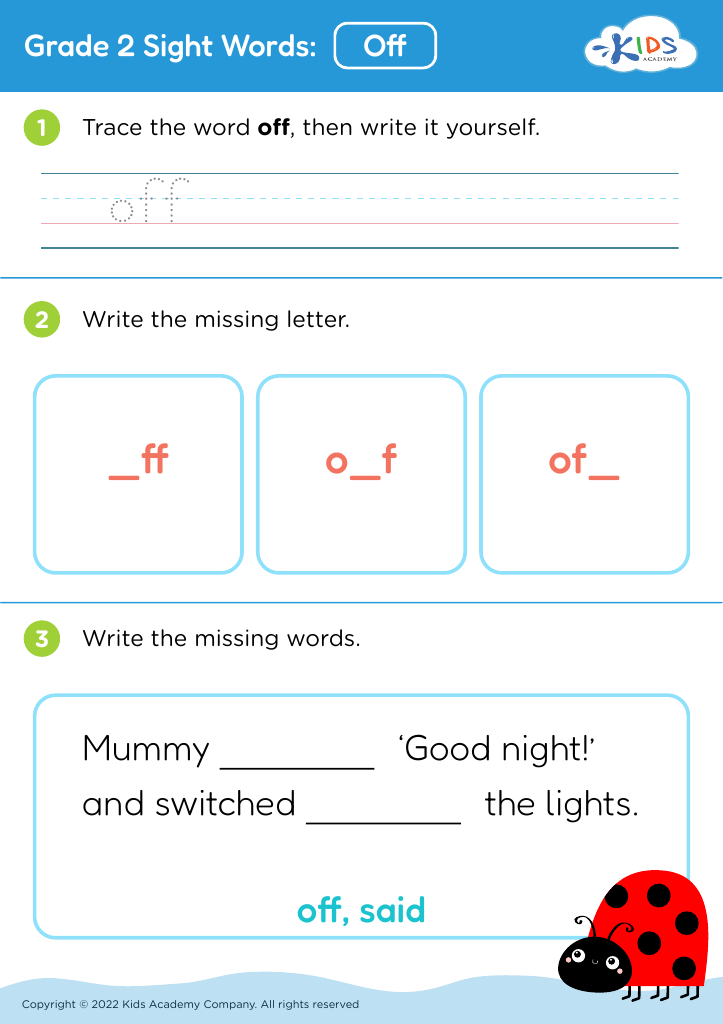
Grade 2 Sight Words: Off

Grade 2 Sight Words: Off

Grade 2 Sight Words: Off
Worksheet
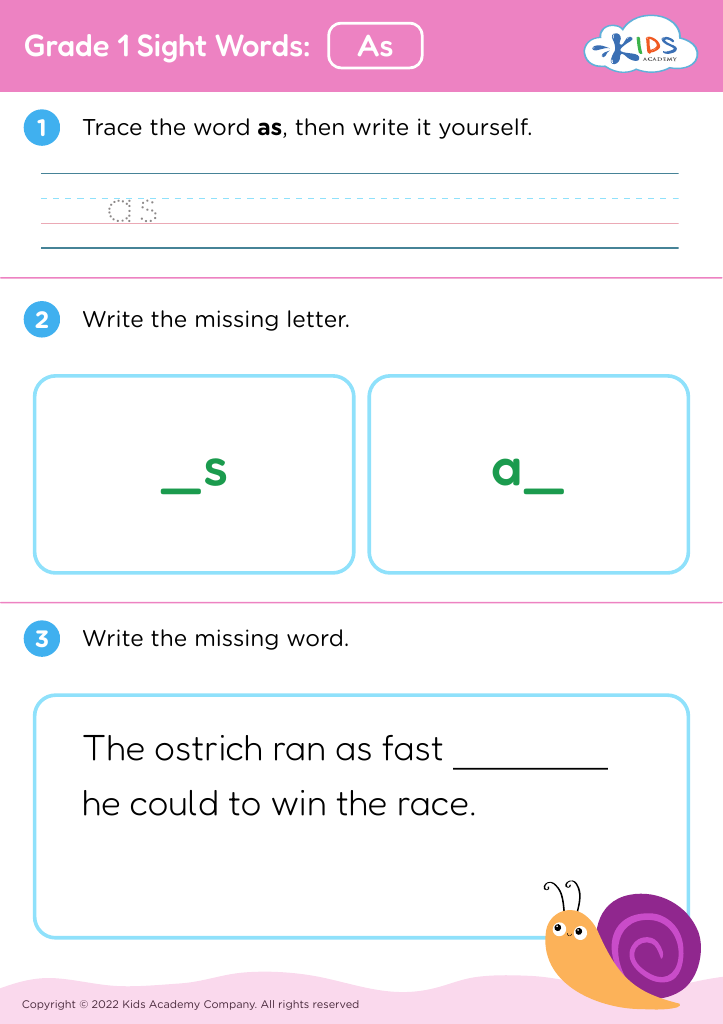
Grade 1 Sight Words: As

Grade 1 Sight Words: As

Grade 1 Sight Words: As
Worksheet
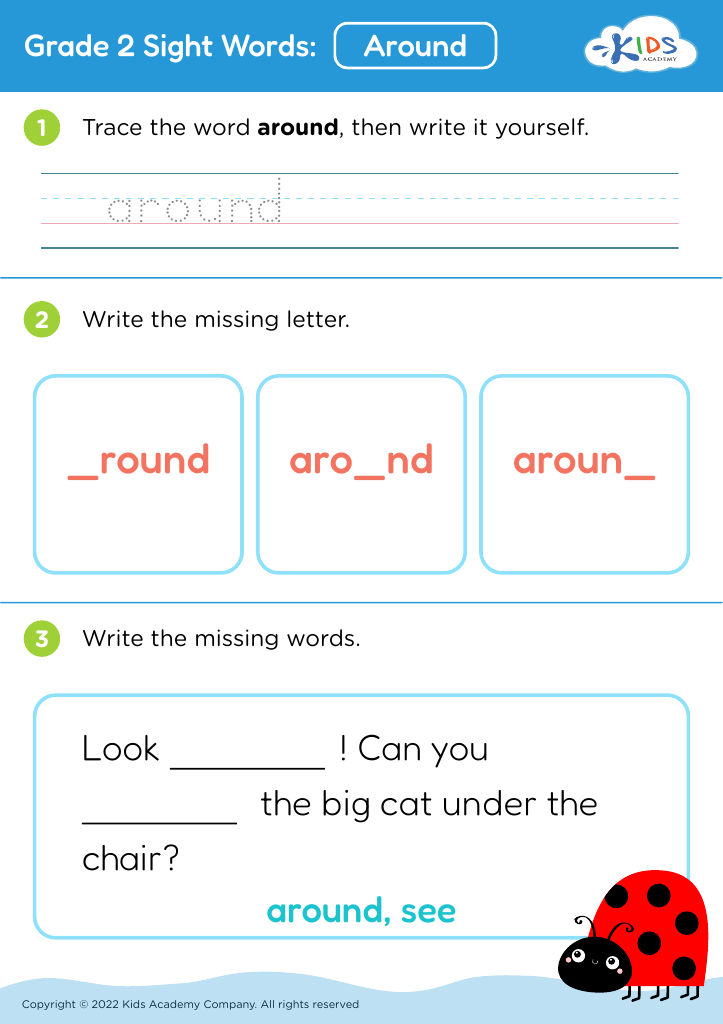
Grade 2 Sight Words: Around

Grade 2 Sight Words: Around

Grade 2 Sight Words: Around
Worksheet


Critical thinking and vocabulary building are essential components of early education for children aged 6-7. During this developmental phase, children are naturally curious and eager to explore the world around them. Encouraging critical thinking fosters their ability to analyze information, solve problems, and make informed decisions. It empowers students to question assumptions and explore concepts deeply, cultivating independence and confidence in their thinking.

Moreover, a strong vocabulary is vital for effective communication and comprehension. As children expand their vocabulary, they gain tools to articulate thoughts, express emotions, and engage with complex ideas. This linguistic development assists in reading proficiency, enhancing their ability to understand diverse texts and ideas.

When parents and teachers emphasize these skills, they create a supportive learning environment that nurtures creativity and inquiry. Engaging in discussions, asking open-ended questions, and introducing new words in context can significantly impact a child's intellectual growth. By focusing on critical thinking and vocabulary building, educators and caregivers lay a solid foundation for future academic success, promoting lifelong learning skills and helping children navigate an increasingly complex world. Through strategic support in these areas, parents and teachers prepare children for challenges beyond the classroom.