Recognizing shapes Building Vocabulary Worksheets for Ages 6-7
6 filtered results
-
From - To
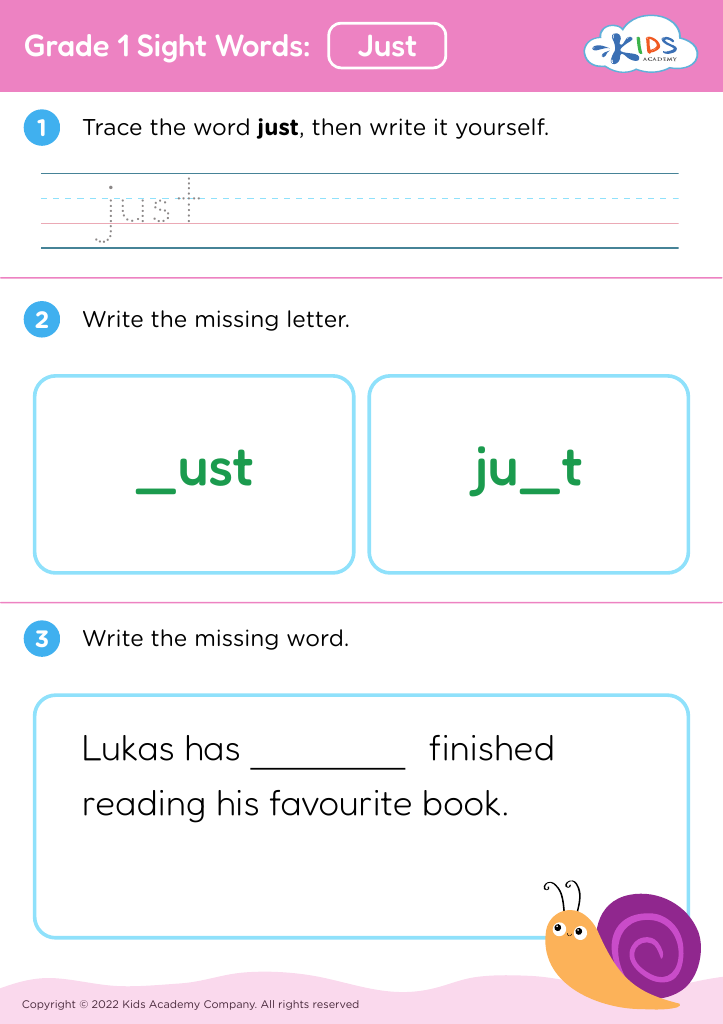
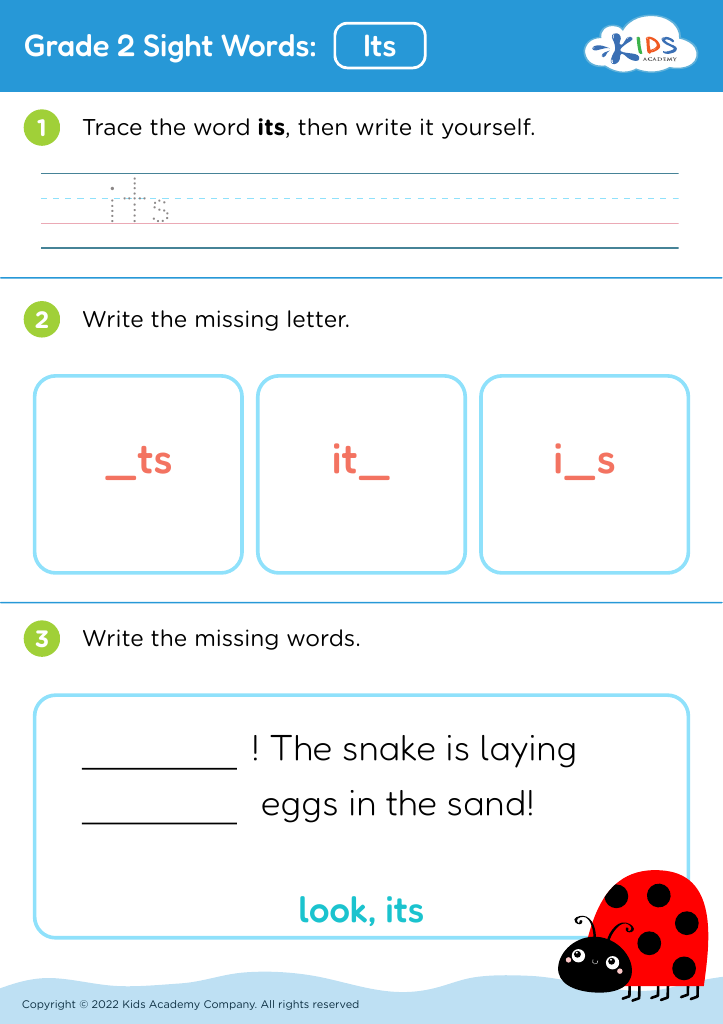
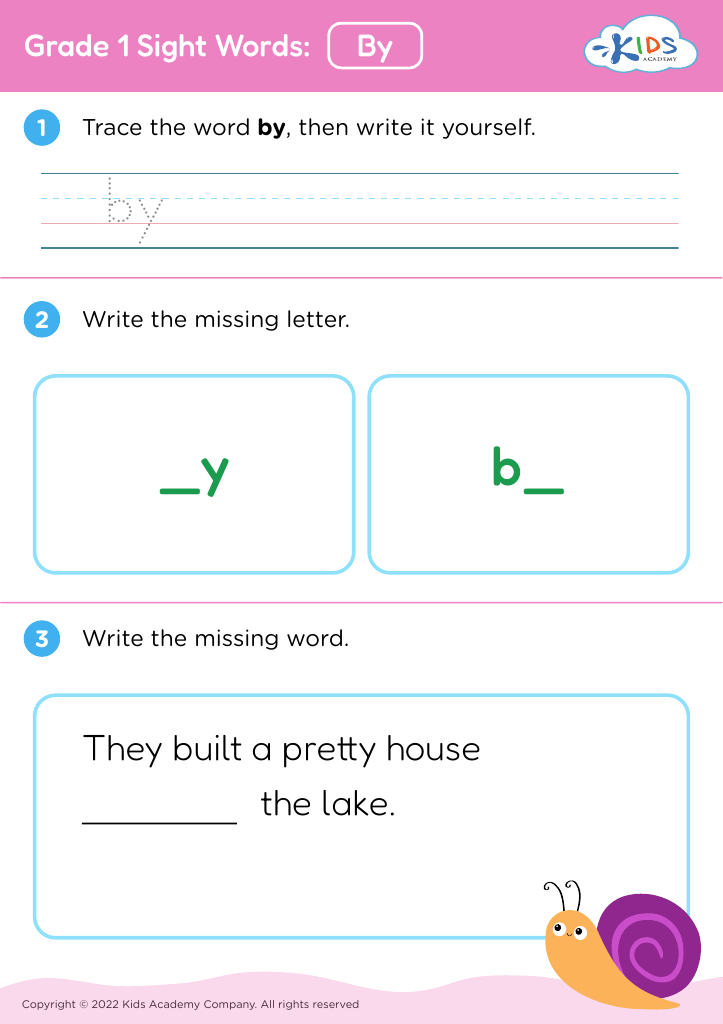
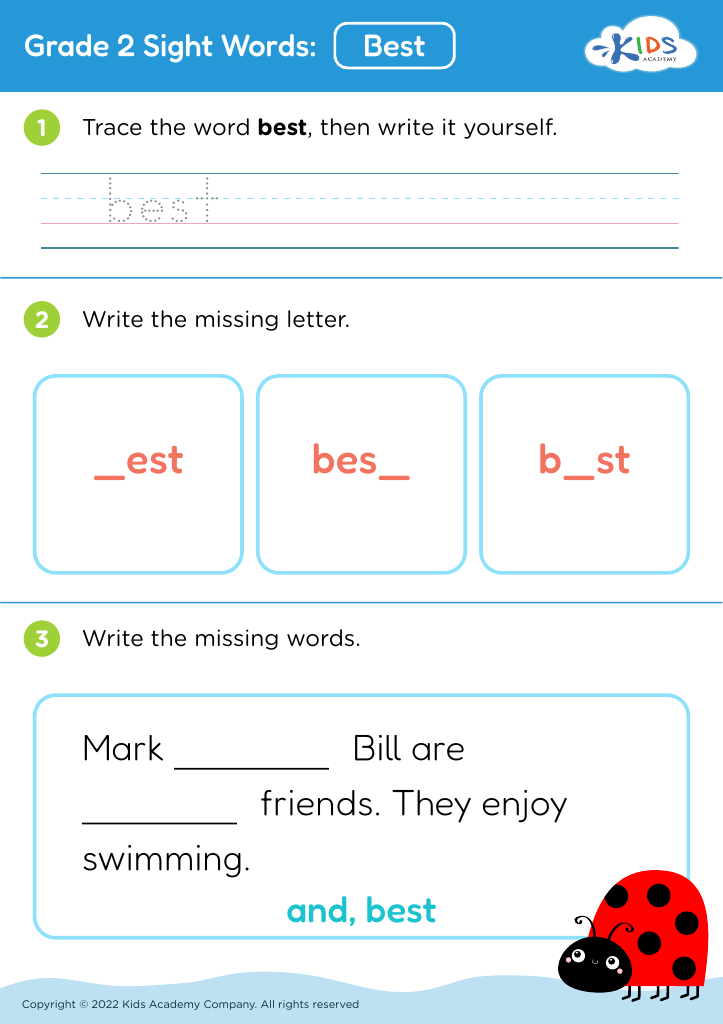
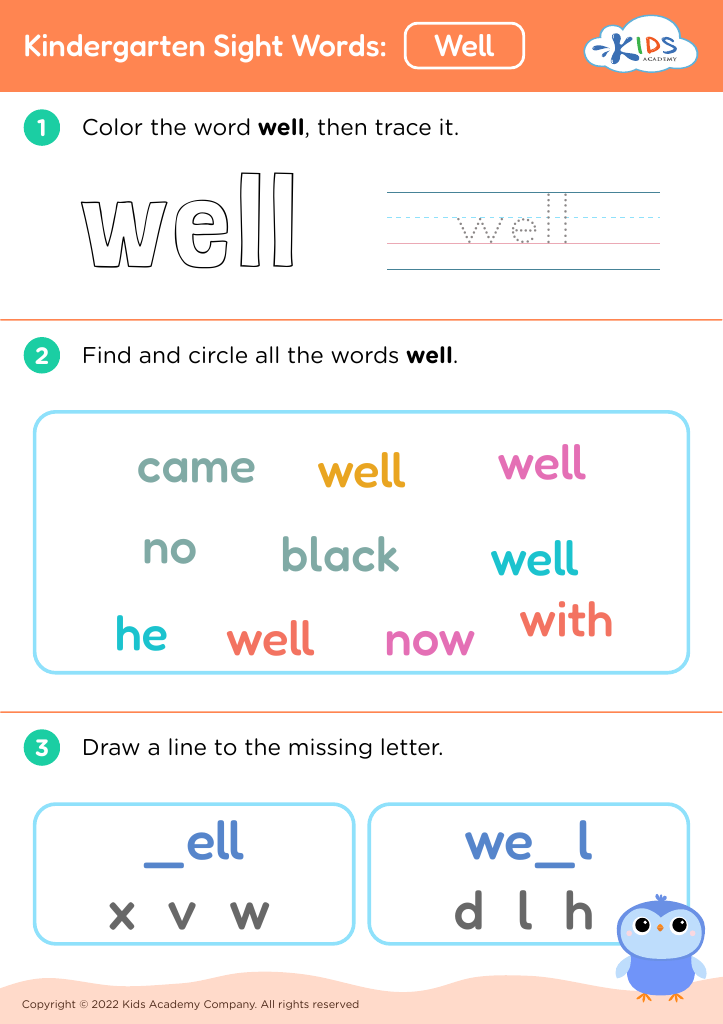
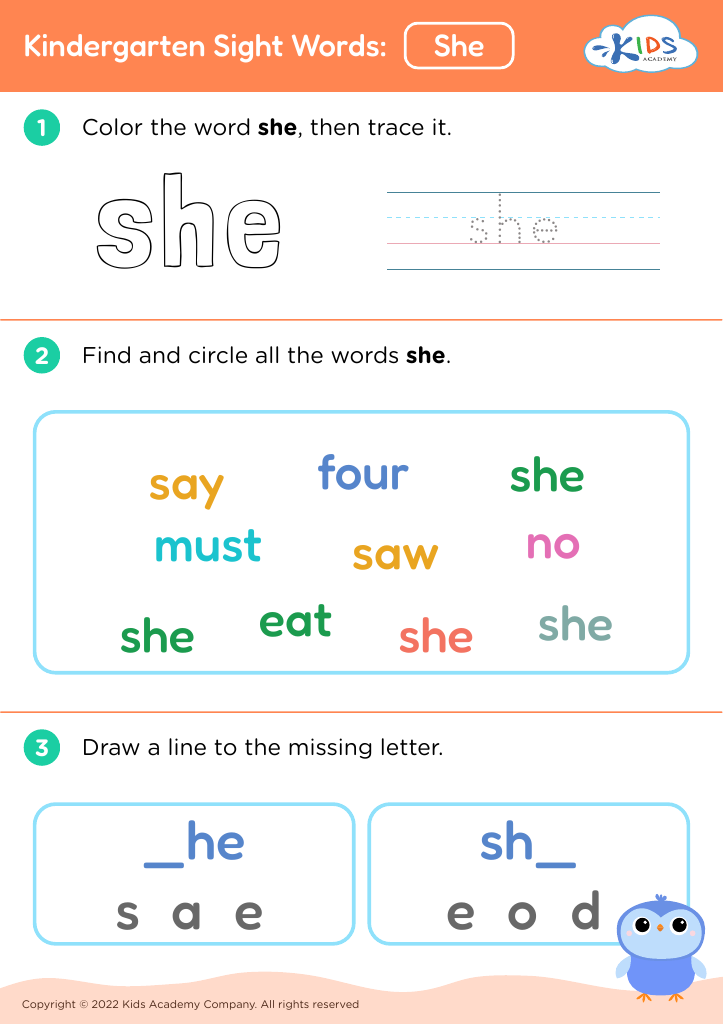
Introduce your child to the world of shapes with our engaging "Recognizing Shapes Building Vocabulary Worksheets" designed specifically for ages 6-7. These worksheets offer a fun and interactive way to enhance vocabulary while helping young learners identify and differentiate various shapes. Activities include matching shapes to words, coloring, and tracing, ensuring a hands-on approach to learning. Each worksheet is crafted to boost confidence and foster a love for learning through playful, educational content. Perfect for classroom use or at-home practice, these resources will inspire creativity while reinforcing essential language skills. Start your child's shape recognition journey today!














.jpg)




Recognizing shapes and building vocabulary are crucial components of early childhood education for children aged 6-7. Parents and teachers should prioritize these skills because they serve as foundational elements for a child’s overall cognitive development.
Firstly, shape recognition aids in developing spatial awareness, which is vital for problem-solving and critical thinking. As children learn to identify different shapes, they enhance their ability to observe, categorize, and interact with the world around them. This skill is essential not only in mathematics but also in everyday situations, encouraging a deeper understanding of geometry and design.
Building vocabulary during this age is equally important. A robust vocabulary enhances reading comprehension and communication skills, enabling children to express their ideas more clearly. Engaging in activities that involve shape-related vocabulary, like "rectangle," "triangle," and "circumference," allows children to connect language with visual concepts, promoting effective learning.
Moreover, integrating shape recognition with vocabulary building fosters a love for learning, as children become curious about their environment and the relationships between objects. By nurturing these skills, parents and teachers lay the groundwork for successful future learning, empower children with confidence in both academic and social contexts, and enhance their ability to collaborate and communicate effectively.








