Vocabulary expansion Building Vocabulary Worksheets for Ages 6-7 - Page 2
41 filtered results
-
From - To
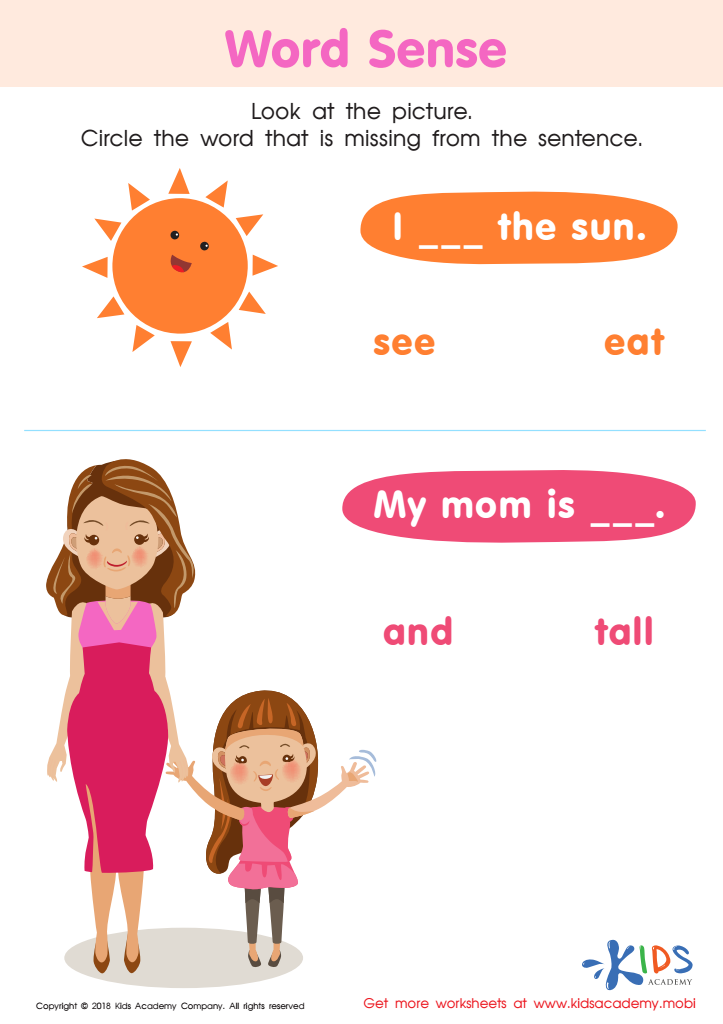
Word Sense Worksheet
 Assign to My Students











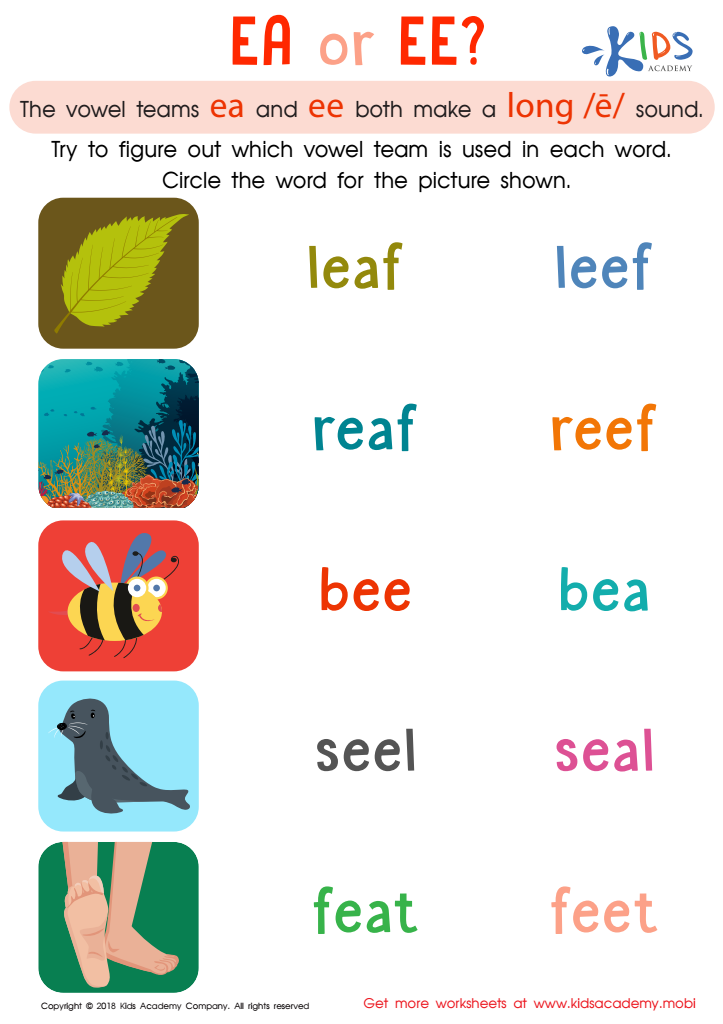
Reading: EA and EE Worksheet
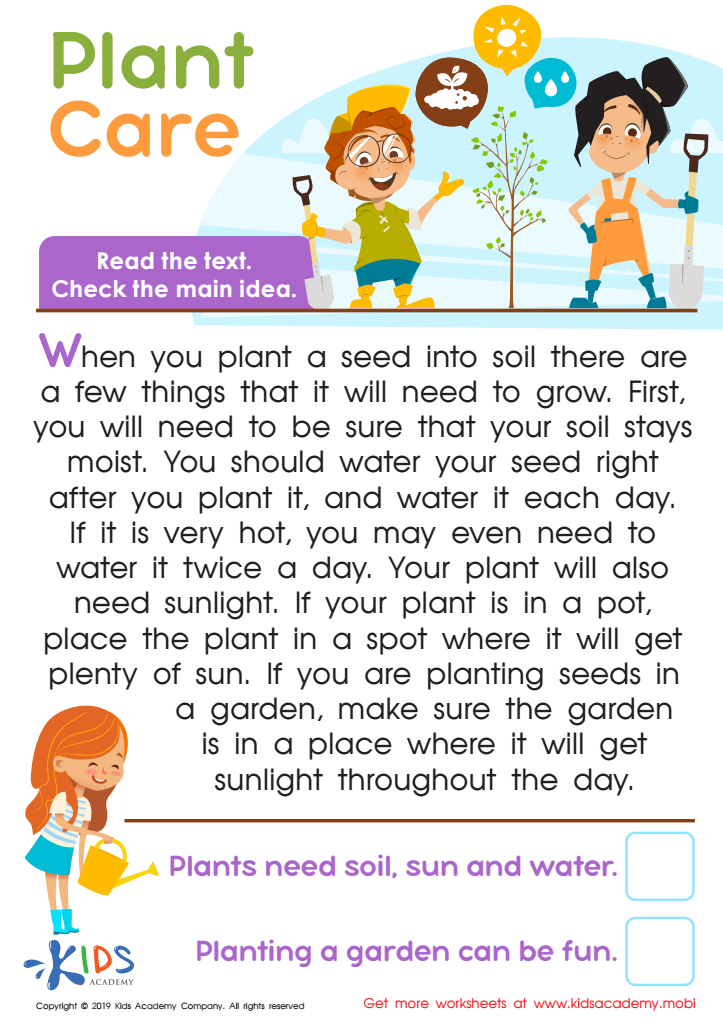
Plant Care Worksheet
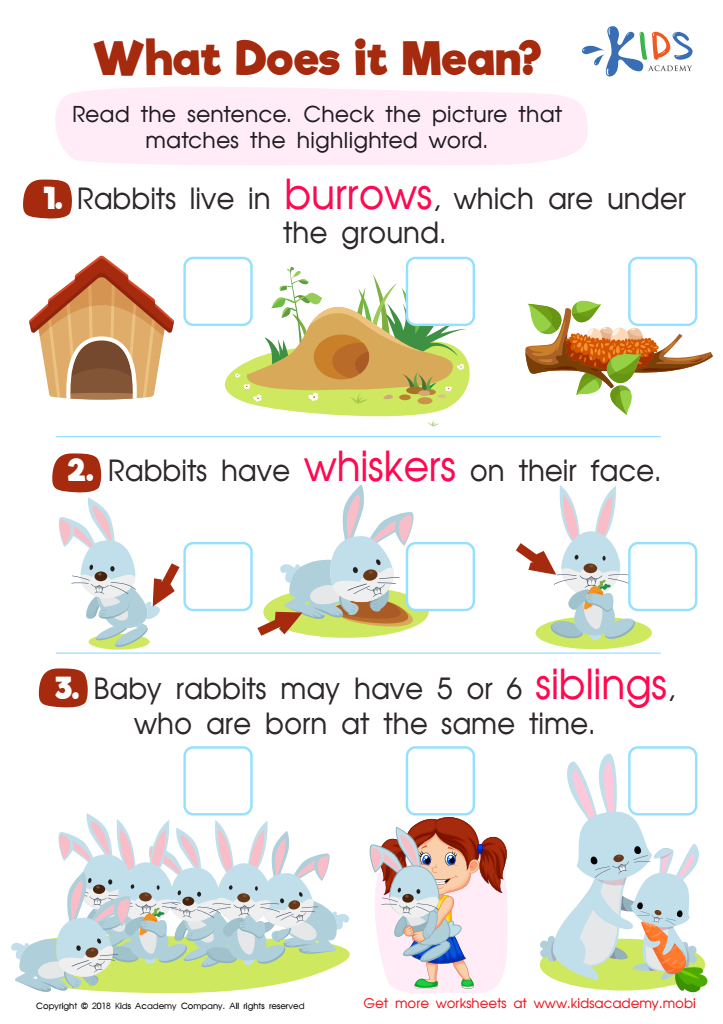
What Does It Mean? Worksheet
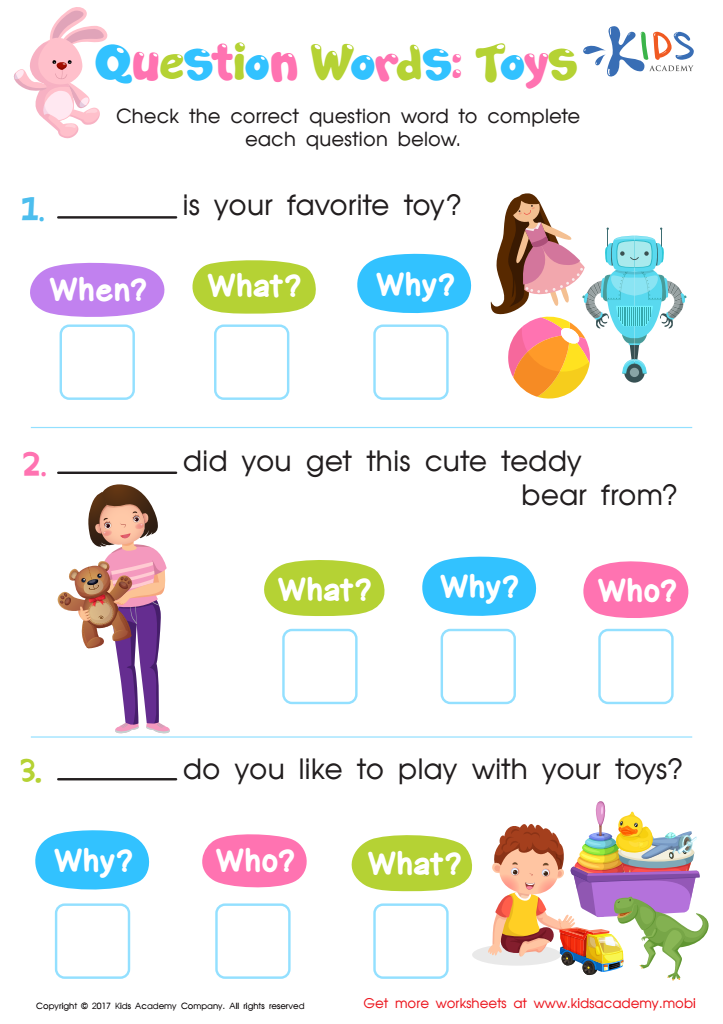
Question Words: Toys Worksheet
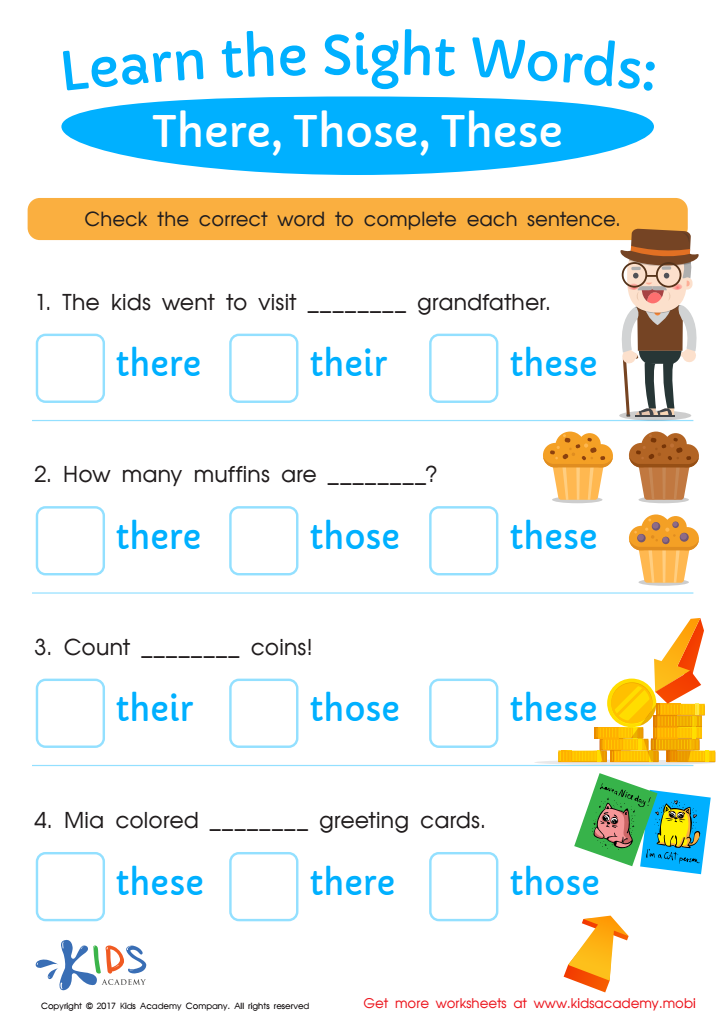
There, Those and These Sight Words Worksheet
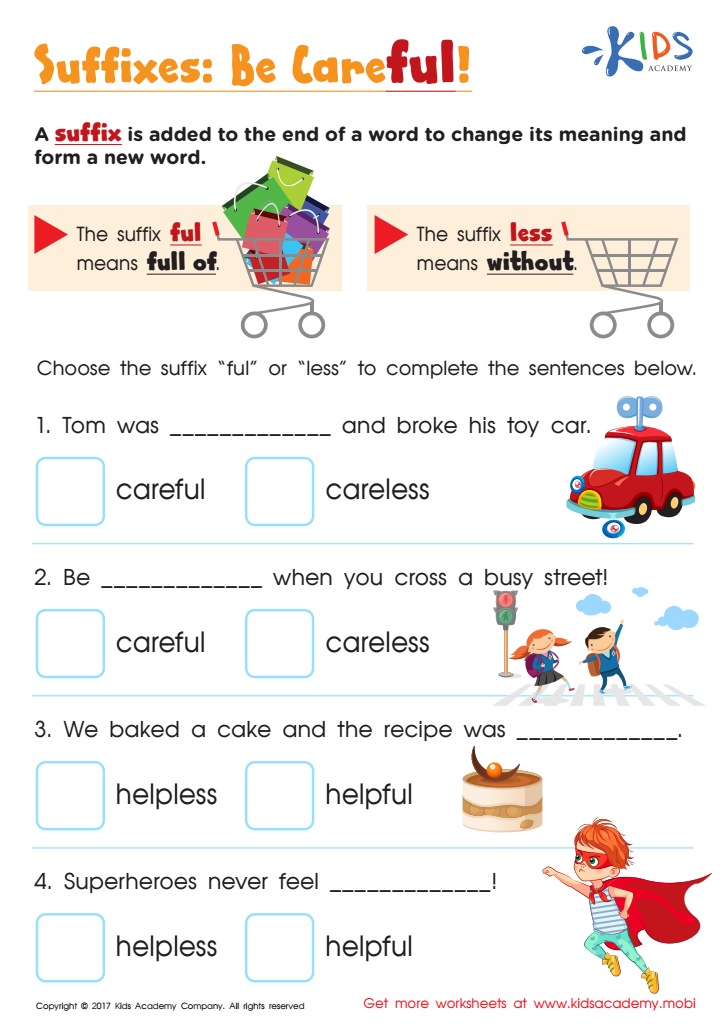
Suffixes Ful and Less Worksheet
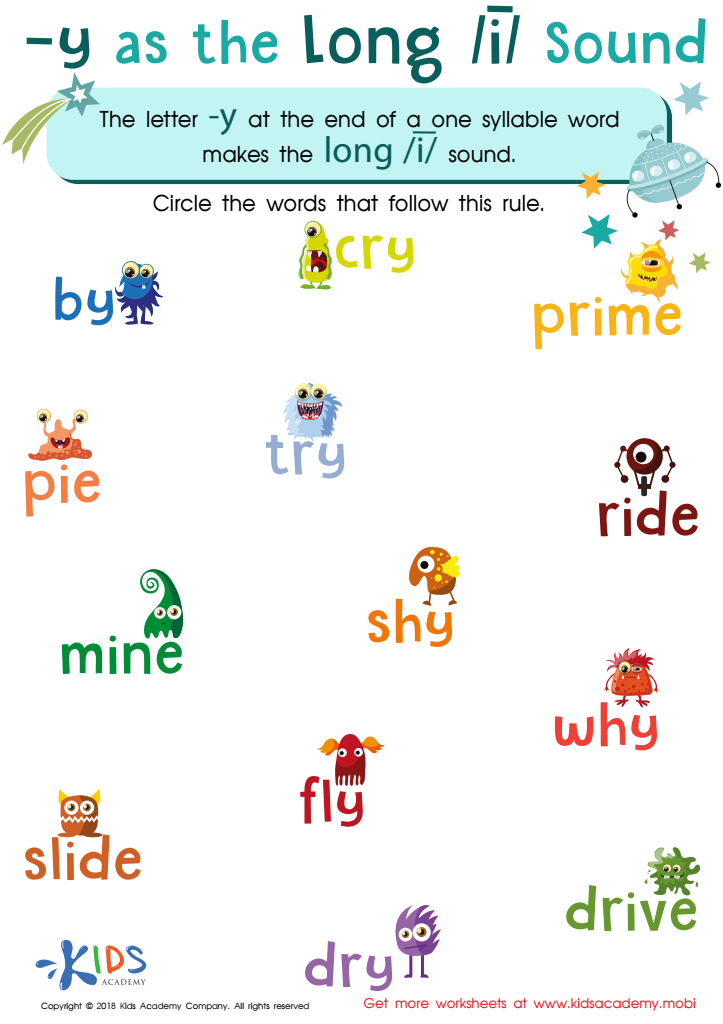
Reading: Y as Long I Worksheet
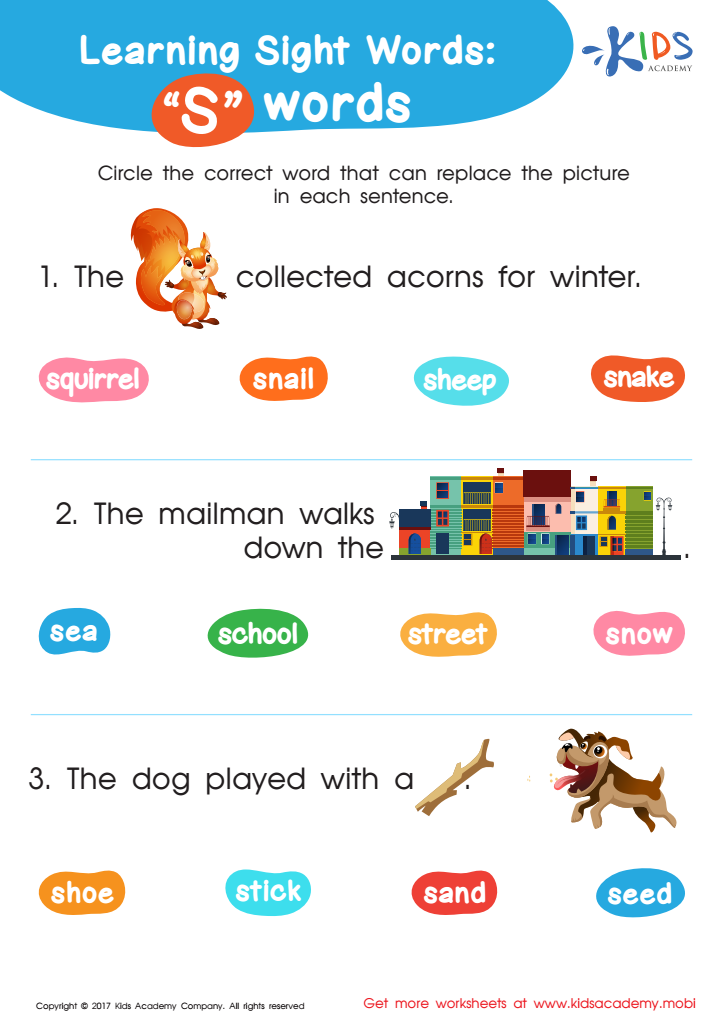
S Words Sight Words Worksheet
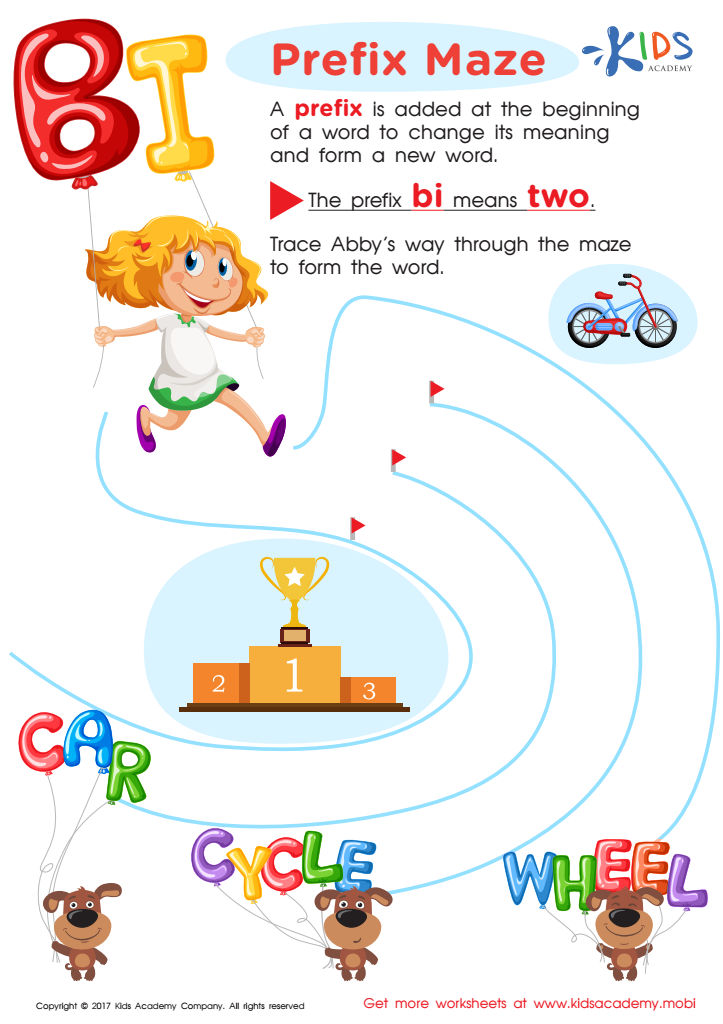
Prefix Bi Words Worksheet
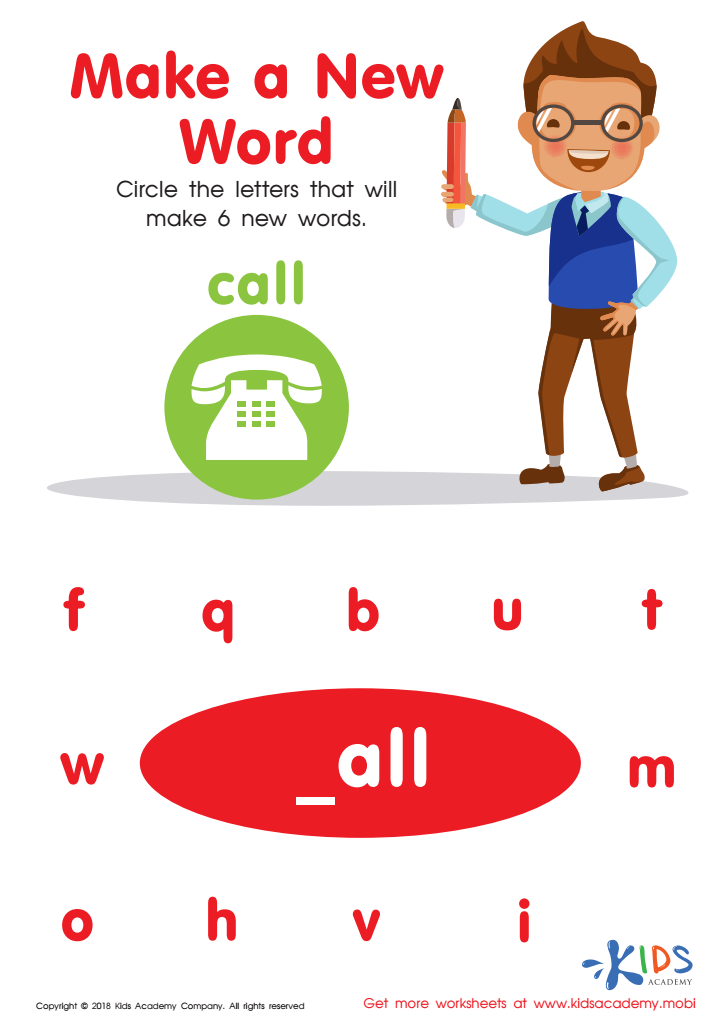
Make a New Word Worksheet
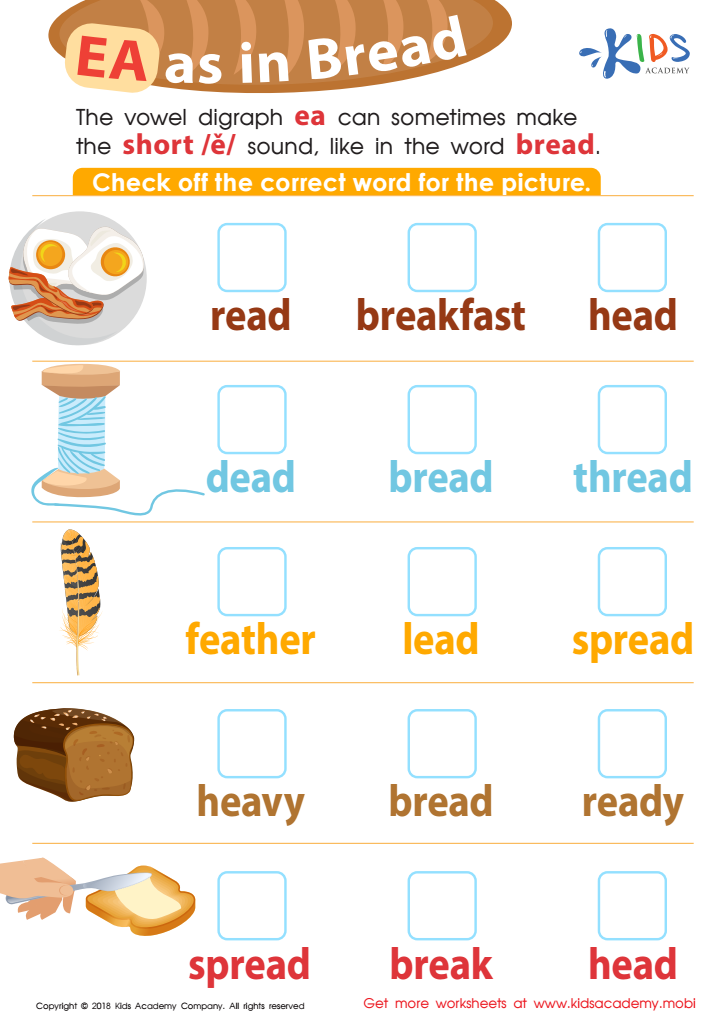
Reading: EA as in Bread Worksheet
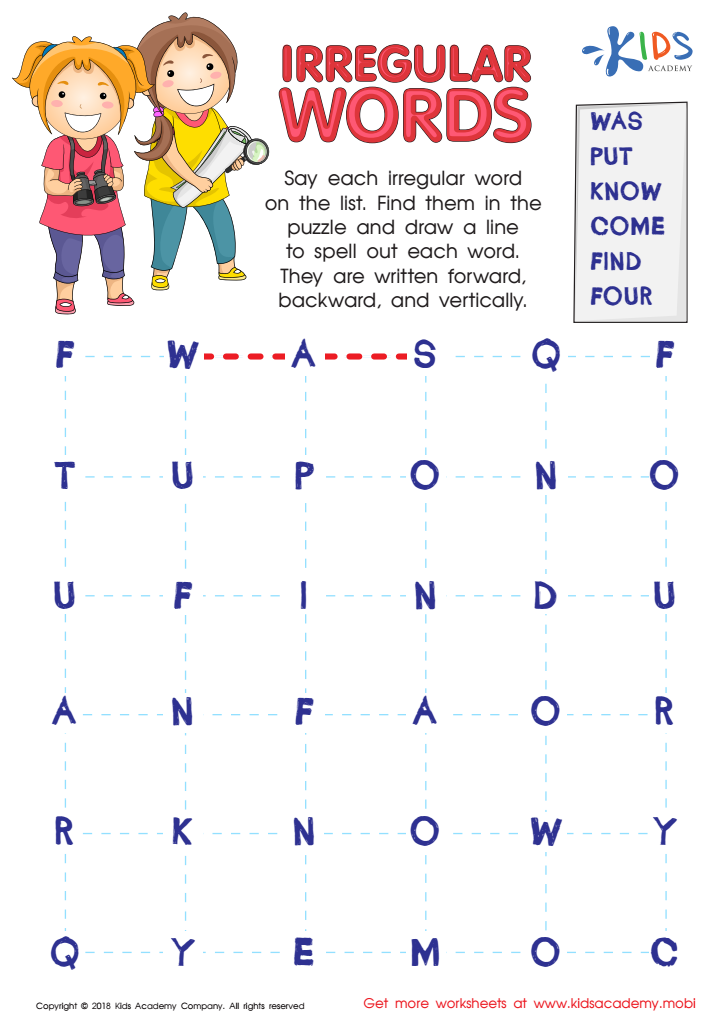
Irregular Words Worksheet
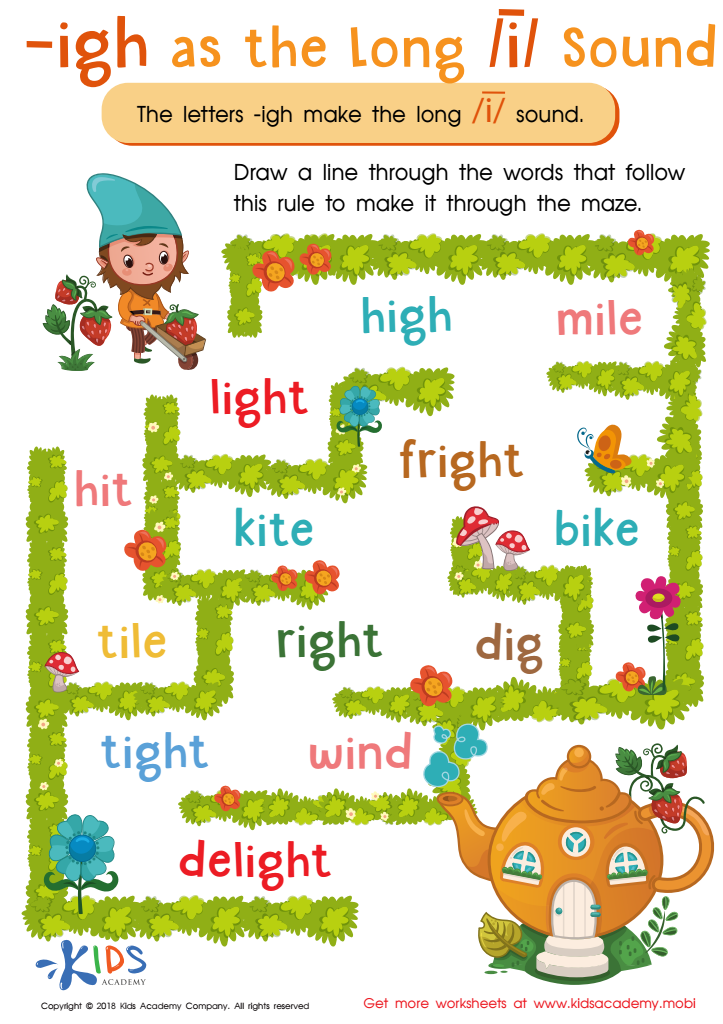
Reading: IGH as Long I Worksheet
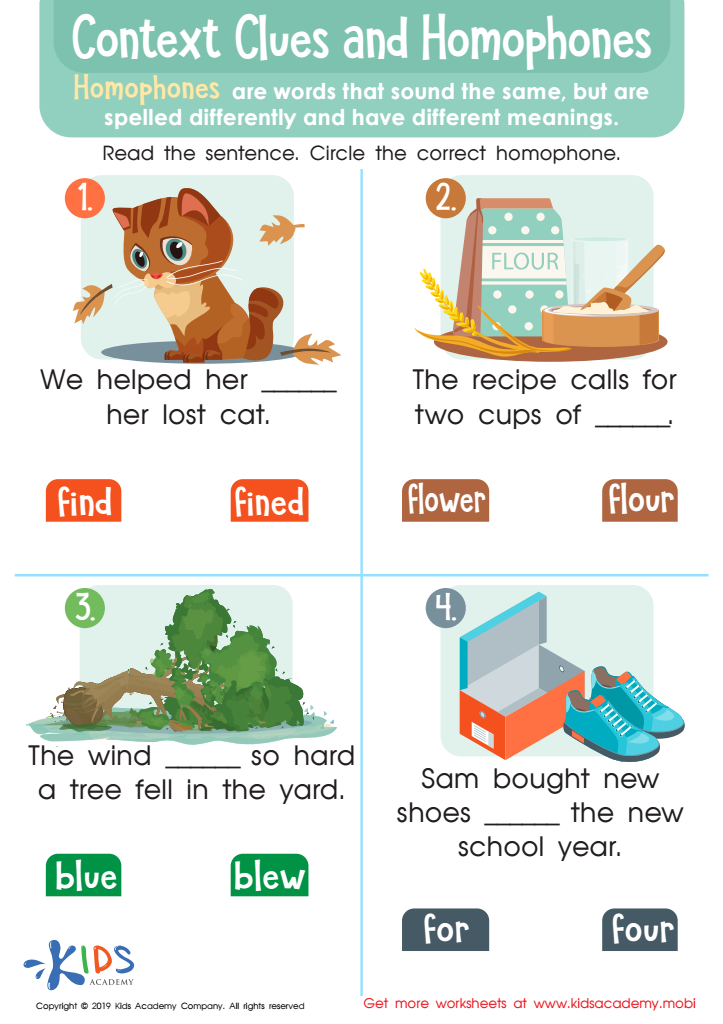
Context Clues and Homophones Worksheet
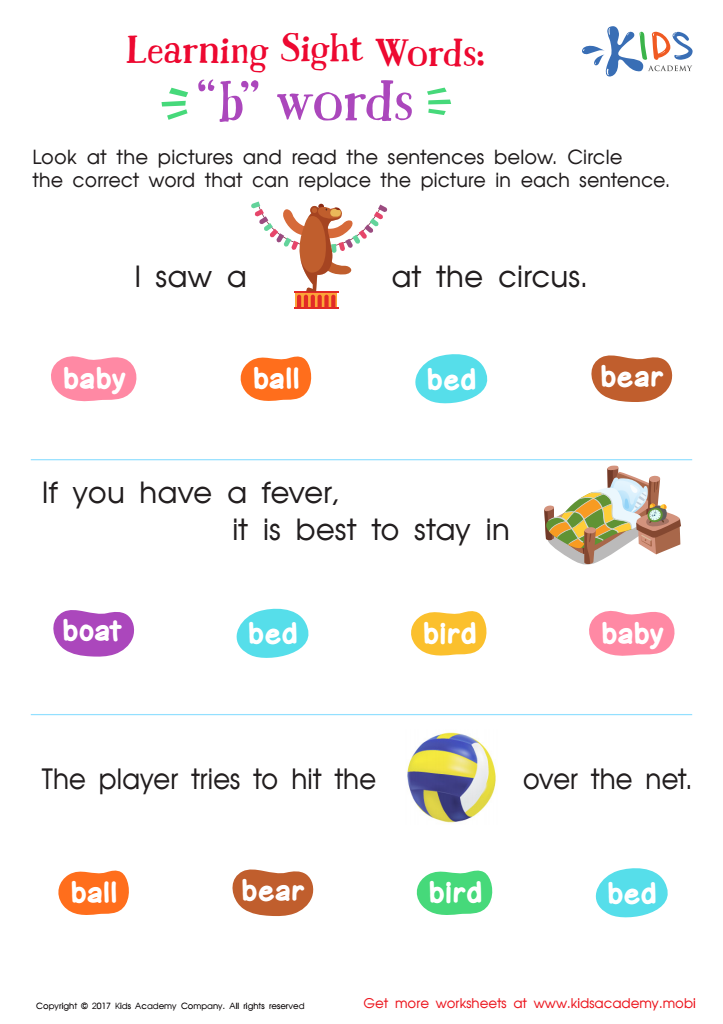
"B" Words Printable Sight Words Worksheet
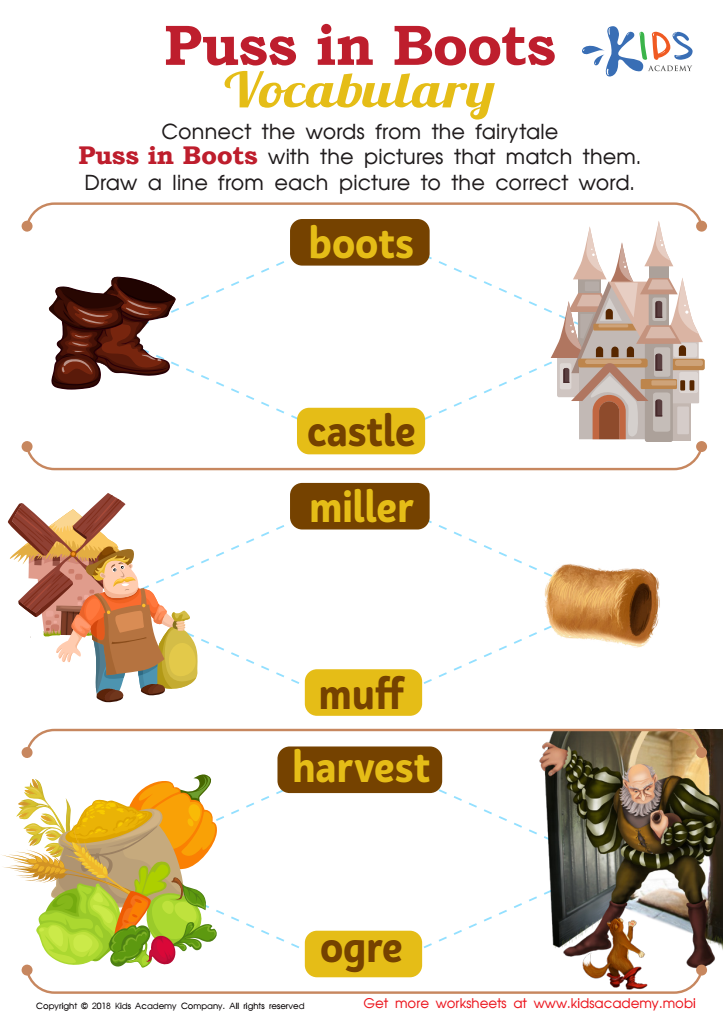
Puss in Boots Vocabulary Worksheet







Building vocabulary for children aged 6-7 is crucial for their overall development and academic success. At this age, children are transitioning from learning to read to reading to learn. A rich vocabulary enhances their comprehension, enabling them to understand and engage with more complex texts.
Additionally, vocabulary expansion boosts a child’s communication skills. When children have a diverse vocabulary, they can express their thoughts and feelings more clearly, which fosters better social interactions and relationships with peers and adults. This is vital for their confidence and self-esteem.
Furthermore, a strong vocabulary is linked to improved writing skills. As children begin to compose sentences and stories, a broad vocabulary allows for more creativity and precision in their writing, helping them articulate their ideas more effectively.
Parents and teachers play a pivotal role in vocabulary development by providing rich language experiences—reading diverse books, introducing new words in conversation, and encouraging children to ask questions. This investment in vocabulary growth not only supports literacy but also prepares children for future academic challenges and lifelong learning, demonstrating the essential need for consistent and intentional vocabulary-building practices.








