Addition Practice Reading Worksheets for Ages 6-7
8 filtered results
-
From - To
Enhance your child’s love for learning with our engaging Addition Practice Reading Worksheets designed specifically for ages 6-7. These interactive worksheets offer a fun and effective way for young learners to strengthen their addition skills while improving their reading comprehension. Each worksheet combines colorful illustrations and simple text, making math concepts relatable and enjoyable. With various exercises that encourage critical thinking and problem-solving, these resources cater to different learning styles. Perfect for home or classroom use, our Addition Practice Reading Worksheets will help kids build confidence and proficiency in math while fostering a lifelong passion for learning. Start exploring today!
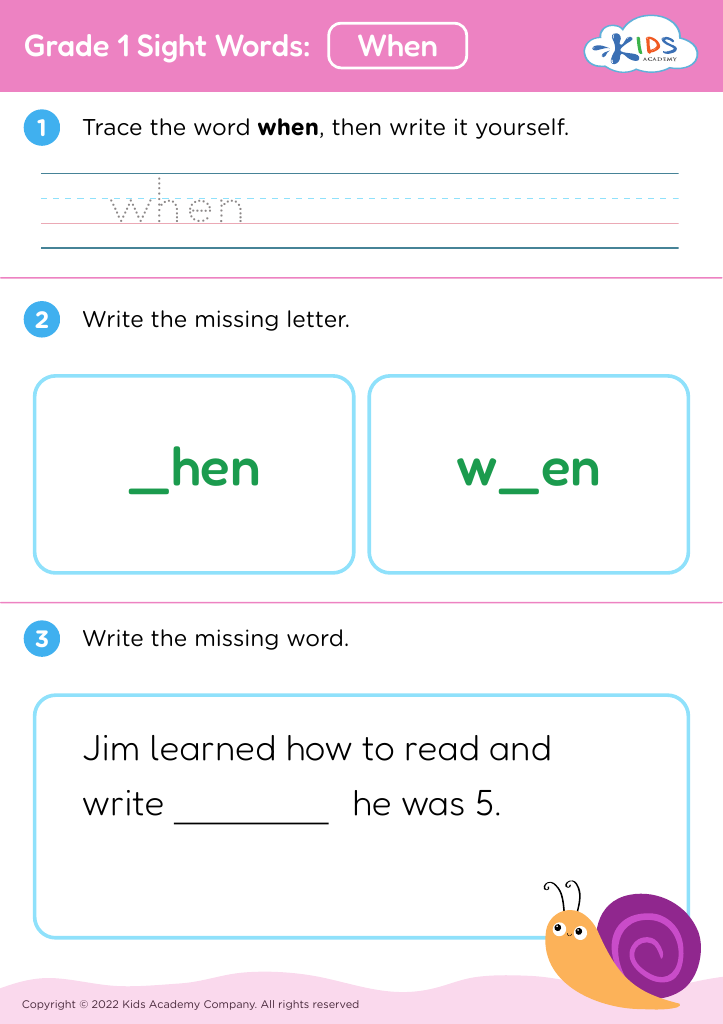
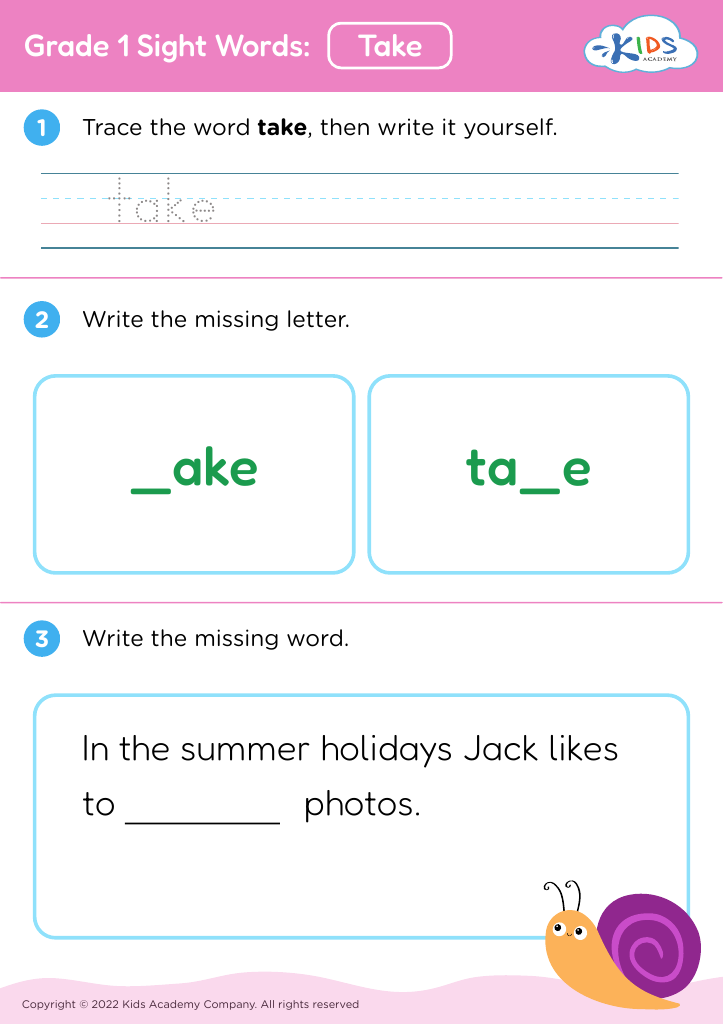
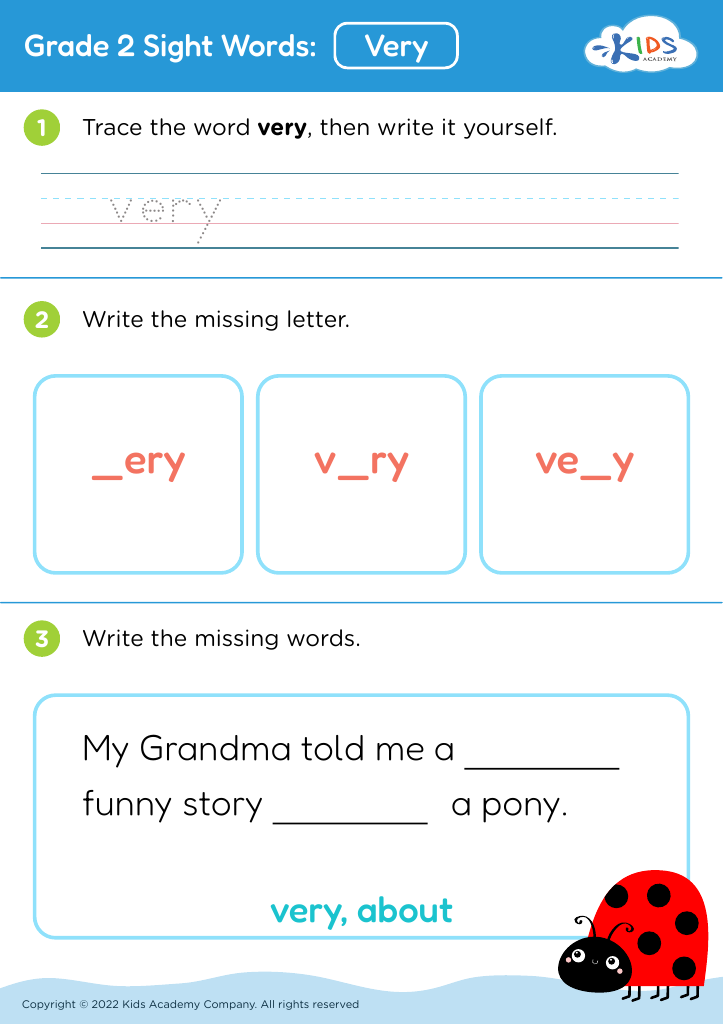
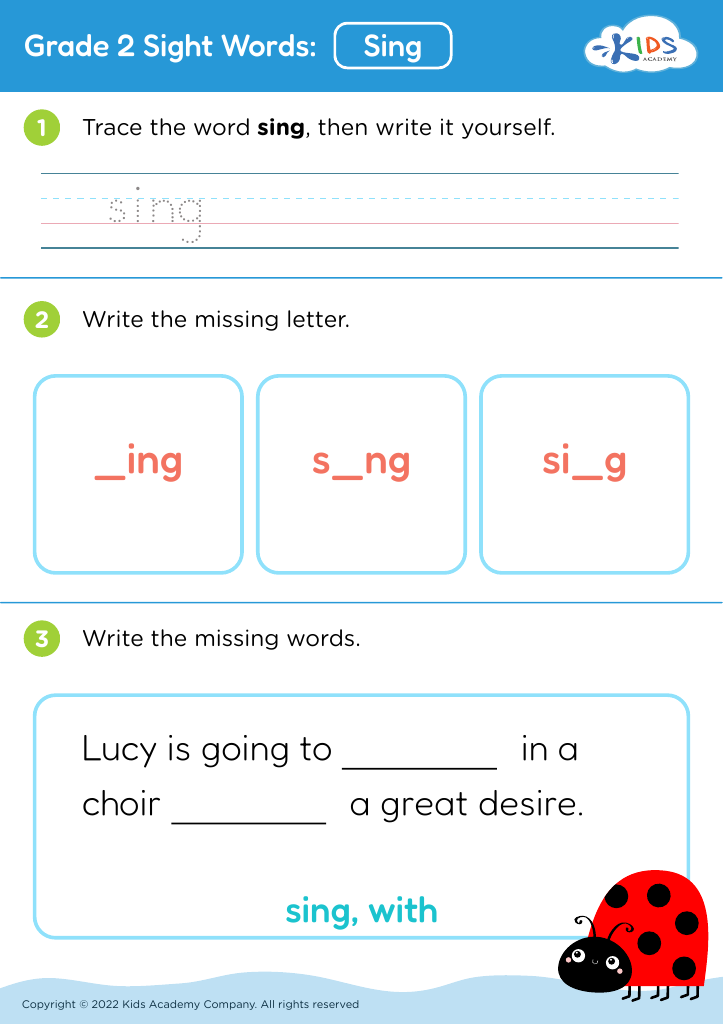
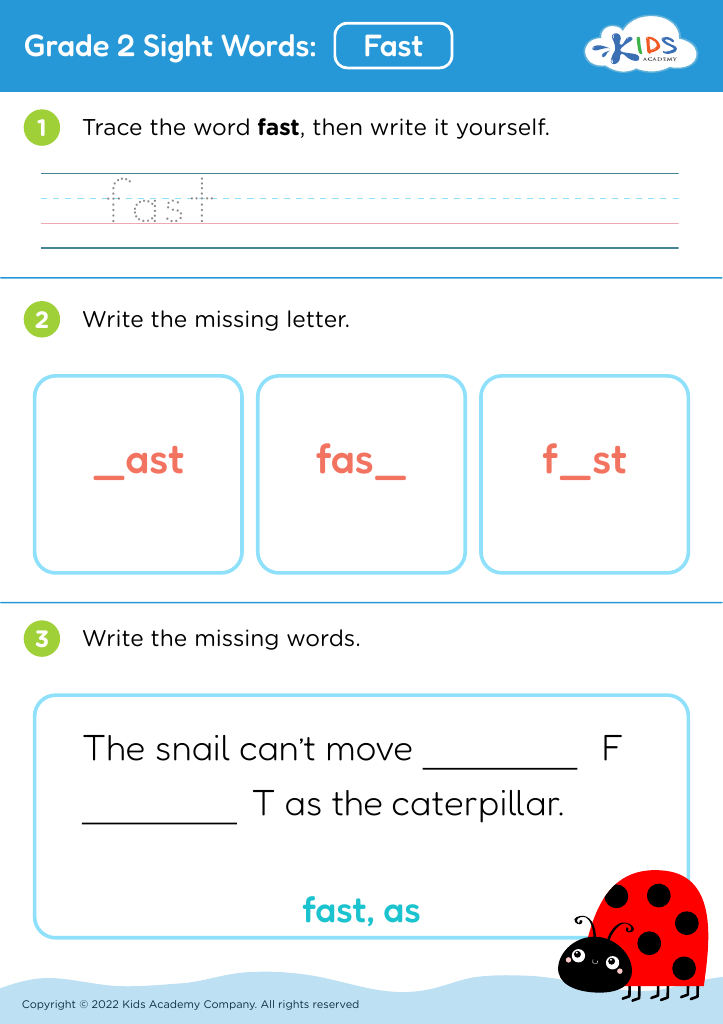
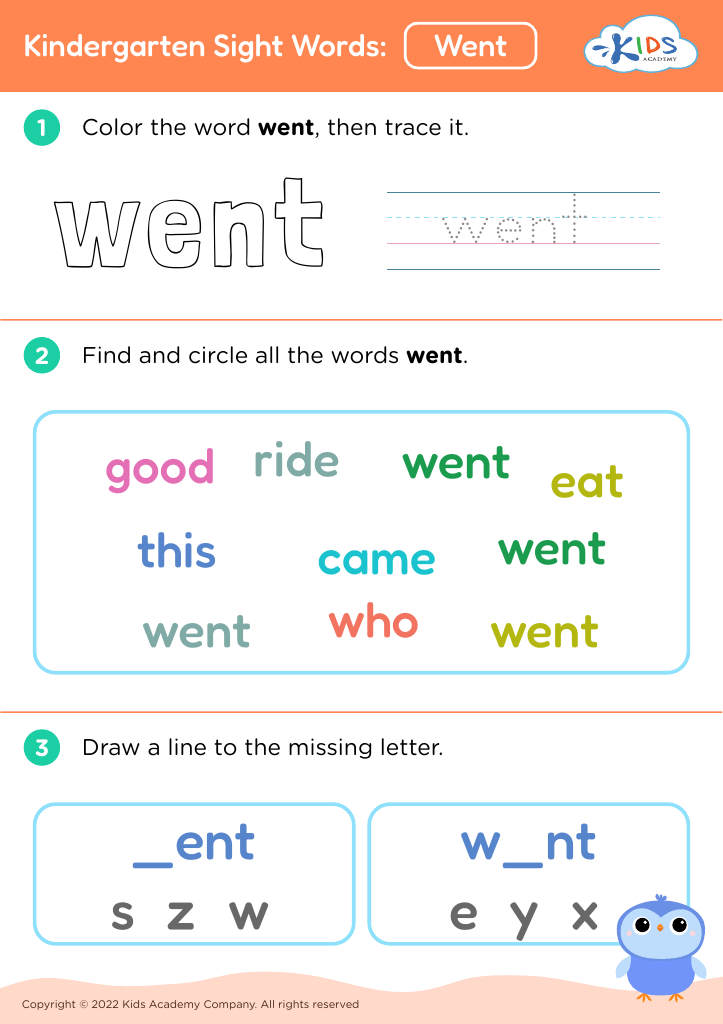
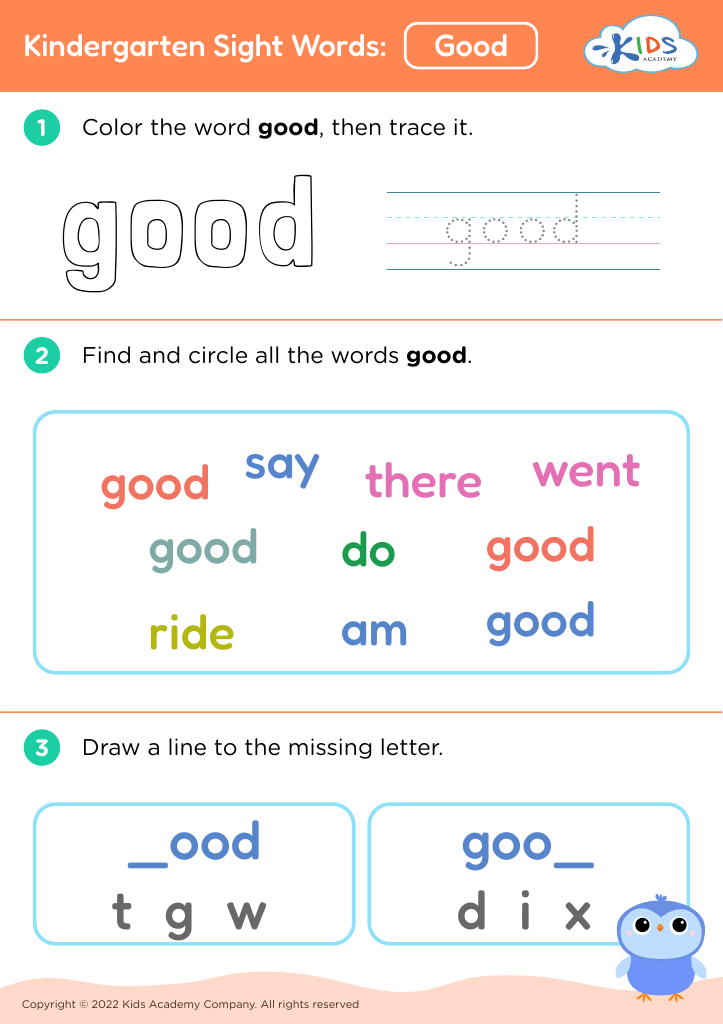
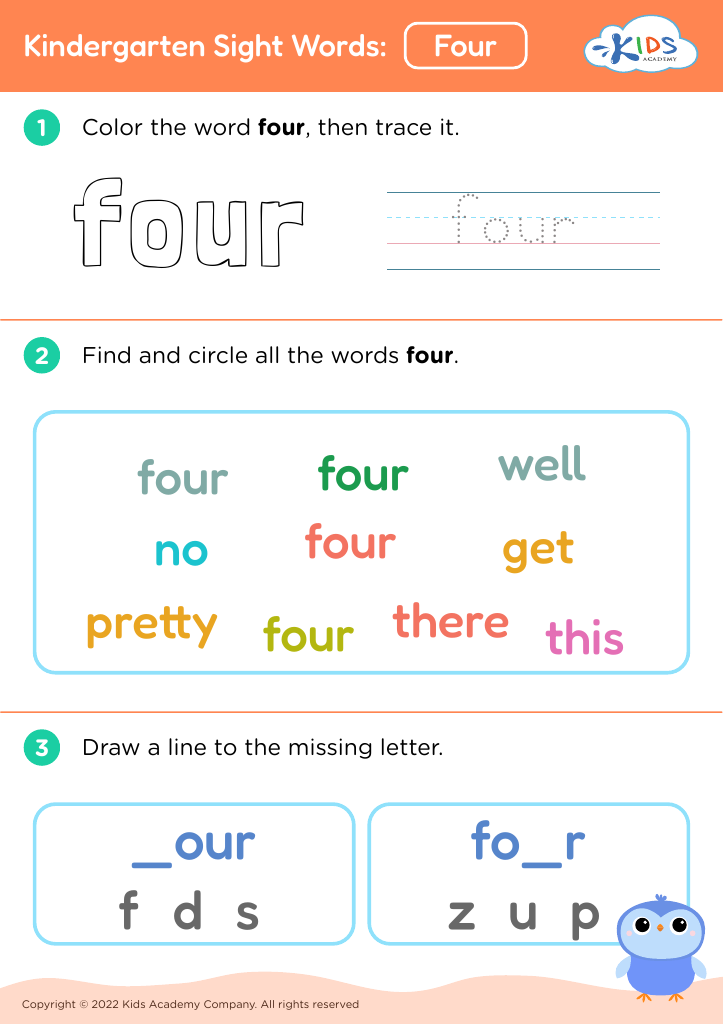








Addition practice reading for ages 6-7 is crucial for building a strong mathematical foundation in young learners. At this age, children are developing their number sense, which serves as a springboard for more advanced mathematical concepts. Engaging in addition practice helps them recognize patterns, understand relationships between numbers, and improve their problem-solving skills. Furthermore, incorporating reading into addition practice not only aids in comprehension but also enhances vocabulary and literacy skills.
Teachers and parents should prioritize these practices because they foster a holistic learning environment where math and language skills intertwine. By integrating reading with mathematical exercises, children learn to articulate their thought processes, enhancing both their reasoning and communication abilities. Furthermore, this practice promotes critical thinking as students learn to tackle word problems and understand contextual clues.
Positive reinforcement through engaging addition practice can boost a child's confidence in math, making them more willing to tackle challenges in the future. Additionally, it nurtures a lifelong love for learning while ensuring that students are adequately prepared for subsequent grade levels. Overall, effective addition practice reading is essential for cognitive development and academic success.








