Improve reading skills Reading Worksheets for Ages 6-7
11 filtered results
-
From - To
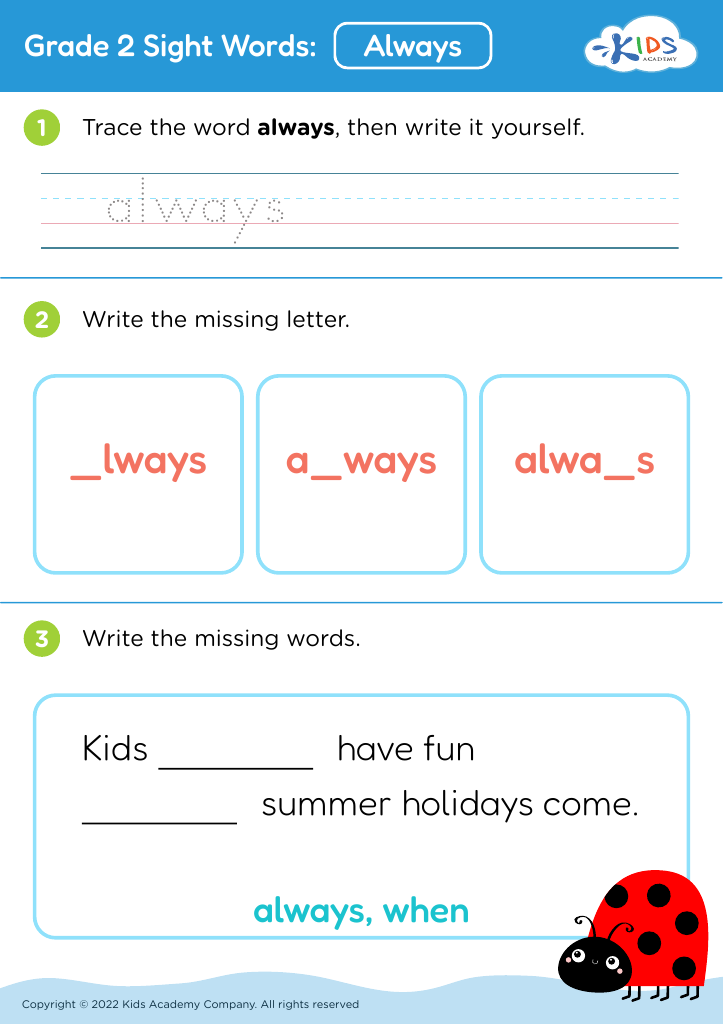
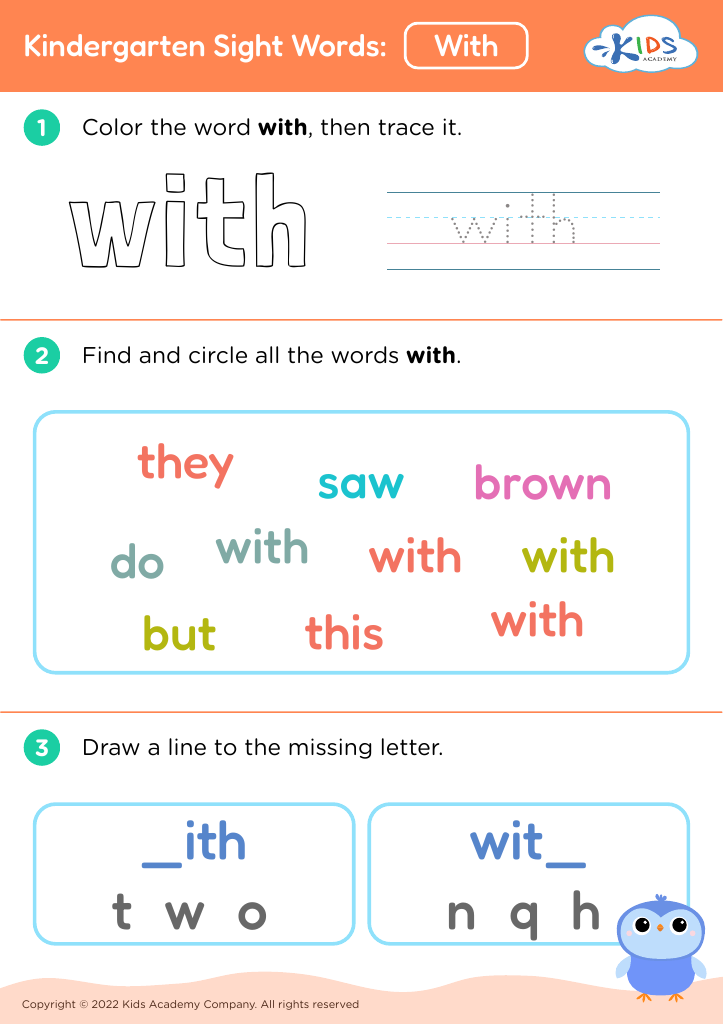
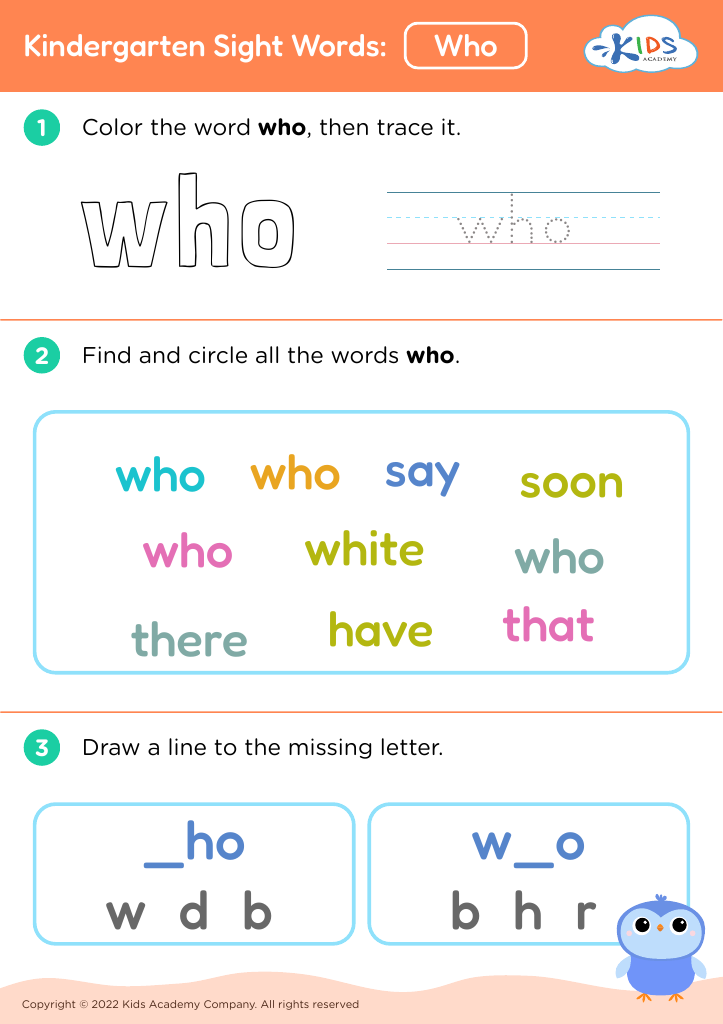
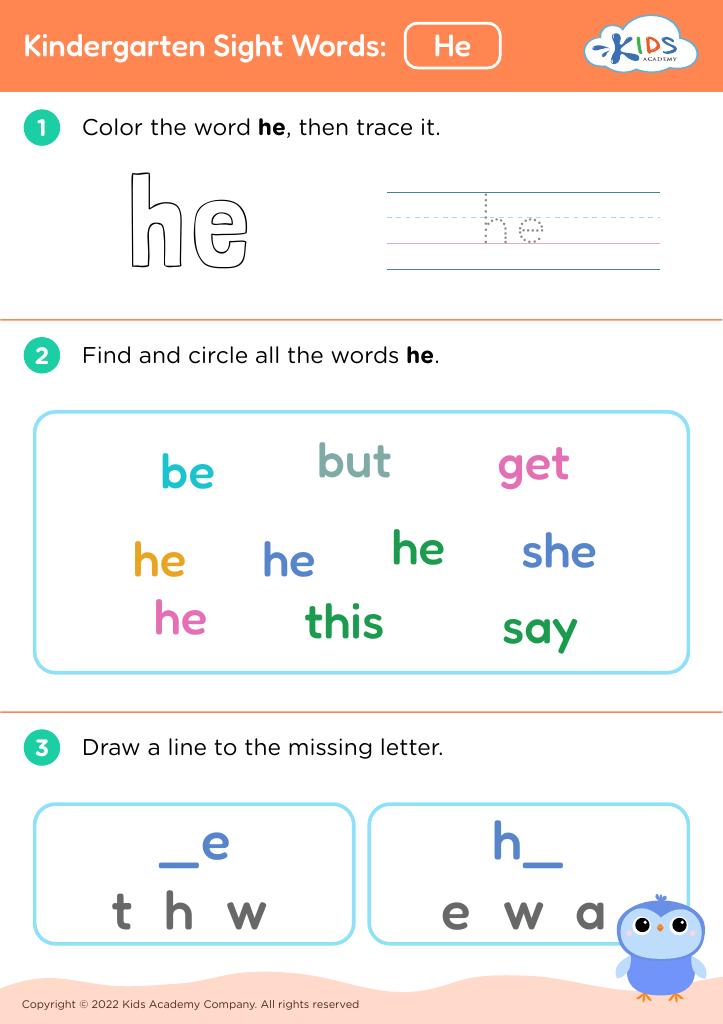
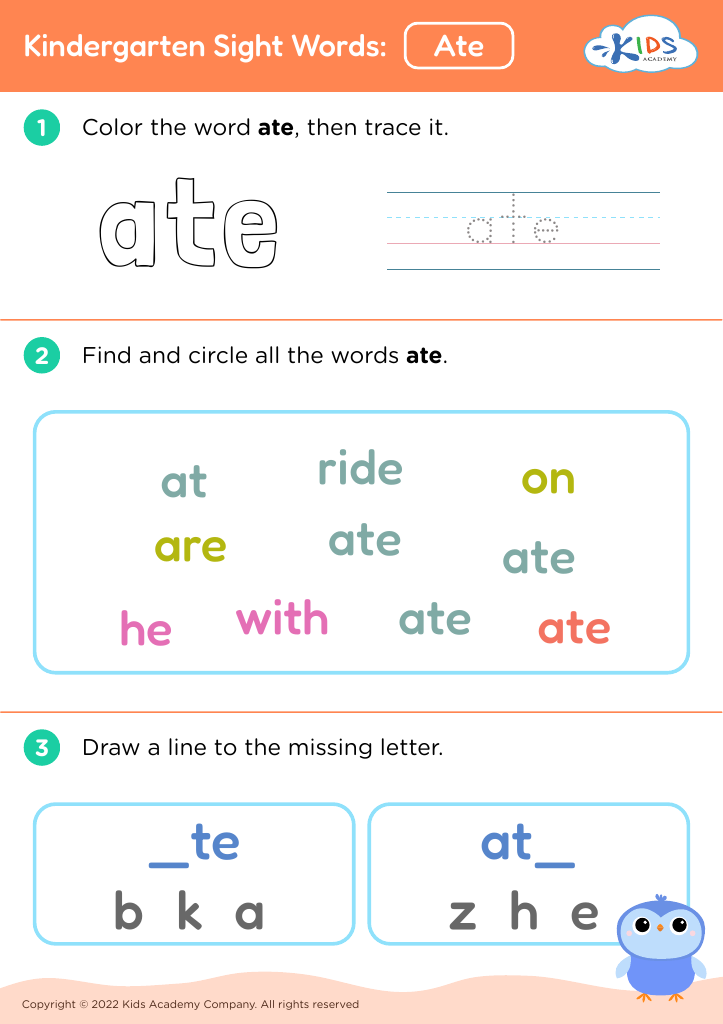
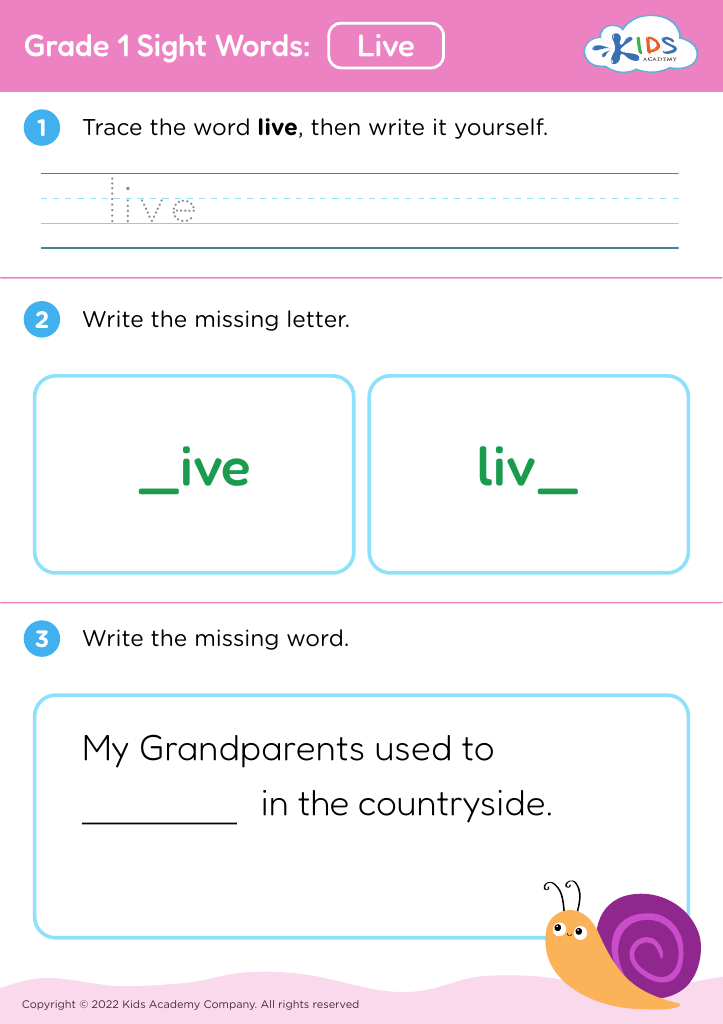
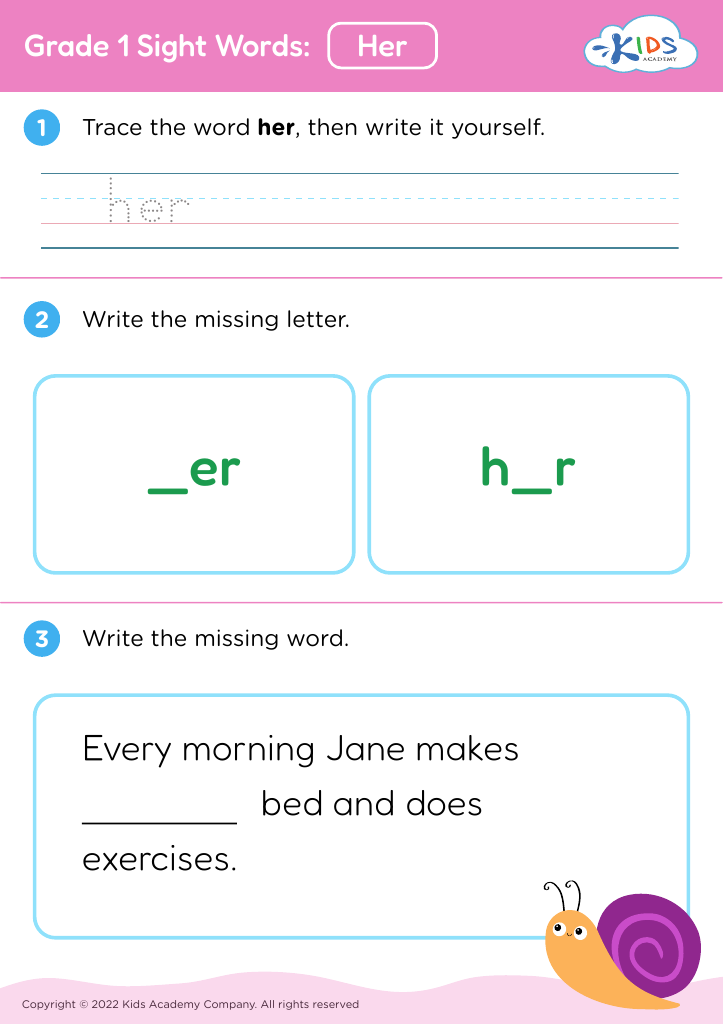
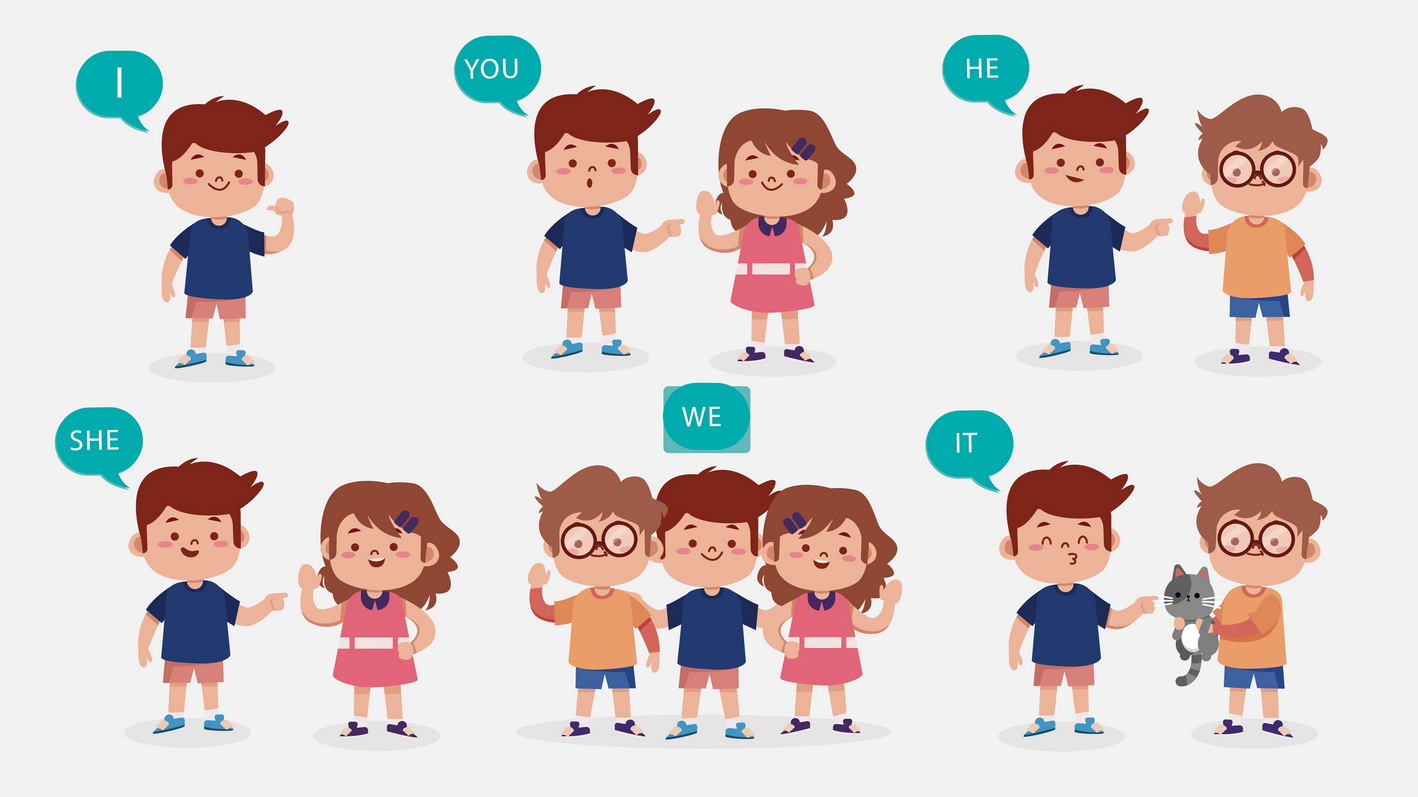
Boost your child's reading abilities with our dedicated "Improve Reading Skills" worksheets for ages 6-7. At this crucial stage, young readers are introduced to captivating stories, vocabulary exercises, and comprehension questions tailored to build confidence and proficiency. Designed by educational experts, these engaging activities help strengthen word recognition, enhance understanding, and stimulate a love for reading. Perfect for home or classroom use, these worksheets foster critical thinking and make learning fun and interactive. Empower your child to become an enthusiastic and skilled reader with our comprehensive collection of reading worksheets. Give your child a head start today!
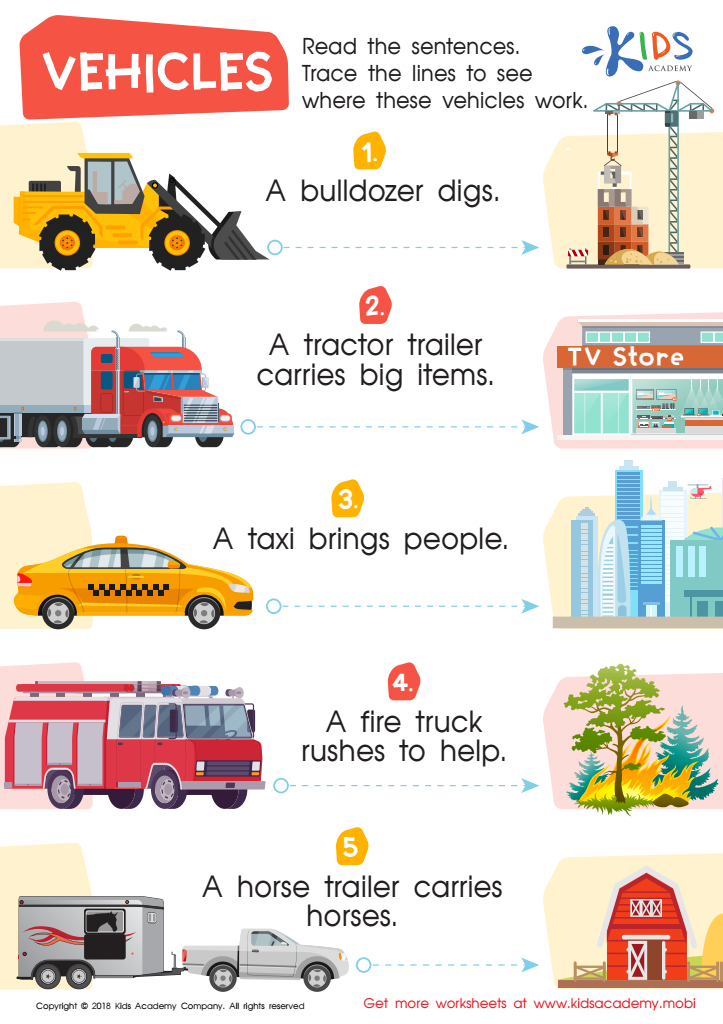
Vehicles Worksheet
 Assign to My Students
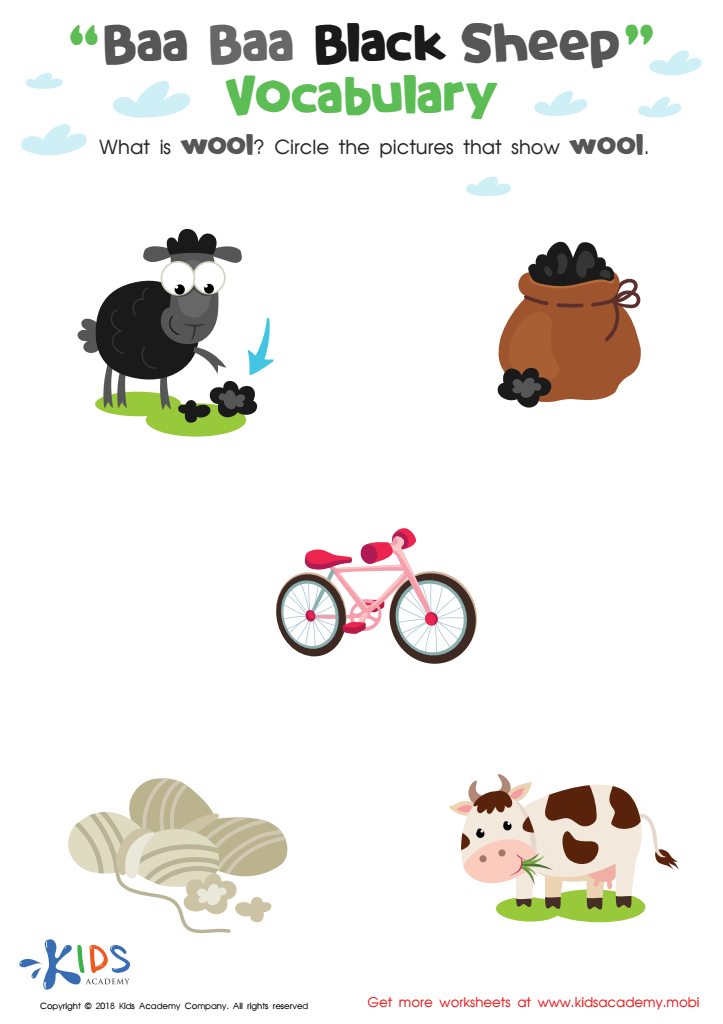
Baa Baa Black Sheep: Vocabulary Worksheet
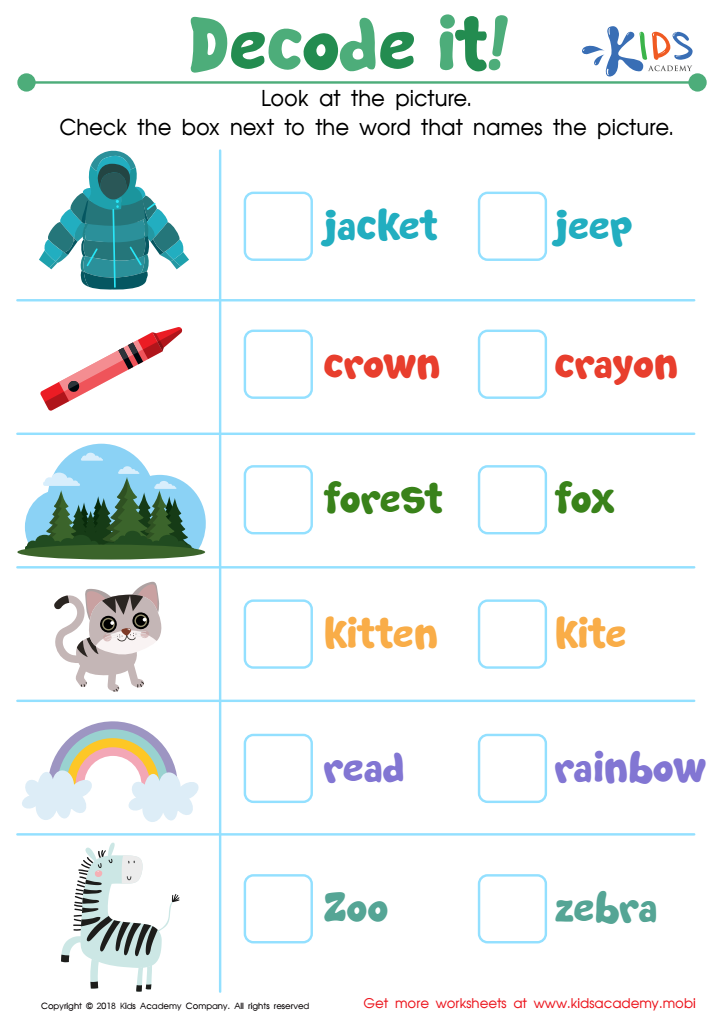
Reading: Decode It Worksheet
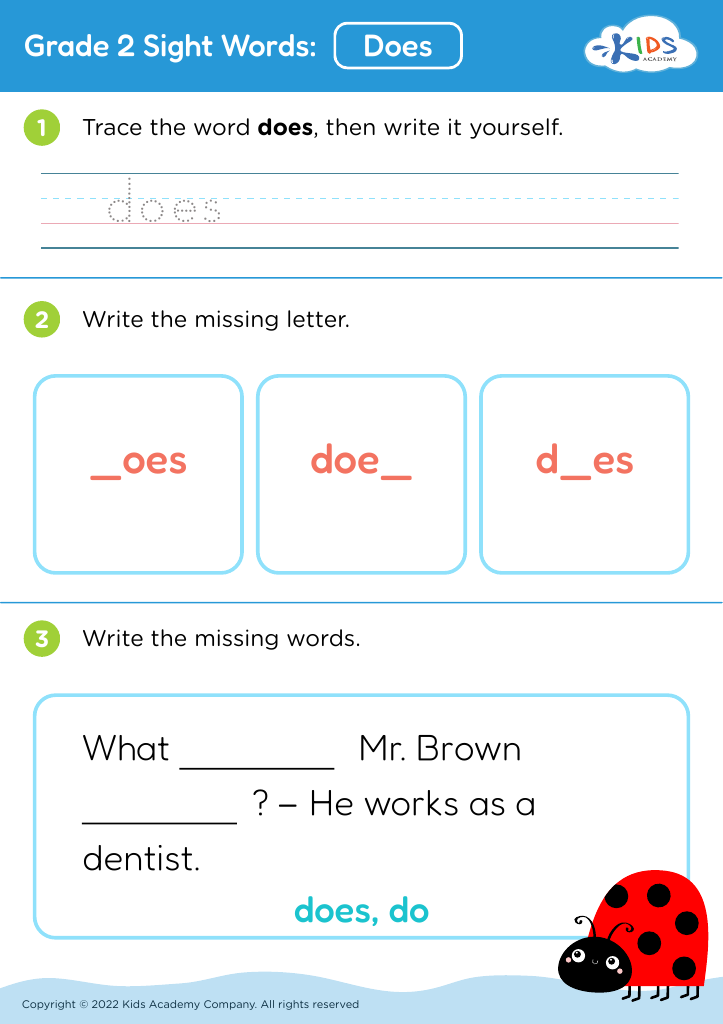






.jpg)
Ensuring children aged 6-7 improve their reading skills is vital because this age is a critical period for literacy development. During these formative years, kids transition from recognizing letters and basic words to reading sentences and simple stories. Strong reading skills lay the foundation for future academic success and cognitive development.
At this stage, proficient reading enhances vocabulary, comprehension, and critical thinking abilities, allowing children to understand and interact with texts more deeply. Strong early reading skills also boost confidence and foster a love for learning, setting a positive trajectory for future educational endeavors. Children who read well are equipped to grasp complex subjects more easily, impacting their overall academic performance positively.
Moreover, reading stimulates a child’s imagination and accelerates language acquisition, which is crucial for effective communication. Parents and teachers can support this development by engaging in shared reading, providing a variety of age-appropriate books, and encouraging regular reading habits. Interactive reading activities, such as discussing the story or asking predictive questions, can further enrich their learning experience.
To sum up, prioritizing reading skills for young children is essential as it prepares them for a successful academic journey, enriches their language abilities, and fosters a lifelong passion for reading.








