
Reading practice Reading Worksheets for Ages 6-7
6 filtered results
Difficulty Level
Grade
Age
-
From - To
Subject
Activity
Standards
Discover our engaging Reading Practice Worksheets designed specifically for children ages 6-7! These carefully crafted resources aim to enhance reading skills through fun and interactive activities. Our worksheets cover essential topics such as phonics, vocabulary building, and comprehension, catering to beginner readers. Each activity promotes confidence and fluency while making learning enjoyable. Ideal for homes or classrooms, our worksheets are printable and easy to use, allowing kids to practice independently or with guidance. Help your child develop a lifelong love for reading with our stimulating materials, encouraging curiosity and imagination every step of the way. Get started today!
Favorites
With answer key
Interactive
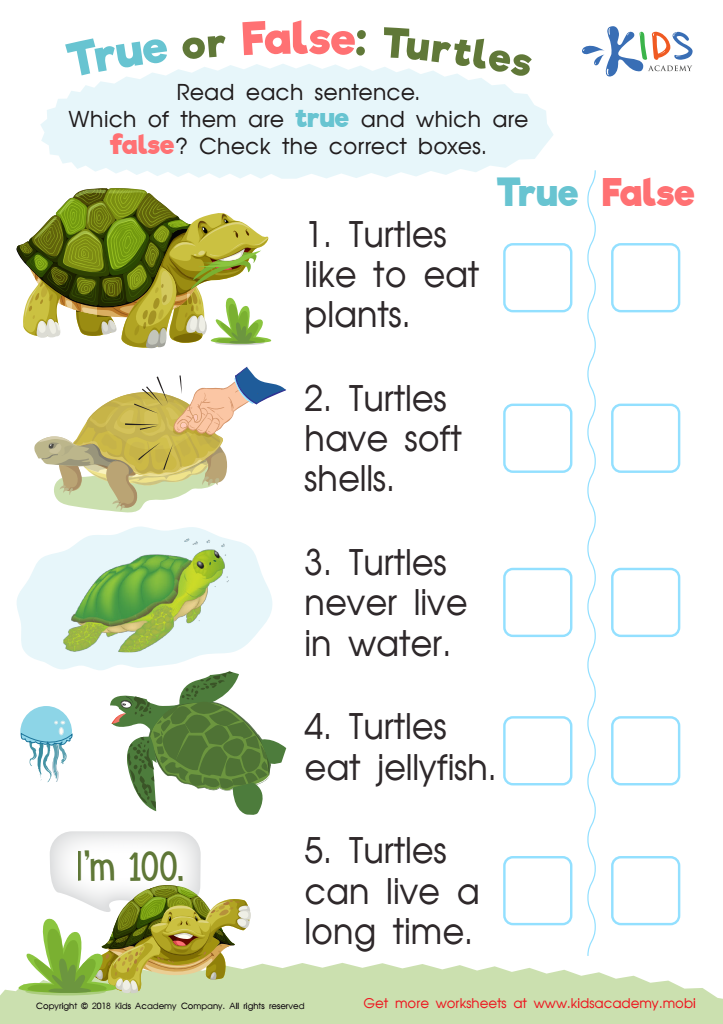
True or False: Turtles Worksheet
Print this free downloadable worksheet to strengthen your child's reading comprehension. Assist them to read each sentence and recall facts about turtles. Check true or false for each statement to verify their knowledge. Perfect for early learners!
True or False: Turtles Worksheet
Worksheet
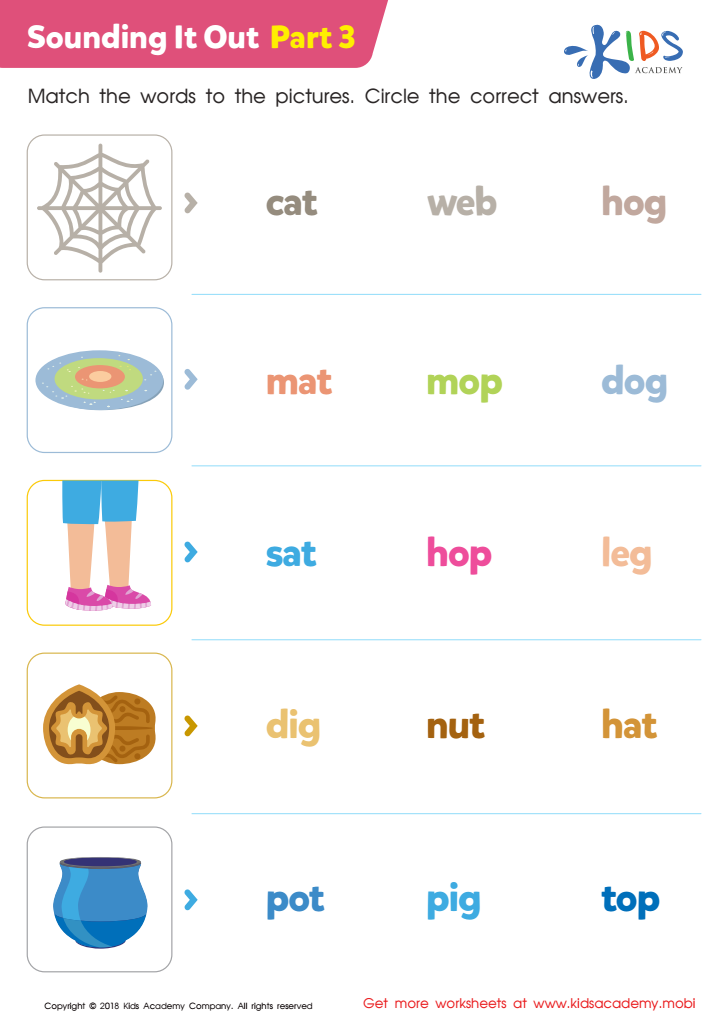
Sounding it Out: Part 3 Worksheet
Once Parts 1 and 2 are complete, this printable phonics worksheet will help kids take their reading skills to the next level! As they gain confidence, give them hints less often and direct their attention to three words in a row. Ask them to read and circle the correct word to complete!
Sounding it Out: Part 3 Worksheet
Worksheet
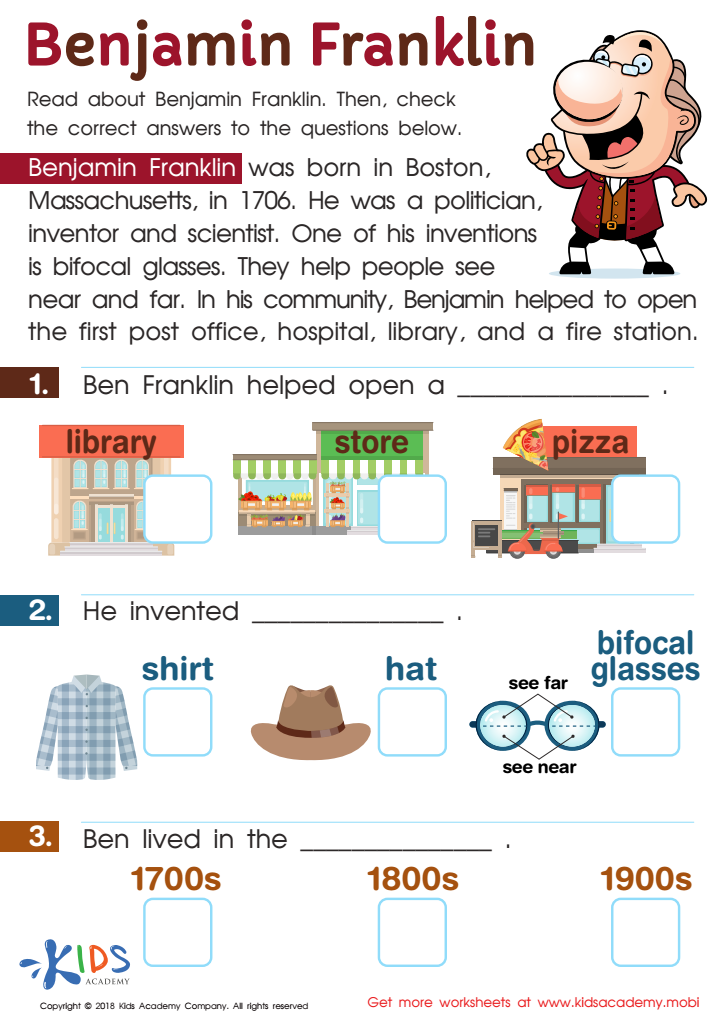
Benjamin Franklin Worksheet
Introduce your kids to one of history's most important figures - Benjamin Franklin! Tell them all about his remarkable contributions to the world and then use this worksheet to teach them even more. Read the text to them and check their answers against the questions afterwards.
Benjamin Franklin Worksheet
Worksheet
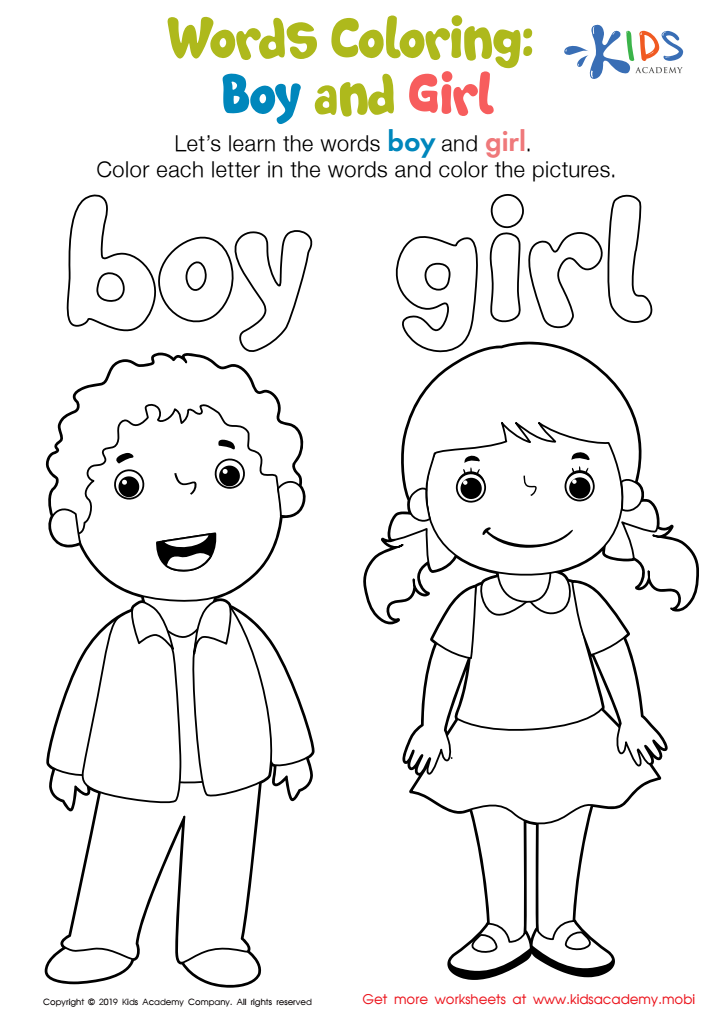
Boy and Girl Words Coloring Worksheet
Help your students build their sight word vocabulary! Early readers may not be able to sound out all words, so this worksheet teaches them to read two important sight words: boy and girl. They will color the letters and a picture of each, making it a fun and educational way to learn. Download the PDF now.
Download (PDF)
 Assign to My Students
Assign to My Students
Boy and Girl Words Coloring Worksheet
Worksheet
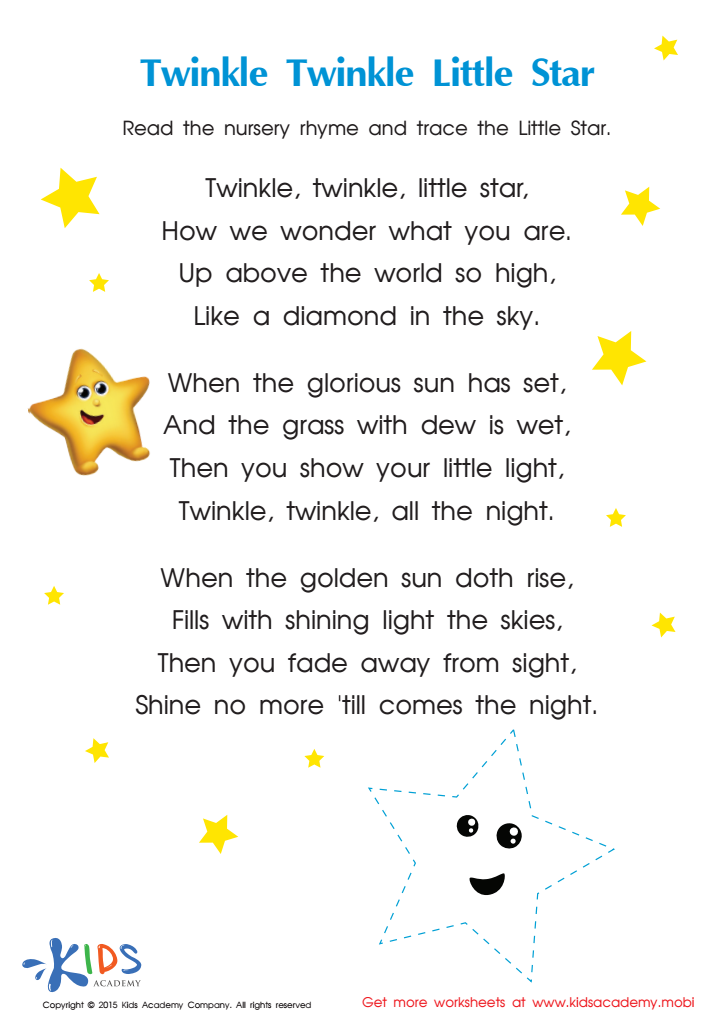
Nursery Rhymes: Twinkle Little Star Worksheet
Introduce your kindergartener to nursery rhymes using this printable worksheet. Sing Twinkle Little Star with your child and incorporate some simple actions. Even as a lullaby, it's a great way to teach letters and counting - have your child find and count all the letter 'S's in the song. For extra fun, try the Twinkle Little Star coloring page.
Nursery Rhymes: Twinkle Little Star Worksheet
Worksheet
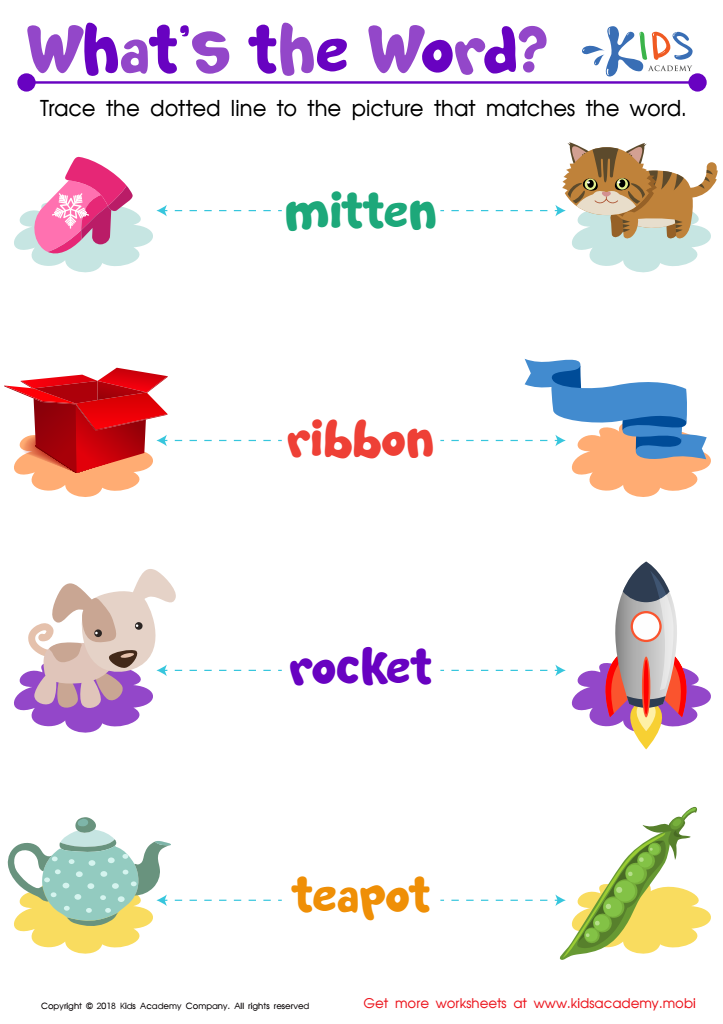
Reading: What's Word Worksheet
Teaching reading? This worksheet can help! Students read the word and draw a line to the picture for clues if needed. This will boost their vocabulary and fluency, increasing confidence and reading skills. Watch their progress as new words are added!
Reading: What's Word Worksheet
Worksheet
Join Kids Academy for Free
Who is primarily going to use this learning content?




.jpg)



Parents and teachers play a crucial role in fostering a love of reading in children aged 6-7, a key developmental stage for literacy skills. At this age, children are transitioning from learning to read to reading to learn, making reading practice essential for their cognitive and linguistic growth. Engaging in regular reading practice helps improve vocabulary, comprehension, and critical thinking skills, which are foundational for academic success.
Moreover, reading opens doors to diverse experiences and ideas, fostering empathy and understanding in young minds. It strengthens their ability to focus and promotes imagination, allowing them to explore various genres and storytelling methods. For parents and teachers, being actively involved in this process can create shared experiences, enhancing relationships through discussions about stories and characters.
Furthermore, consistent reading promotes a positive attitude toward learning, encouraging independent reading habits that last a lifetime. As children become more confident readers, they are likely to engage more in classroom discussions and develop a love for learning that extends beyond literacy.
Therefore, both parents and teachers should prioritize reading practice to nurture well-rounded, literate children who are better prepared for academic challenges and lifelong learning. Engaging early readers fosters a critical love for reading that has lasting benefits.








