Understanding context Reading Worksheets for Ages 6-7
6 filtered results
-
From - To
Unlock the power of reading comprehension with our "Understanding Context Reading Worksheets" designed specifically for kids aged 6-7. These engaging worksheets help young learners develop essential skills by teaching them to derive meaning from context clues within sentences and stories. Our resources feature colorful illustrations and age-appropriate content that make learning fun and interactive. Each worksheet is crafted to challenge and nurture your child's reading abilities, fostering critical thinking and vocabulary development. Explore our collection today and equip your child with the tools they need to become confident readers, while enjoying the process of discovering new ideas and words!
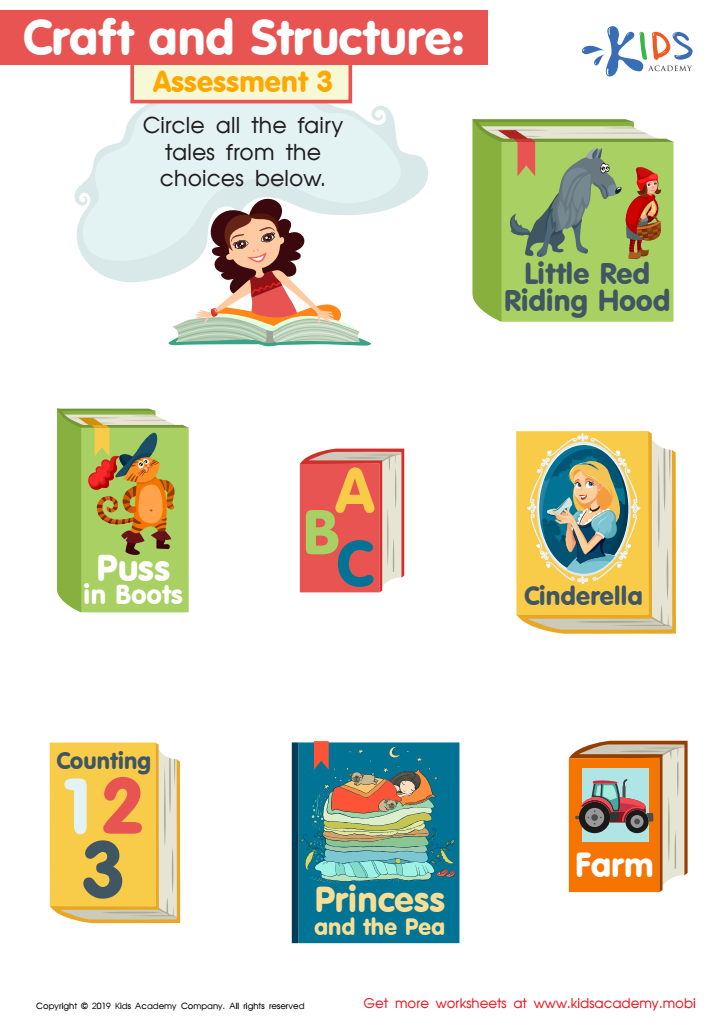
Craft and Structure: Assessment 3 Worksheet
 Assign to My Students
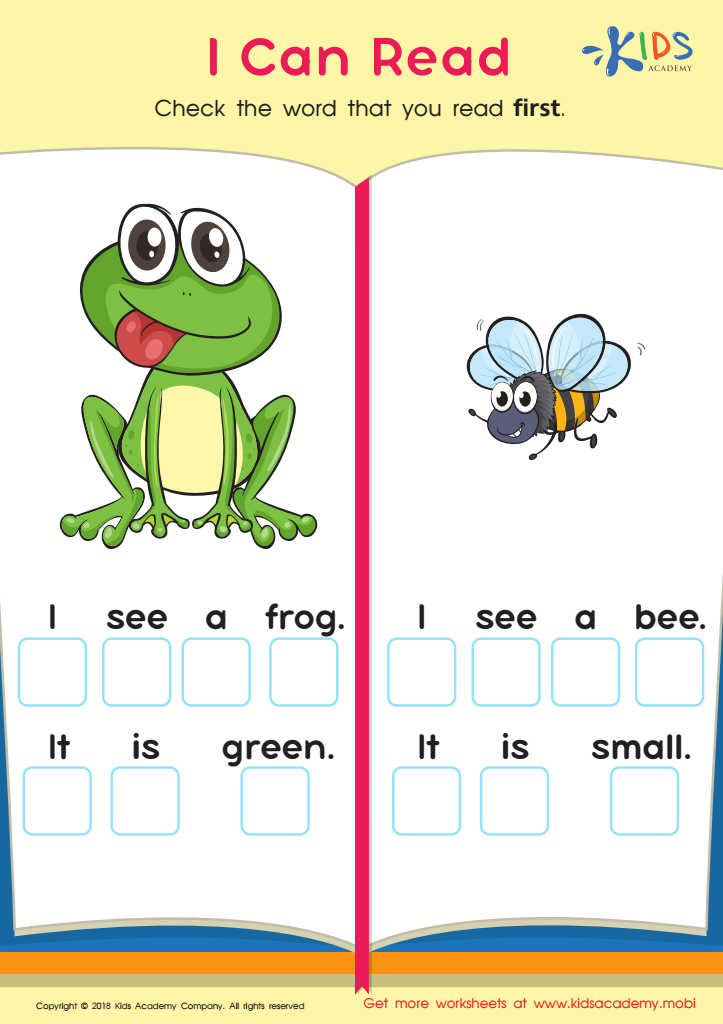
I Can Read Worksheet
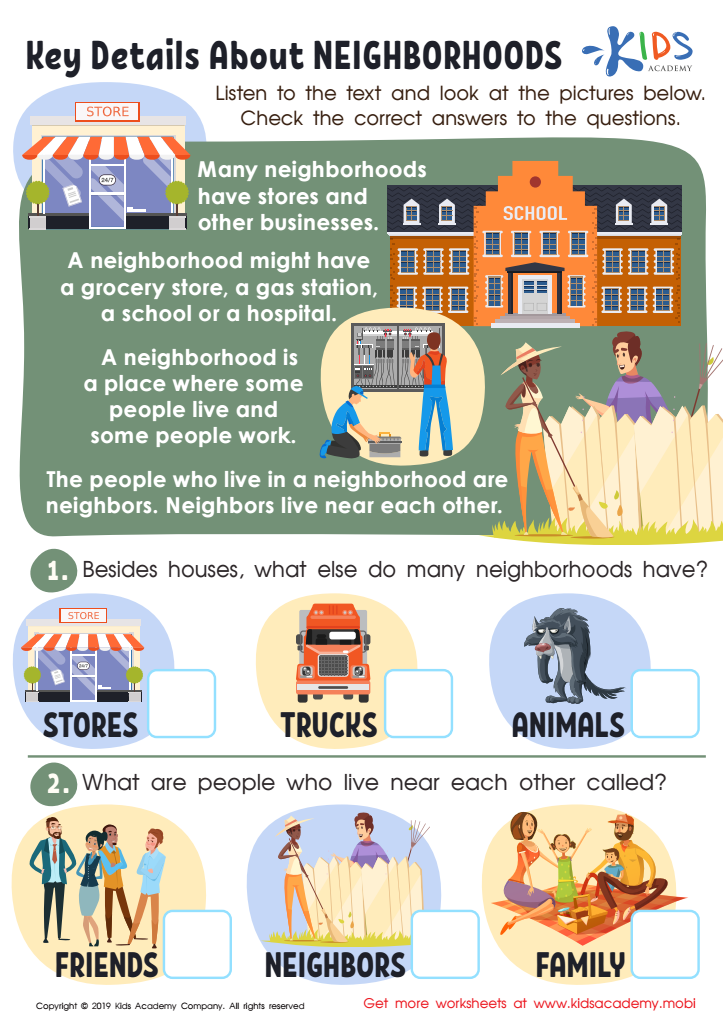
Key Details Neighborhoods Worksheet
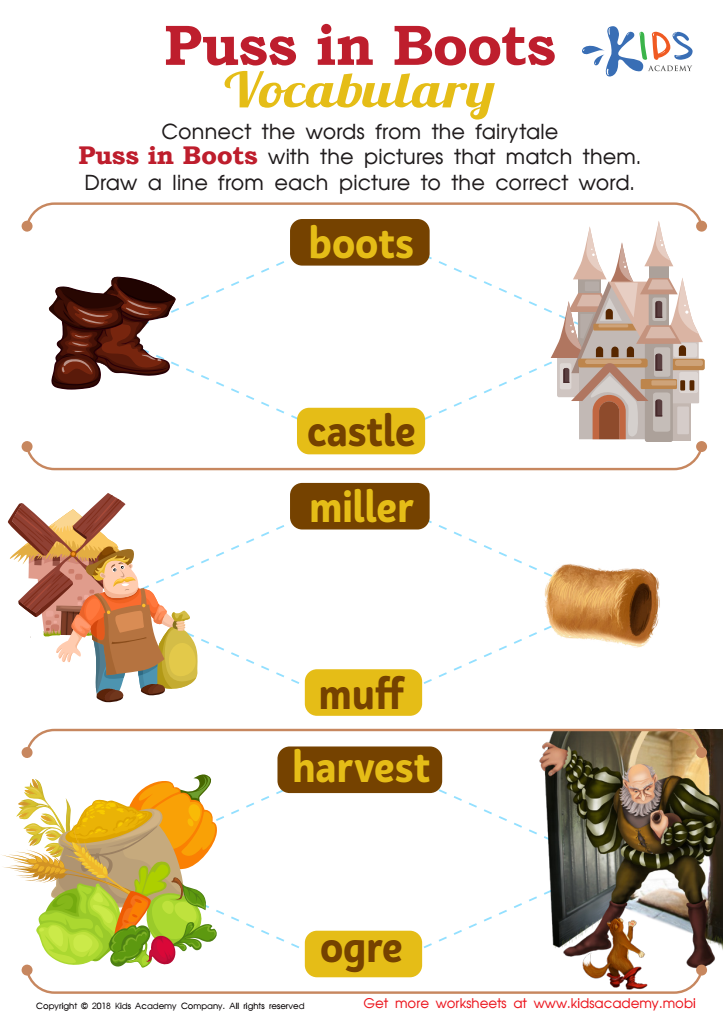
Puss in Boots Vocabulary Worksheet
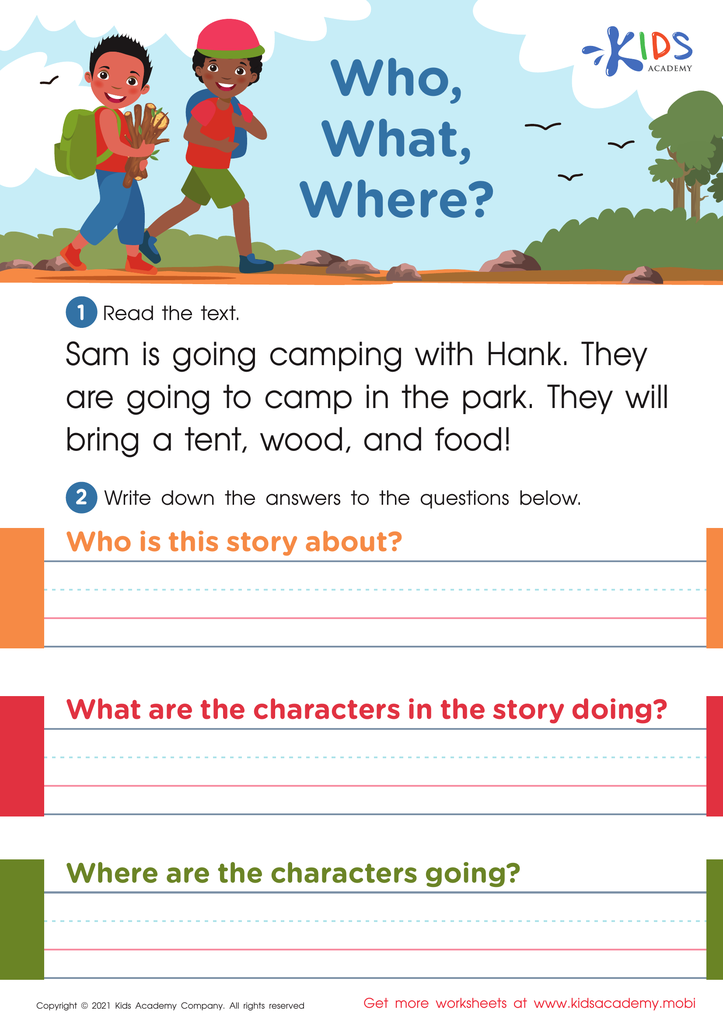
Who, What, Where? Worksheet
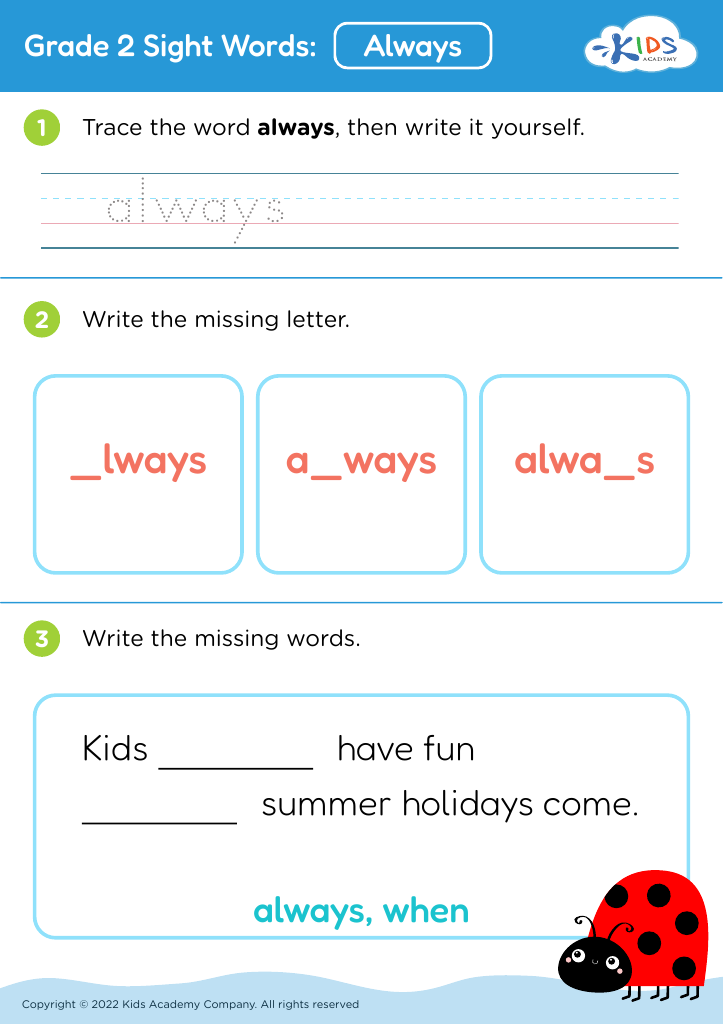




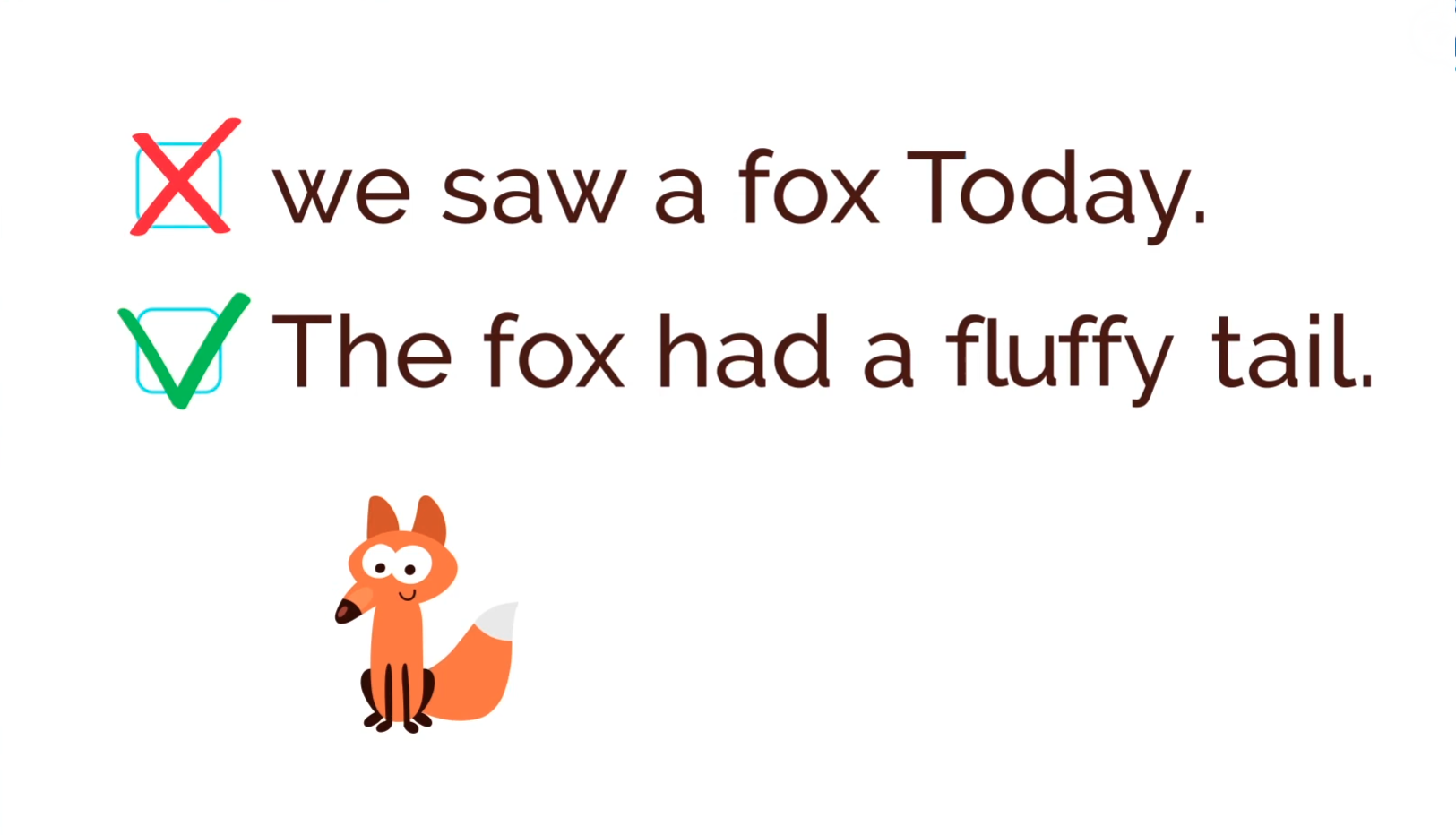


Understanding context in reading is crucial for children aged 6-7 as it significantly enhances their comprehension skills, which are foundational for overall literacy development. At this age, children are transitioning from learning to read to reading to learn. They encounter various texts that need context clues to grasp meanings fully. When parents and teachers emphasize context, they empower children to deduce unknown words, grasp storylines, and interpret characters' motivations.
Contextual knowledge aids in connecting personal experiences with the material, promoting critical thinking and deeper engagement. For example, when a child understands the setting or cultural background of a story, they can relate more personally while building empathy and social understanding.
Additionally, context-driven reading supports vocabulary expansion. As children learn new words through contextual clues rather than rote memorization, their ability to recall and use these words effectively improves. This approach also fosters collaborative discussions about texts, encouraging communication skills.
By investing time in helping young readers understand context, parents and teachers enable them to become confident, fluent readers. They cultivate not just academic skills but also a lifelong love for reading, setting the stage for future learning adventures.








