
Understanding multiplication Reading Worksheets for Ages 6-7
3 filtered results
Difficulty Level
Grade
Age
-
From - To
Subject
Activity
Standards
Unlock the world of multiplication for young learners with our "Understanding Multiplication" reading worksheets designed for ages 6-7. These engaging resources help children grasp foundational math concepts through interactive reading exercises and relatable contexts. By combining literacy and numeracy skills, students will enhance their comprehension while gaining confidence in multiplication. Our worksheets feature colorful illustrations and age-appropriate language, making learning fun and accessible. Perfect for classroom activities or at-home practice, these materials ensure a comprehensive understanding of multiplication, setting the stage for future academic success. Explore our collection and watch your child's skills blossom!
Favorites
With answer key
Interactive
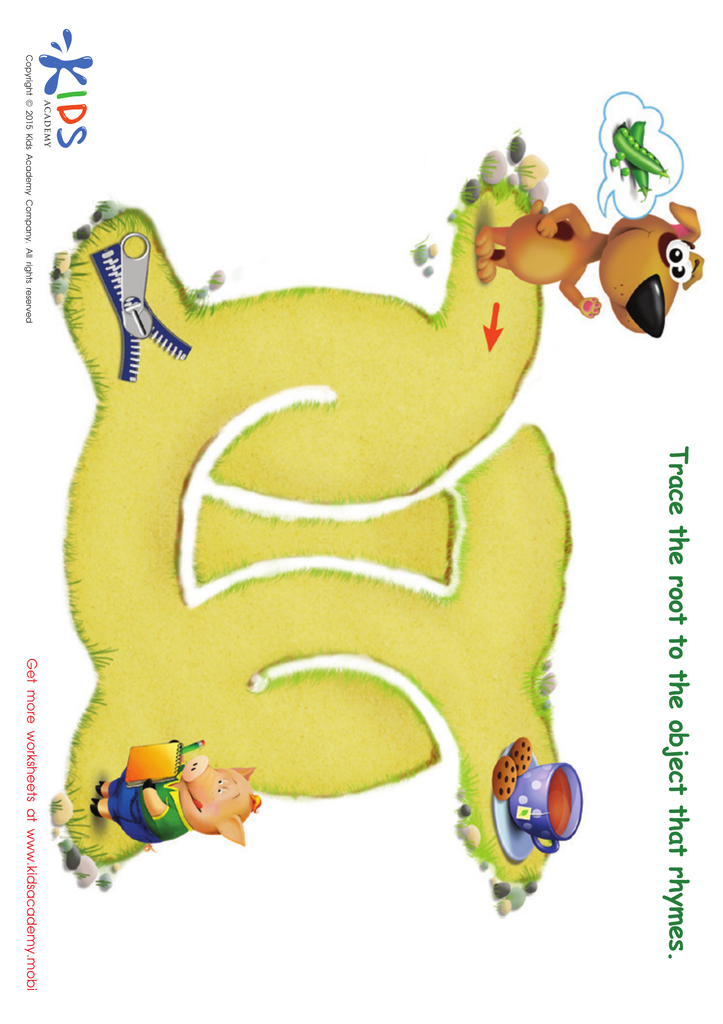
Pea Rhyming Words Worksheet
Check out our free printable worksheet that helps kids learn new words through rhyming. Your child needs to trace the root between the rhyming words and remember them better. Enjoy learning!
Pea Rhyming Words Worksheet
Worksheet
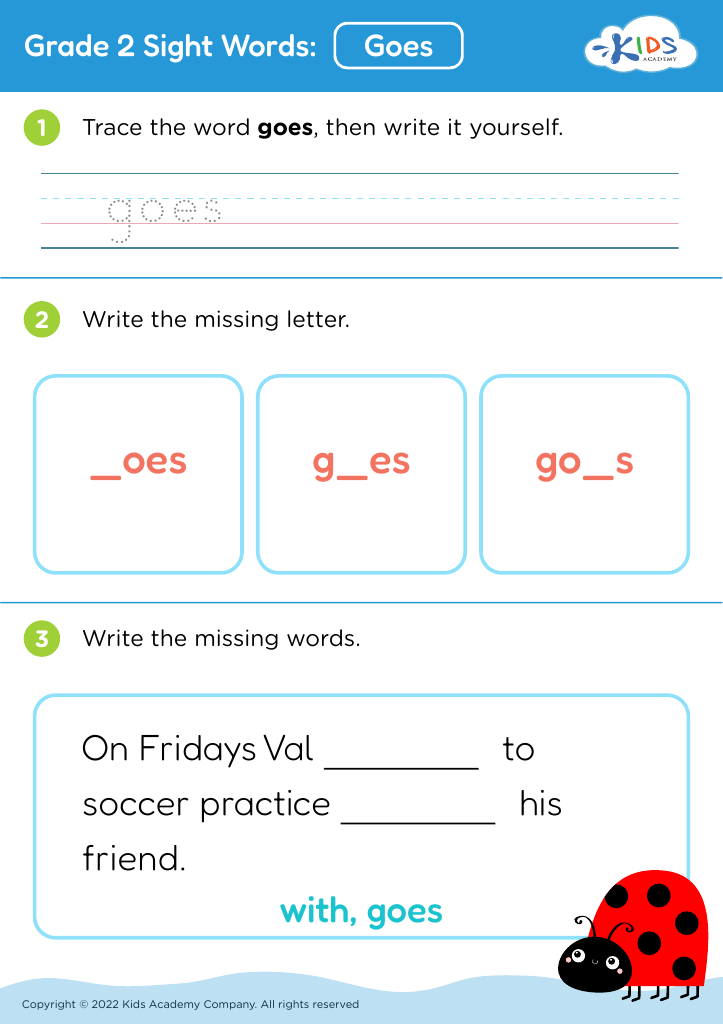
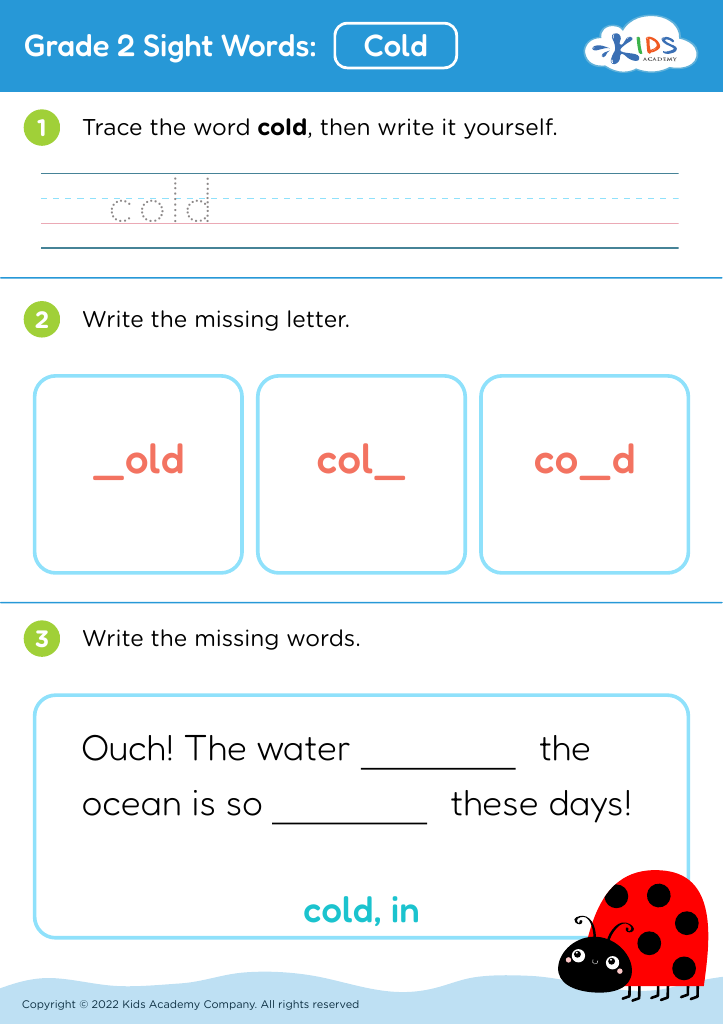
Join Kids Academy for Free
Who is primarily going to use this learning content?







Understanding multiplication in early education is crucial for children aged 6-7 because it lays the foundation for their future mathematical skills and cognitive development. At this age, children begin to grasp the concept of grouping and repeated addition, which are fundamental aspects of multiplication. This understanding aids in developing problem-solving skills, critical thinking, and logical reasoning.
Moreover, multiplication skills are vital for everyday life and support tasks often encountered in real-world scenarios, like calculating costs, measuring ingredients for recipes, or managing time effectively. Encouraging a positive attitude toward math during this developmental stage can help prevent math anxiety in the future.
Teachers and parents play a significant role in fostering this understanding. They can introduce engaging learning activities, such as interactive games and practical applications, that make multiplication relatable and enjoyable. Additionally, acknowledging and celebrating progress in learning can boost a child’s confidence and motivation.
Ultimately, a strong foundational understanding of multiplication will equip children with essential tools for advanced math concepts, promoting academic success and lifelong learning. Prioritizing this comprehension during the ages of 6 to 7 promotes a solid mathematical framework that identifies a child's future education trajectory.








