Analytical thinking Reading Comprehension Worksheets for Ages 6-7
4 filtered results
-
From - To
Discover our engaging Analytical Thinking Reading Comprehension Worksheets, designed specifically for children ages 6-7! These worksheets help young learners develop essential analytical skills while enhancing their reading comprehension abilities. With a variety of fun and interactive activities, children will analyze texts, draw conclusions, and make connections to reinforce understanding. Each worksheet is tailored to challenge their critical thinking and encourage mindfulness in reading. Ideal for classroom or at-home practice, these resources empower students to think deeply about what they read, incorporating colorful illustrations and age-appropriate topics. Foster your child's analytical skills today for a bright future in learning!
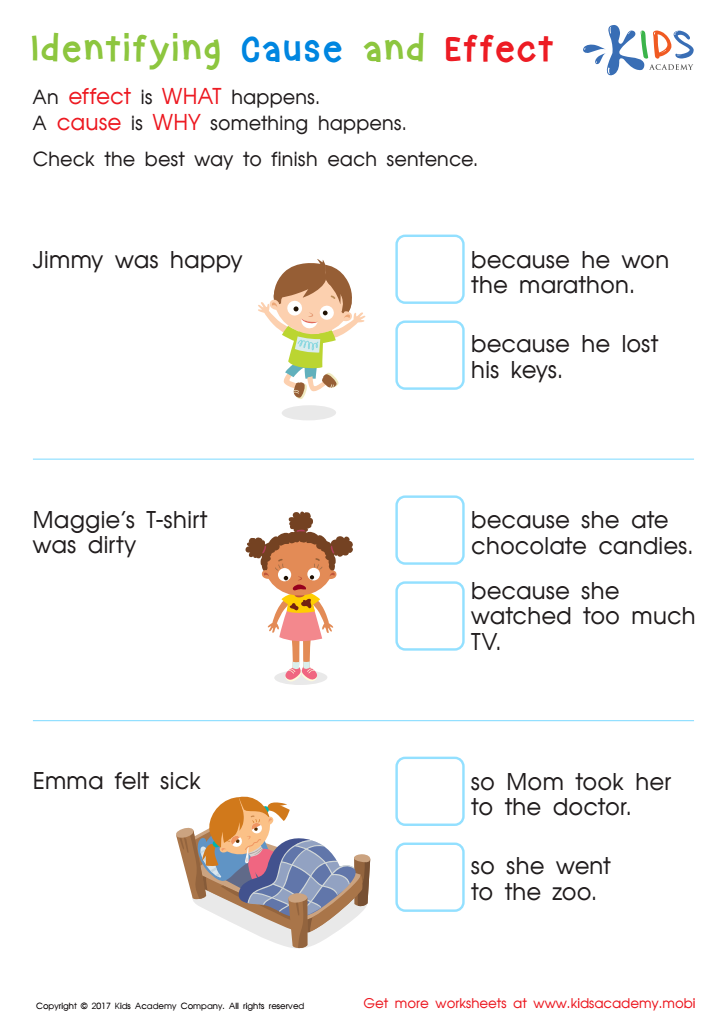
Indentifying Cause and Effect Worksheet
 Assign to My Students
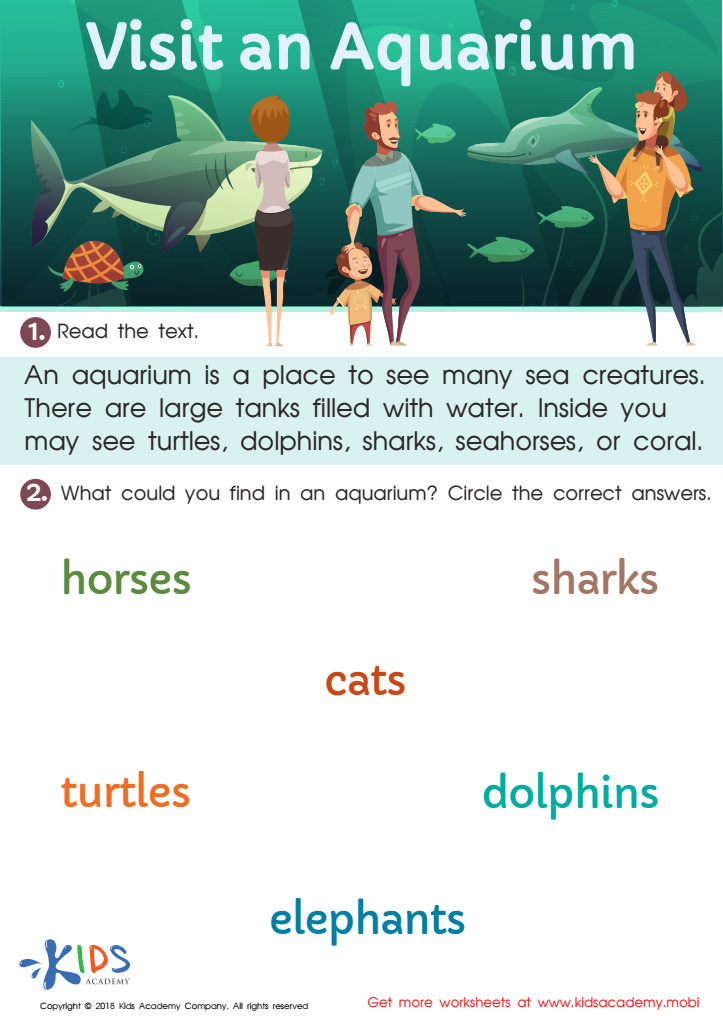
Visit an Aquarium Worksheet
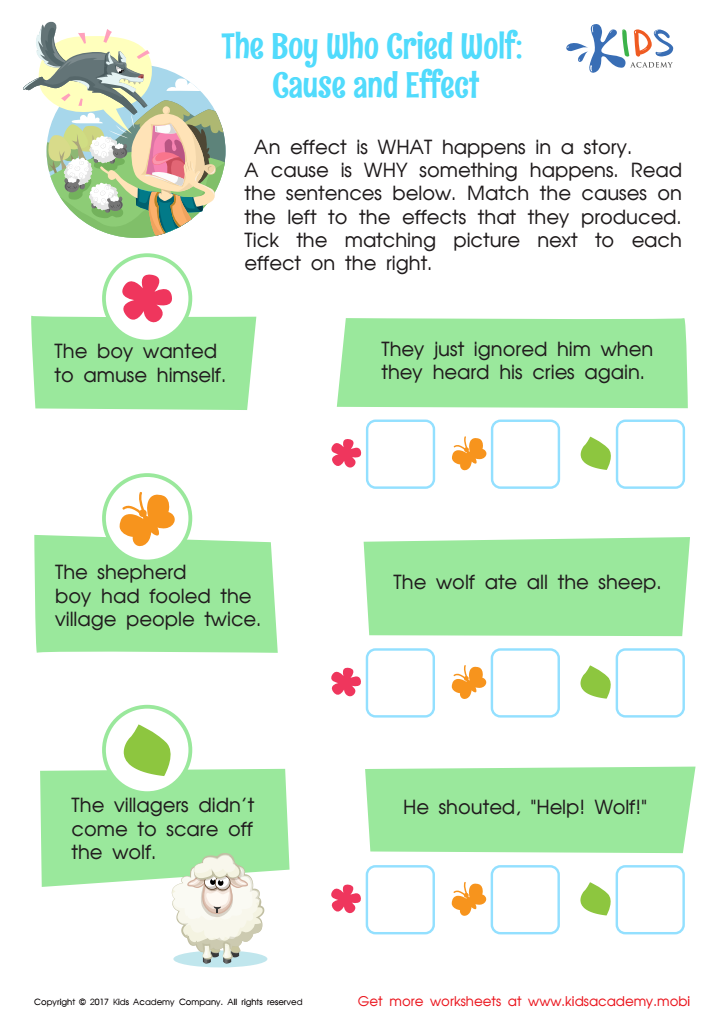
The Boy Who Cried Wolf: Cause and Effect Worksheet
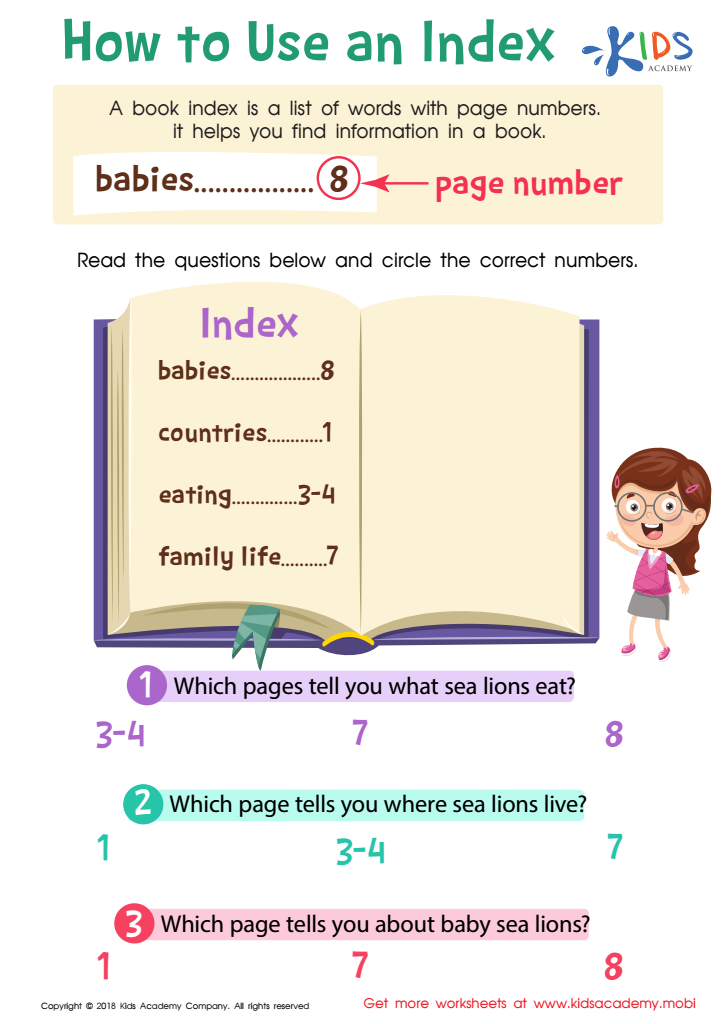
How Use Index Worksheet








Analytical thinking and reading comprehension are vital foundations for children aged 6 to 7, as they set the stage for lifelong learning. At this stage, children's cognitive and language skills are rapidly developing, and their ability to analyze information becomes crucial. By focusing on analytical thinking in reading comprehension, parents and teachers can help children engage with texts on a deeper level, fostering critical thinking skills that extend beyond academics.
Understanding a story involves more than just recognizing words; it requires children to evaluate characters’ motivations, predict outcomes, and infer underlying meanings. These skills promoting analytical thinking empower children to navigate complex ideas, improving their overall literacy. Furthermore, enhanced reading comprehension lays the groundwork for academic success in all subjects, as the ability to comprehend written material is essential for understanding math problems, science concepts, and social studies texts.
Additionally, nurturing these skills in early learners creates confident readers. When children feel capable of analyzing and discussing texts, they are more likely to enjoy reading, cultivating a lifelong passion for literature and learning. Parents and teachers must actively support and encourage analytical thinking in reading to equip children with the critical skills they need for future challenges.








