
Enhancing categorization skills Science Worksheets for Ages 6-7
3 filtered results
Difficulty Level
Grade
Age
-
From - To
Subject
Activity
Standards
Boost your child's learning with our "Enhancing Categorization Skills" Science Worksheets designed for ages 6-7! These engaging and interactive worksheets encourage young learners to recognize, classify, and categorize various objects and concepts in the natural world. By exploring topics such as plants, animals, and environments, children will develop critical thinking skills while having fun. Each worksheet includes vibrant visuals and age-appropriate challenges that stimulate curiosity and understanding. Our resources are perfect for classroom use or at-home learning, making science accessible and enjoyable. Help your child make meaningful connections in their learning journey with our thoughtfully crafted worksheets today!
Favorites
With answer key
Interactive
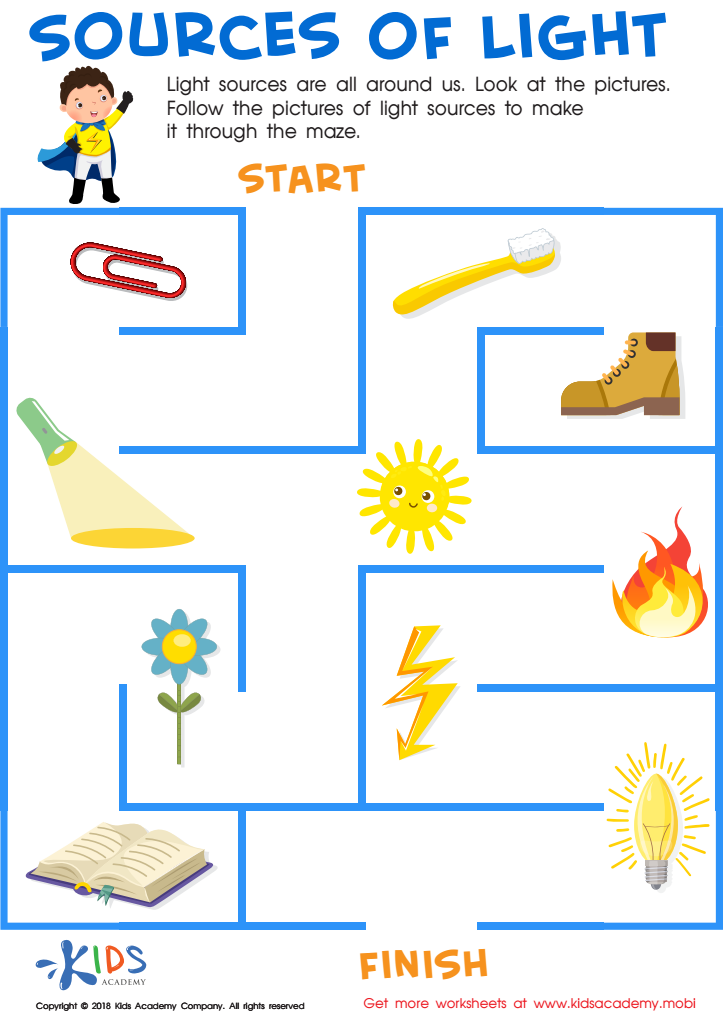
Sources of Light Worksheet
Help your child explore sources of light with this printout exercise. Ask them if they know the sun is the reason for day and night. Then point out other common light sources, then work together to guide them through the maze from start to finish.
 Assign to My Students
Sources of Light Worksheet
Worksheet
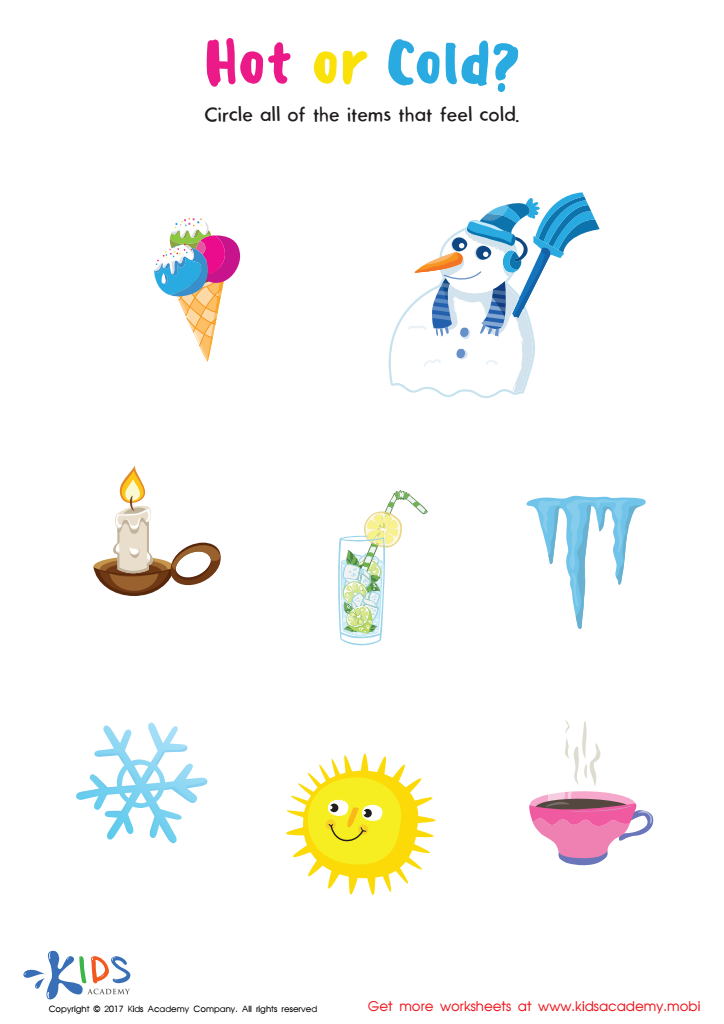
Hot or Cold Printable
Help your child stay safe with this hot or cold worksheet! It promotes problem solving skills and teaches the important concept of temperature differences. Plus, it’s fun! Get your child to learn by playing.
Hot or Cold Printable
Worksheet
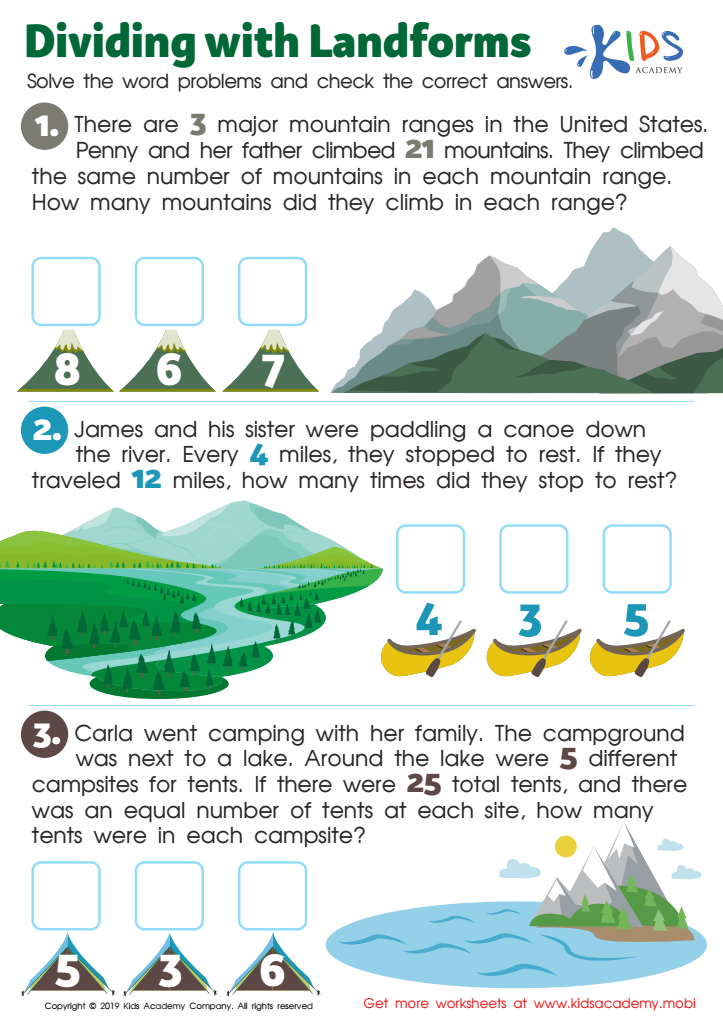
Dividing with Landforms
Mixing subjects to help your child learn is always nice. This worksheet combines landforms, problem-solving and division. The PDF highlights numbers, uses bold colors and provides pictures to help your child understand the questions and answer choices, making them feel empowered, not intimidated.
Dividing with Landforms
Worksheet
Learning Skills
Join Kids Academy for Free
Who is primarily going to use this learning content?





Enhancing categorization skills in science for children ages 6-7 is critically important for several reasons. At this developmental stage, children are actively exploring and making sense of the world around them. By mastering categorization, they learn to organize their experiences and observations, fostering essential cognitive abilities. This skill aids in the comprehension of complex scientific concepts, enabling children to group similar properties, identify patterns, and develop critical thinking.
Moreover, categorization serves as a foundation for problem-solving. As children categorize objects, living things, or scientific phenomena, they learn to differentiate and make connections, which are vital for scientific inquiry. For instance, sorting animals into groups based on habitat or characteristics not only nurtures engagement but also enhances vocabulary and retention.
Importantly, these skills promote confidence in exploring scientific subjects, cultivating curiosity and encouraging inquiry-based learning. Parental and teacher involvement is crucial in observing and guiding children's progression in categorization. Collaborative activities, discussions, and lessons designed around categorization can spark enthusiasm for science and foster a lifelong love of learning. By prioritizing categorization skills in early education, adults lay a strong groundwork for future academic success and critical thinking in science and beyond.







