Vocabulary development World Around Us Worksheets for Ages 6-7
5 filtered results
-
From - To
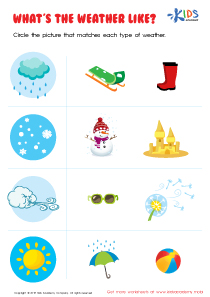
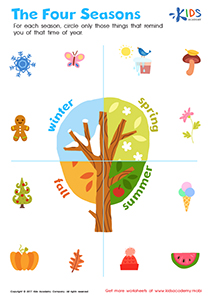
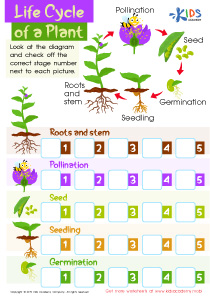
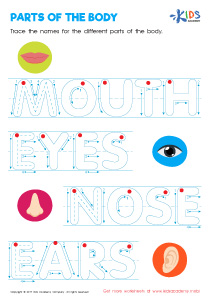
Boost your child's language skills with our 'Vocabulary Development: World Around Us' worksheets designed for ages 6-7. These engaging printables introduce young learners to new words through fun activities that enhance their understanding of the world. Each worksheet focuses on different themes, promoting critical thinking and expanding vocabulary in a creative way. Perfect for classroom use or at-home learning, these worksheets help children recognize and use words in various contexts, fostering a lifelong love for language. Support your child's linguistic growth with our carefully crafted, educational resources today! Download now and start learning!
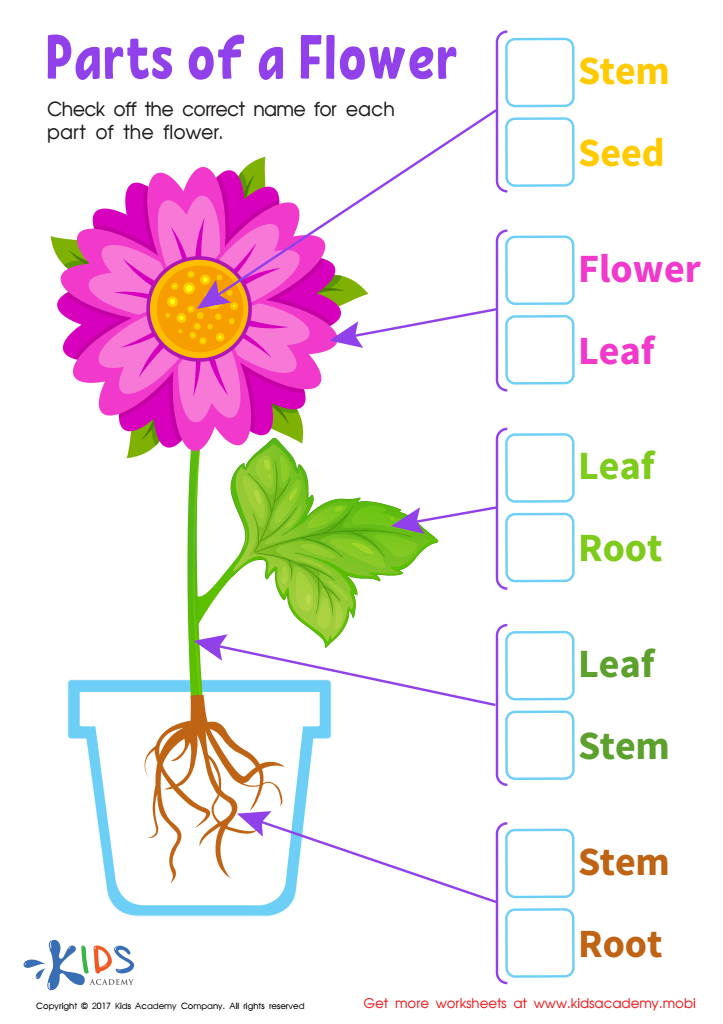
Parts Flower Printable
 Assign to My Students

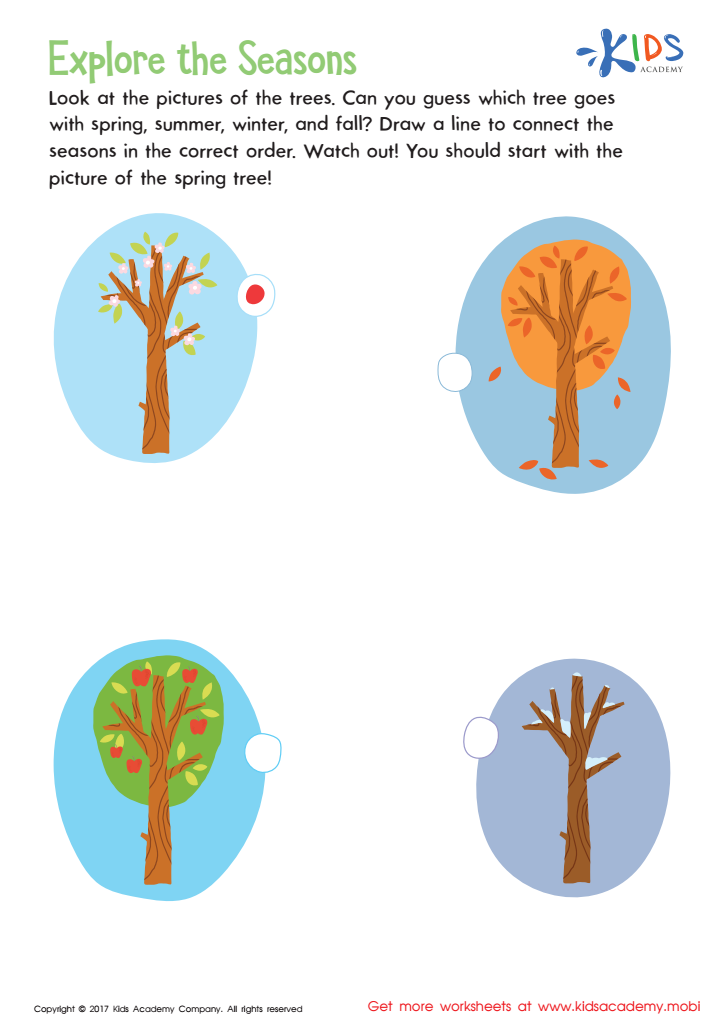
Explore the Seasons Worksheet
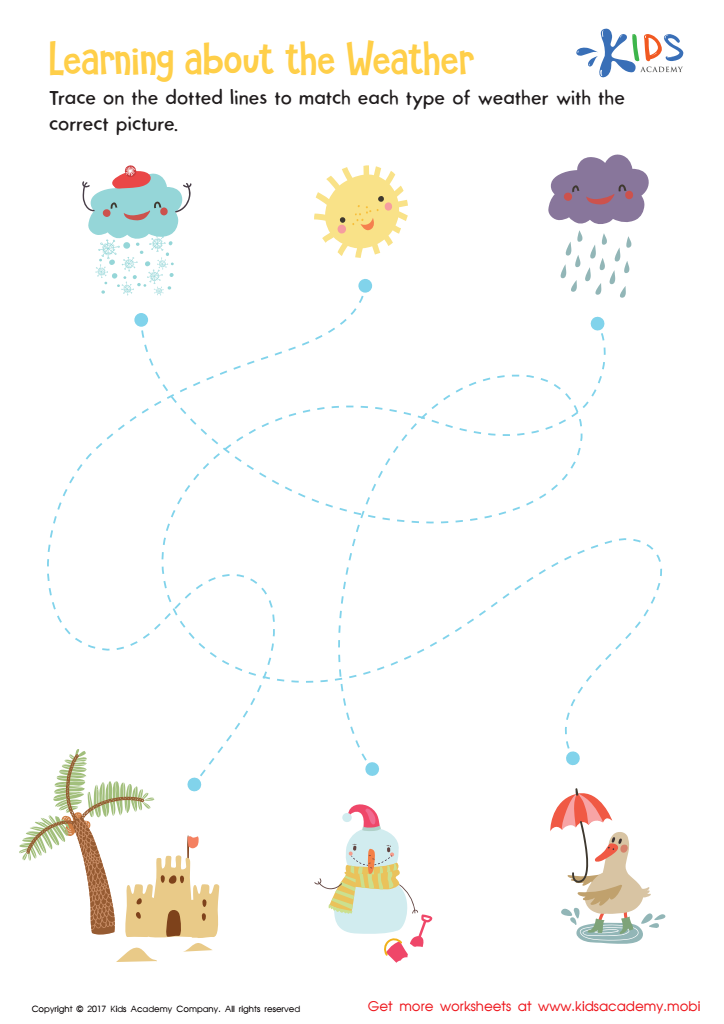
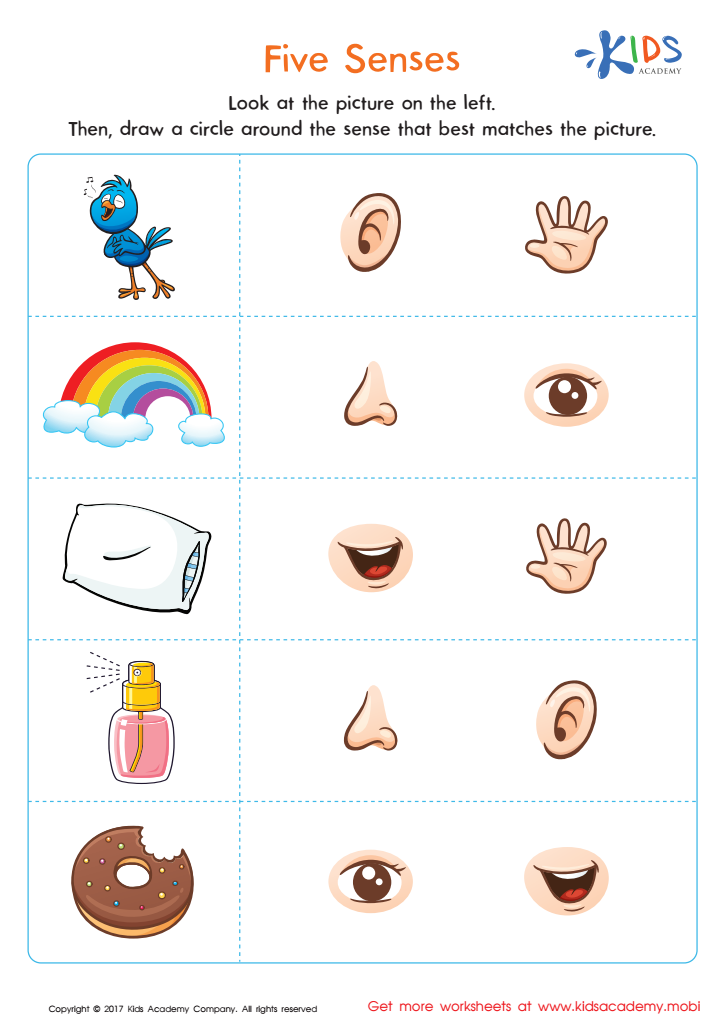
Five Senses Printable








Vocabulary development is crucial for children aged 6-7 because it lays the foundation for their future academic and personal success. At this age, kids are transitioning from learning to read to reading to learn. A robust vocabulary enables them to better comprehend texts, follow instructions, and engage meaningfully in classroom discussions. This is particularly important in grasping subjects like science, social studies, and even mathematics, where understanding terminology can make a significant difference.
Moreover, vocabulary development enhances communication skills, allowing children to express their ideas and emotions more clearly and effectively. This helps in building confidence and fostering better relationships with peers and adults.
For parents and teachers, focusing on the world around us—objects in nature, community places, animals, weather, etc.—offers a rich and engaging context for expanding vocabulary. Children are naturally curious about their environment, and integrating new words into everyday discussions and activities makes learning meaningful and practical. This hands-on approach reinforces word meanings and helps in retaining new vocabulary.
Lastly, a strong vocabulary at an early age is linked to better writing skills as children grow older. It equips them for a lifetime of learning, making it imperative for parents and teachers to actively support vocabulary development during these formative years. In summary, prioritizing vocabulary development today sets the stage for a more informed, articulate, and successful tomorrow.