Phonics Skills Writing Worksheets for Ages 6-7
9 filtered results
-
From - To
Discover our engaging Phonics Skills Writing Worksheets designed specifically for children aged 6-7. These worksheets are perfect for reinforcing phonetic understanding while enhancing writing abilities. Each activity focuses on blending sounds and forming words, allowing young learners to practice essential literacy skills in a fun and interactive way. With vibrant graphics and age-appropriate exercises, our worksheets keep kids motivated as they develop their reading and writing confidence. Ideal for both classroom and home use, these phonics worksheets provide an effective foundation for lifelong learning. Encourage your child's linguistic journey today with our comprehensive phonics resources!
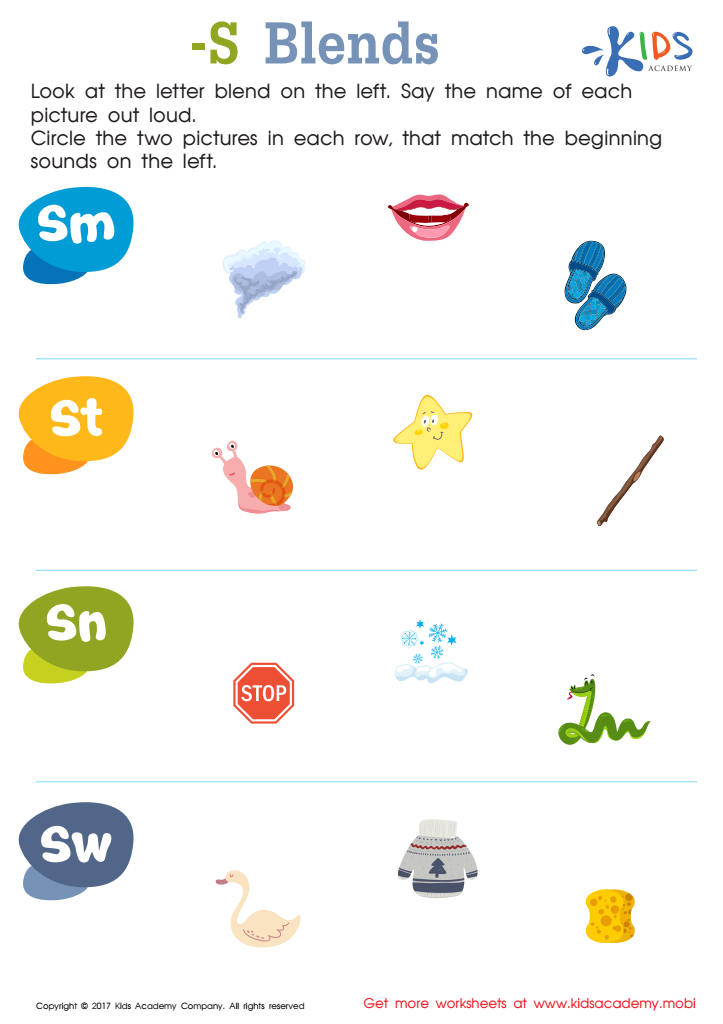
"s" Blends Spelling Printable
 Assign to My Students
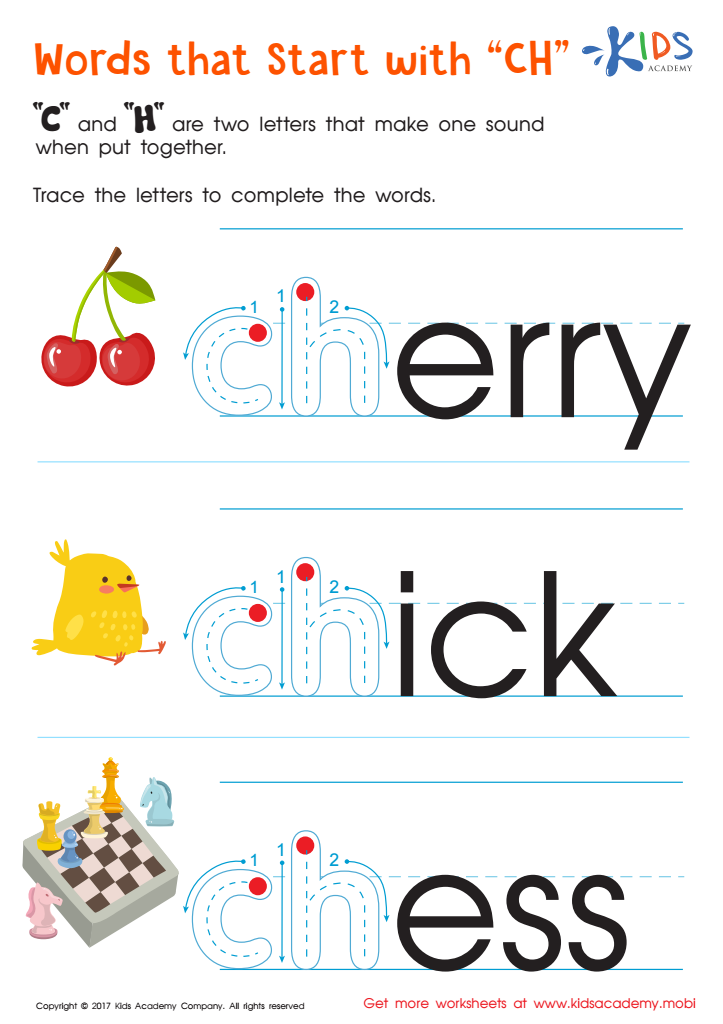
Words That Start with "ch" Spelling Worksheet
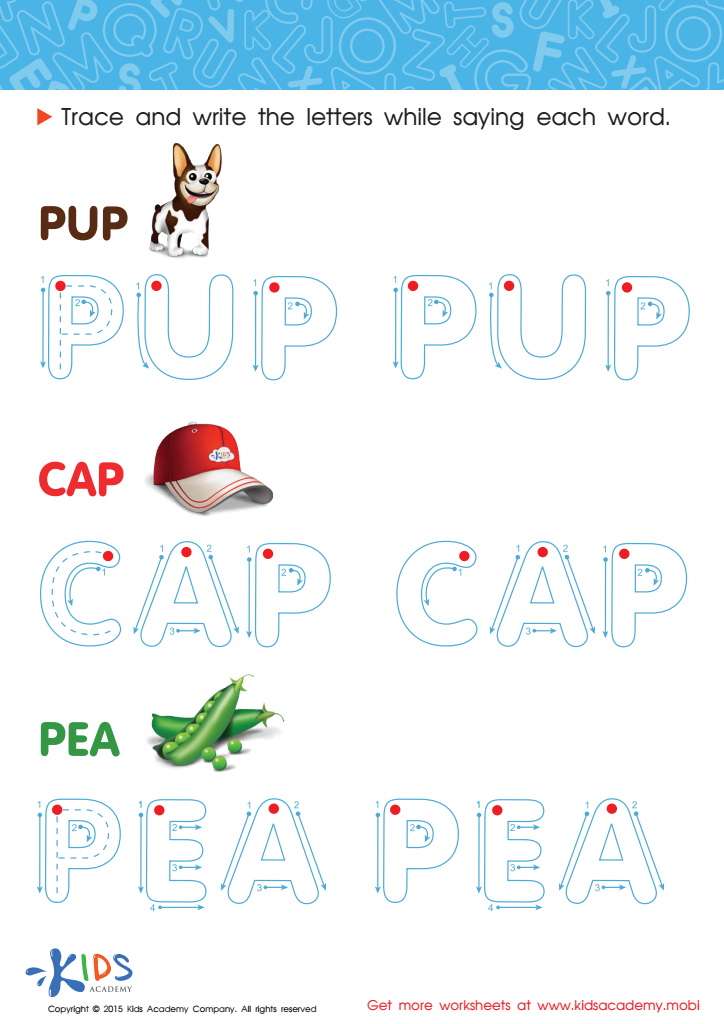
A Pup, a Cap and a Pea Spelling Worksheet
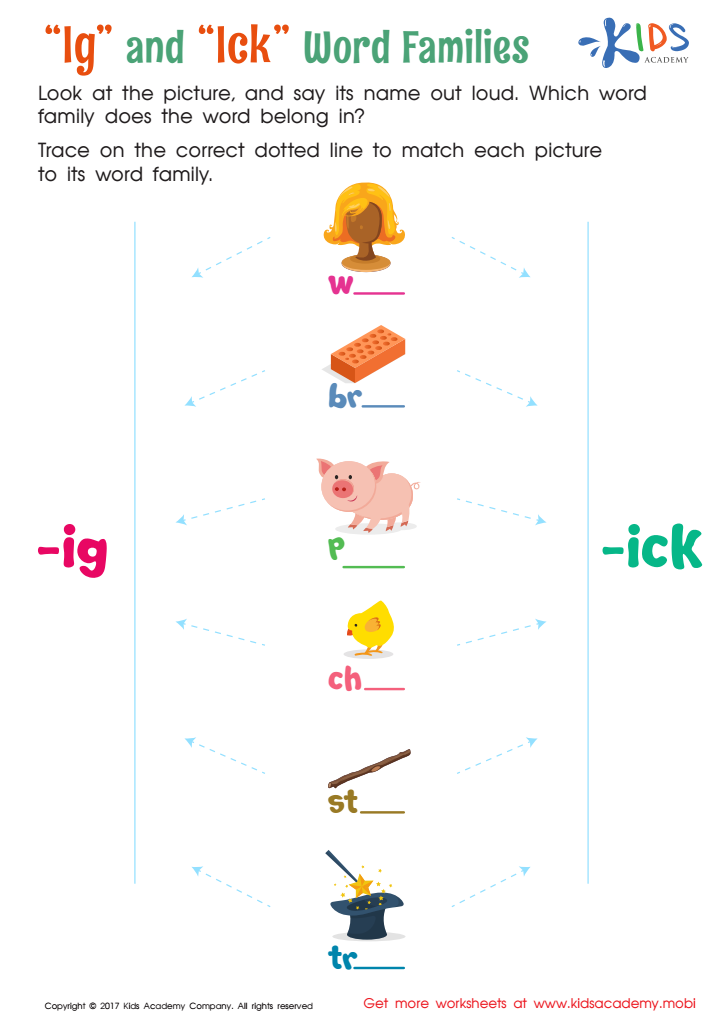
Words Families "ig" and "ick" Spelling Worksheet
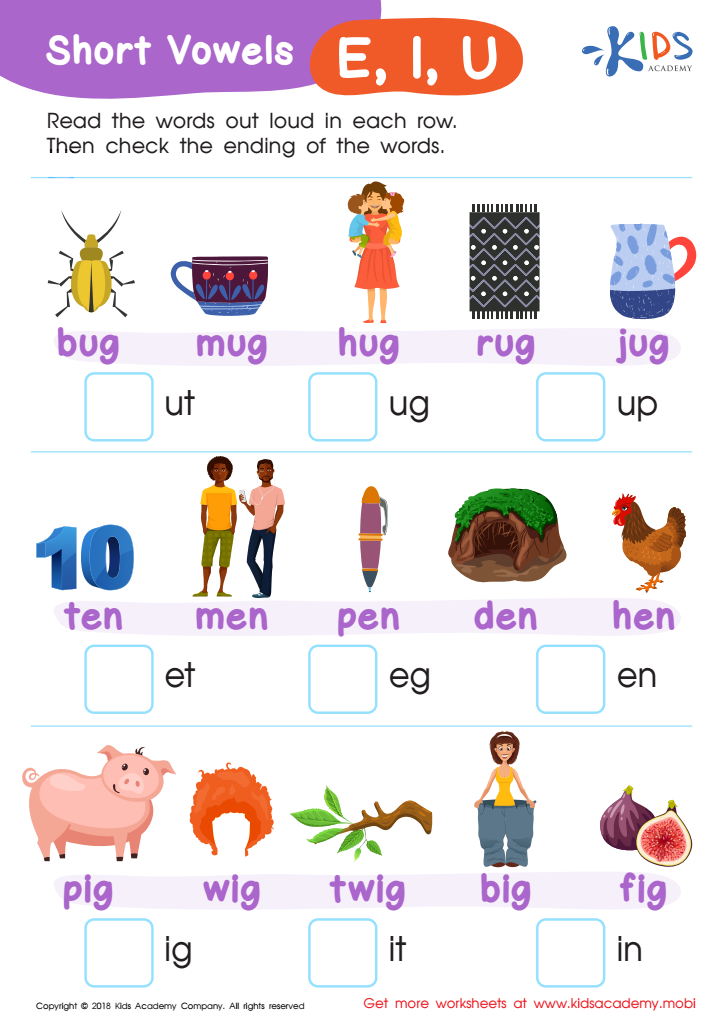
Short Vowels /e/, /i/, and /u/ Worksheet
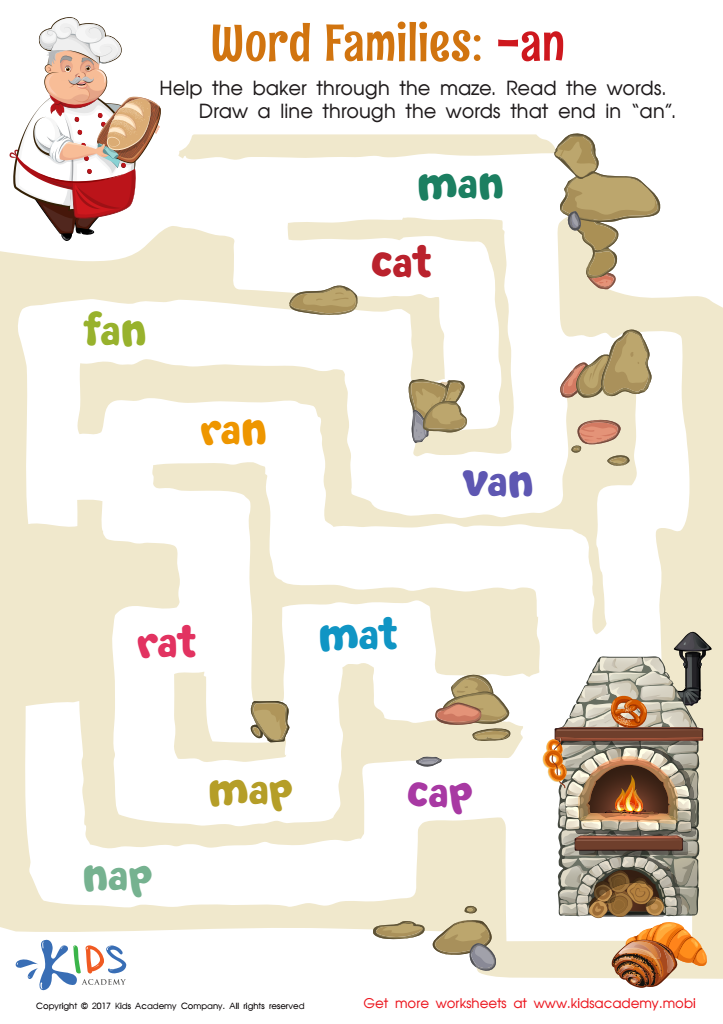
Words Families "an" Spelling Worksheet
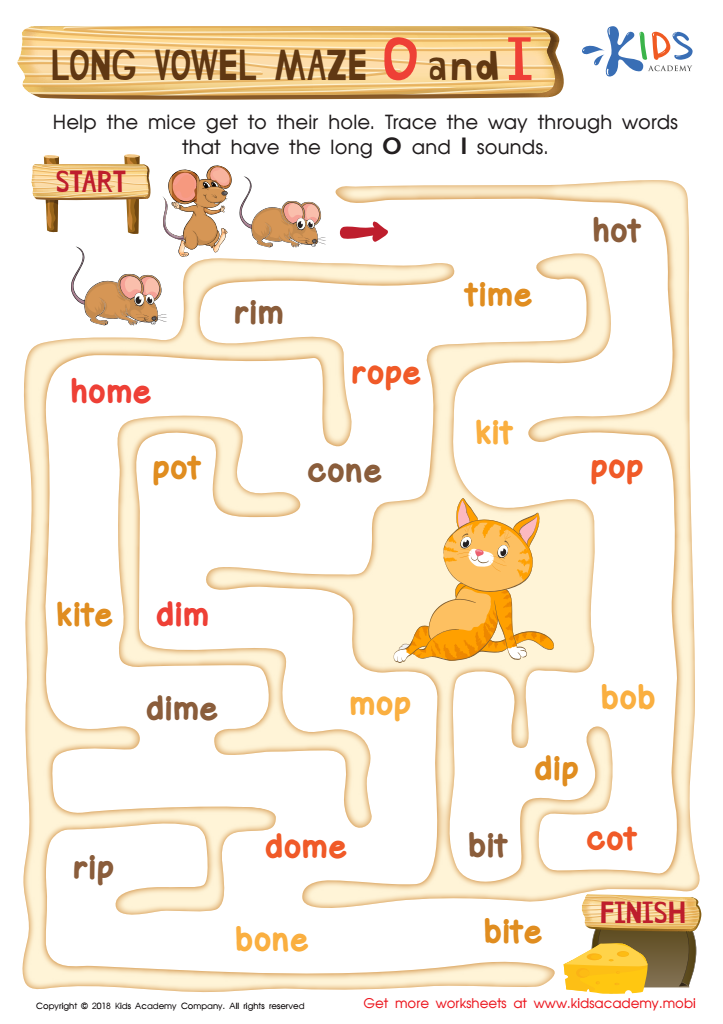
Long Vowel Maze /o/ and /i/ Worksheet
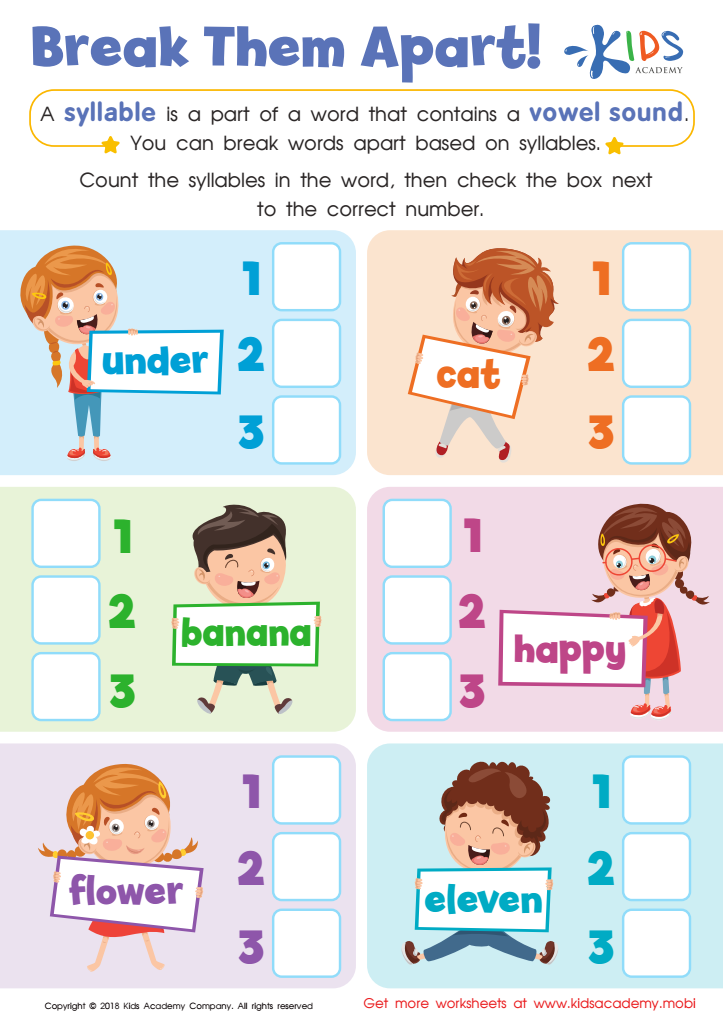
Reading: Break Them Apart Worksheet
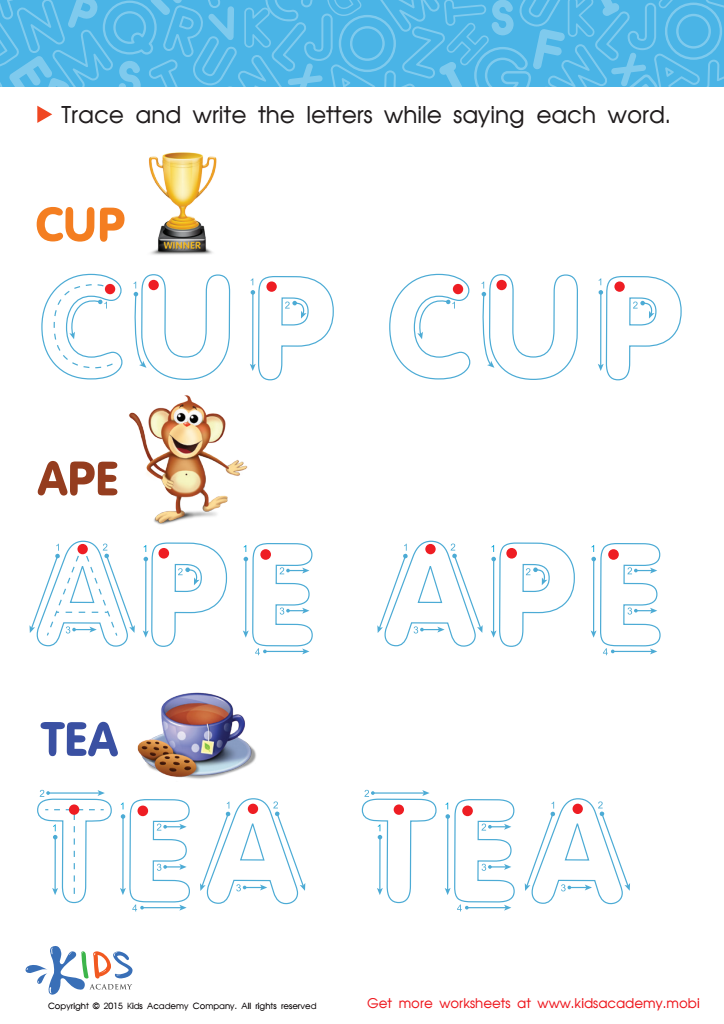
A Cup, an Ape and Tea Spelling Worksheet







Phonics skills writing is crucial for children aged 6-7 as it forms the foundation for their reading and writing abilities. During these formative years, children are transitioning from literacy exposure to active engagement in writing. Phonics instruction helps them understand the relationship between letters and sounds, strengthening their ability to decode words and improve their spelling.
When parents and teachers prioritize phonics skills writing, they help children develop confidence in their literacy skills. This confidence translates into a love for reading, which is linked to better academic performance across subjects. Furthermore, strong phonics skills support vocabulary development, enabling children to express their thoughts more effectively.
In addition, phonics writing activities, such as journaling or story creation, foster creativity and critical thinking. Engagement in hands-on writing practices allows children to experiment with language, promoting retention of phonemic awareness. Parents and teachers can also positively impact a child’s literacy trajectory by providing encouragement, recognition, and guidance in their writing pursuits.
Overall, focusing on phonics skills writing at this age not only boosts reading and writing proficiency but also supports cognitive and emotional growth, preparing children for future academic challenges and fostering lifelong learning habits.








