Hand-eye Coordination ABC Letters Worksheets for Ages 6-8
8 filtered results
-
From - To
Enhance your child's learning with our Hand-eye Coordination ABC Letters Worksheets designed for ages 6-8. These engaging activities focus on fine motor skills while teaching the alphabet. Each worksheet combines fun tracing exercises with educational content to boost cognitive development and improve hand-eye coordination. Perfect for home or classroom use, they provide a foundation for writing mastery and literacy. Kids will enjoy learning letters through various hands-on tasks, enhancing both confidence and competence. Download these teacher-approved resources from Kids Academy to support your child's journey in mastering the alphabet and refining their motor skills!
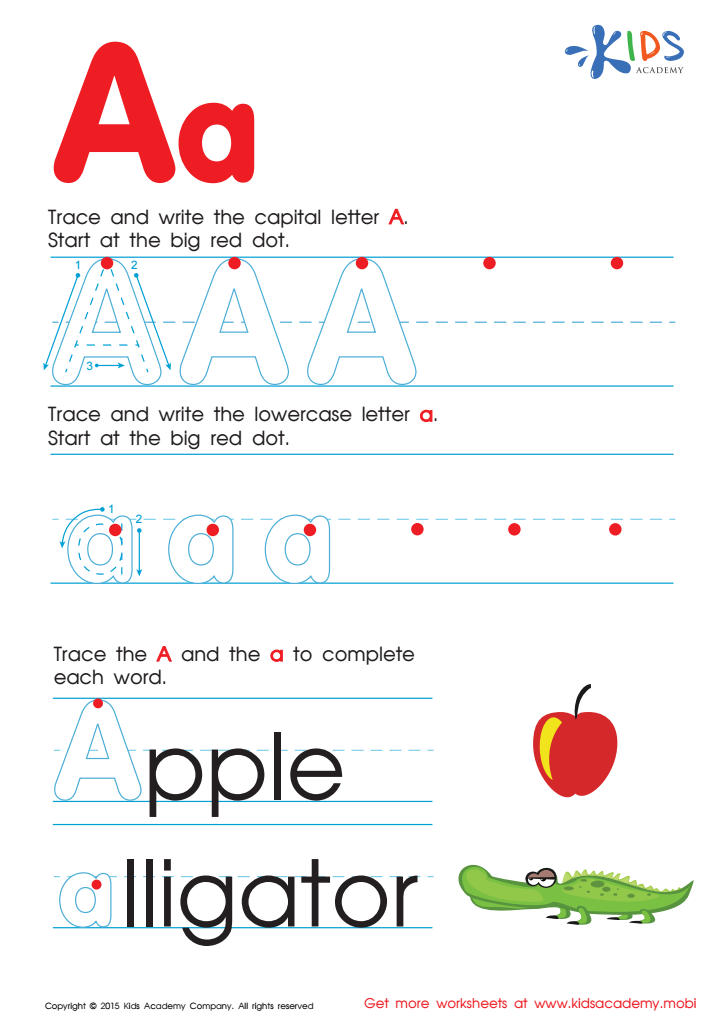
Letter A Tracing Page







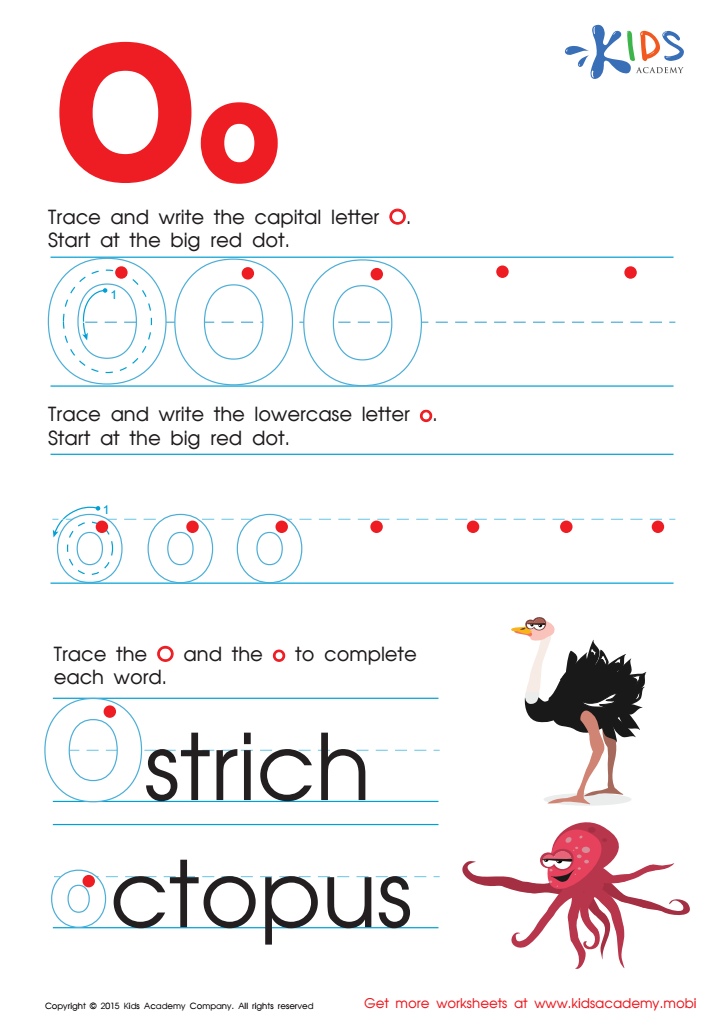
Letter O Tracing Page
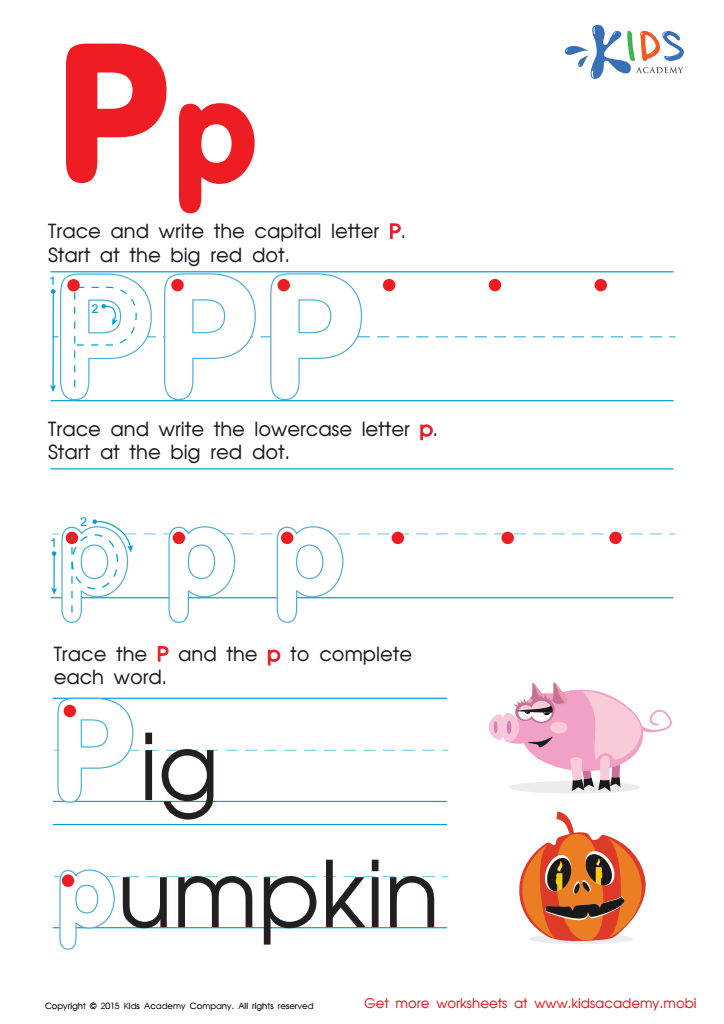
Letter P Tracing Page
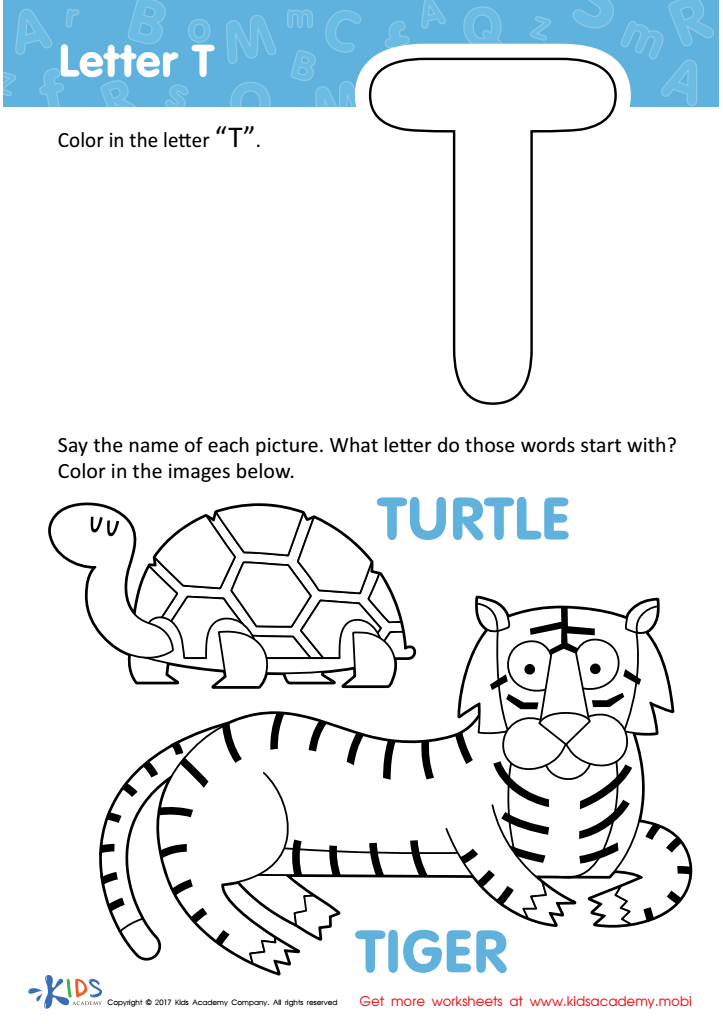
Letter T Coloring Sheet
 Assign to My Students

Letter H Tracing Page
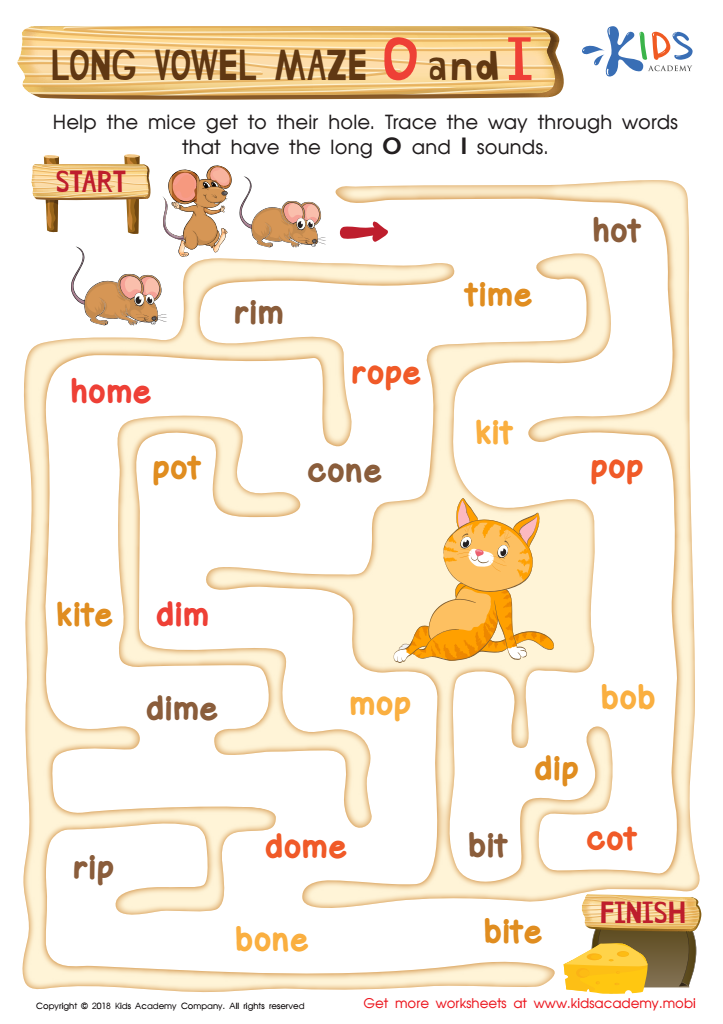
Long Vowel Maze /o/ and /i/ Worksheet
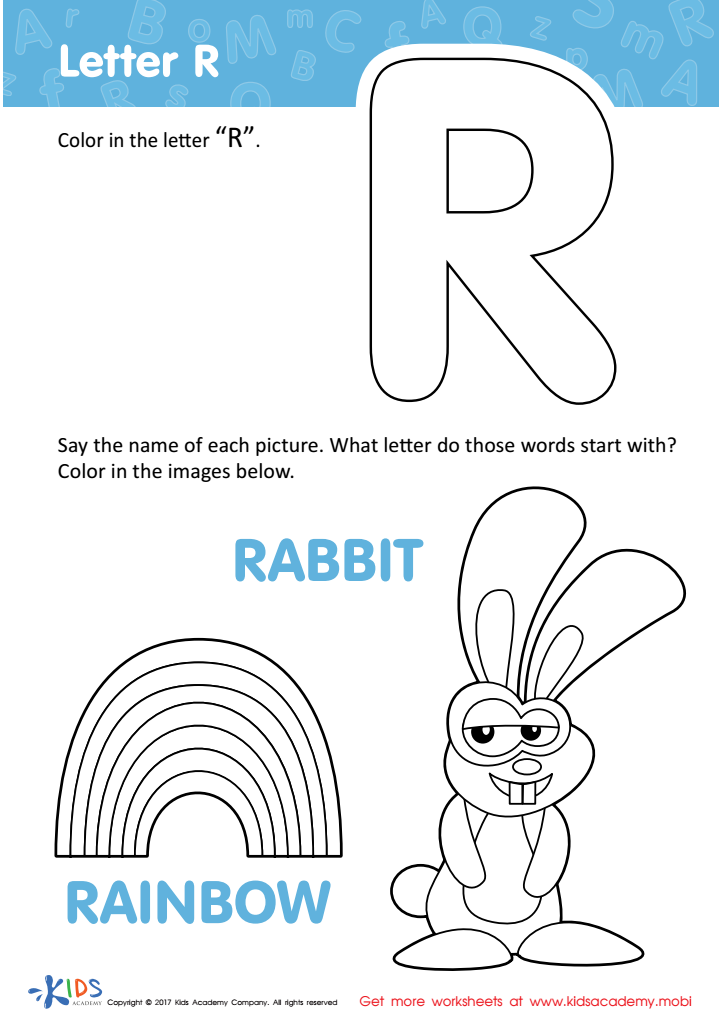
Letter R Coloring Sheet
Assign to My Students
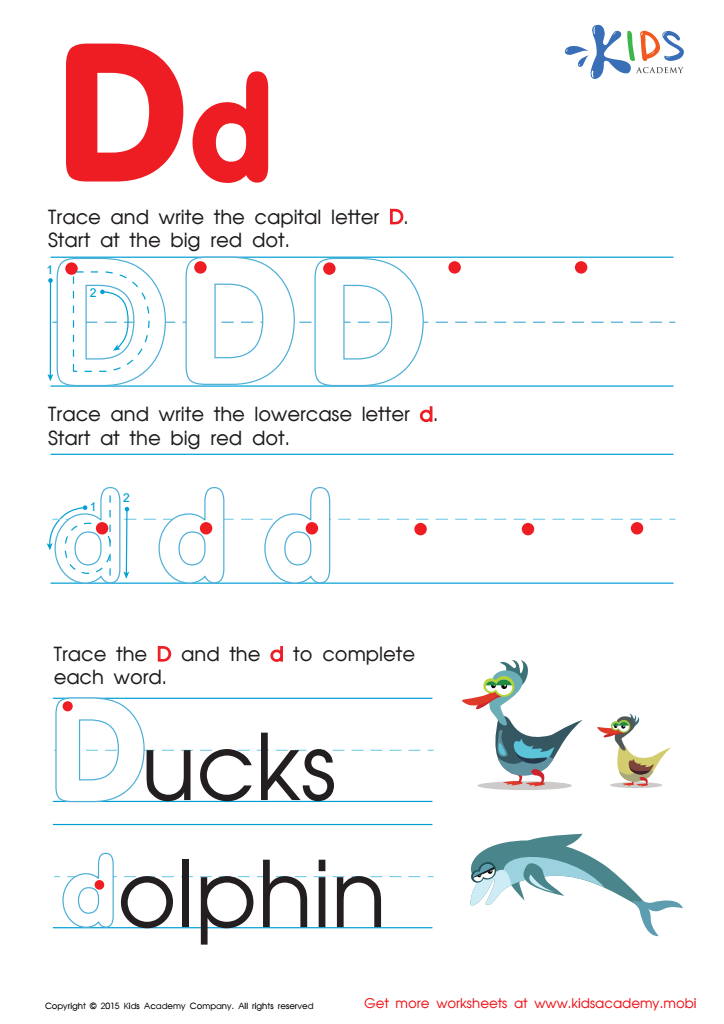
Letter D Tracing Page







Hand-eye coordination ABC letters for ages 6-8 are crucial for the early developmental stages of a child. Understanding and caring about these skills can have a significant positive impact on a child's educational and personal growth. Firstly, strong hand-eye coordination enables children to perform everyday tasks efficiently, such as tying shoelaces, buttoning clothes, and using utensils. This builds their independence and boosts their confidence.
Additionally, mastering ABC letters through activities that enhance hand-eye coordination helps sharpen fine motor skills. Such activities might involve tracing letters, playing with letter puzzles, or interactive games that require aligning letters correctly. These tasks make the learning process engaging and fun, while the repetitive action helps solidify the child's understanding of the alphabet.
Another significant benefit is improved writing skills. As children develop better hand-eye coordination, their handwriting becomes more legible, and they can write with greater ease and speed. This foundation in writing is essential, as it supports their ability to express ideas effectively and perform academically in various subjects.
Finally, enhancing hand-eye coordination through ABC letters also boosts cognitive development by improving attention, focus, and spatial-awareness skills. By incorporating games and activities that hone these aspects, parents and teachers can create a robust learning environment that supports a child’s holistic development.







