Letter recognition ABC Letters Worksheets for Ages 6-8 - Page 2
27 filtered results
-
From - To
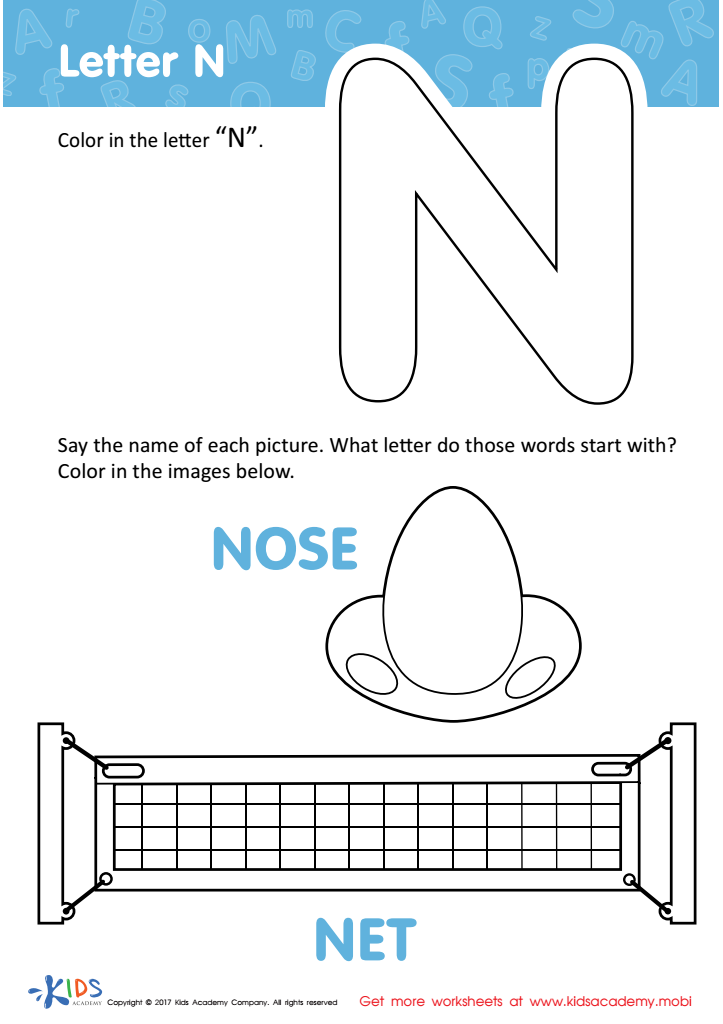
Letter N Coloring Sheet
 Assign to My Students





Letter D Tracing Page
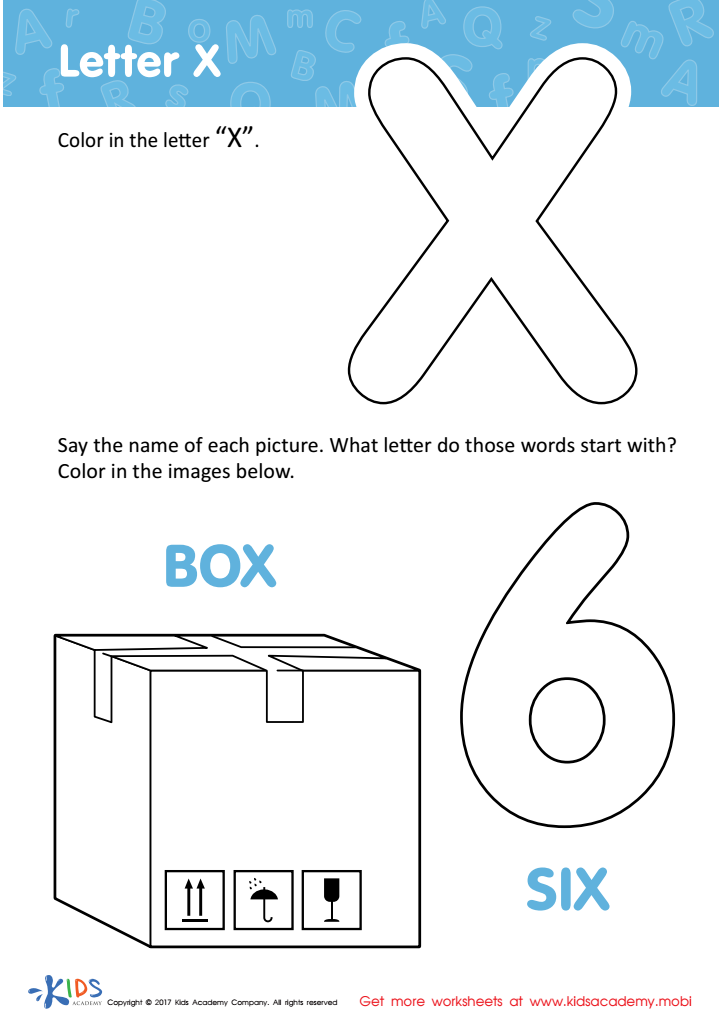
Letter X Coloring Sheet
Assign to My Students






Letter recognition is a fundamental skill that significantly influences a child's literacy development, particularly for children aged 6 to 8. During this critical period, children transition from early reading skills to more advanced literacy. Parents and teachers should prioritize letter recognition, as it lays the groundwork for reading fluency and comprehension.
Recognizing letters enables children to decode words, making it easier for them to engage with texts independently. When children are confident in identifying letters, they can work on phonics—the connection between letters and their sounds—empowering them to tackle larger vocabulary and more complex sentences.
Additionally, strong letter recognition skills foster a love for reading and learning. Children who feel confident in their abilities are more likely to explore books, enhancing their imagination and critical thinking skills.
Moreover, letter recognition can enhance fine motor skills through writing practice, further contributing to academic success. As parents and teachers nurture these skills, they become facilitators of a child’s journey toward literacy, helping them become capable readers and writers who can thrive both academically and personally. Ultimately, focusing on letter recognition offers children the tools they need for future educational achievement and fosters a lifelong love of learning.







