Alphabet familiarity Alphabet Worksheets for Ages 6-8
9 filtered results
-
From - To
Boost your child's reading and writing foundation with our engaging Alphabet Worksheets designed specifically for ages 6-8. These worksheets foster alphabet familiarity, helping kids recognize and write uppercase and lowercase letters seamlessly. Each sheet is filled with fun, educational activities that make learning letters enjoyable and effective. From tracing and matching to identifying letters in different contexts, our worksheets enhance phonemic awareness and strengthen early literacy skills. Perfect for home or classroom use, they're an essential tool to support your child's educational journey and ensure they master the alphabet with confidence. Start your child's alphabet adventure today!
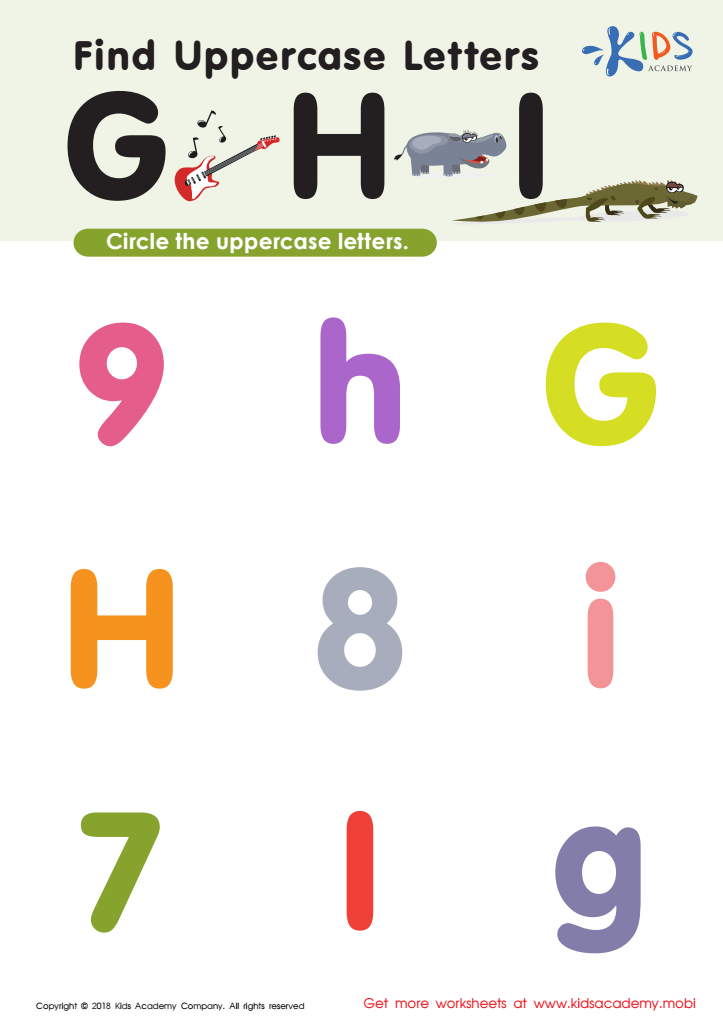
Find Uppercase Letters G, H, and I Worksheet
 Assign to My Students
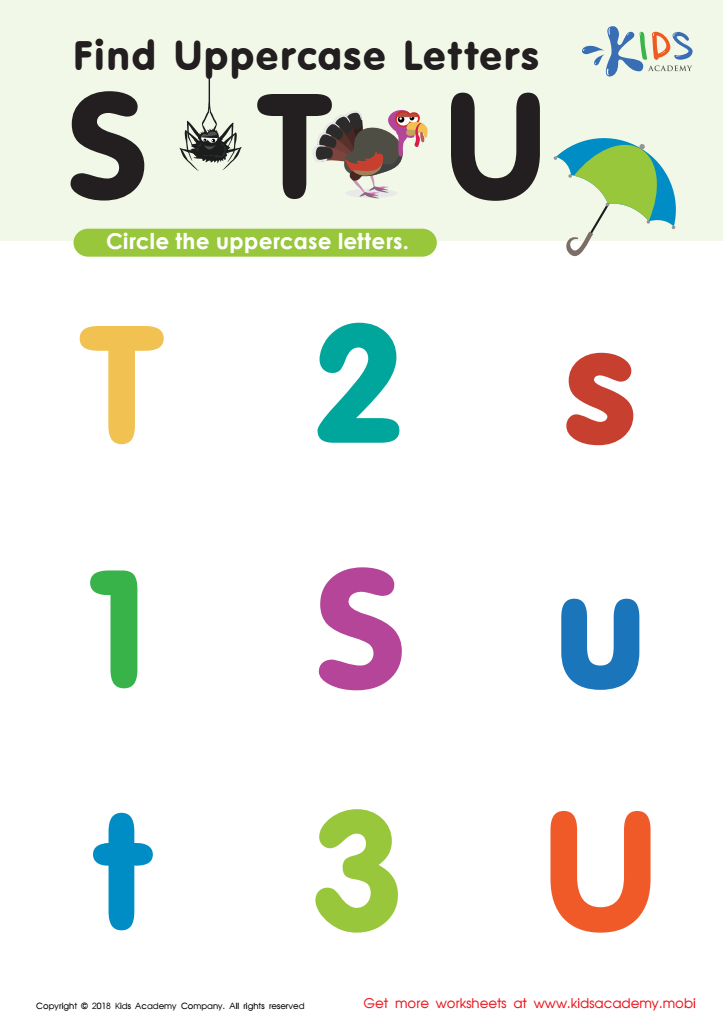
Find Uppercase Letters Worksheet
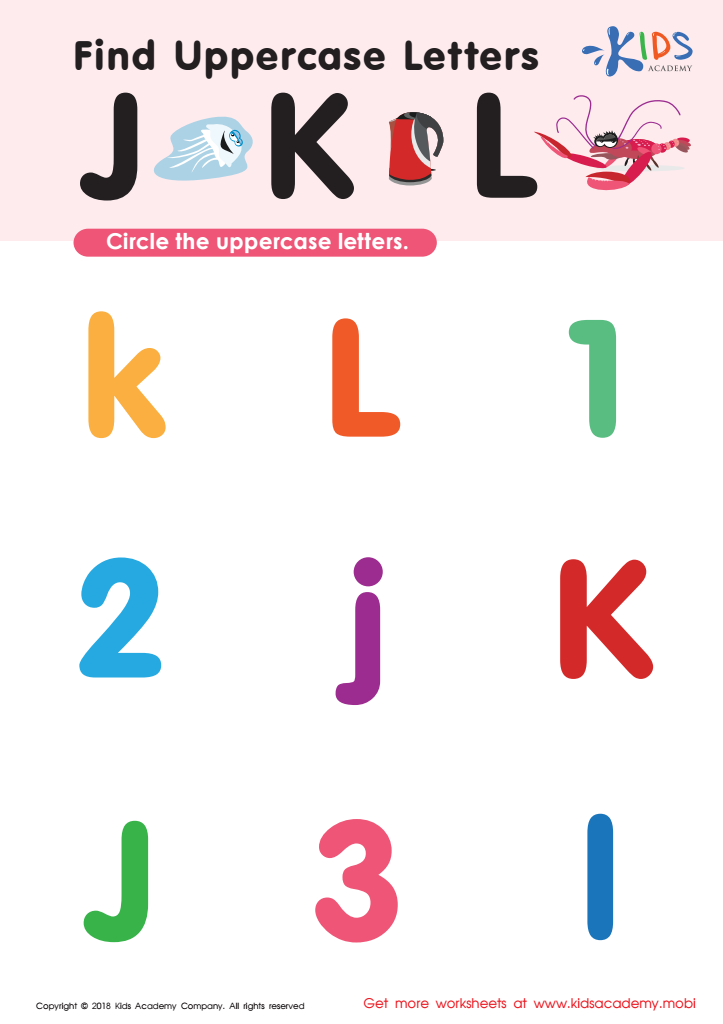
Find Uppercase Letters J, K, and L Worksheet
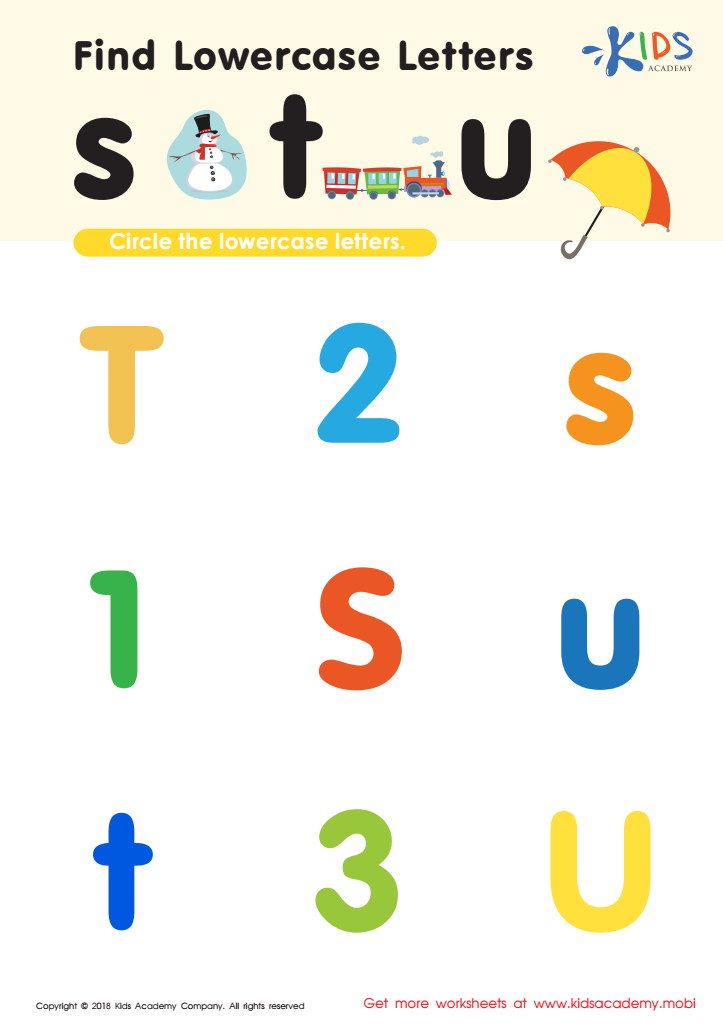
Find lowercase Letters s t u Worksheet

Find Uppercase Letters A, B, and C Worksheet
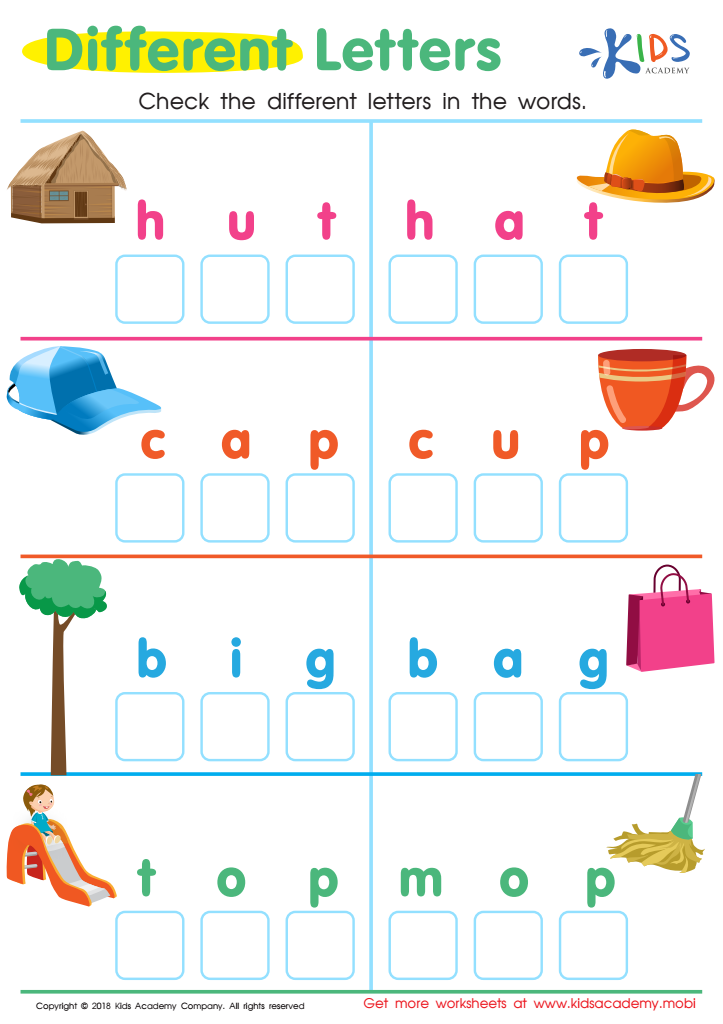
Different Letters Reading Worksheet
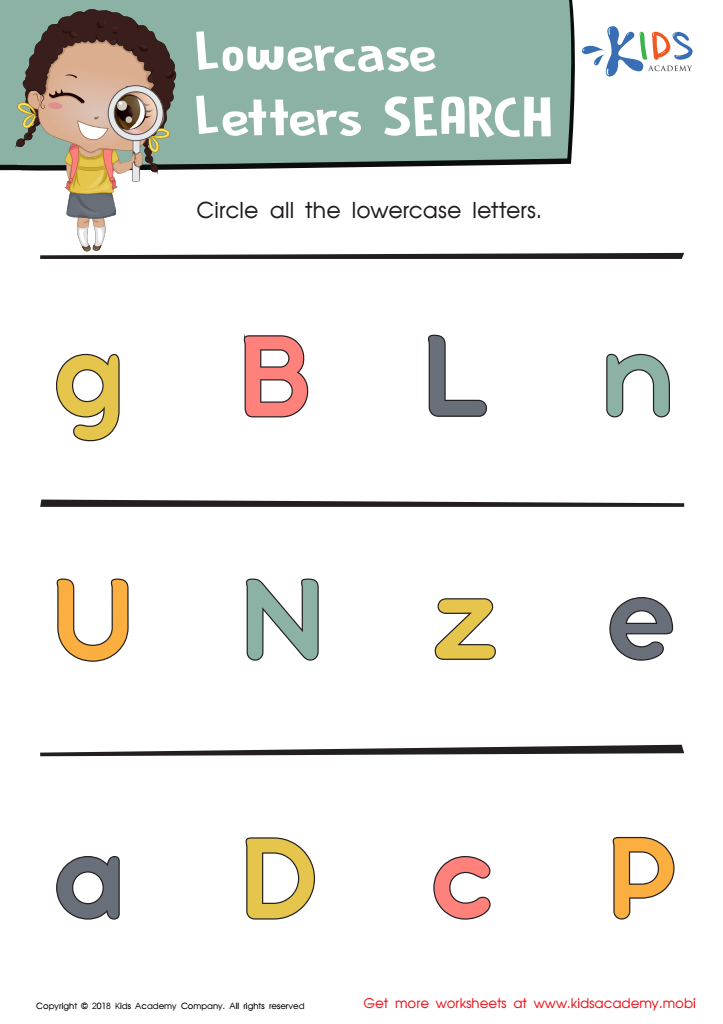
Lowercase Letters Search: Assessment Worksheet

Find Lowercase Letters v w x Worksheet
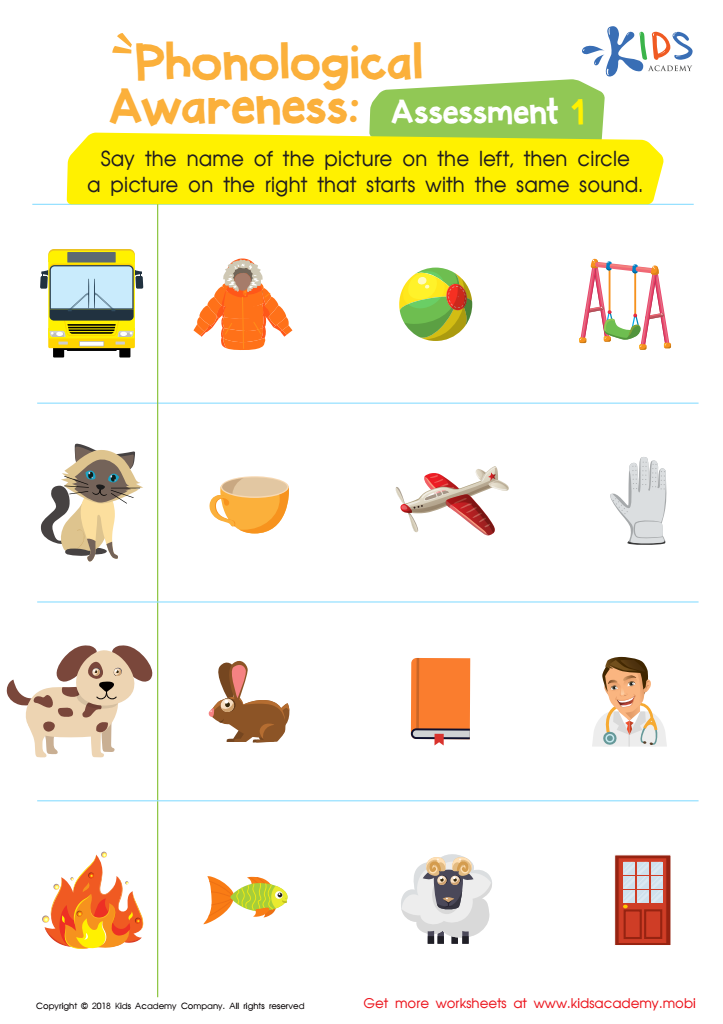
Phonological Awareness: Assessment 1 Worksheet








Alphabet familiarity is a cornerstone of early literacy and a critical foundation for children aged 6 to 8. This period is integral as kids generally transition from learning to read, to reading to learn. Understanding the alphabet is more than just memorizing letters; it involves recognizing letter shapes, sounds, and how they correspond to spoken language. Mastery of the alphabet significantly influences a child's ability to decode words and develop phonemic awareness, both of which are essential for fluent reading.
For parents and teachers, ensuring alphabet familiarity is pivotal. It directly impacts a child's reading proficiency, which is linked to broader academic success and self-confidence. Children who struggle with early literacy often face challenges in other subjects because most learning involves reading. Moreover, familiarity with the alphabet aids in vocabulary development and spelling skills, contributing to effective communication.
Teachers can use engaging activities like letter games, songs, and multisensory methods to reinforce learning, while parents can incorporate reading sessions and environmental print around the home. These efforts in fostering a robust understanding of the alphabet lay the groundwork for lifelong learning and academic achievement, making it a crucial focal point in early education.







