Alphabet Recognition Alphabet Worksheets for Ages 6-8 - Page 3
64 filtered results
-
From - To
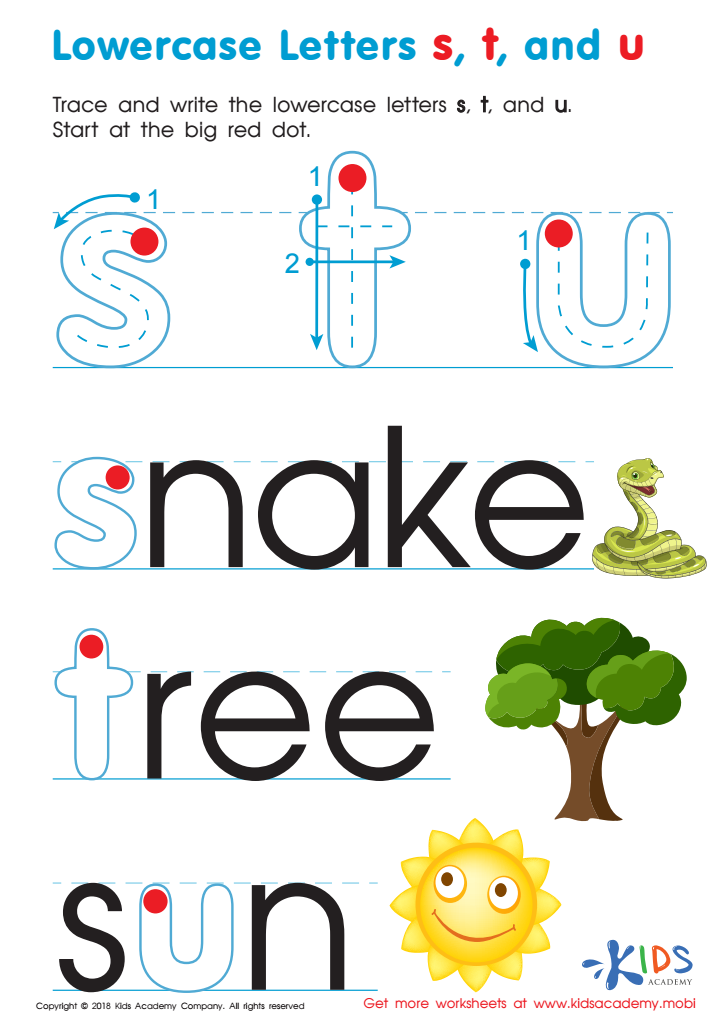
Lowercase Letters s t u Worksheet
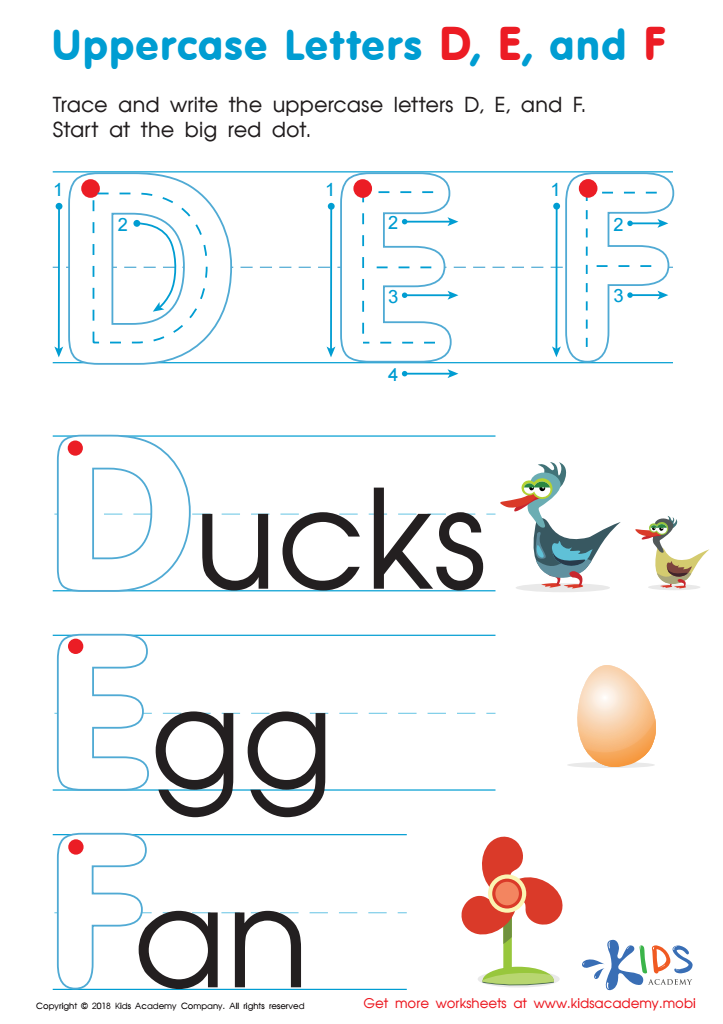
Uppercase Letters D, E, and F Worksheet
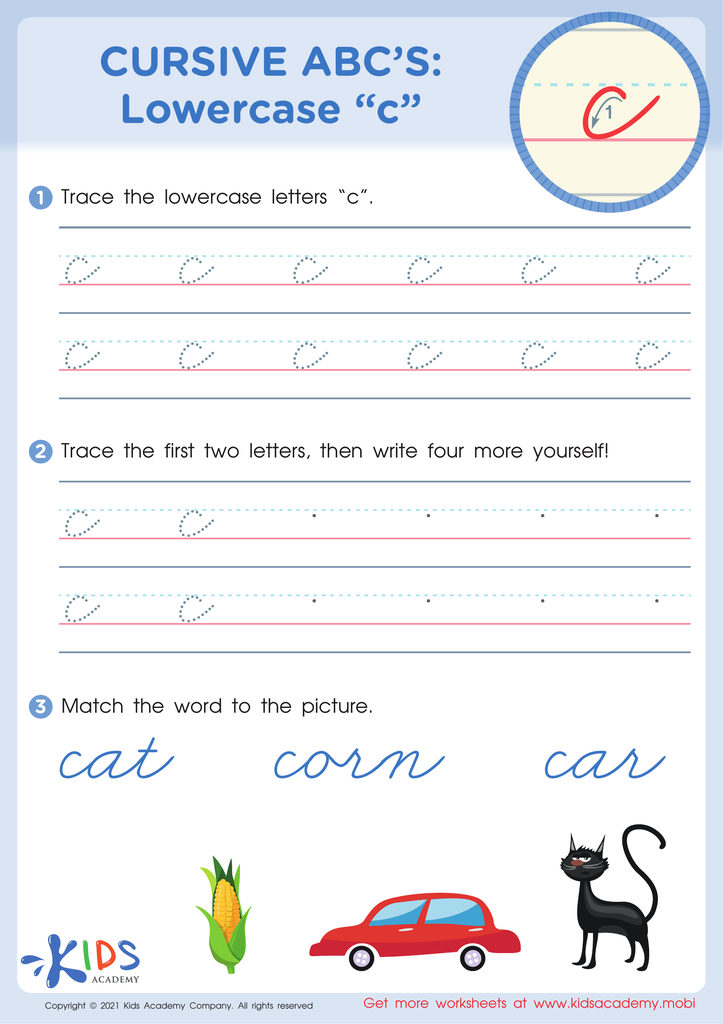
Cursive ABCs: Lowercase c
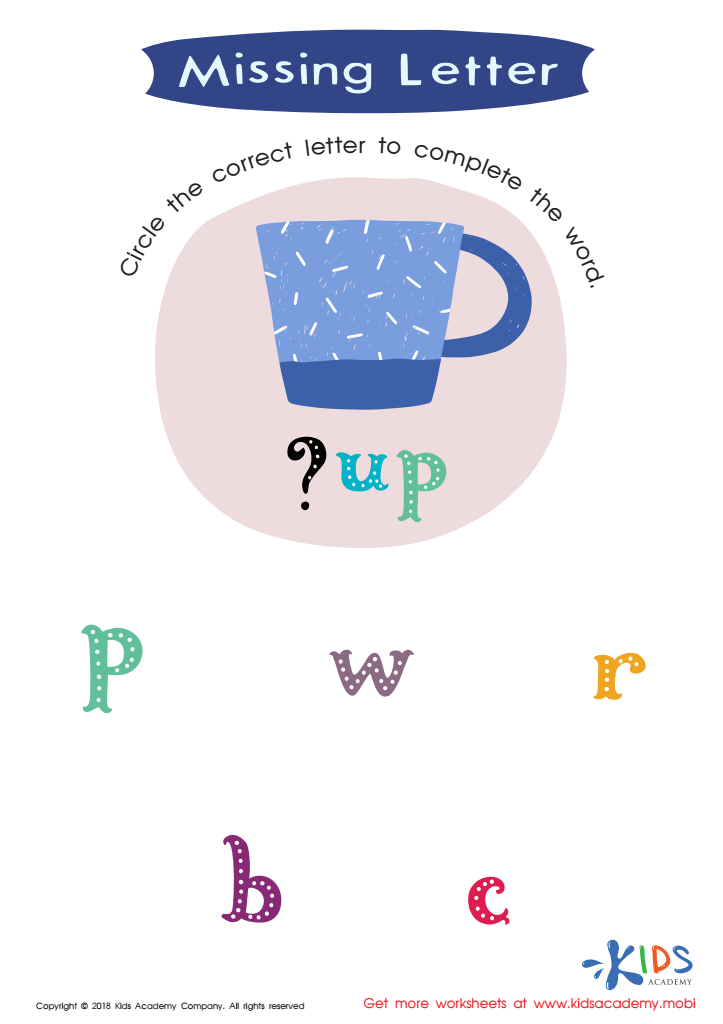
Missing Letter Worksheet
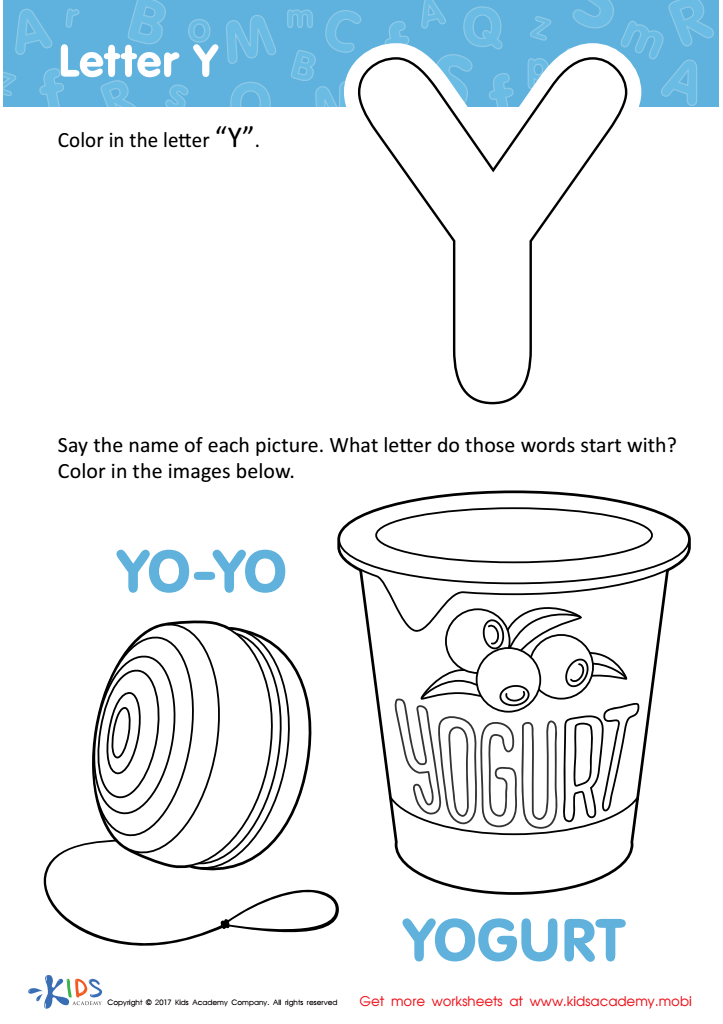
Letter Y Coloring Sheet
 Assign to My Students
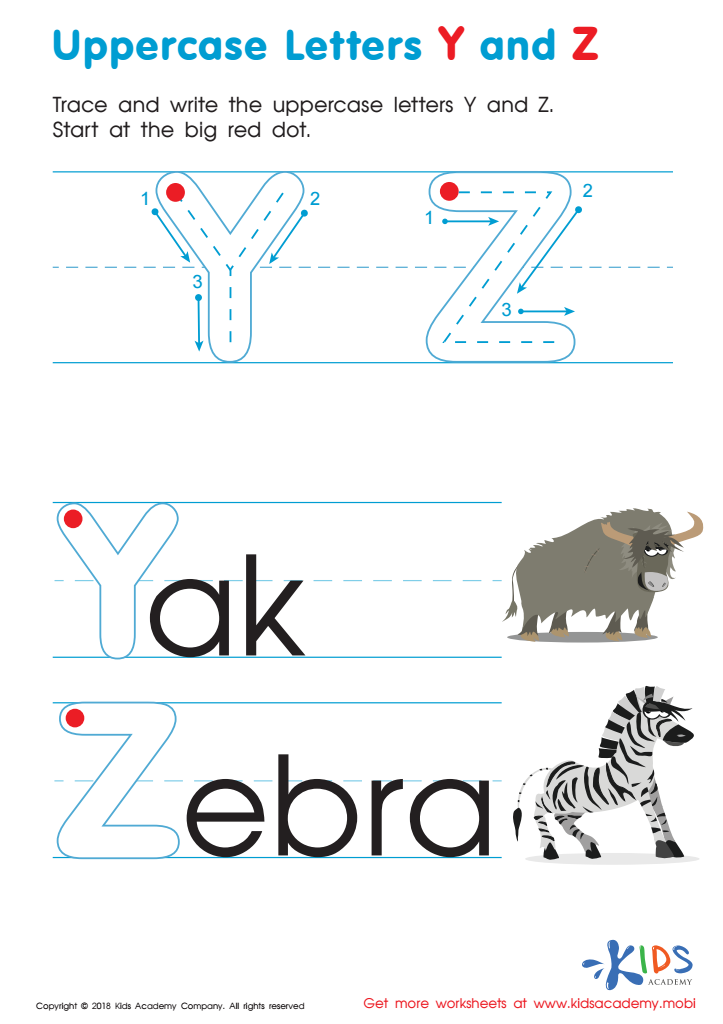
Uppercase Letters Y Z Worksheet
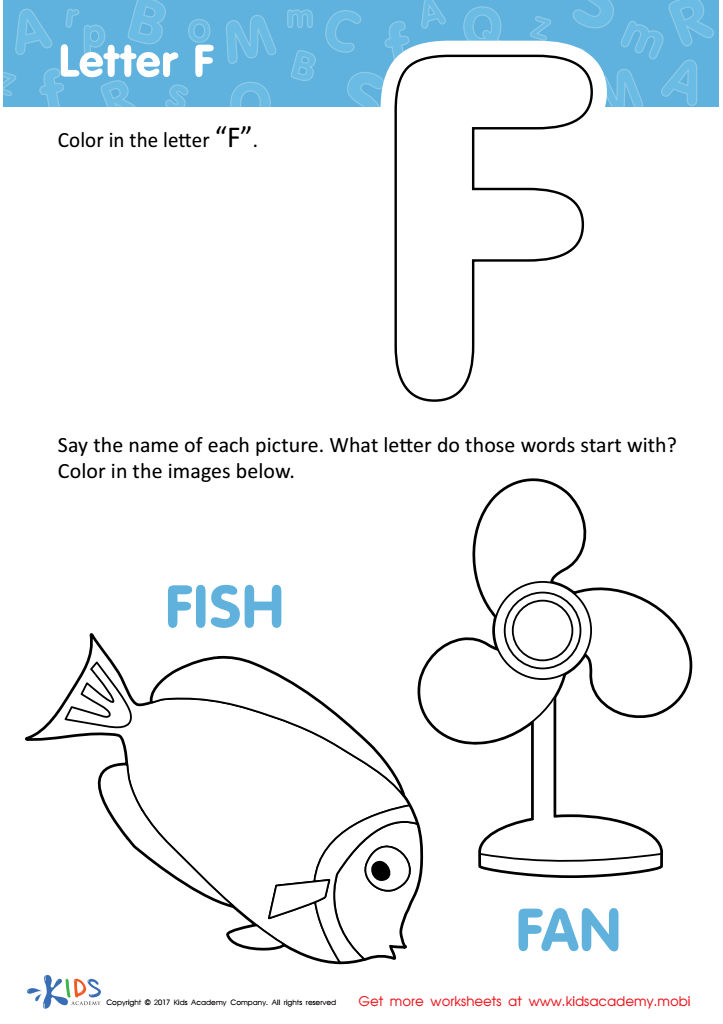
Letter F Coloring Sheet
Assign to My Students
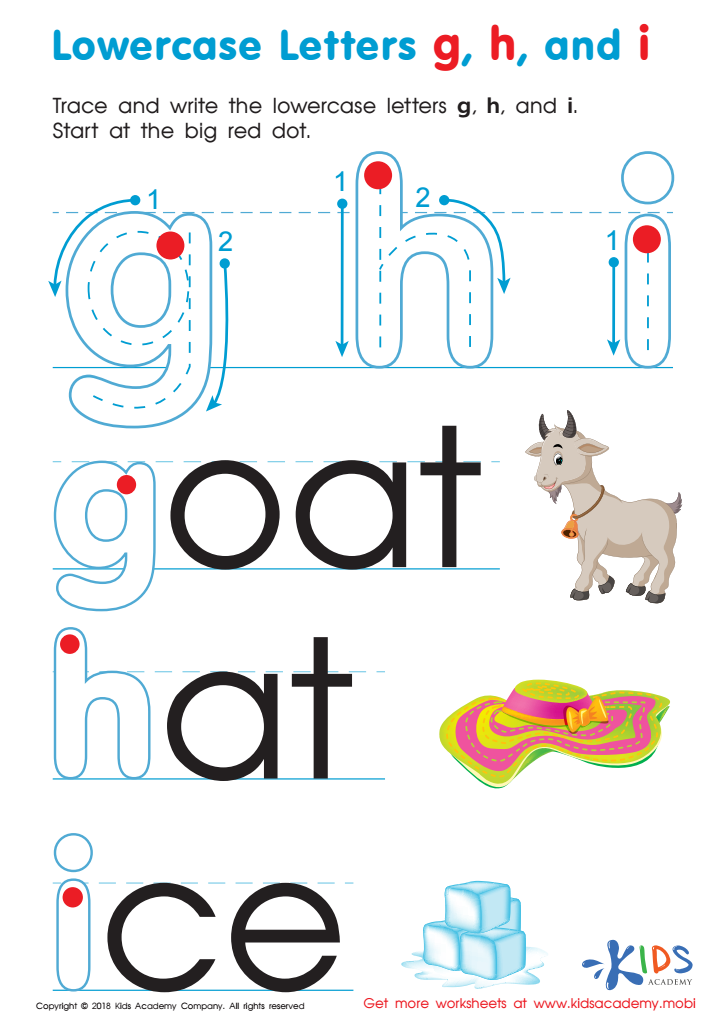
Lowercase Letters g h i Worksheet
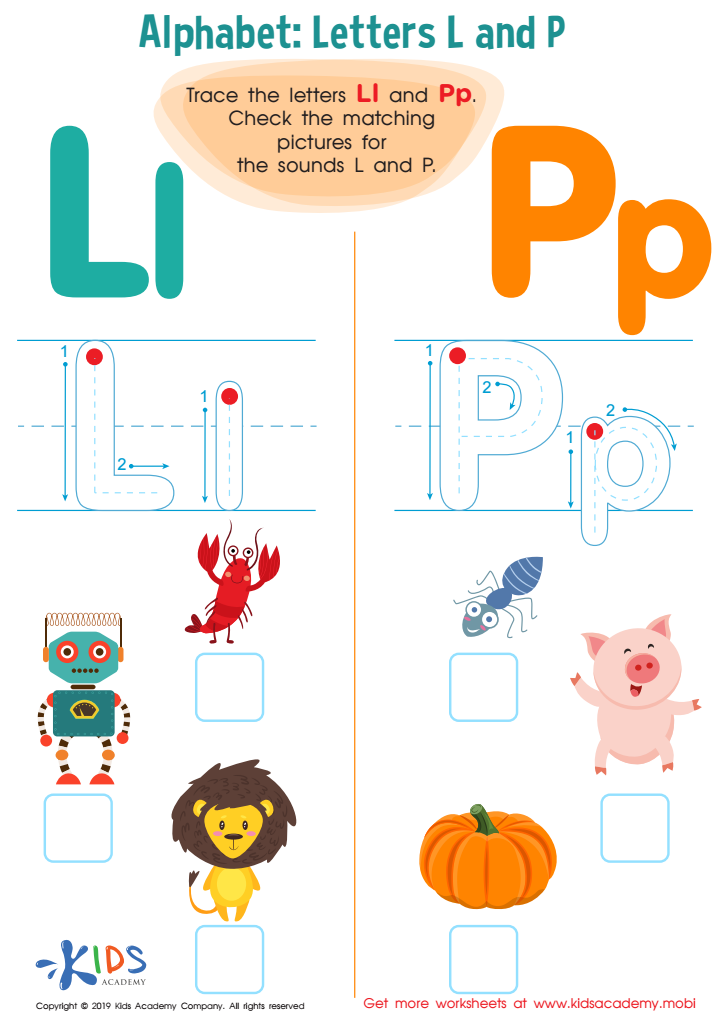
Letter L and P Tracing Worksheet
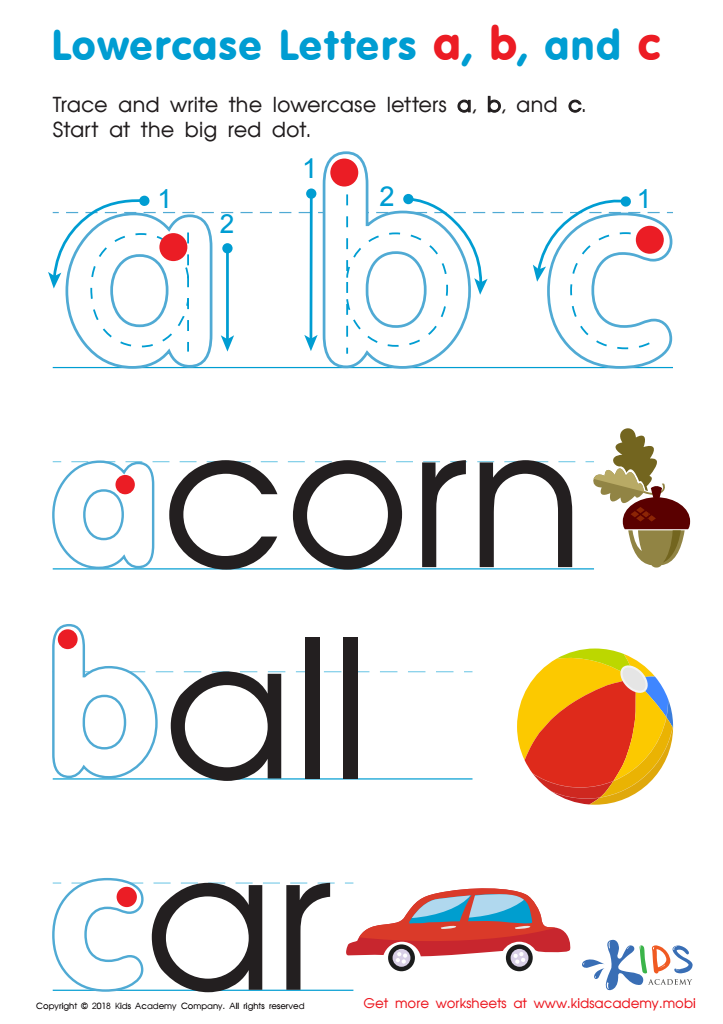
Lowercase Letters a b c Worksheet
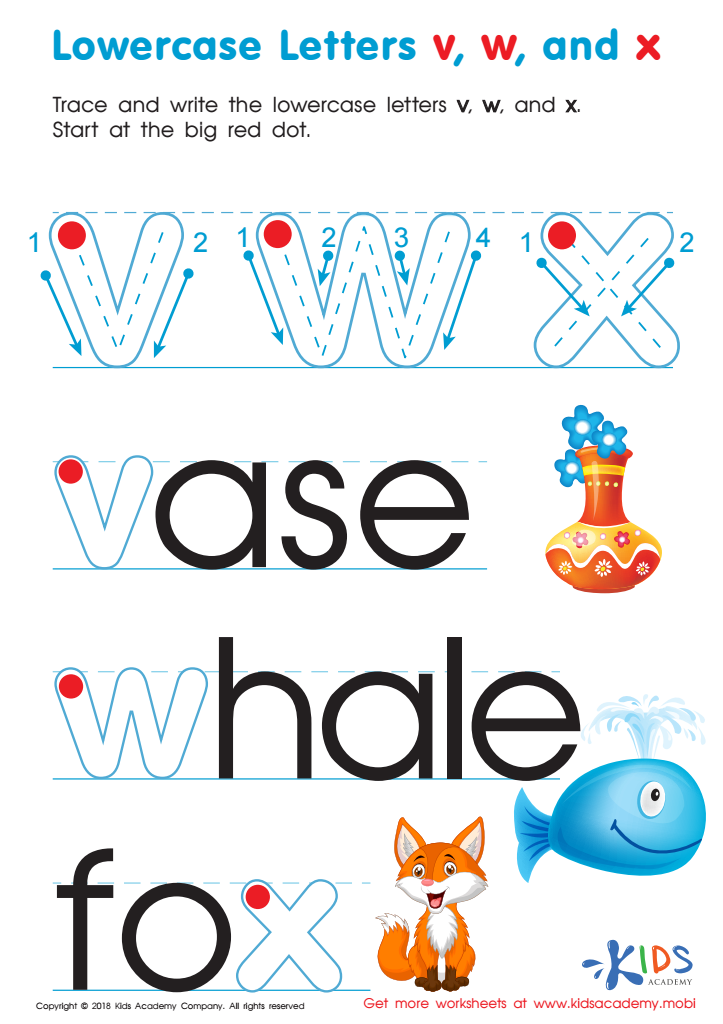
Lowercase Letters v w x Worksheet
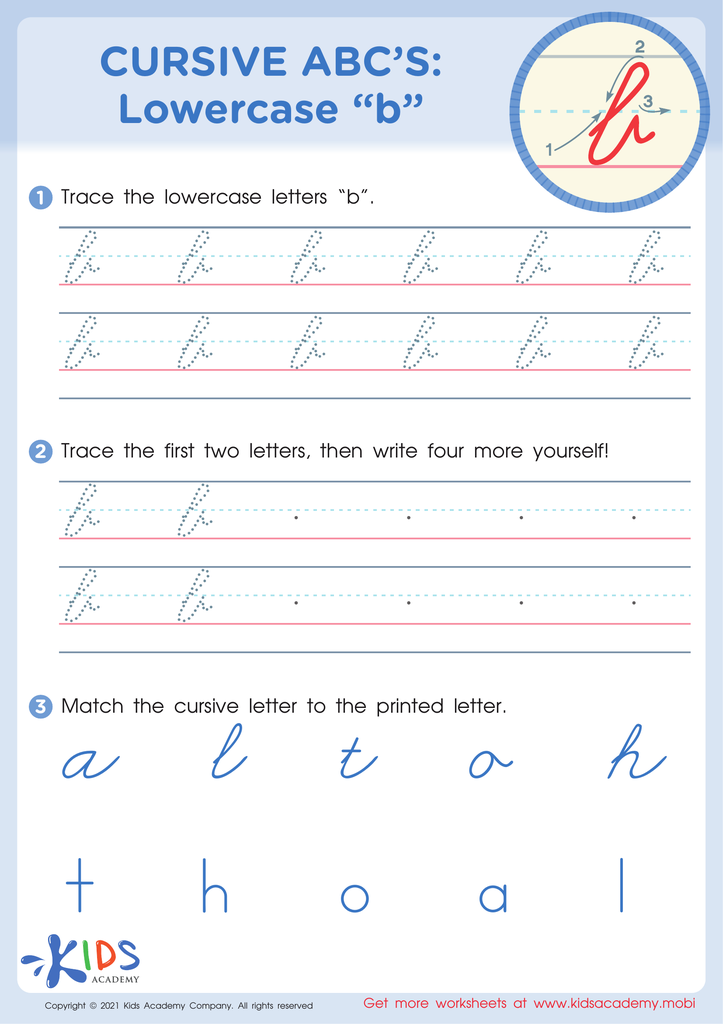
Cursive ABCs: Lowercase b
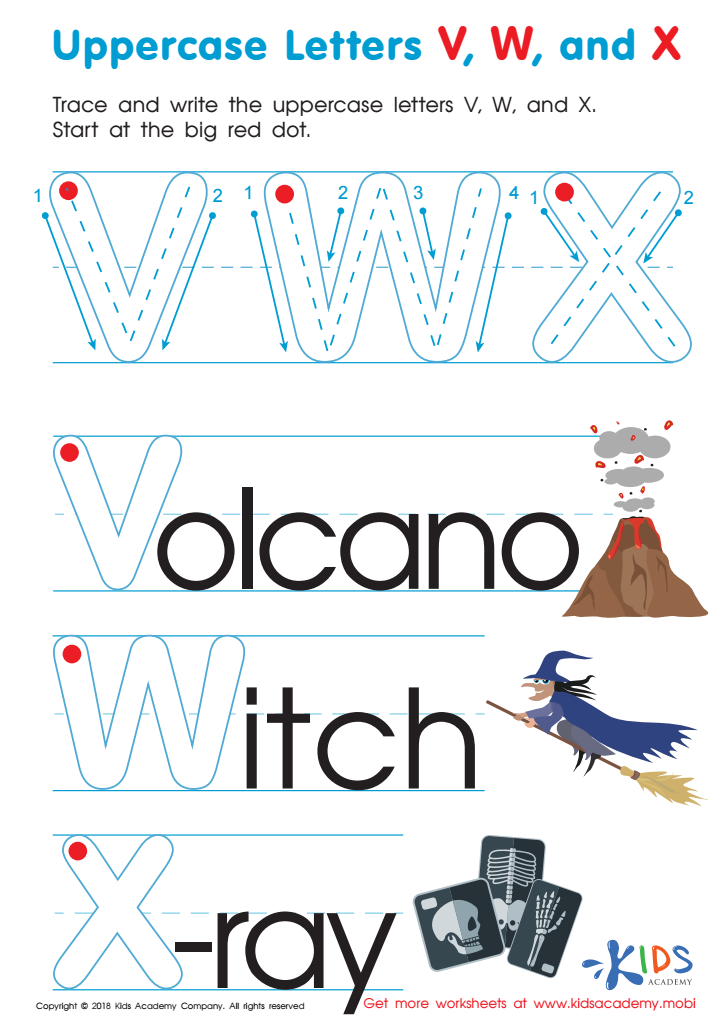
Uppercase Letters V, W, and X Worksheet
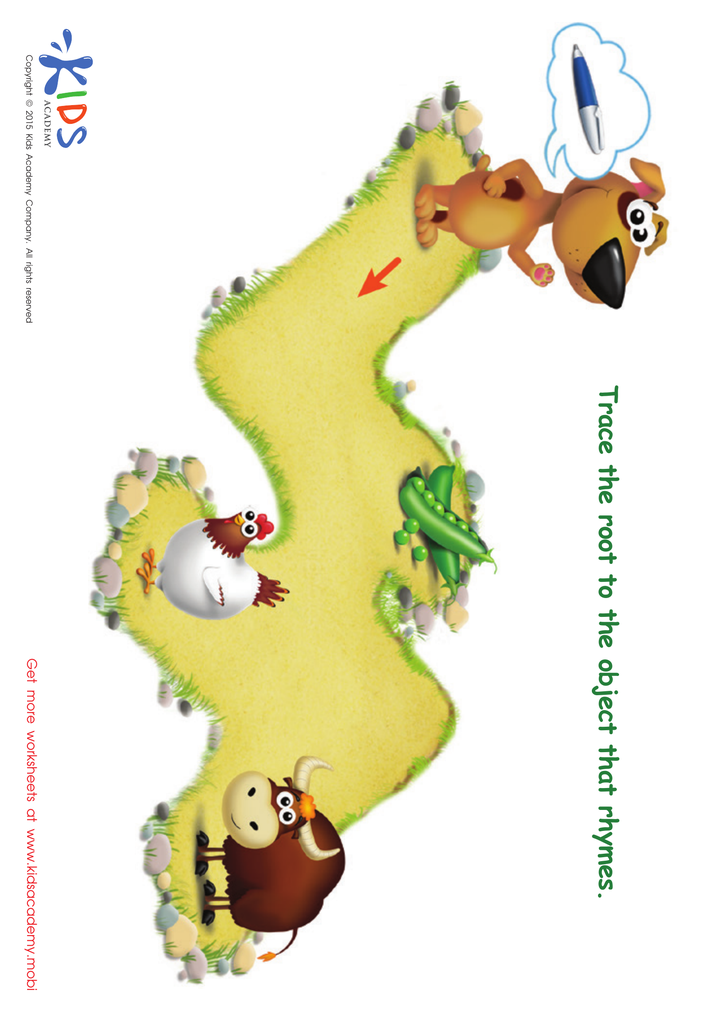
Pen Rhyming Words Worksheet
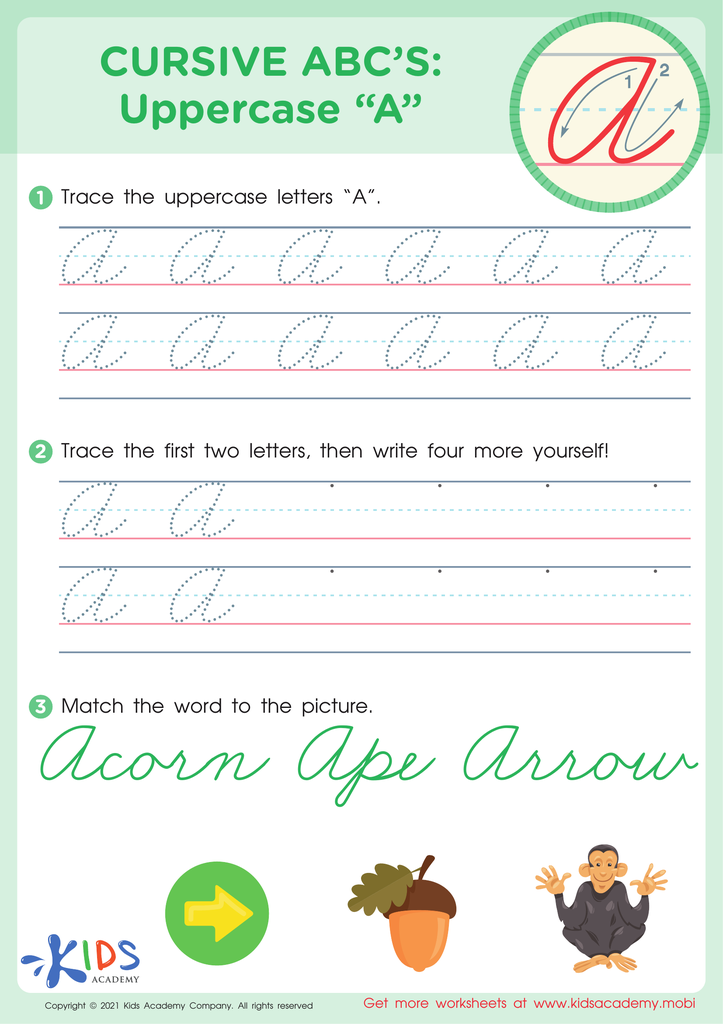
Cursive ABCs: Uppercase A
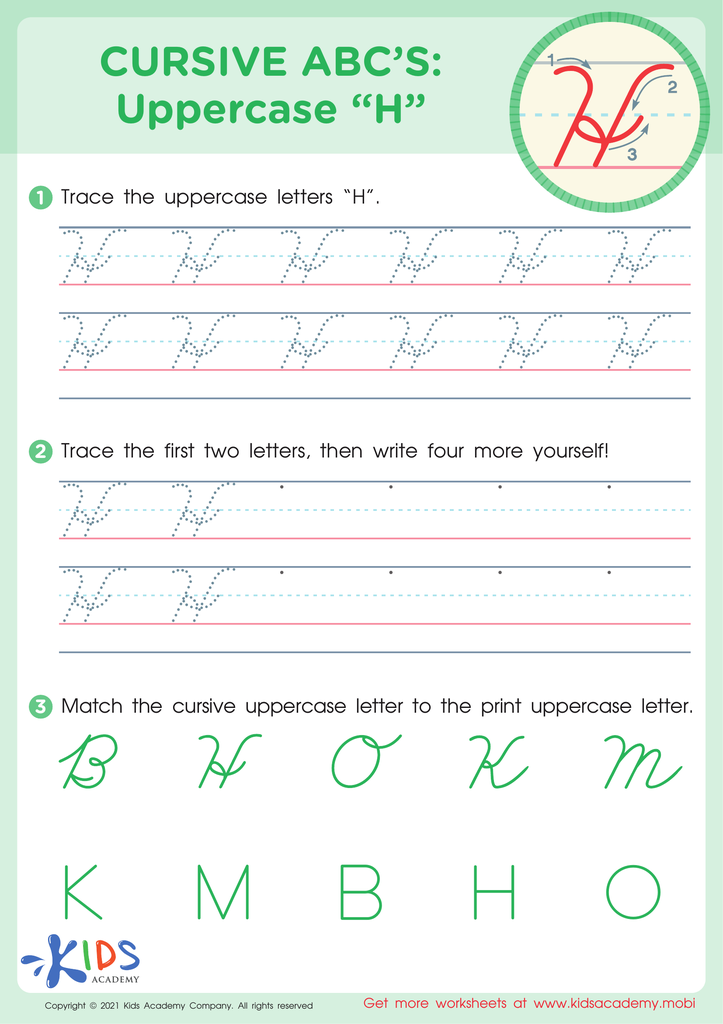
Cursive ABCs: Uppercase H






Alphabet recognition is crucial for children ages 6-8. It forms the foundational block of literacy, which influences overall academic success. Here’s why parents and teachers should care about it:
-
Reading and Writing: Recognizing letters is the first step toward reading fluency and writing proficiency. Without it, children cannot decode or spell words, hindering their ability to read books, comprehend stories, or express their thoughts through writing.
-
Learning Phonics: Recognizing the alphabet allows children to understand the relationship between letters and sounds, which is fundamental in phonics instruction. This skill helps them blend sounds to form words and improves their reading speed and comprehension.
-
Building Confidence: Early proficiency in alphabet recognition boosts a child’s confidence. When children know their letters, they feel more comfortable to explore reading and writing, leading to a positive attitude toward learning.
-
Classroom Success: Alphabet recognition is often linked to school readiness. Teachers build lessons around these skills in early grades. Children familiar with the alphabet can participate more actively and grasp new concepts more quickly.
-
Life Skills: Literacy is not restricted to academic success alone. Reading menus, instructions, signs, and even stories nurtures lifelong skills essential for daily living.
Investing time in alphabet recognition helps set the stage for a successful educational journey and fosters a love for reading and learning.







