Fine Motor Skills Alphabet Worksheets for Ages 6-8 - Page 4
77 filtered results
-
From - To
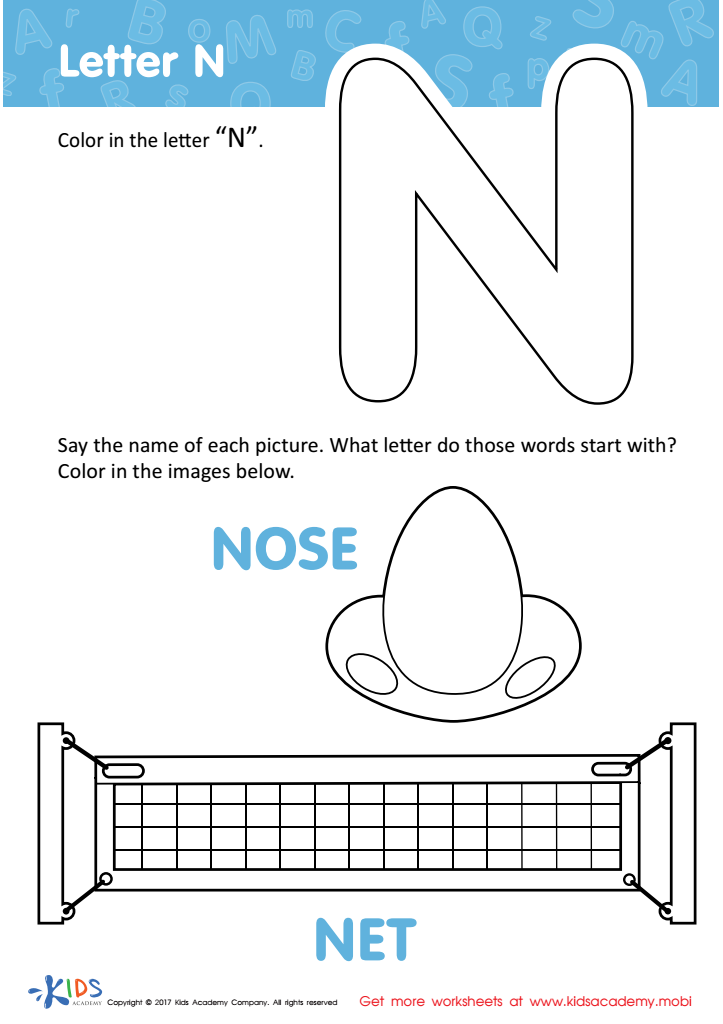
Letter N Coloring Sheet
 Assign to My Students
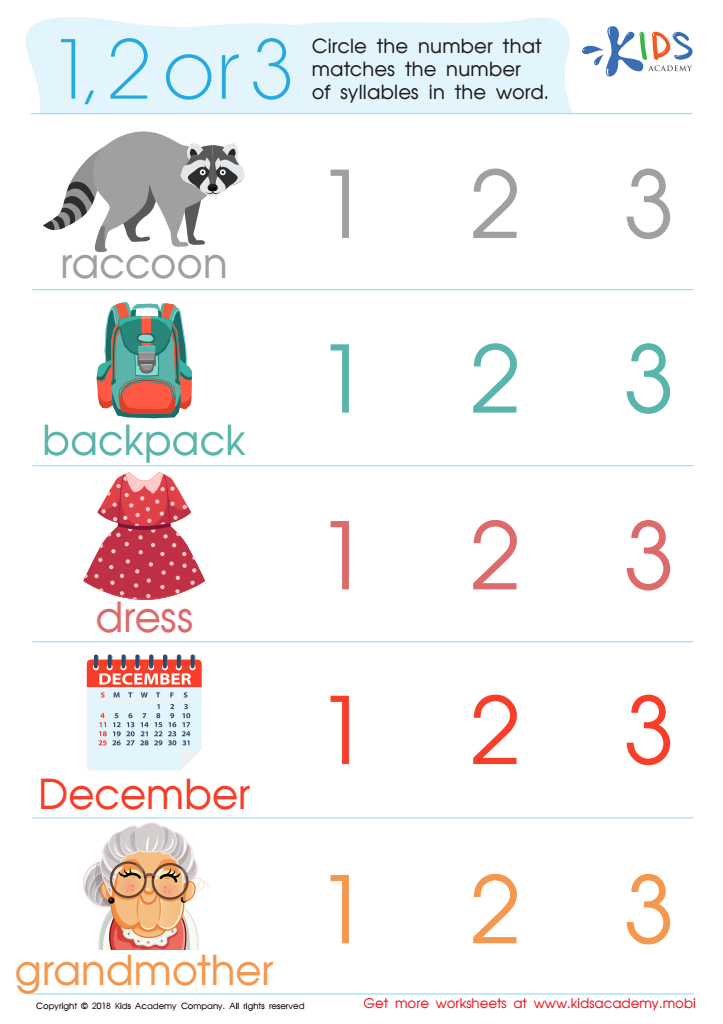
1, 2 or 3? Worksheet

Letter D Tracing Page

Uppercase Letters V, W, and X Worksheet
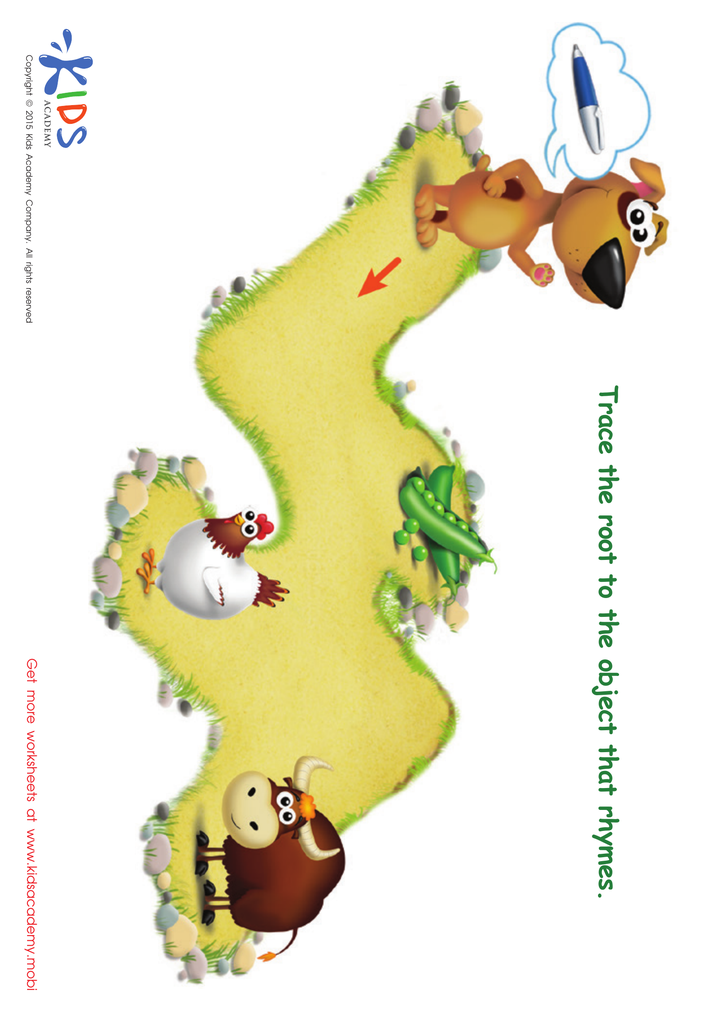
Pen Rhyming Words Worksheet






Fine motor skills are crucial for children ages 6-8 as they form the foundation for many daily activities and academic tasks. At this age, children refine their hand-eye coordination, dexterity, and control over small movements, laying the groundwork for effective writing, drawing, and task execution. Mastery of fine motor skills enables children to form letters correctly, use scissors, and manipulate classroom materials, which play an essential role in their learning and social interaction.
Educators and parents should prioritize the development of these skills as they directly influence a child's confidence and willingness to engage in classroom activities. Moreover, proficient fine motor skills can significantly impact a child's academic performance, affecting their ability to complete schoolwork independently and efficiently.
Incorporating activities that support fine motor development—such as threading beads, playing with playdough, or engaging in simple crafts—encourages essential growth. When teachers and parents actively support this development, they empower children to transition smoothly into more complex tasks as they continue their educational journey. By fostering fine motor skills, we equip children with the necessary tools for success, enhancing their overall learning experience and leading to greater independence and achievement in the long run.







