Letter recognition Alphabet Worksheets for Ages 6-8 - Page 4
74 filtered results
-
From - To
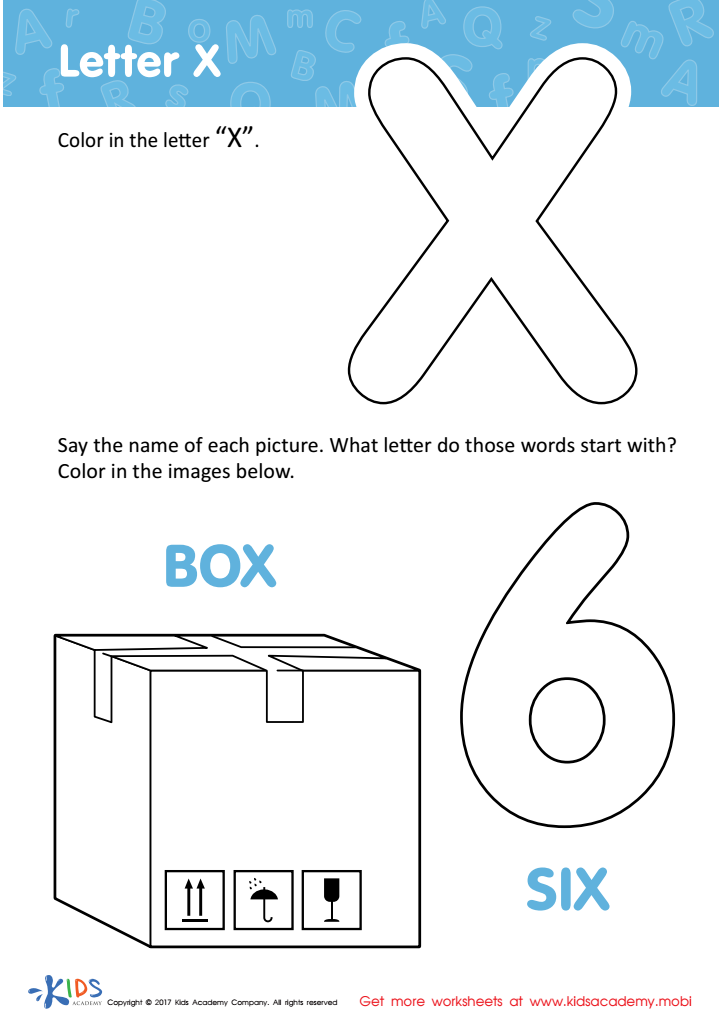
Letter X Coloring Sheet
 Assign to My Students
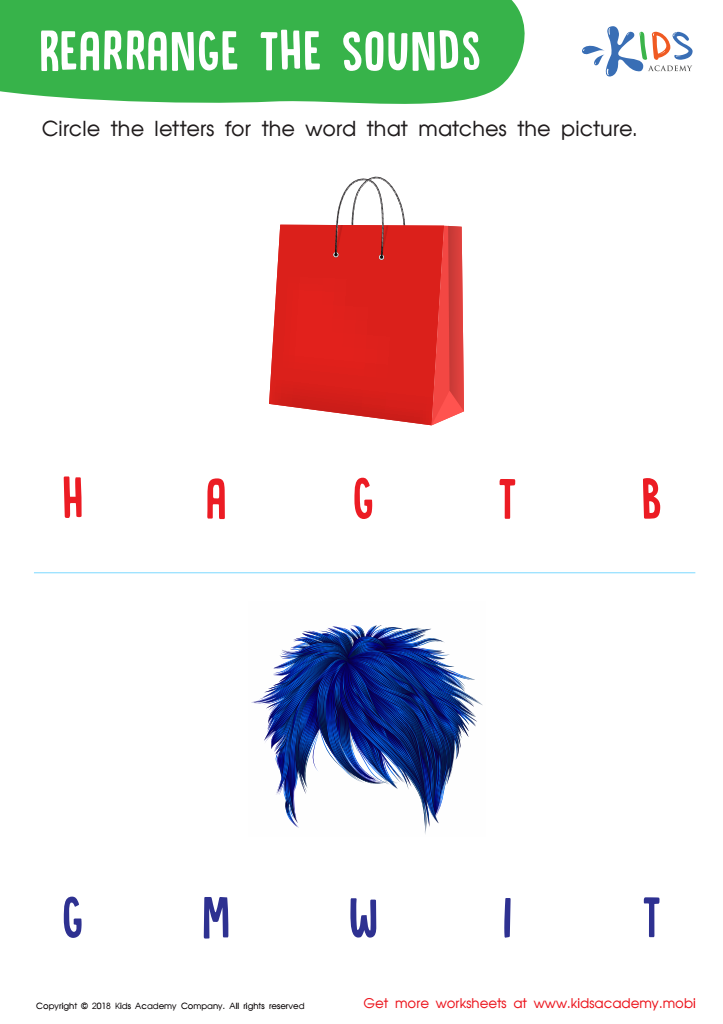
Rearrange the Sounds Worksheet








Letter recognition is a foundational skill critical for children ages 6-8, laying the groundwork for proficient reading and writing. For parents and teachers, fostering this skill early on is essential for several reasons. Firstly, letter recognition is directly linked to a child's ability to decode words. When children recognize letters quickly and accurately, they can more easily understand the sounds letters represent, facilitating smoother and more effective reading.
Moreover, strong letter recognition skills contribute to better spelling and vocabulary development. Children who can easily identify letters are more likely to learn new words efficiently, both in reading and in communicating their thoughts in writing. This, in turn, helps to boost their overall confidence and enjoyment of literacy activities.
Additionally, research consistently shows that early mastery of letter recognition is a predictor of future academic success. Without a solid foundation in recognizing letters, children may struggle with reading comprehension and other literacy components as they progress through school.
In a practical sense, letter recognition also promotes fine motor skills development. Activities like tracing, coloring, and writing letters help children improve hand-eye coordination and finger dexterity. By engaging in these tasks, children develop the physical skills needed for writing and other daily activities.
Ultimately, investing time and resources in developing letter recognition in young children empowers them with essential tools for lifelong learning and success.







