Problem-Solving Skills Alphabet Worksheets for Ages 6-8
8 filtered results
-
From - To
Unlock your child’s potential with our "Problem-Solving Skills Alphabet Worksheets for Ages 6-8"! These engaging and educational printables are designed to boost both alphabet mastery and critical thinking abilities. Each worksheet offers fun and interactive exercises that challenge young minds to recognize letters, spell words, and solve puzzles. Perfectly crafted for ages 6-8, our worksheets promote literacy, enhance cognitive skills, and encourage independent learning. Ideal for home or classroom use, these resources make learning exciting and effective. Help your child build a strong educational foundation while developing essential problem-solving skills. Start the journey to academic success today!
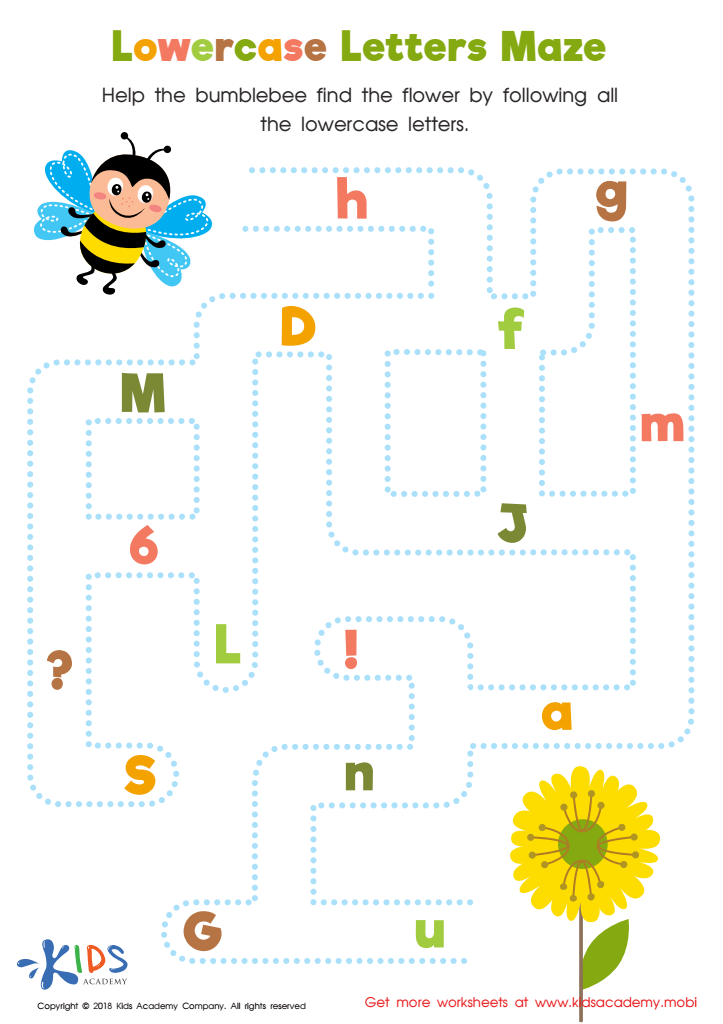
Lowercase Letters Maze Worksheet
 Assign to My Students

Hotel Mix-up Worksheet
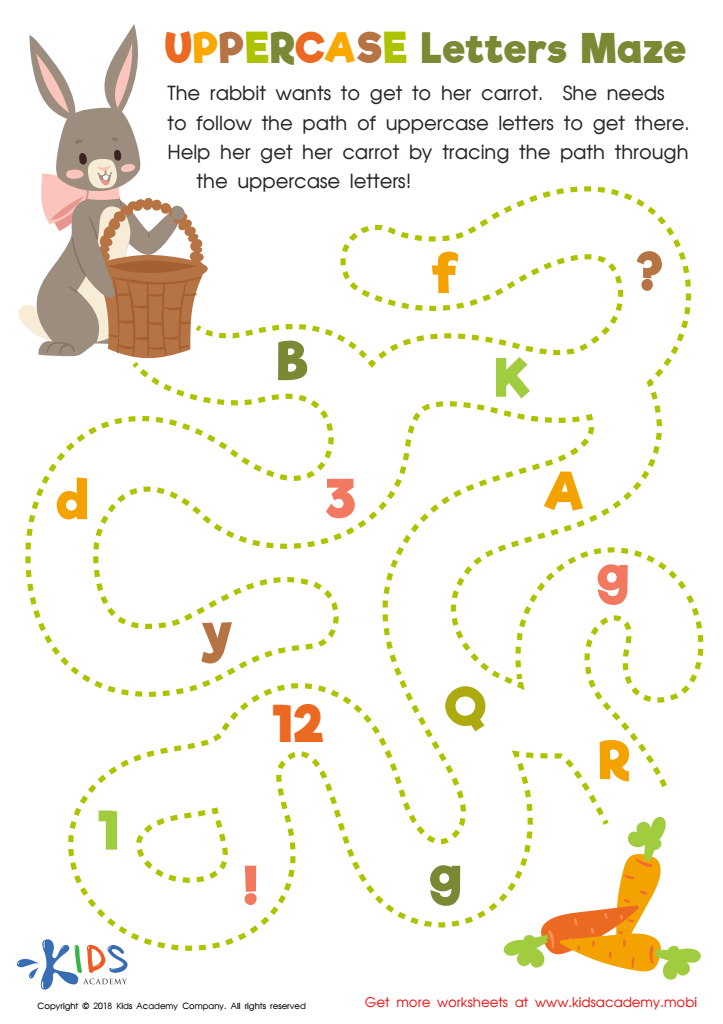
Uppercase Letters Maze Worksheet
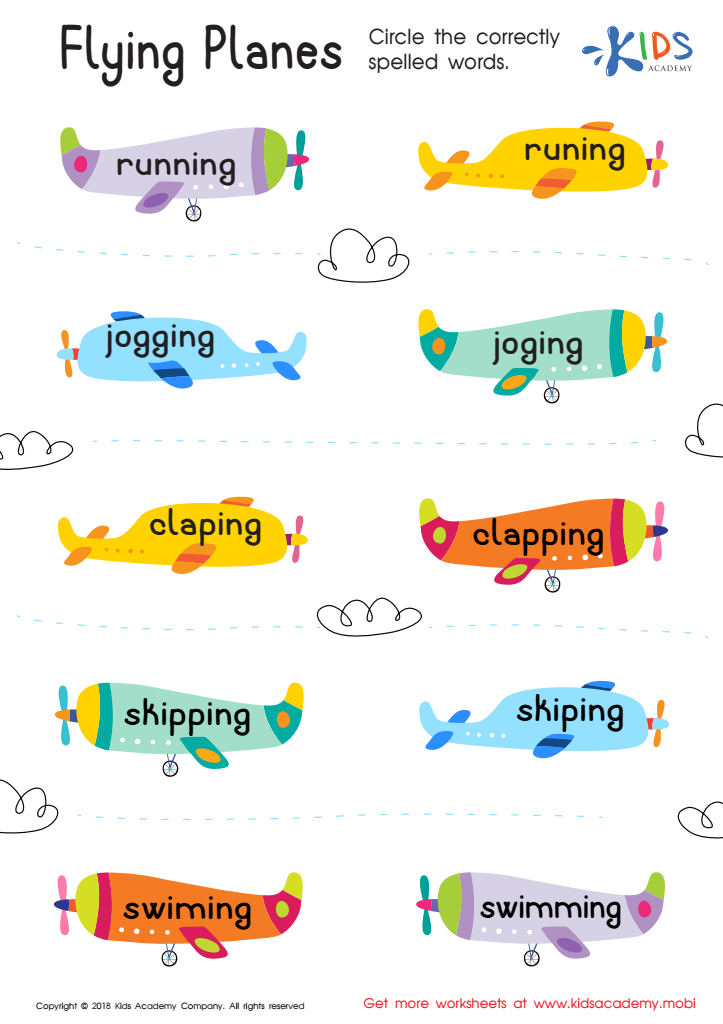
Flying Planes Worksheet
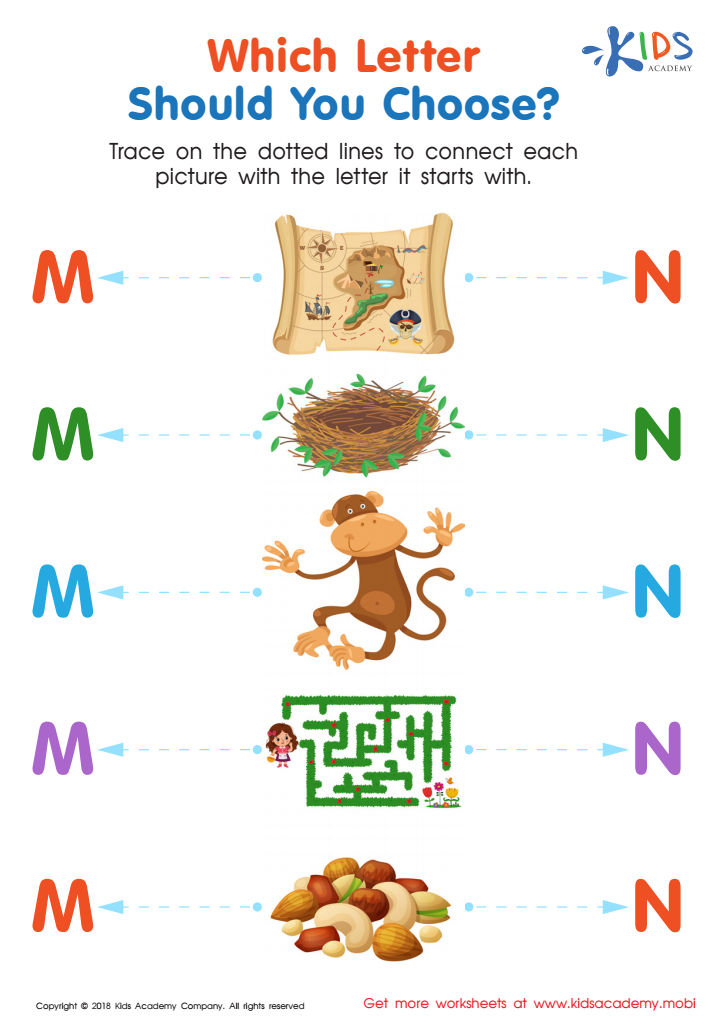
Which Letter Should you Choose? Worksheet
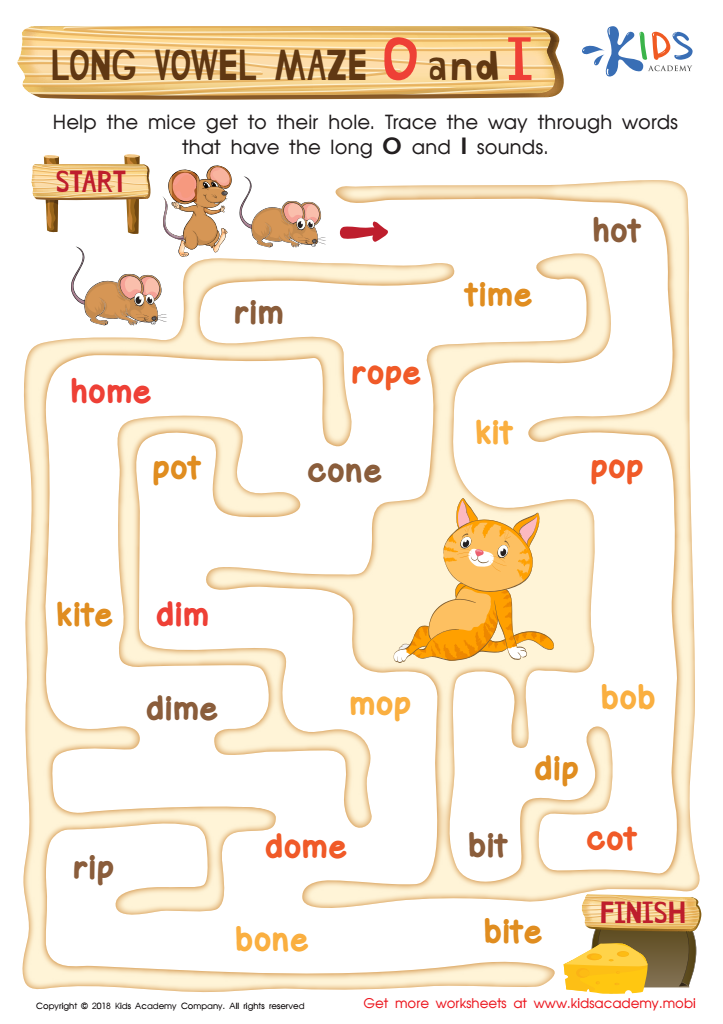
Long Vowel Maze /o/ and /i/ Worksheet
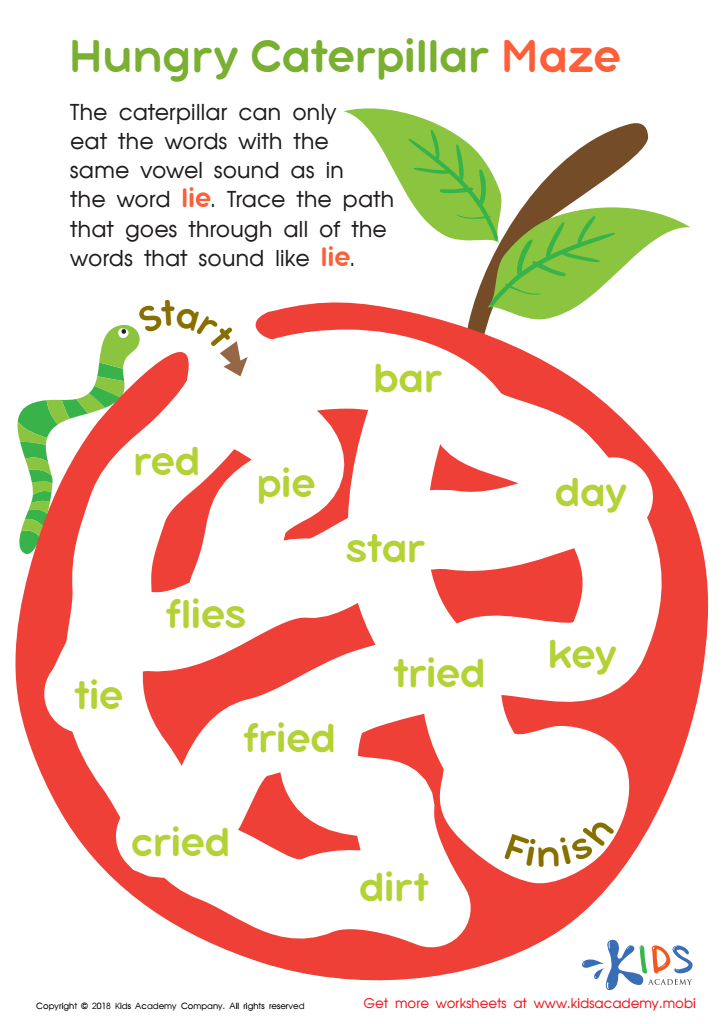
Hungry Caterpillar Maze Worksheet
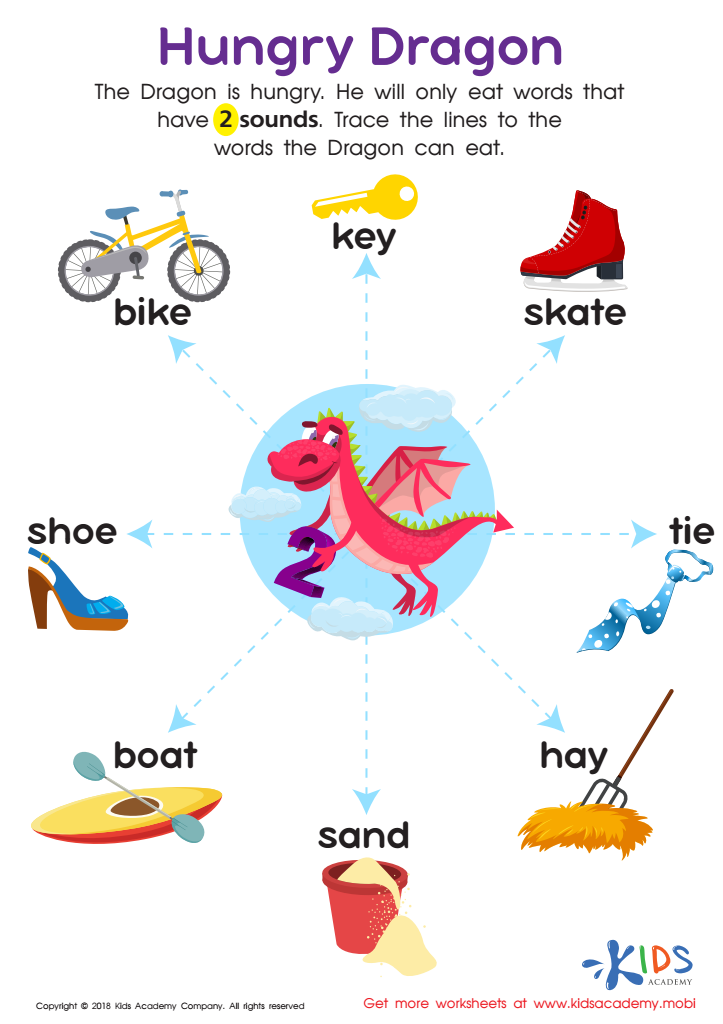
Hungry Dragon Worksheet








Problem-solving skills alphabet for ages 6-8 is crucial because it lays the foundational bedrock for critical thinking and lifelong learning. At this developmental stage, children are highly receptive and can grasp fundamental concepts that shape their future cognitive abilities. By familiarizing children with problem-solving vocabulary and concepts, parents and teachers empower them to approach challenges creatively, think independently, and develop resilience.
When children understand terms such as "analyze," "brainstorm," "collaborate," and "determine," they build a rich toolkit for navigating academic and social situations. This early exposure promotes cognitive flexibility, allowing kids to see multiple solutions to a single problem.
Furthermore, introducing problem-solving skills boosts self-confidence. As children successfully tackle problems using newly acquired skills and language, their belief in their abilities grows, fostering a positive attitude toward learning.
Finally, focusing on problem-solving skills aids in emotional development. Children learn to manage frustrations, develop patience, and recognize the values of persistence and adaptability—key traits that extend beyond academics.
In summary, the effort parents and teachers invest in teaching problem-solving skills at an early age through an engaging alphabet approach will yield learners who are better equipped to handle diverse challenges, paving the way for both academic success and personal growth.







