Alphabet Recognition Letter Recognition Worksheets for Ages 6-8 - Page 2
42 filtered results
-
From - To
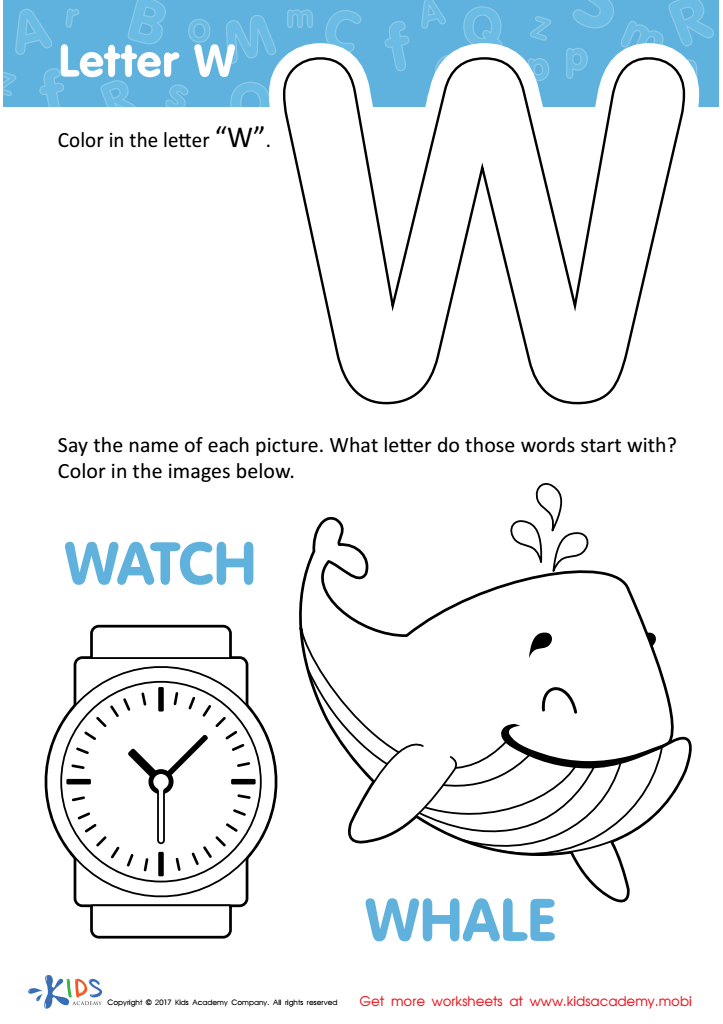
Letter W Coloring Sheet
 Assign to My Students
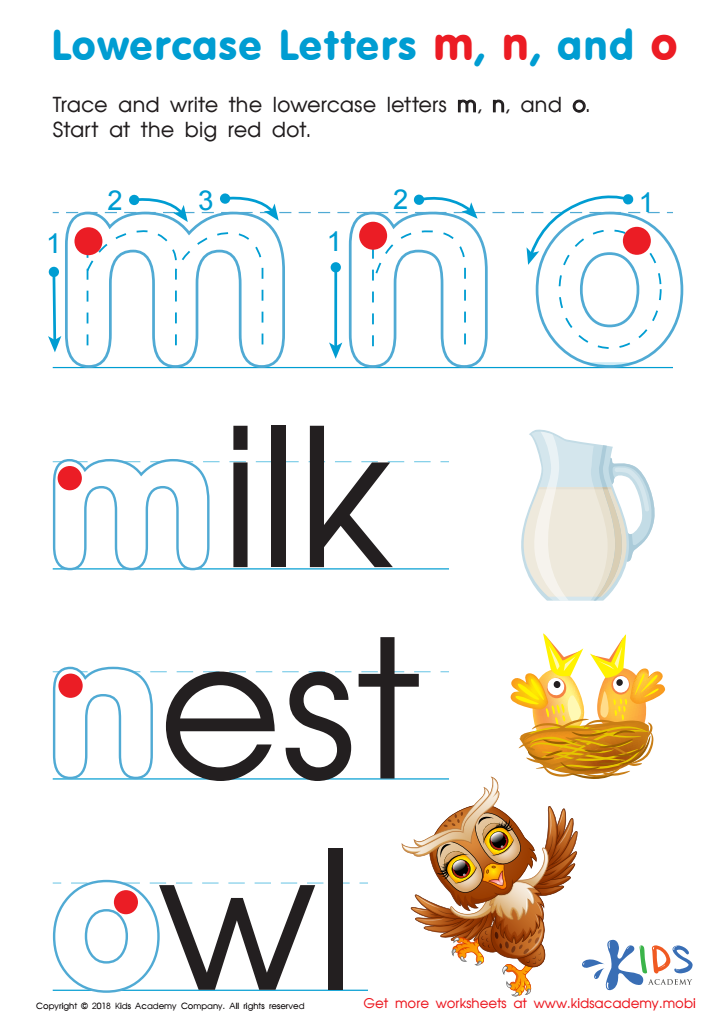
Lowercase Letters m n o Worksheet
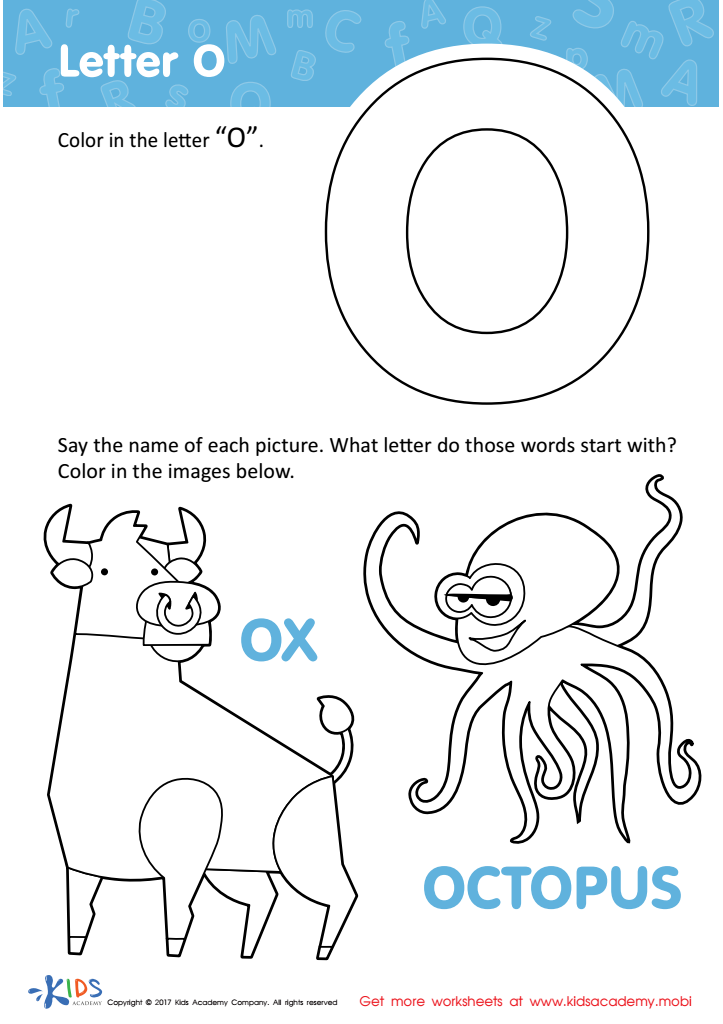
Letter O Coloring Sheet
Assign to My Students
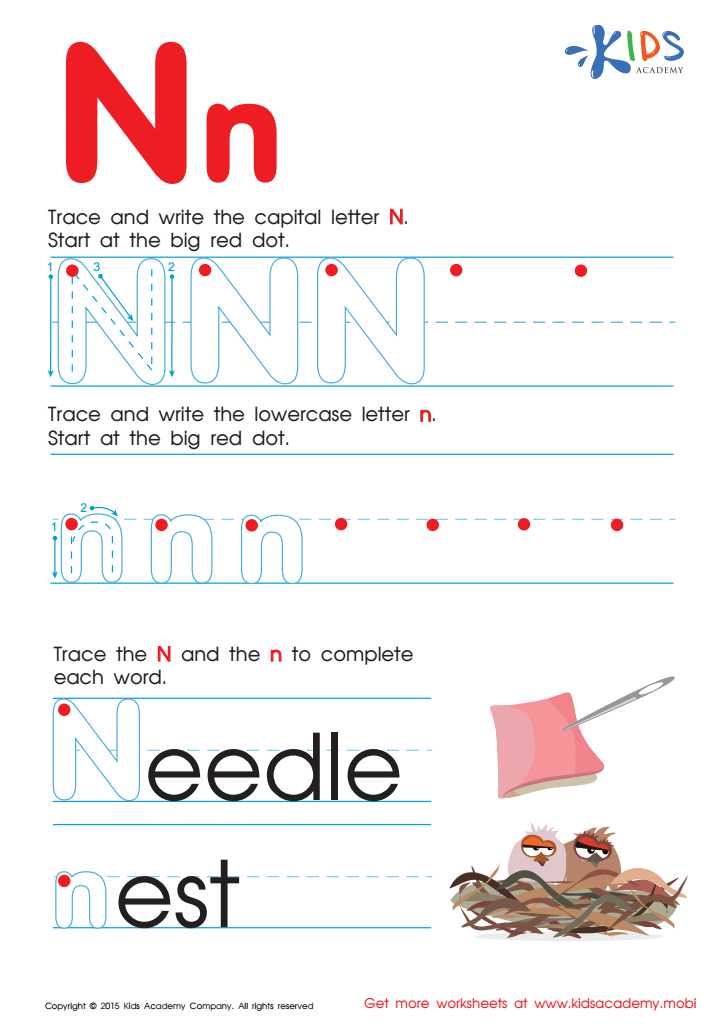
Letter N Tracing Page
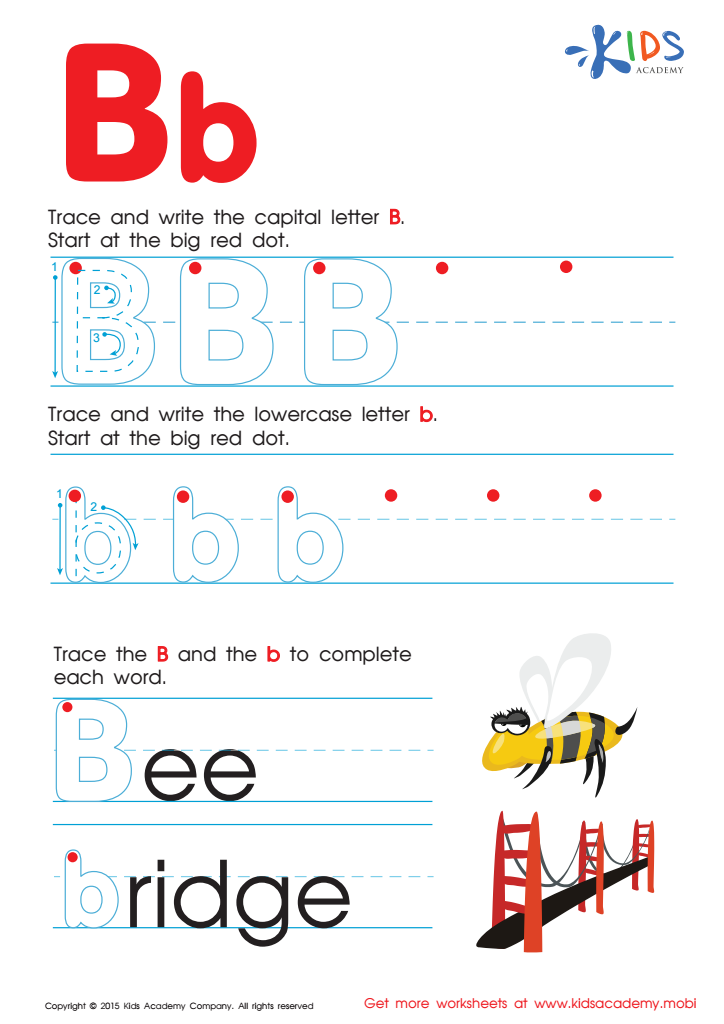
Letter B Tracing Page
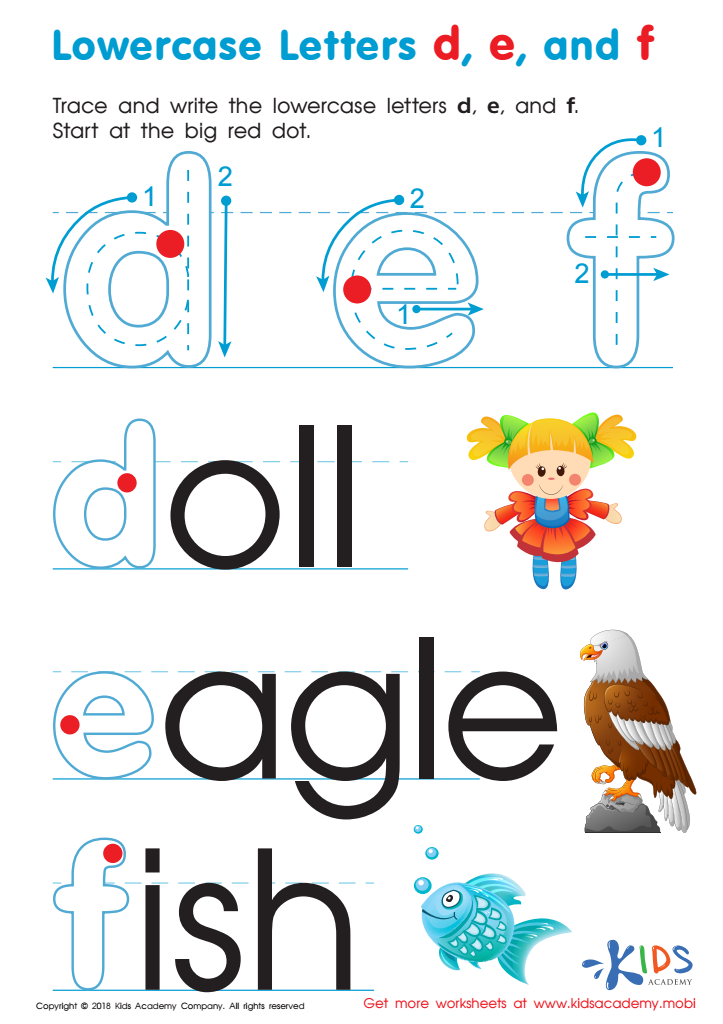
Lowercase Letters d e f Worksheet
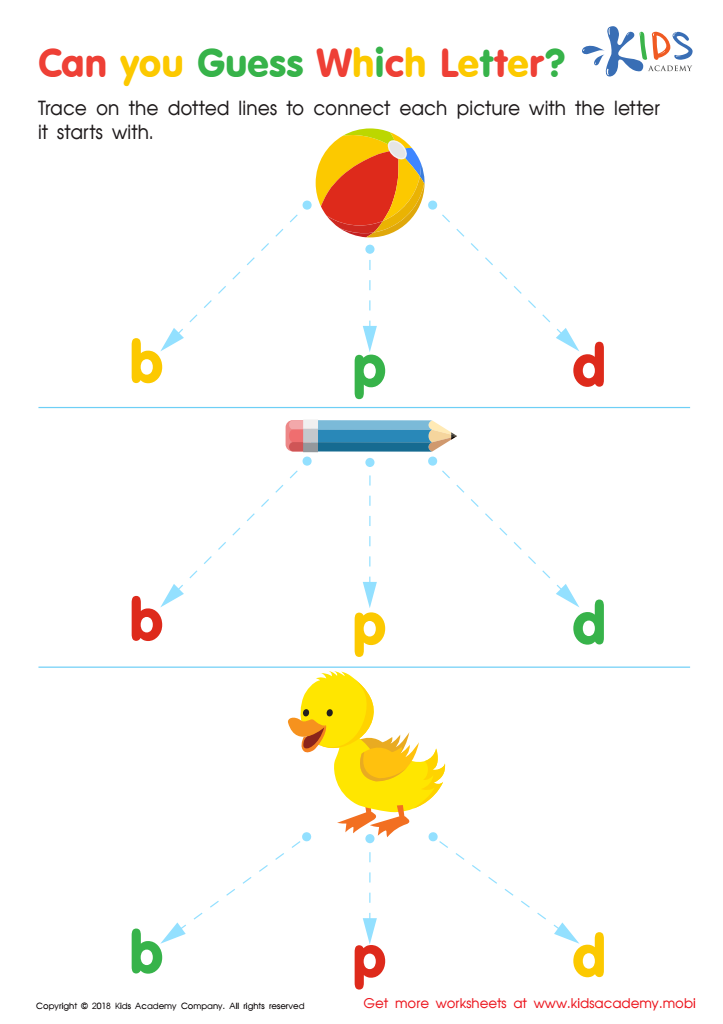
Can you Guess Which Letter? Worksheet
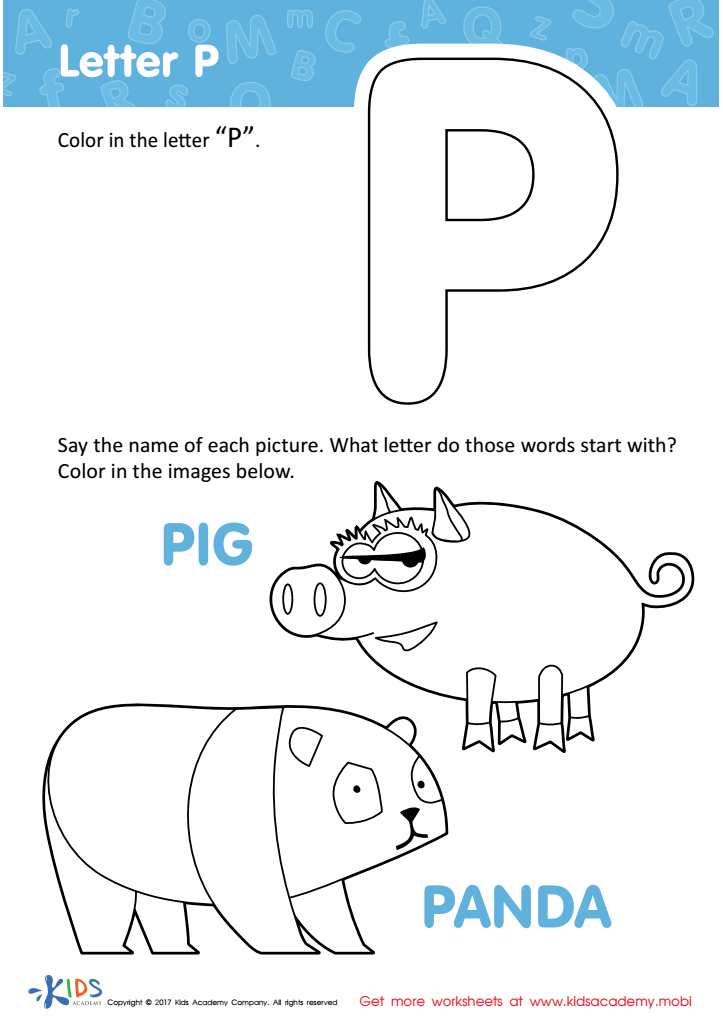
Letter P Coloring Sheet
Assign to My Students
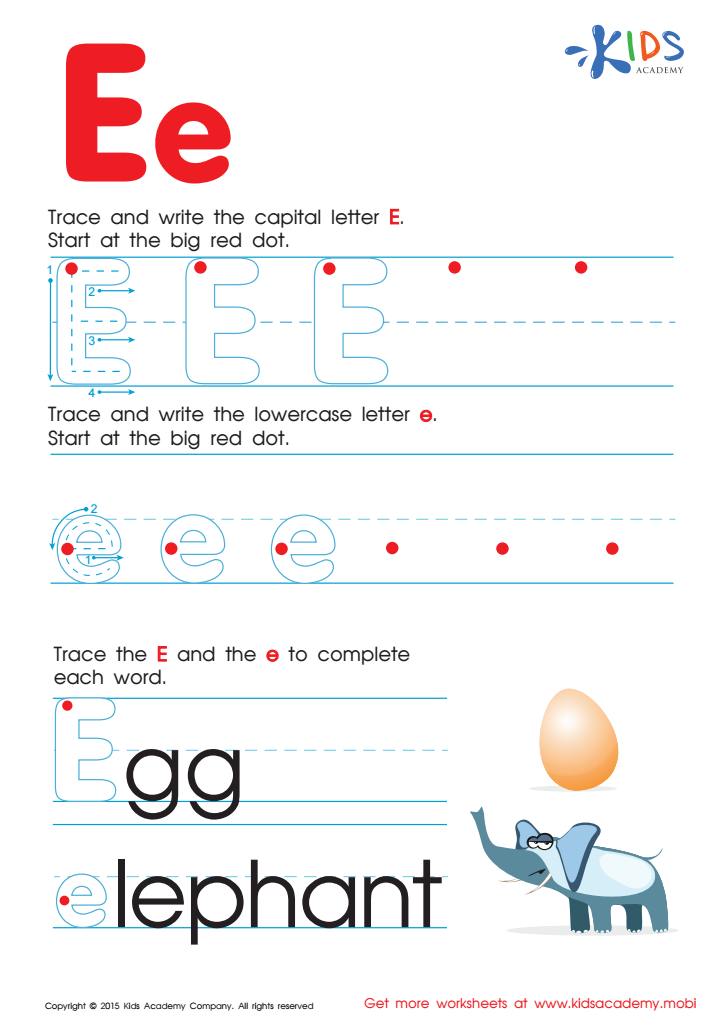
Letter E Tracing Page
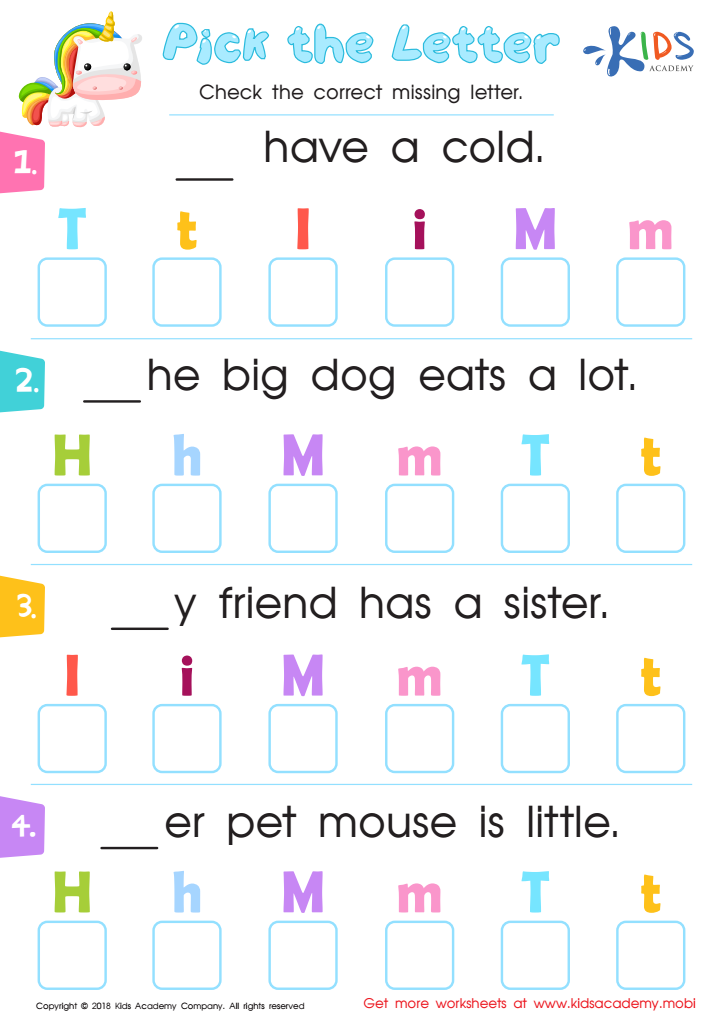
Pick the Letter Worksheet
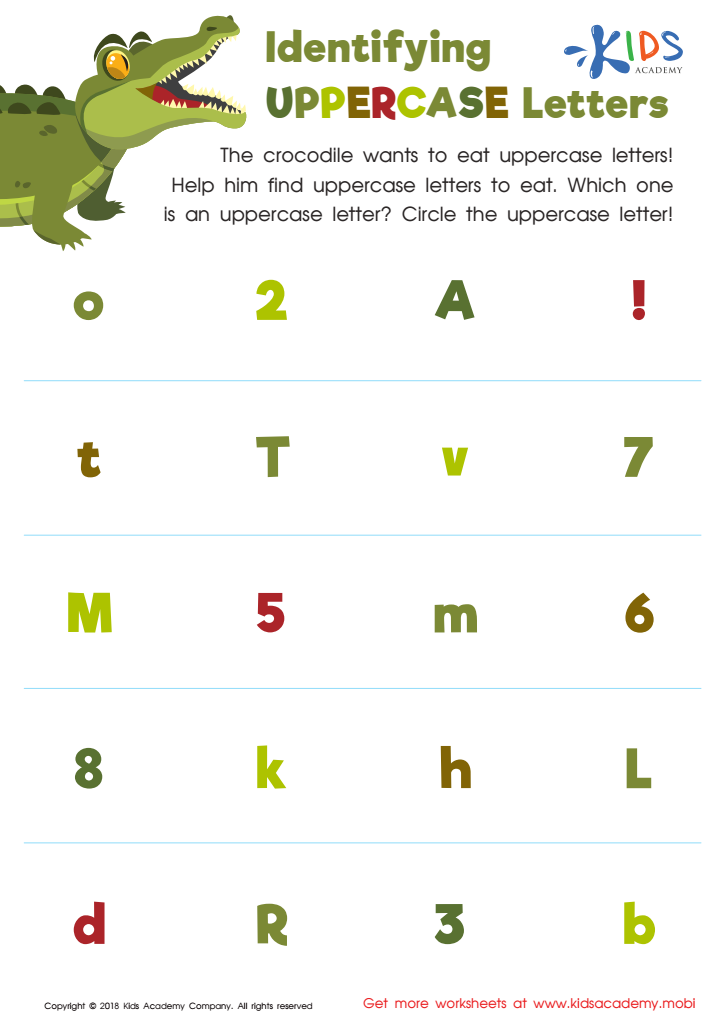
Identifying Uppercase Letters Worksheet
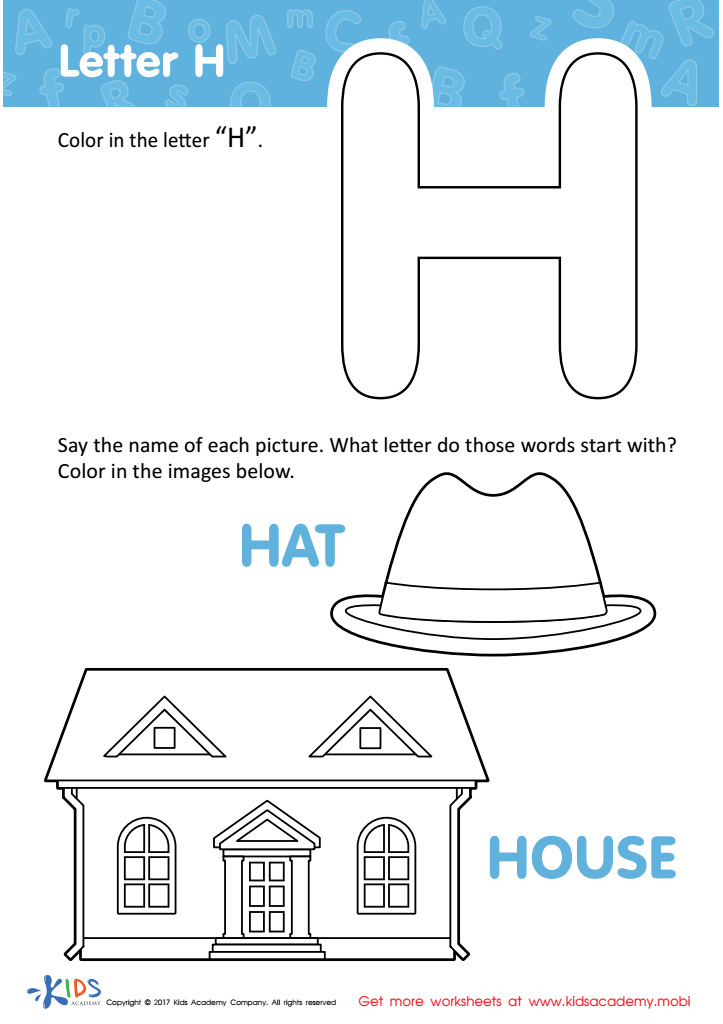
Letter H Coloring Sheet
Assign to My Students
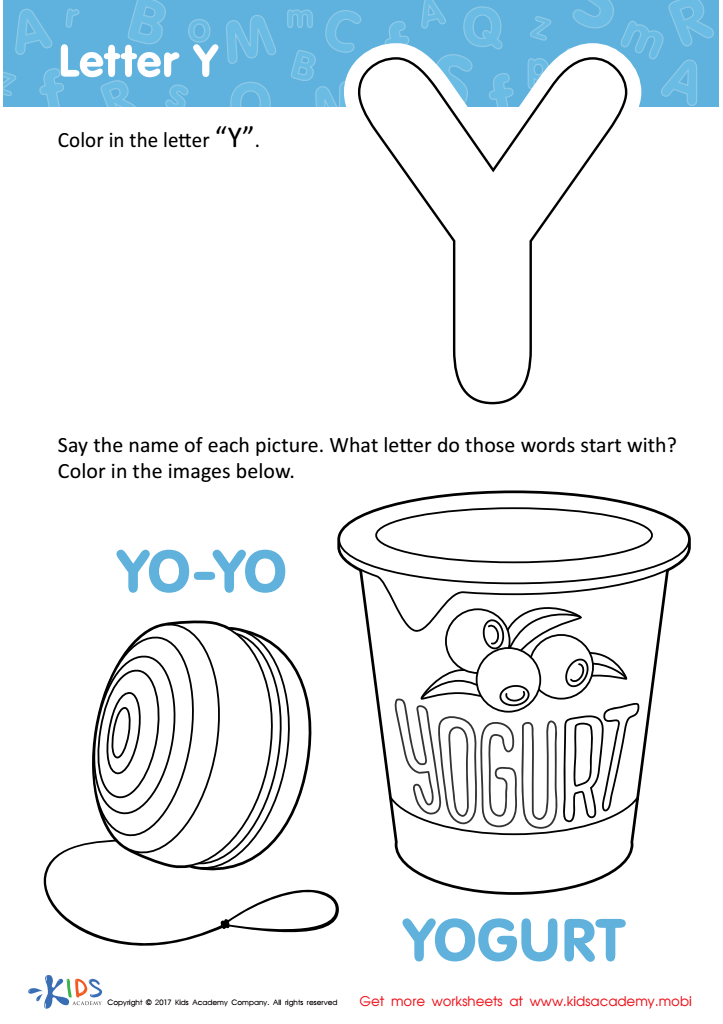
Letter Y Coloring Sheet
Assign to My Students
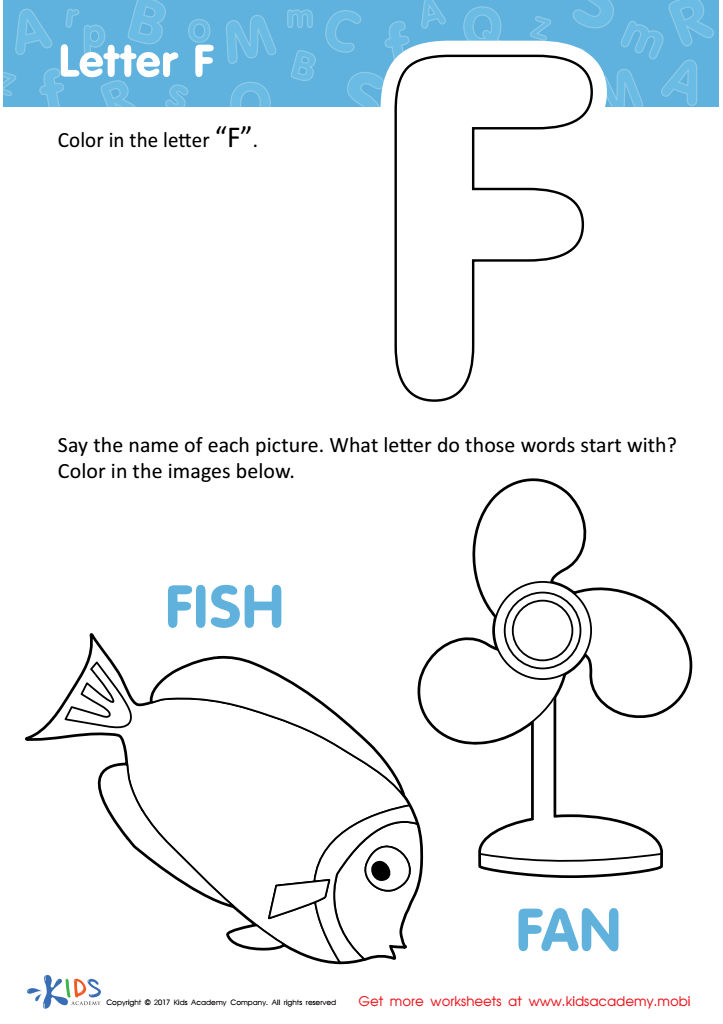
Letter F Coloring Sheet
Assign to My Students
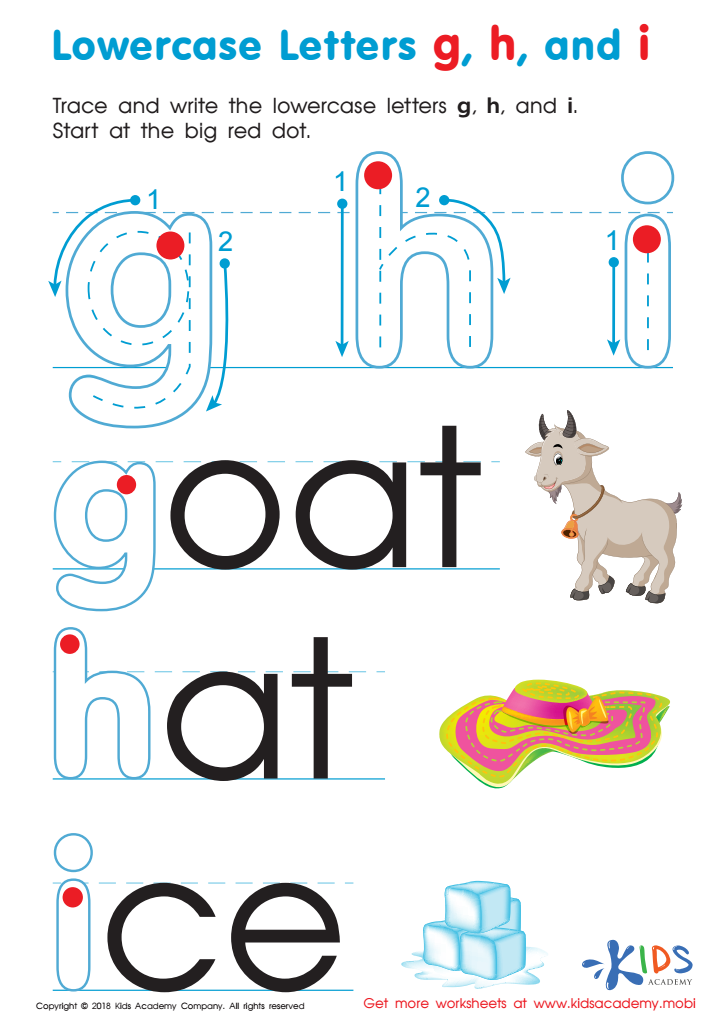
Lowercase Letters g h i Worksheet
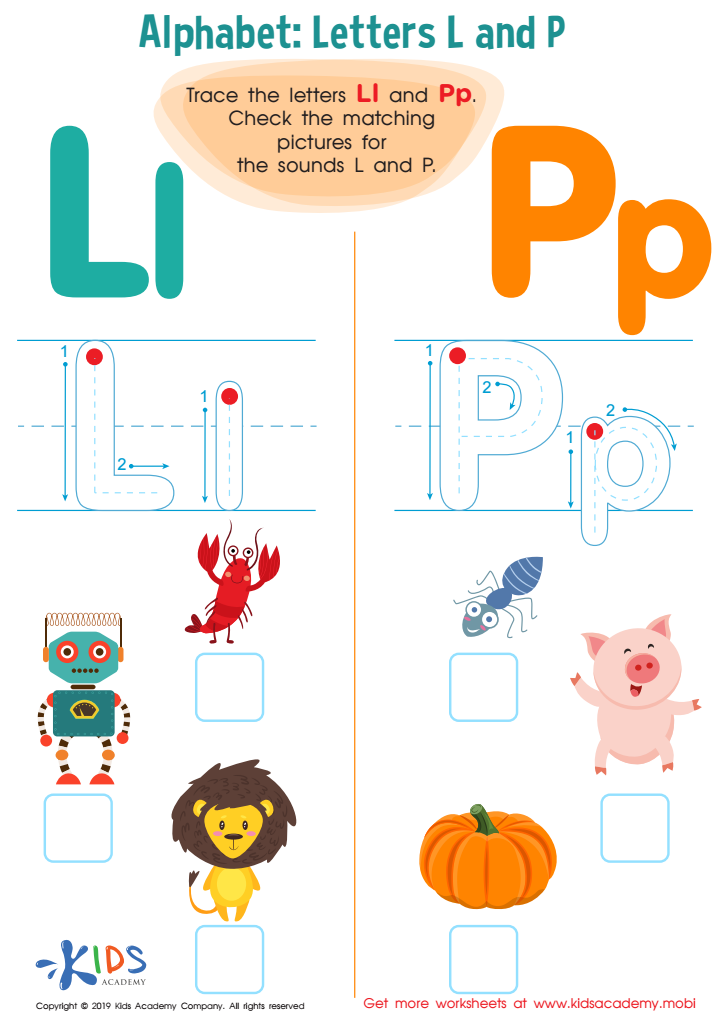
Letter L and P Tracing Worksheet
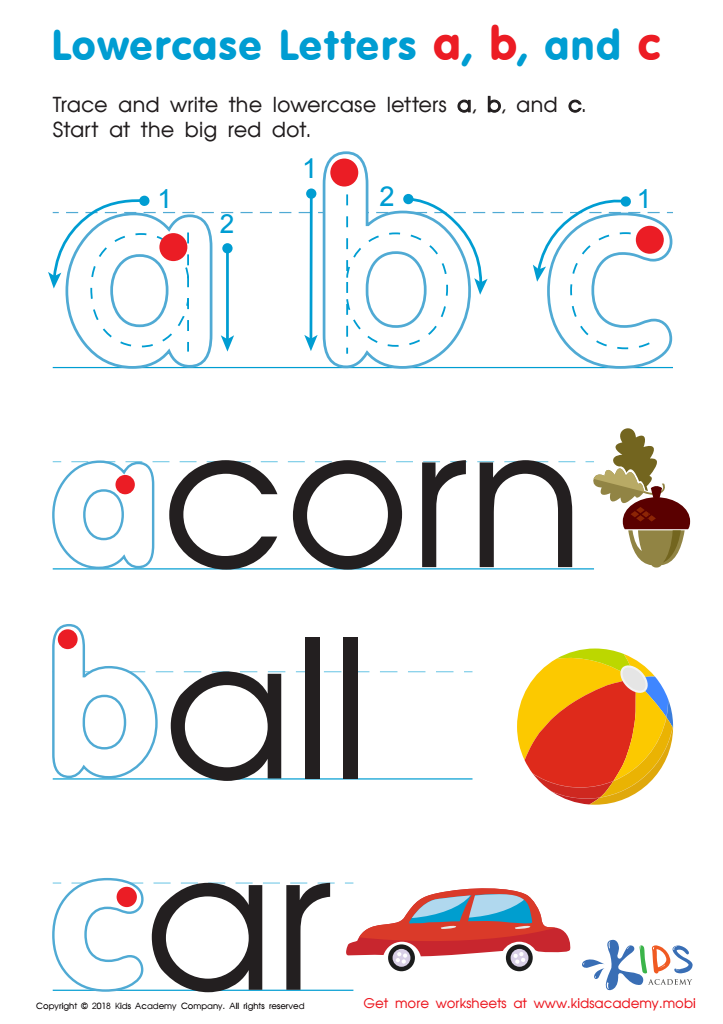
Lowercase Letters a b c Worksheet

Uppercase Letters V, W, and X Worksheet








Alphabet recognition is critical for children aged 6-8 as it serves as the foundation for literacy development. At this stage, learners transition from basic letter identification to understanding sounds, forming words, and developing their reading skills. Mastery of the alphabet allows students to decode words efficiently, enhancing their ability to interpret and comprehend text.
Parents and teachers should prioritize alphabet recognition because children who struggle with this essential skill are at risk of falling behind in their reading development, ultimately affecting their overall academic performance. Early readers who can recognize letters quickly and accurately are more likely to develop a love for reading, fostering creativity and imagination as they engage with various texts.
Furthermore, consistent practice in alphabet recognition can boost children's confidence and independence as learners. Engaging activities, such as tracing letters, singing the alphabet song, or playing letter-based games, not only make learning enjoyable but also strengthen fine motor skills and cognitive abilities.
In summary, emphasizing alphabet recognition during these formative years lays vital groundwork for effective communication, critical thinking, and successful literacy. Through meaningful supervision and support, we can guide our young learners toward becoming proficient readers and confident individuals.







