Hand-eye Coordination Letter Recognition Worksheets for Ages 6-8
10 filtered results
-
From - To
"Hand-eye Coordination Letter Recognition Worksheets for Ages 6-8" are expertly designed to develop foundational skills in young learners. These engaging and interactive worksheets not only enhance letter recognition but also improve fine motor skills through fun activities such as tracing, matching, and coloring. Tailored for children ages 6-8, these educational resources support cognitive development and hand-eye coordination, making learning both effective and enjoyable. Ideal for home or classroom use, our worksheets provide a perfect blend of education and entertainment, encouraging confidence and proficiency in early literacy skills. Unlock your child's potential with our thoughtfully crafted worksheets today!
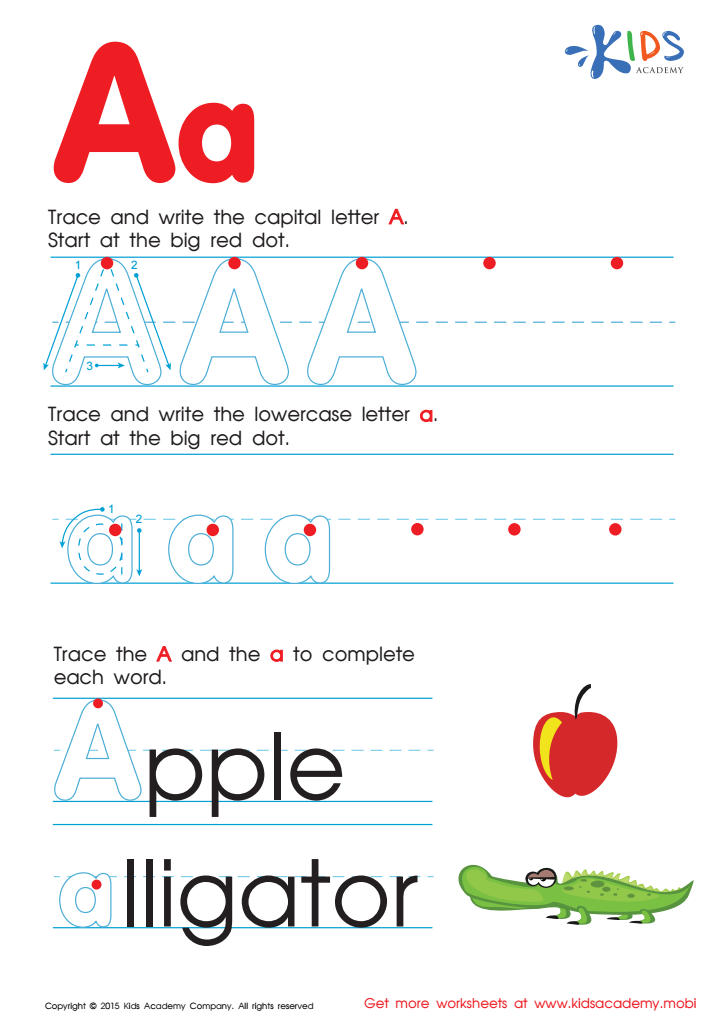
Letter A Tracing Page
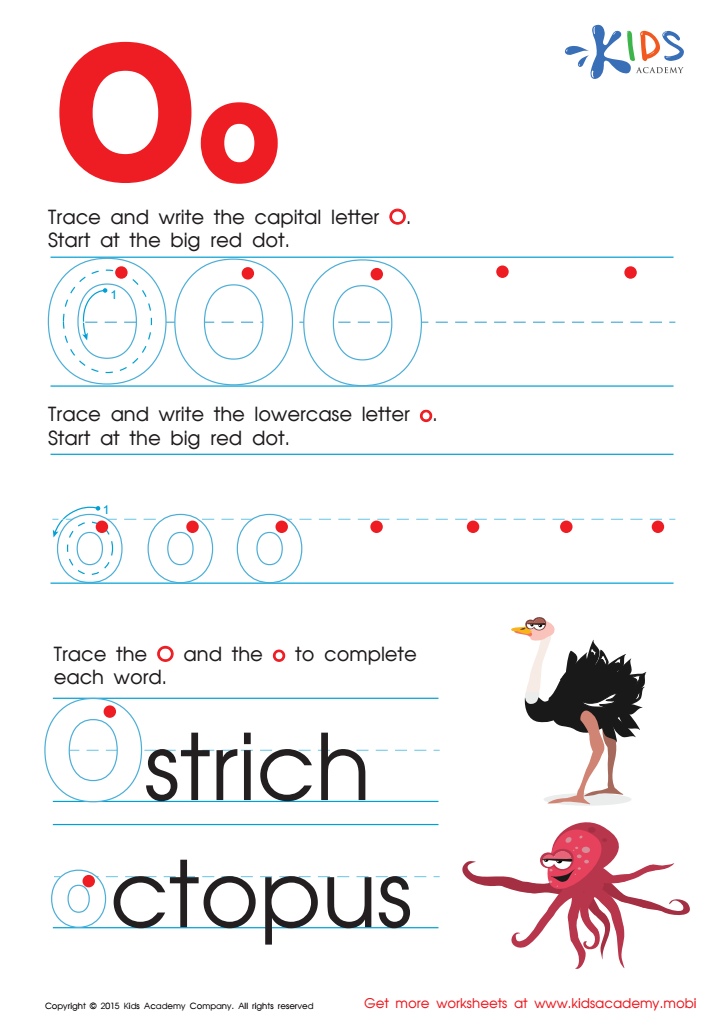
Letter O Tracing Page
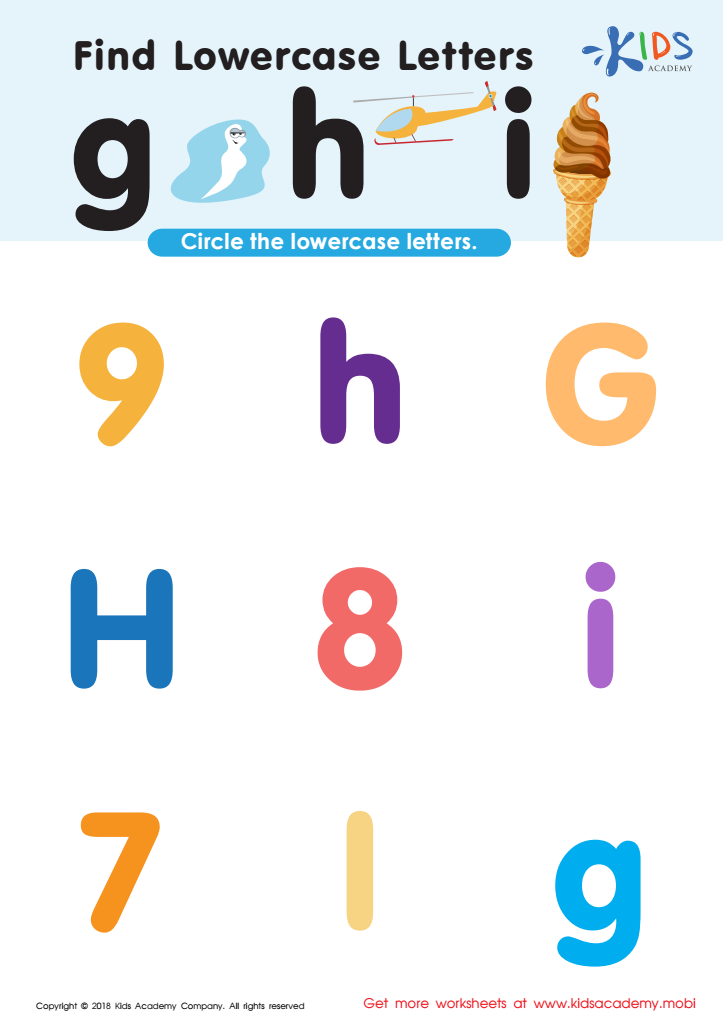
Find Lowercase Letters g h i Worksheet
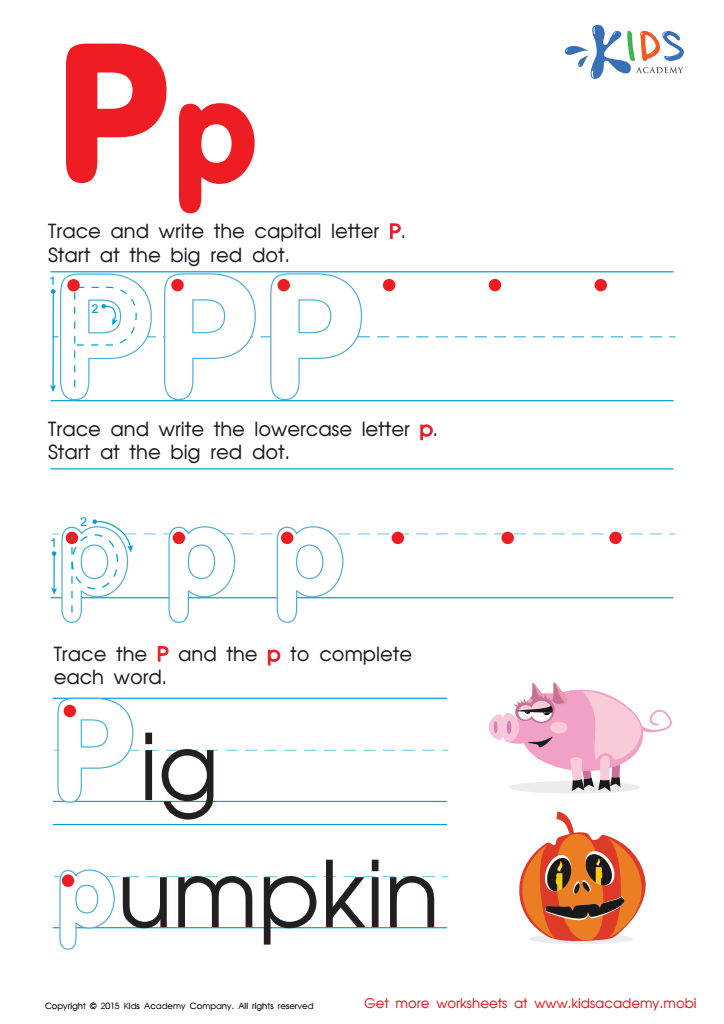
Letter P Tracing Page
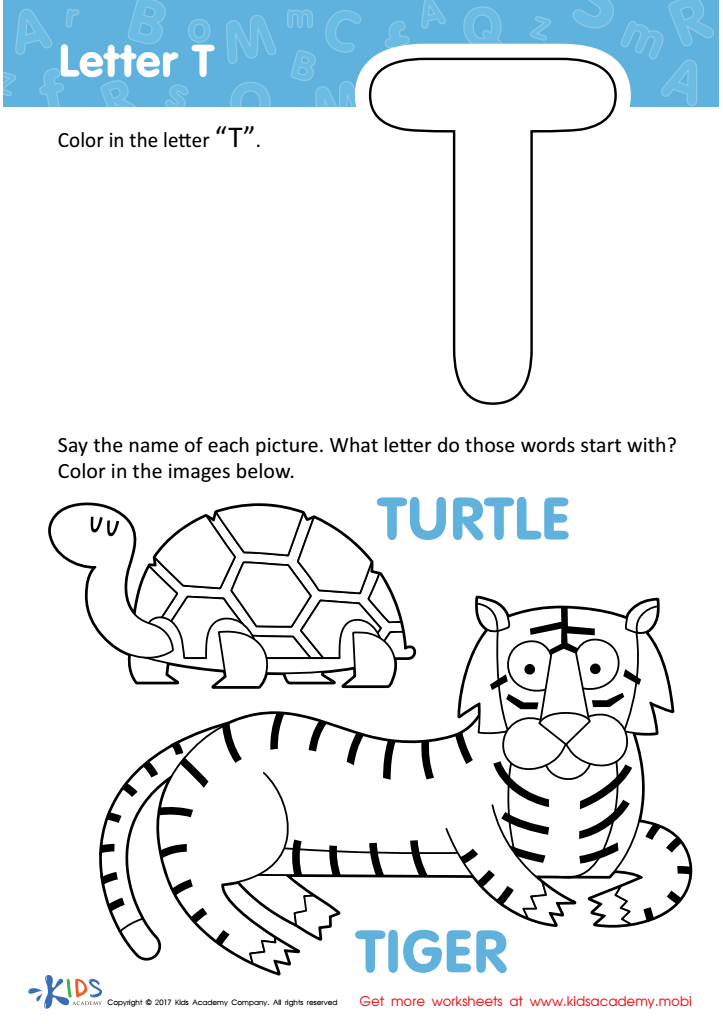
Letter T Coloring Sheet
 Assign to My Students
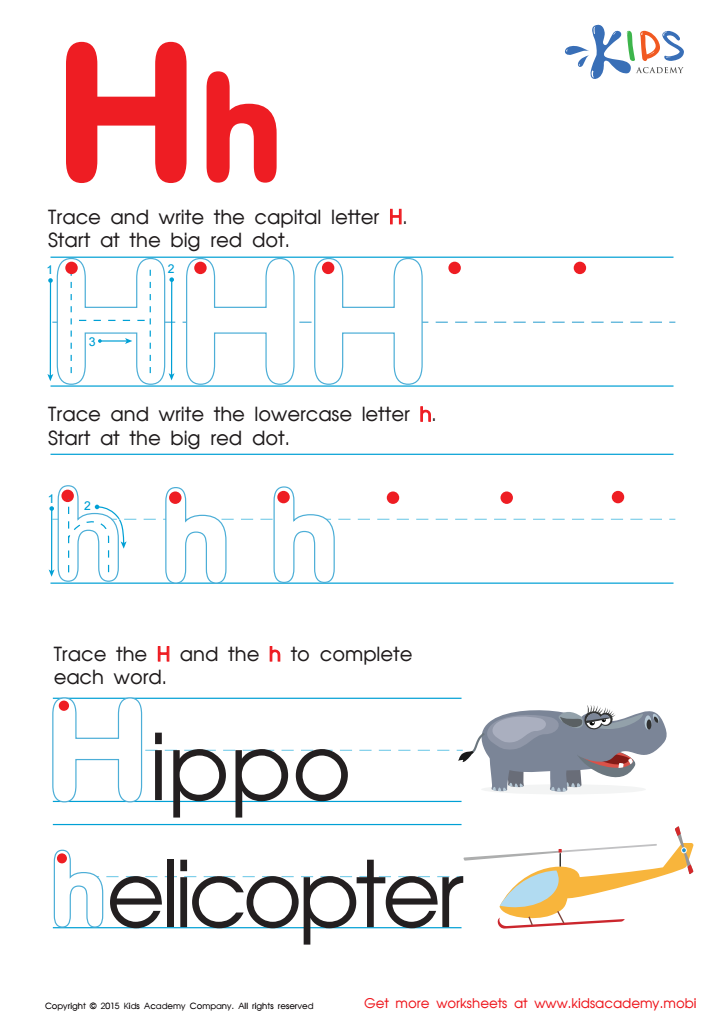
Letter H Tracing Page
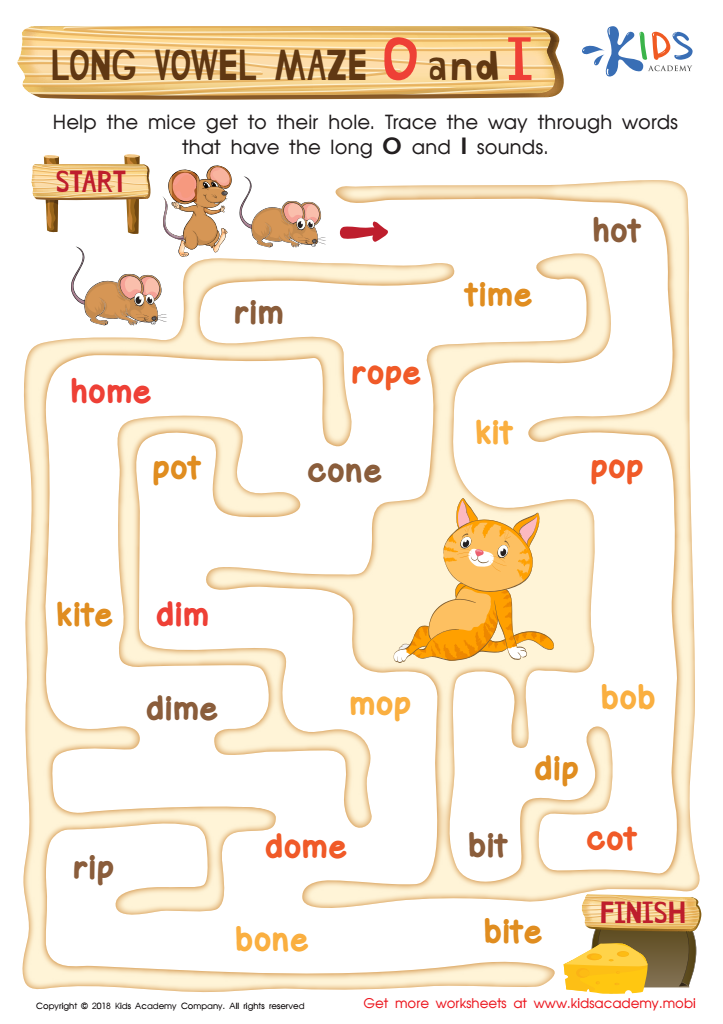
Long Vowel Maze /o/ and /i/ Worksheet
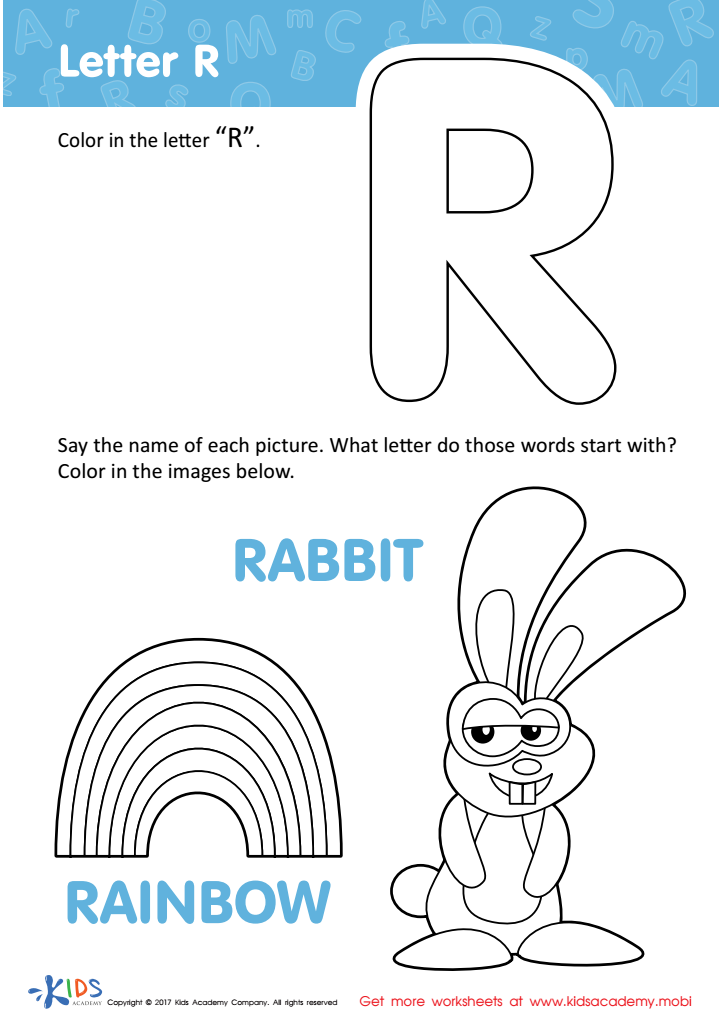
Letter R Coloring Sheet
Assign to My Students
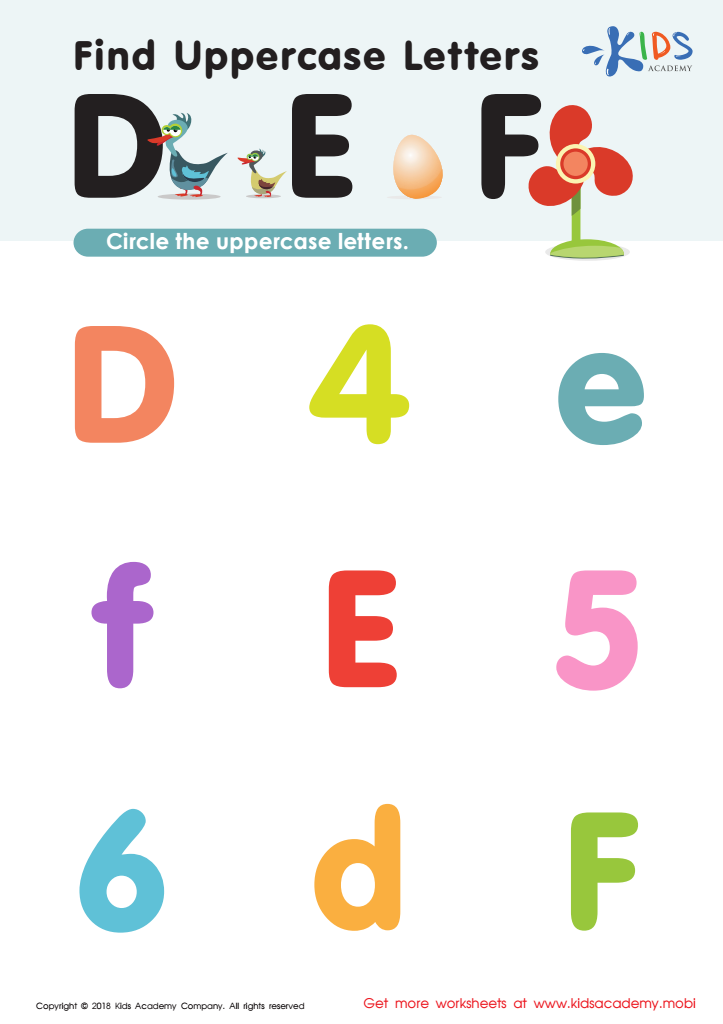
Find Uppercase Letters D, E, and F Worksheet
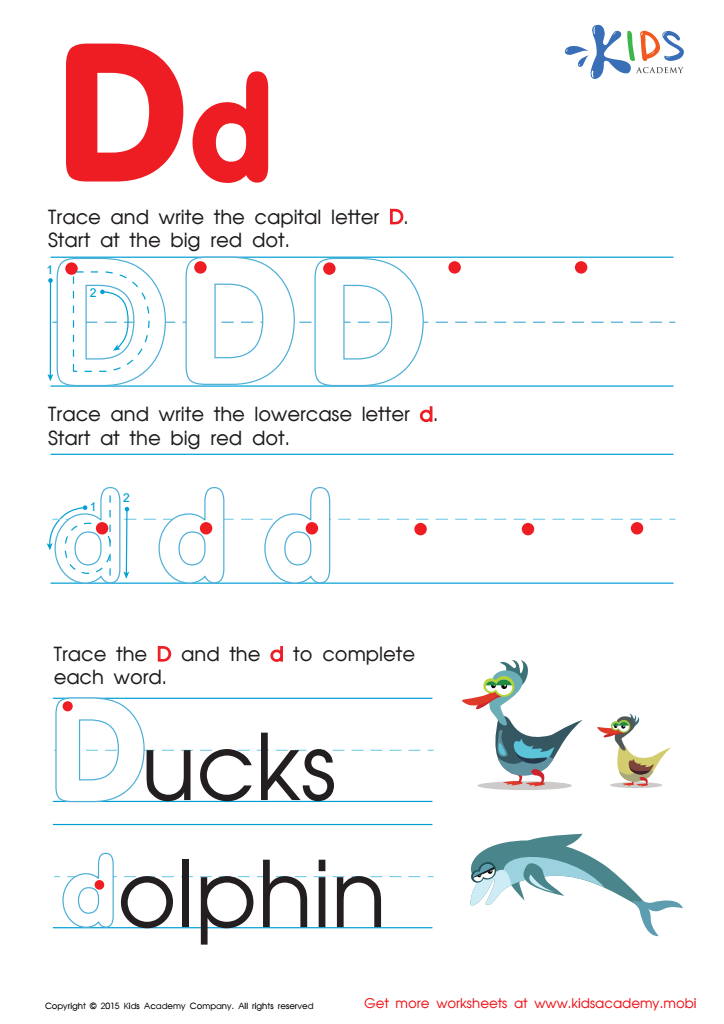
Letter D Tracing Page








Hand-eye coordination and letter recognition are crucial skills for young children, particularly those aged 6-8, as these form the foundation for successful learning and personal development. For one, effective hand-eye coordination allows children to perform essential tasks such as writing, cutting with scissors, and manipulating objects, significantly increasing their independence and confidence in the classroom.
Letter recognition, on the other hand, is a key component of literacy. It enables children to identify letters and understand their sounds, facilitating the development of reading and writing skills. Proficient readers and writers are better equipped to follow lessons, complete assignments, and engage in classroom activities, leading to overall academic success.
When these two skills are developed simultaneously, children are more adept at translating visual information (like letters and words on a page) into written form, and vice versa. This dual enhancement aids in the smooth transition from primary refined motor skills to higher-level tasks, laying the groundwork for more complex comprehension and expressive abilities.
Moreover, strengthening hand-eye coordination and letter recognition inevitably impacts mental agility and cognitive growth, as children learn to correlate visual stimuli with physical action and verbal expression. Thus, parents and teachers should prioritize activities that promote these skills, as they are indispensable for both academic achievement and daily living.







