Handwriting practice Letter Recognition Worksheets for Ages 6-8 - Page 2
39 filtered results
-
From - To
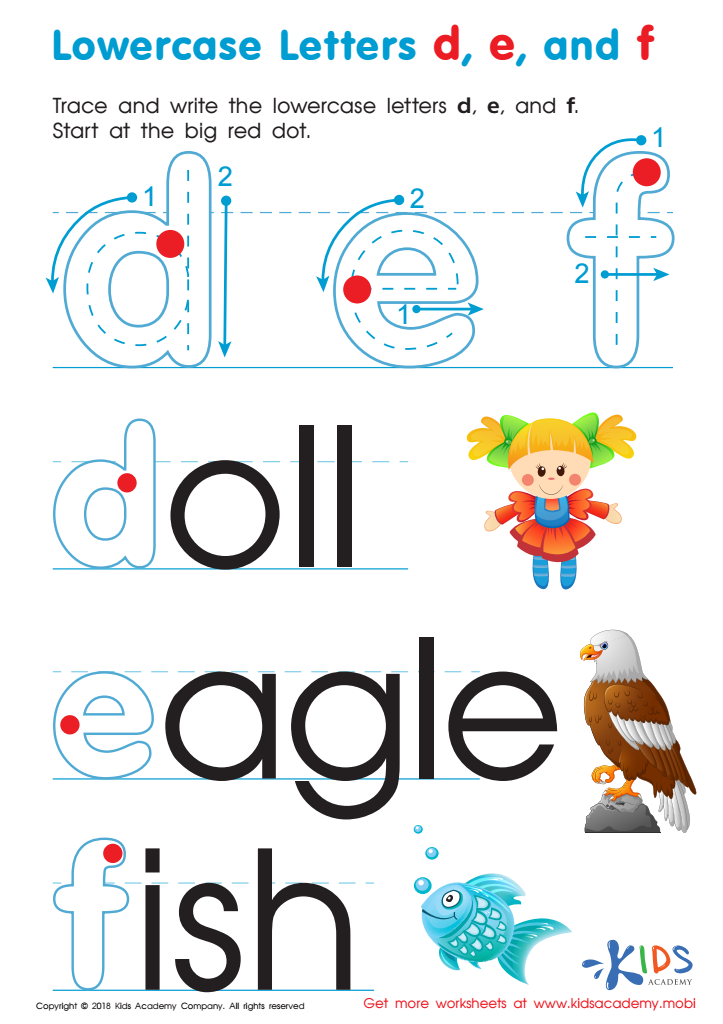
Lowercase Letters d e f Worksheet
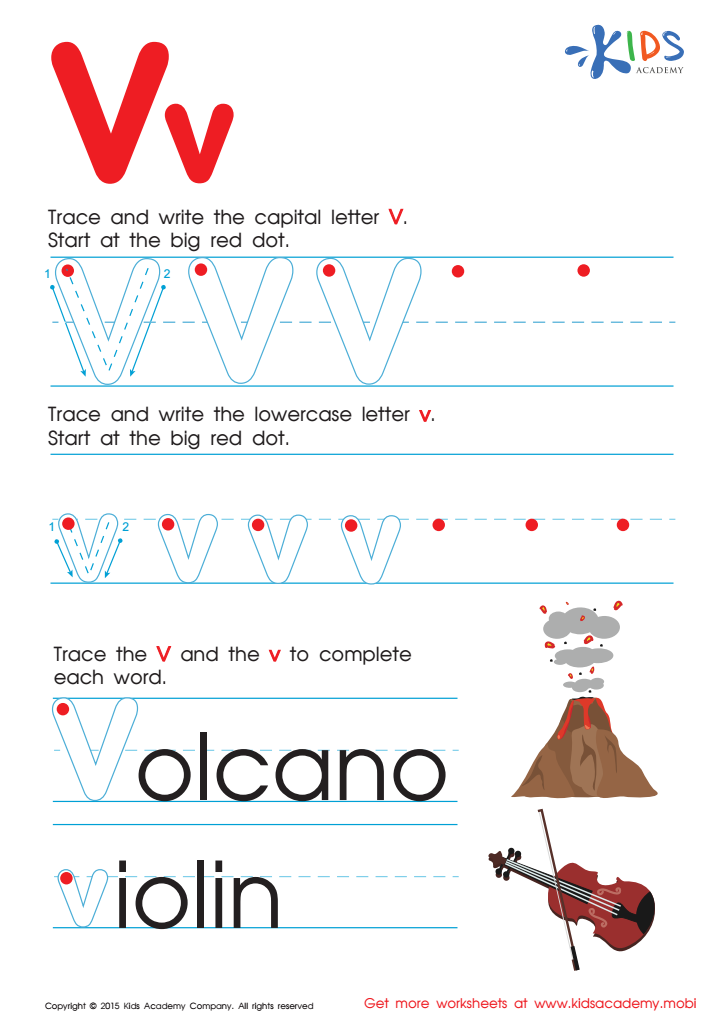
Letter V Tracing Page
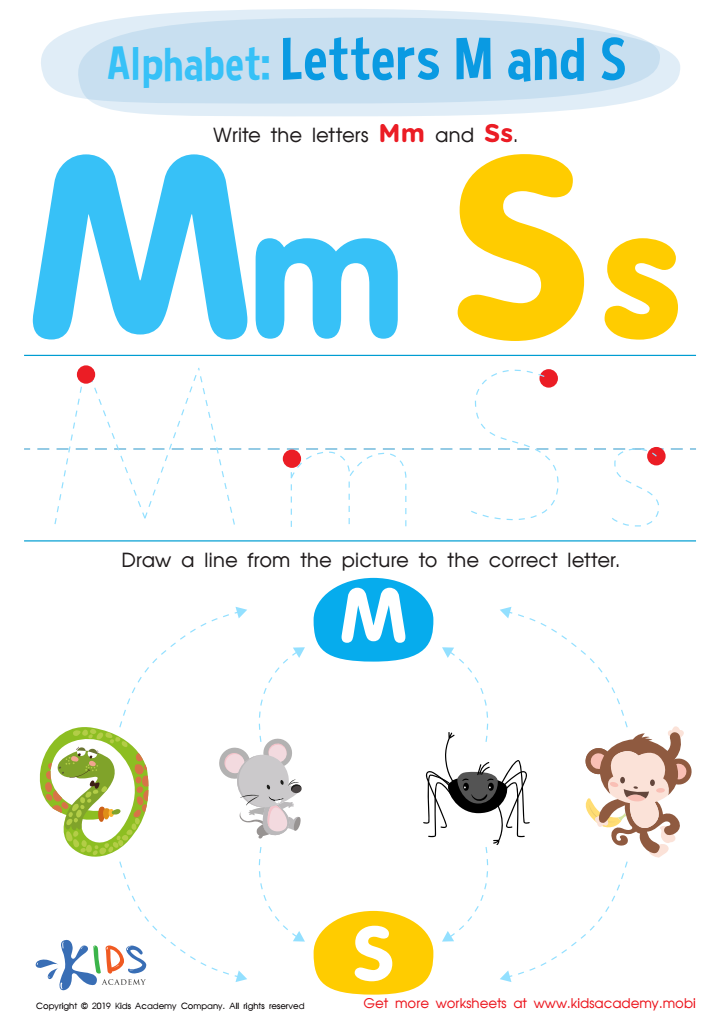
Letters M and S Tracing Worksheet
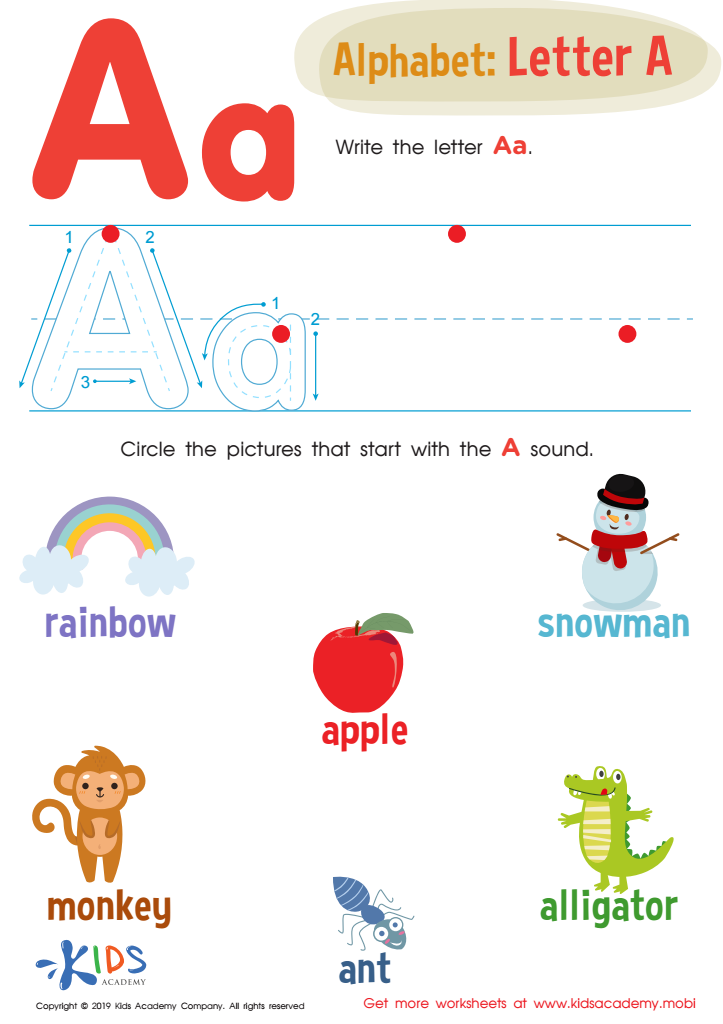
Letter A Tracing Worksheet
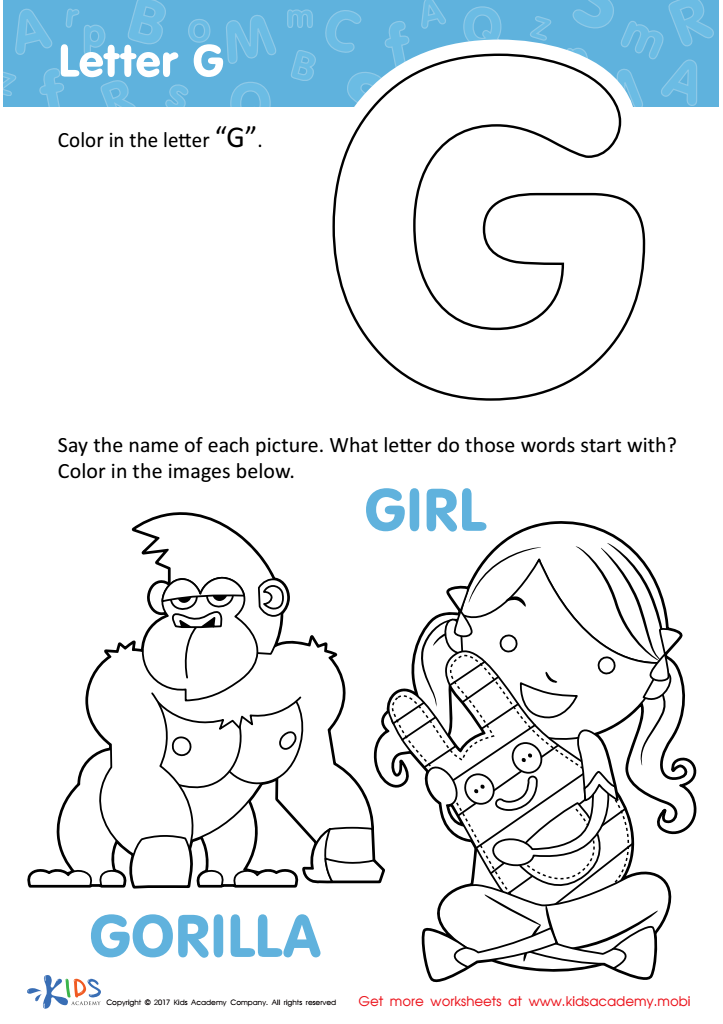
Letter G Coloring Sheet
 Assign to My Students
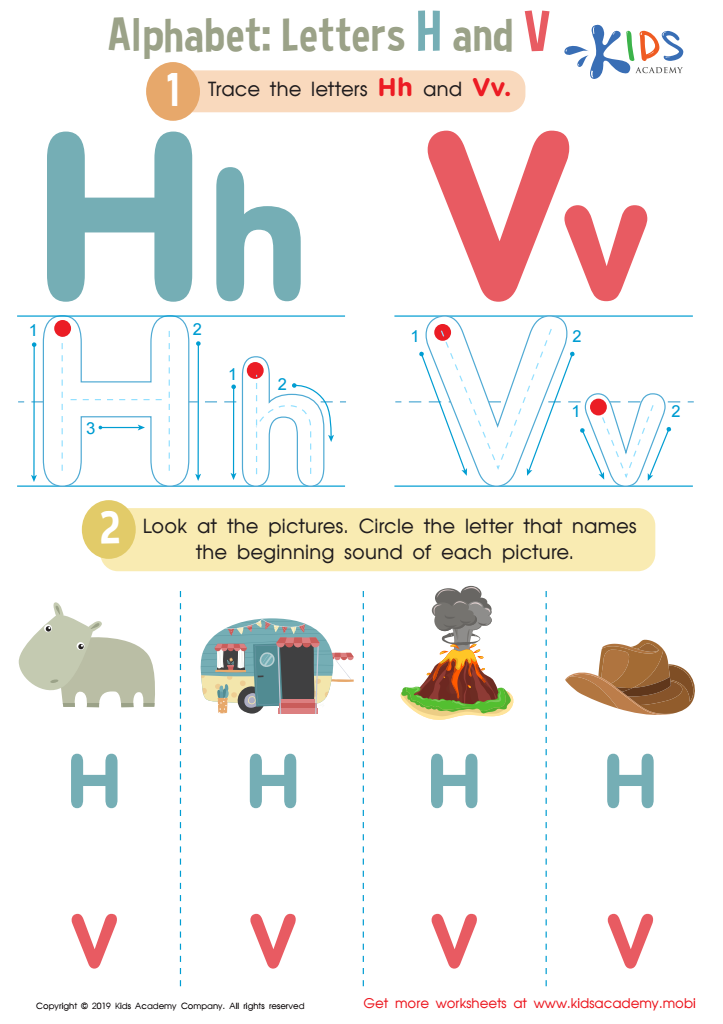
Letters H and V Tracing Worksheet
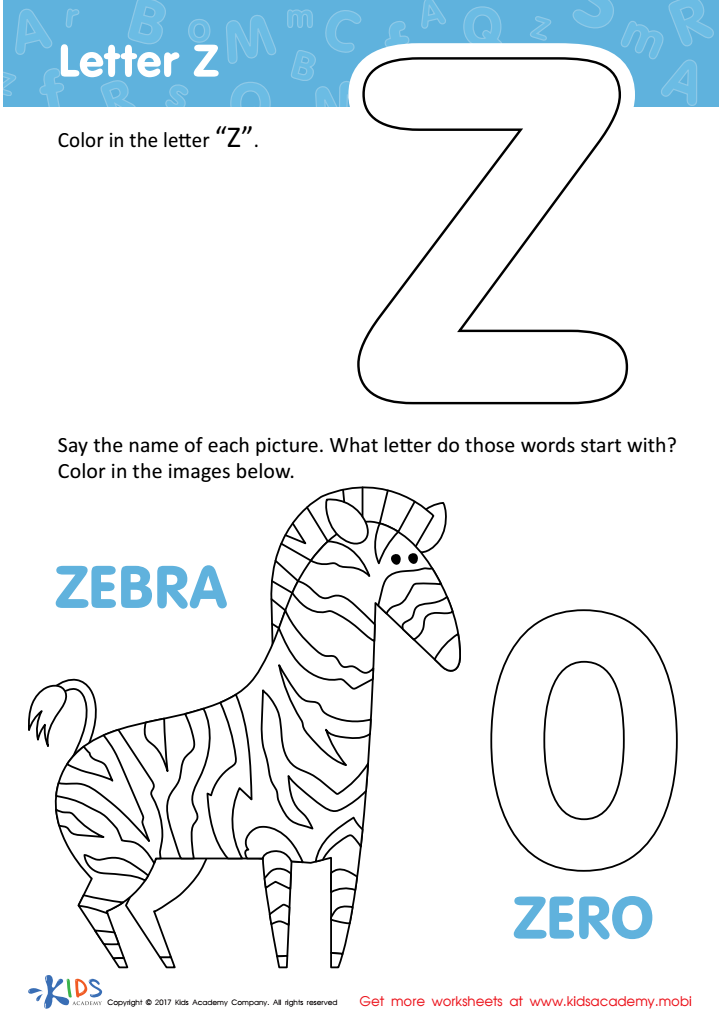
Letter Z Coloring Sheet
Assign to My Students
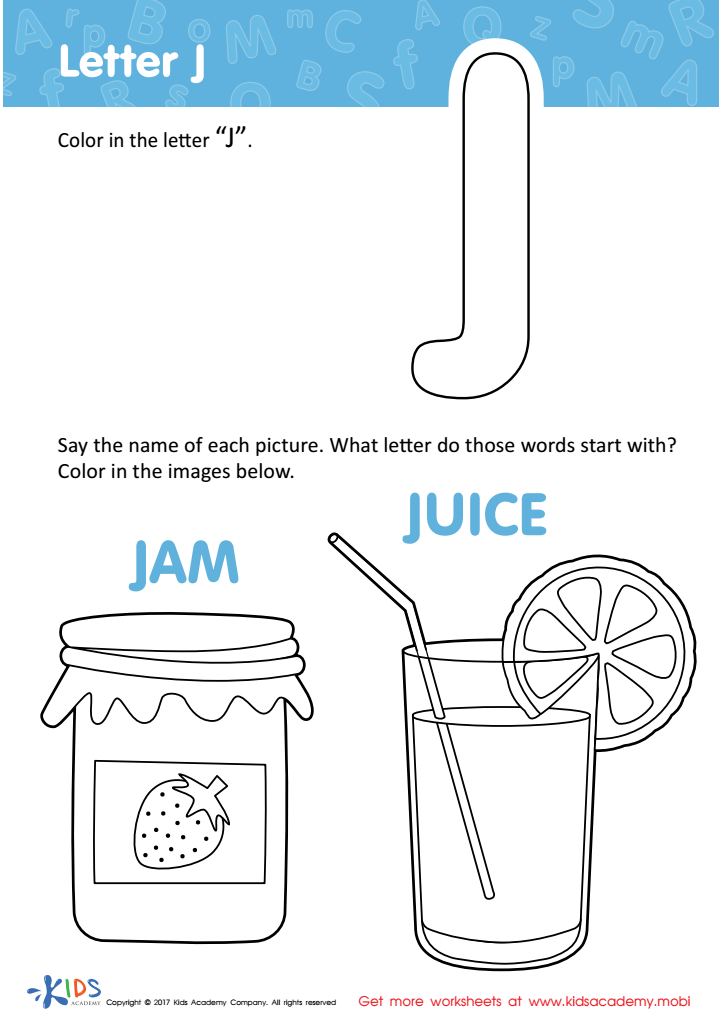
Letter J Coloring Sheet
Assign to My Students
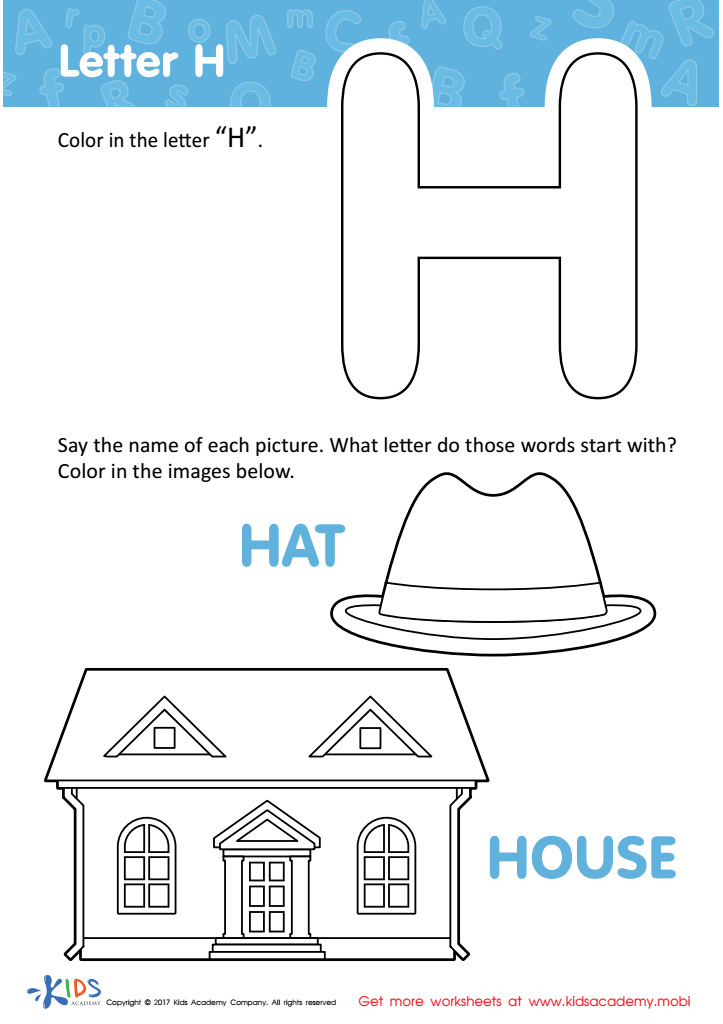
Letter H Coloring Sheet
Assign to My Students
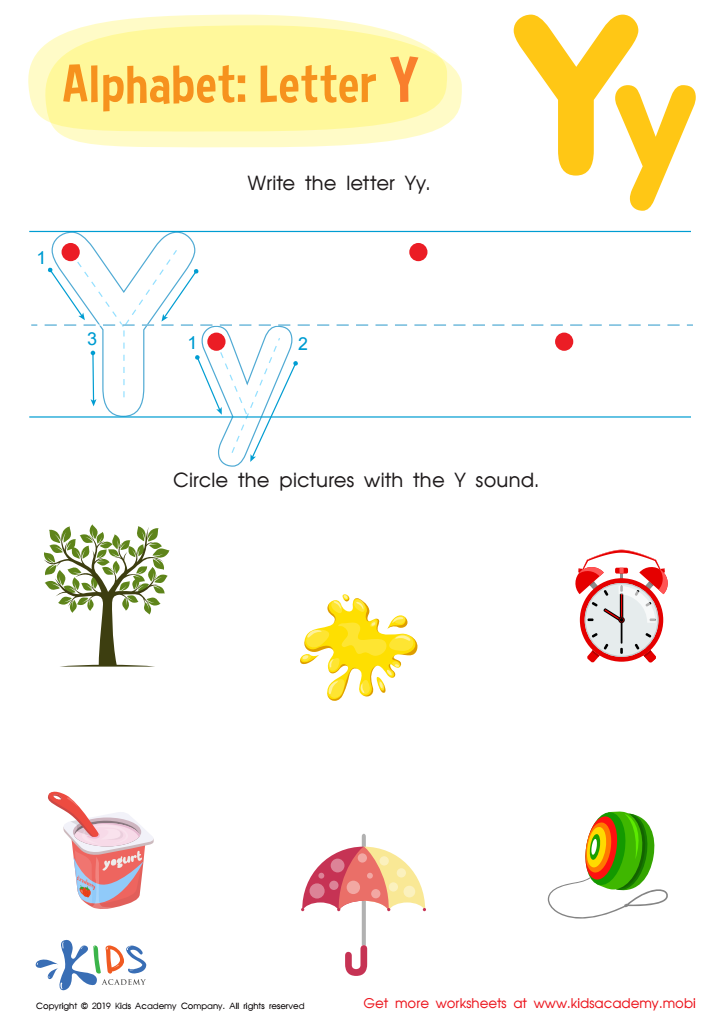
Letter Y Tracing Worksheet
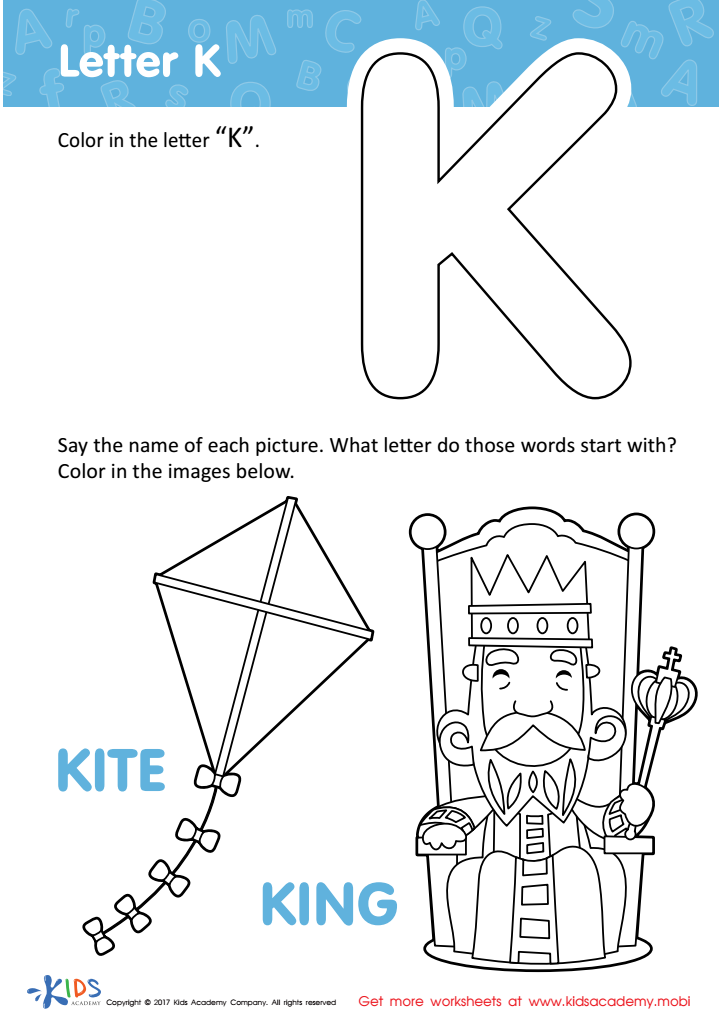
Letter K Coloring Sheet
Assign to My Students
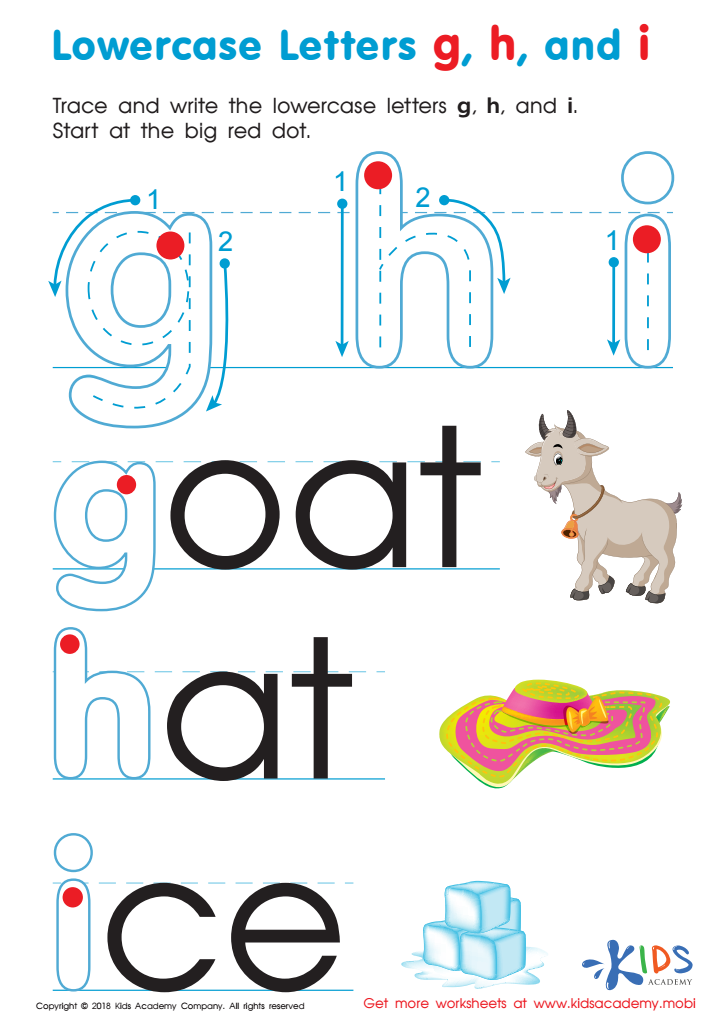
Lowercase Letters g h i Worksheet
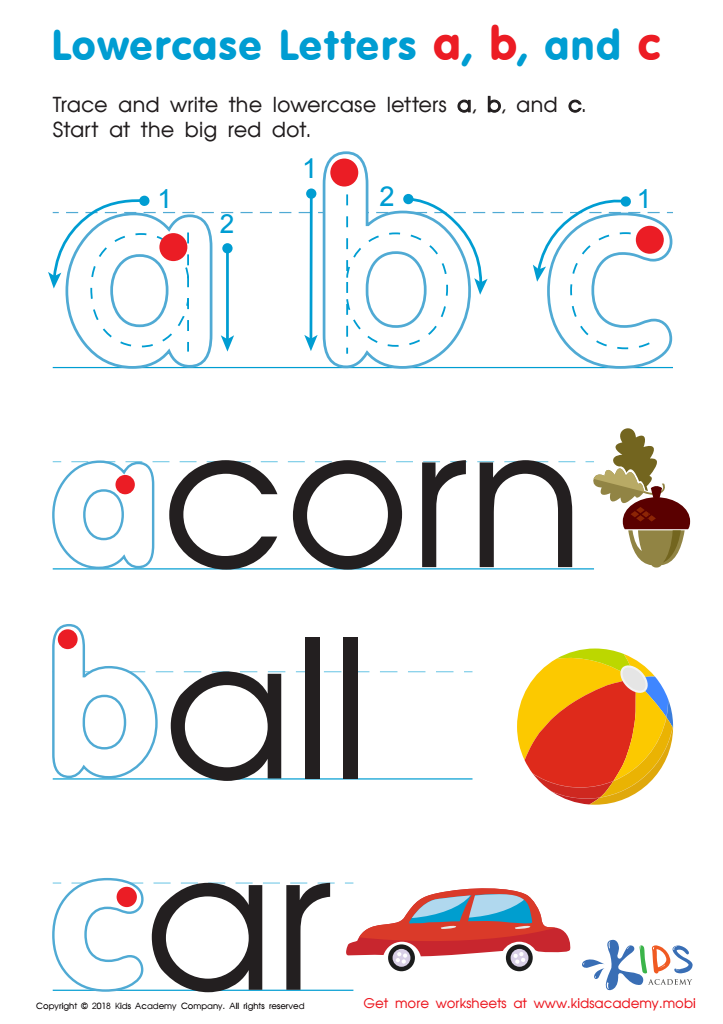
Lowercase Letters a b c Worksheet
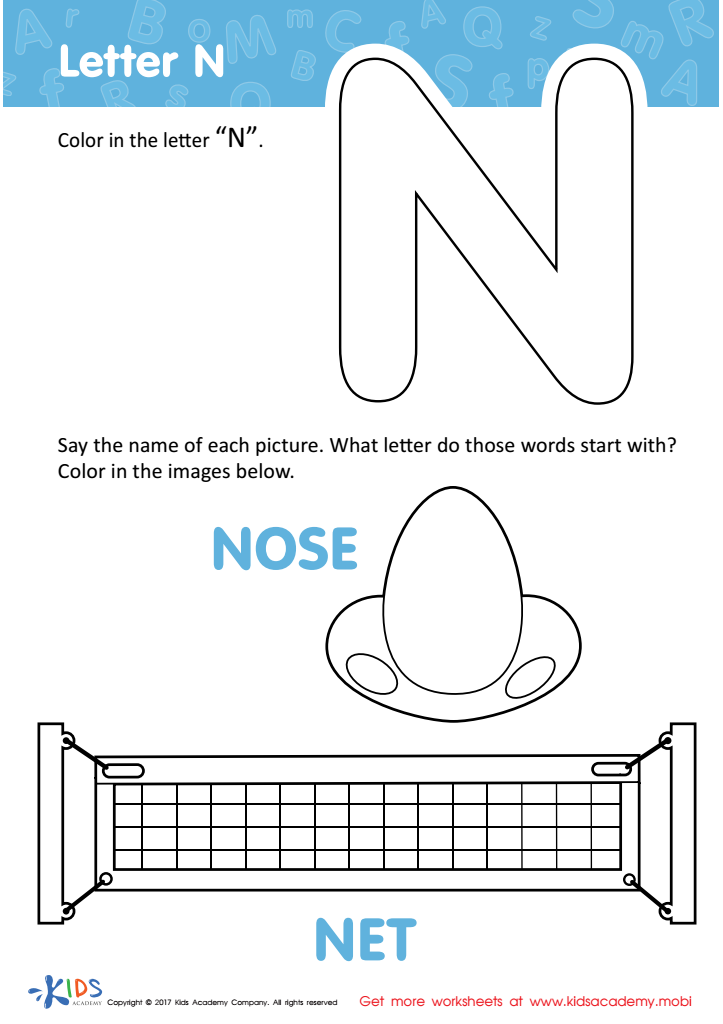
Letter N Coloring Sheet
Assign to My Students
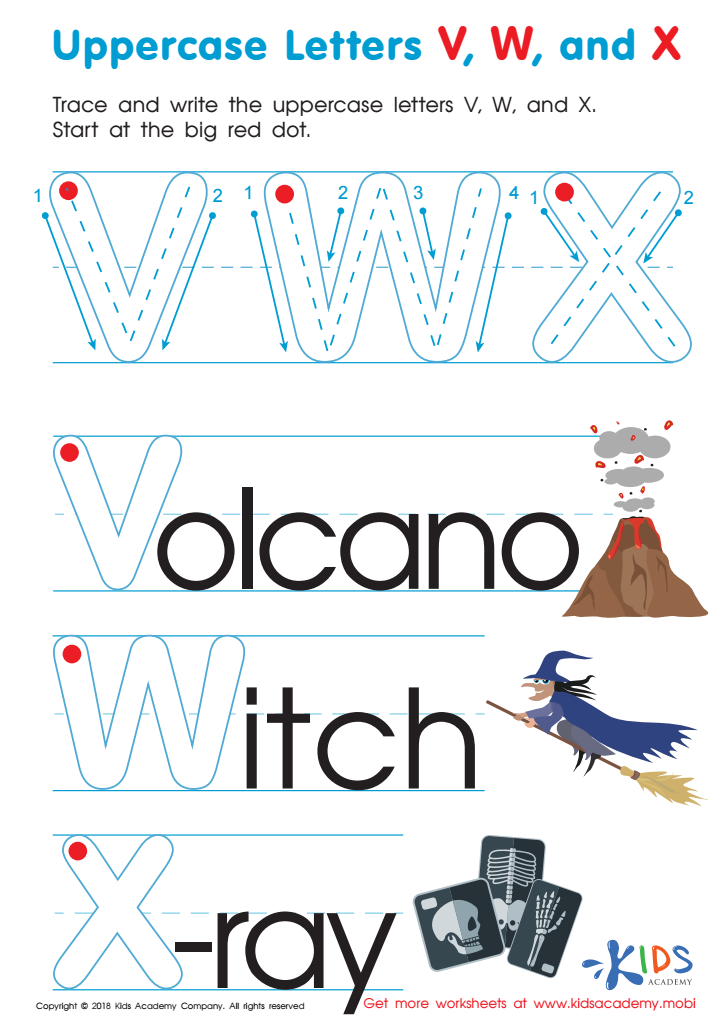
Uppercase Letters V, W, and X Worksheet








Handwriting practice and letter recognition are crucial for children aged 6-8, as they serve as foundational skills for literacy development. At this stage, children are often transitioning from learning individual letters to forming words and sentences. Strong handwriting skills contribute to clarity and expression in writing, allowing children to convey their thoughts more effectively.
Parents and teachers should care about handwriting practice because it directly impacts a child’s confidence and academic performance. Improved handwriting can enhance a child’s ability to articulate ideas during written assignments and assessments. Additionally, researching shows that handwriting can support memory retention and material comprehension, helping children learn better.
Furthermore, effective letter recognition plays a pivotal role in reading readiness. As children learn to identify letters-sound relationships, it bolsters their phonics skills. With consistent handwriting practice, children also develop fine motor skills necessary not only for writing but for other daily tasks.
By fostering these skills early, parents and teachers contribute to a solid educational foundation that will benefit children throughout their academic journey and beyond. Investing time in letter recognition and handwriting practice paves the way for enhanced literacy, empowering children to read and write with confidence.







