
Problem-Solving Skills Letter Recognition Worksheets for Ages 6-8
3 filtered results
Difficulty Level
Grade
Age
-
From - To
Subject
Activity
Standards
Enhance your child's learning journey with our "Problem-Solving Skills Letter Recognition Worksheets" designed specifically for ages 6-8. These engaging worksheets not only focus on letter recognition but also incorporate critical thinking and problem-solving activities to strengthen young learners' cognitive skills. Each worksheet features colorful illustrations and interactive tasks that challenge children to think creatively while reinforcing their knowledge of the alphabet. Ideal for both classroom and home use, these worksheets promote essential skills that prepare children for future academic success. Whether it's tracing letters or solving fun puzzles, our materials make learning enjoyable and stimulating! Start building a solid foundation today!
Favorites
With answer key
Interactive
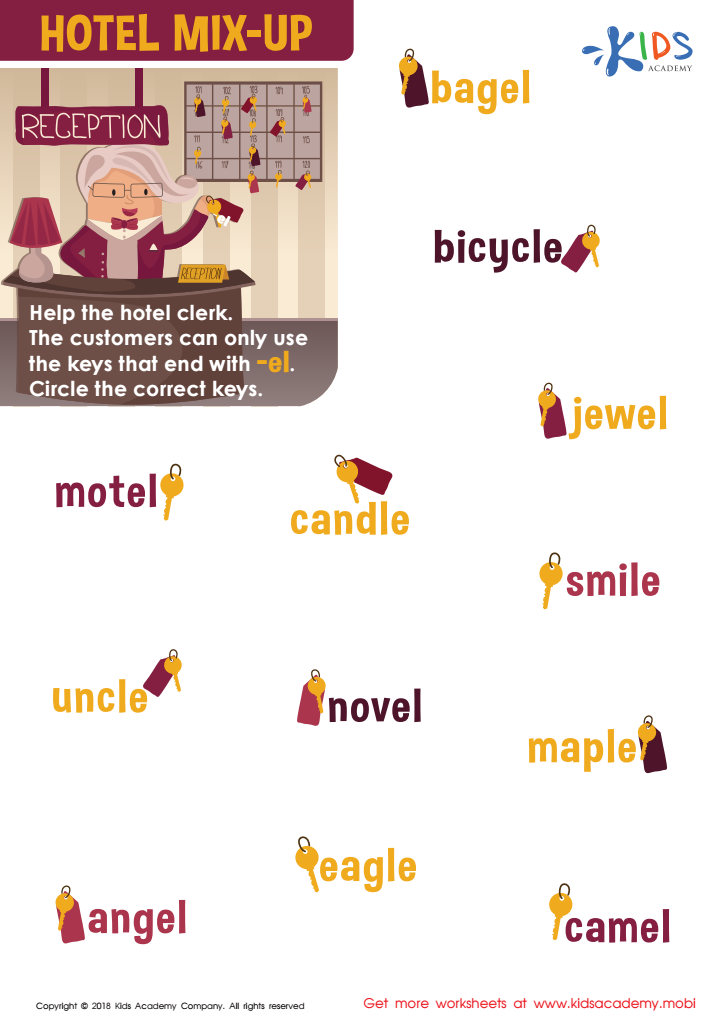
Hotel Mix-up Worksheet
Before doing this worksheet, explain to your kids what a hotel is. It's a building where guests can stay for a few days and pay for their stay. In this exercise, the hotel clerk needs help finding the correct keys. Have your kids circle words ending with -el to find the right ones.
 Assign to My Students
Hotel Mix-up Worksheet
Worksheet
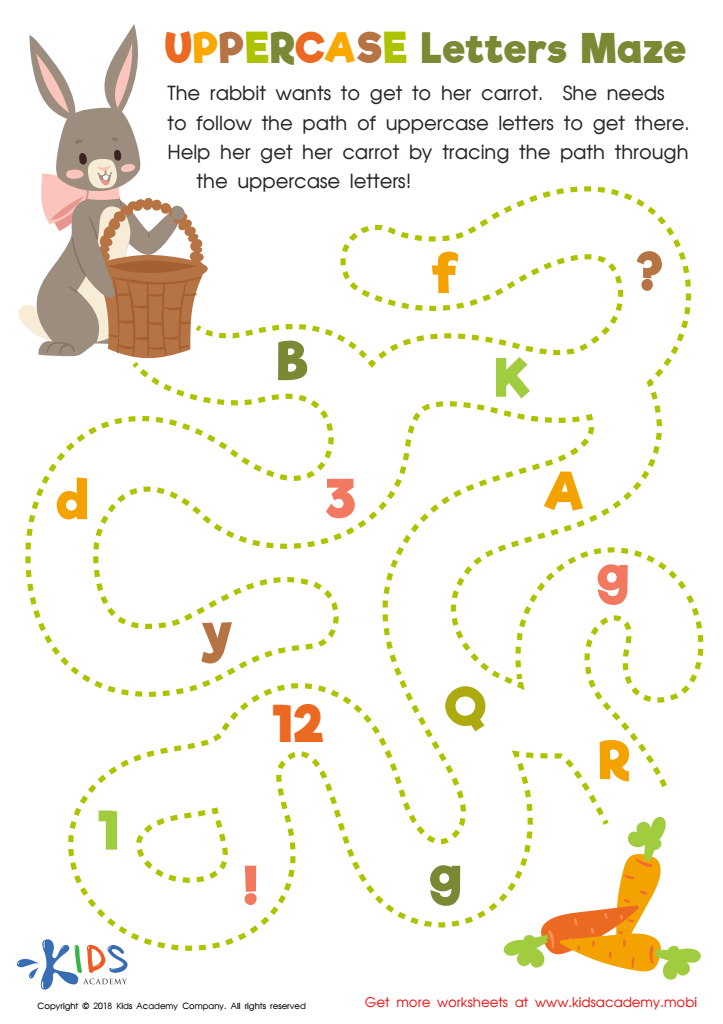
Uppercase Letters Maze Worksheet
Kids can have fun helping a rabbit find her carrot by picking the path with uppercase letters. This worksheet teaches letter differentiation while building confidence. Kids will have a great time while getting an essential skill!
Uppercase Letters Maze Worksheet
Worksheet
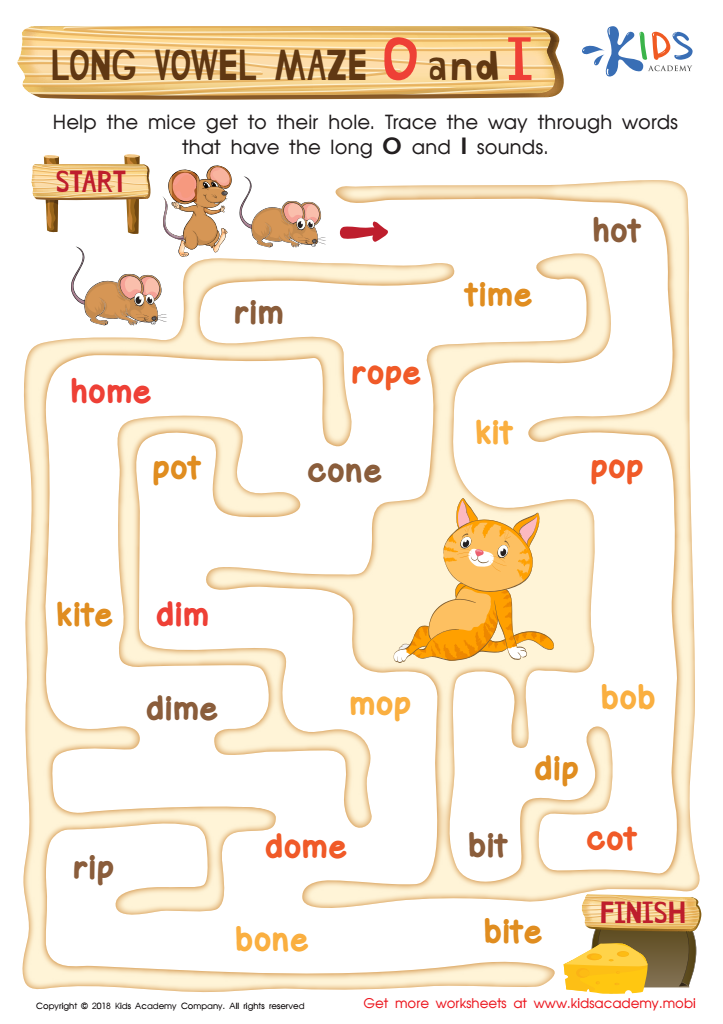
Long Vowel Maze /o/ and /i/ Worksheet
Help your new readers have fun and build their sight word vocabulary! Guide the mice to their prize cheese by having them trace the route on the worksheet, using words with the long o and long i sounds. But watch out for the kitty!
Long Vowel Maze /o/ and /i/ Worksheet
Worksheet
Join Kids Academy for Free
Who is primarily going to use this learning content?








Parents and teachers should prioritize problem-solving skills and letter recognition for children ages 6-8 as these skills form the foundation for lifelong learning and literacy. At this age, children are developing cognitive abilities that enhance their ability to think critically and creatively. Problem-solving skills enable students to navigate challenges they face in school and daily life, promoting resilience and adaptability.
Furthermore, letter recognition is a fundamental literacy skill that influences reading and writing proficiency. Mastering the recognition of letters allows children to decode words and build their vocabulary, which is essential for effective communication. When children are adept at problem-solving, they can apply logical reasoning and strategic thinking to decipher unfamiliar words, enhancing their reading fluency and comprehension.
Furthermore, strong problem-solving skills encourage collaborative teamwork and communication among peers, fostering social development. When parents and teachers explicitly support these skills through engaging activities, such as games, puzzles, and reading exercises, they help children cultivate a love for learning.
Ultimately, by focusing on problem-solving skills and letter recognition, adults can guide children toward becoming confident and capable learners, equipping them with the tools they need for ongoing success in academics and beyond.







