Word identification Long Vowels Worksheets for Ages 6-8
3 filtered results
-
From - To
Empower your child’s reading skills with our engaging Word Identification Long Vowels Worksheets tailored for ages 6-8. These comprehensive worksheets focus on long vowel sounds, helping young learners recognize, identify, and utilize long vowel words in various contexts. Packed with fun activities such as word searches, fill-in-the-blanks, and matching exercises, these worksheets make learning enjoyable and effective. Perfect for home or classroom use, our resources support foundational literacy skills while enhancing phonemic awareness. Equip your child with the tools they need for successful reading and language development. Explore our collection and watch their confidence soar!
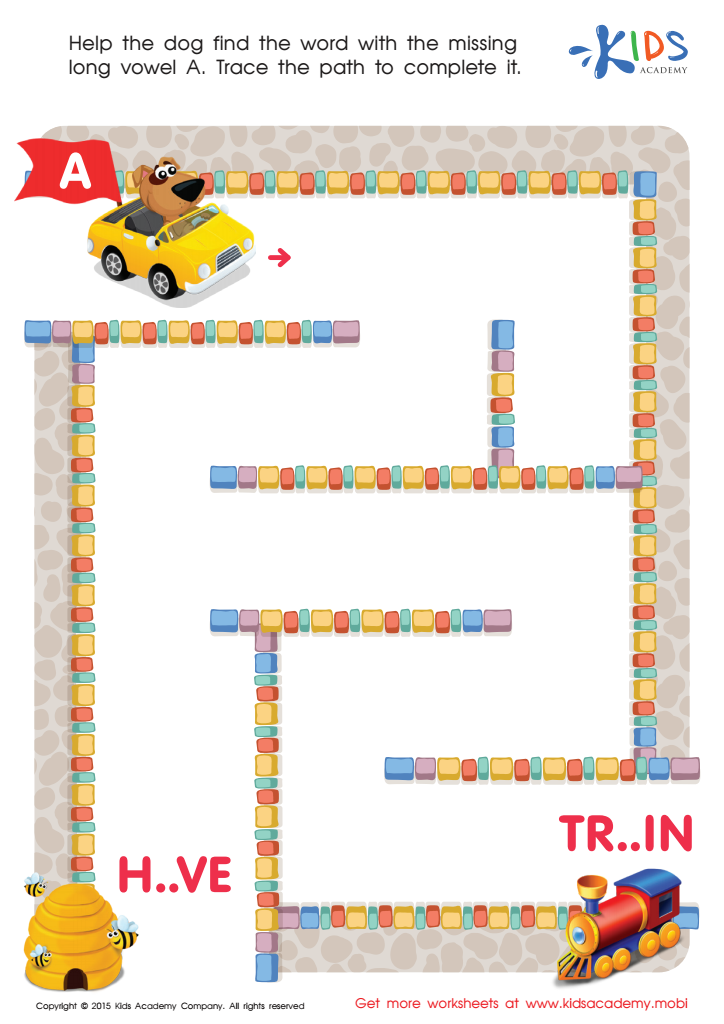
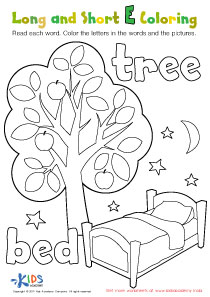
Long Vowel Sound A Worksheet
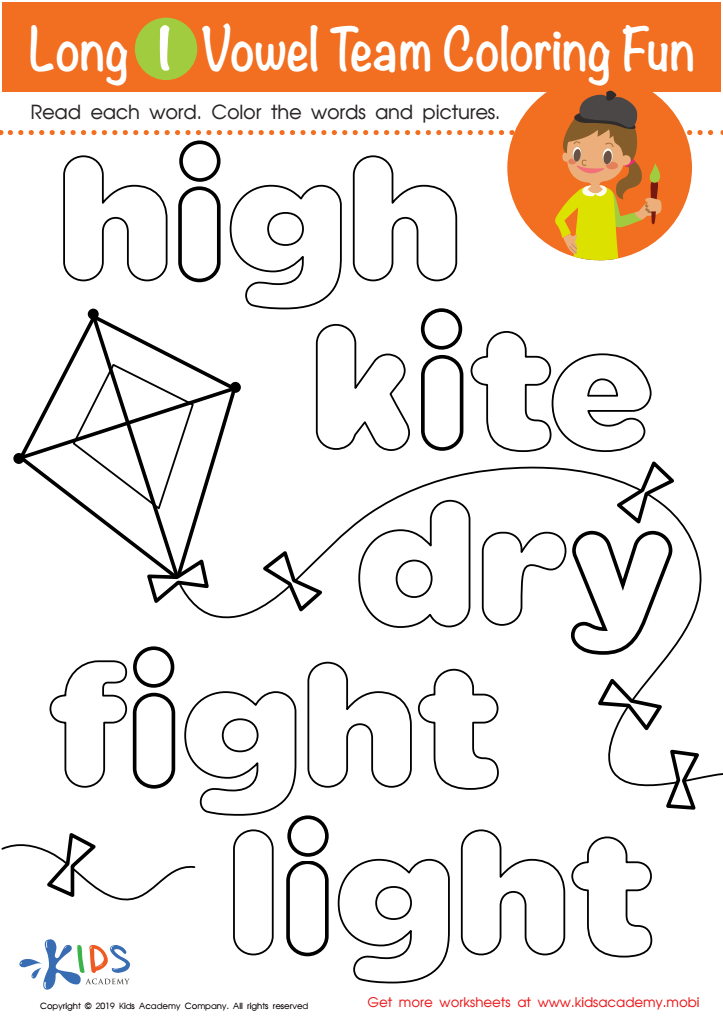
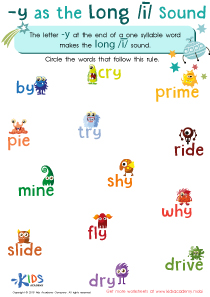
Long I Vowel Team Coloring Worksheet
 Assign to My Students
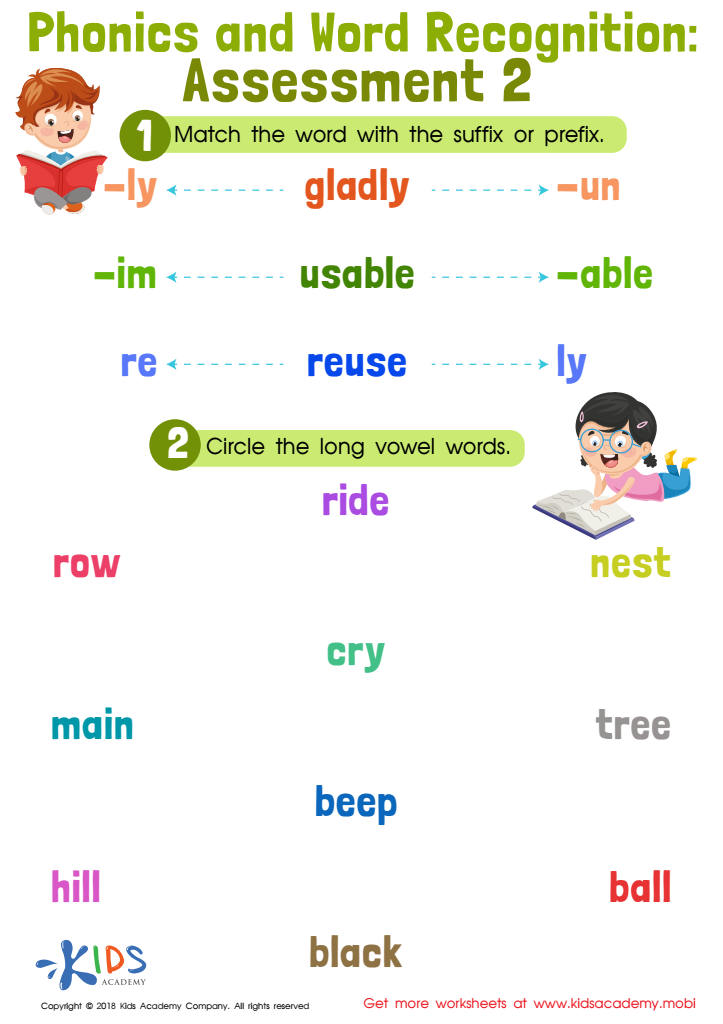
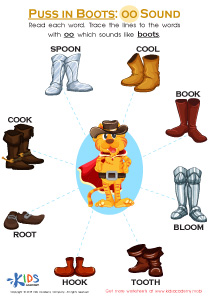
Phonics and Word Recognition: Assessment 2



Understanding word identification, especially with long vowels, is essential for children aged 6 to 8, as it lays the foundation for reading fluency and vocabulary development. At this age, children transition from learning to read to reading to learn. Mastering long vowels helps them decode words accurately, enhancing their overall reading skills.
For parents and teachers, supporting long vowel recognition is crucial for several reasons. First, long vowels appear frequently in English; recognizing them allows children to read a wider variety of texts independently. This newfound confidence can motivate children to explore more complex reading materials.
Moreover, long vowel sounds often change the meaning of words, making their distinction important for comprehension. For instance, recognizing the difference between "hat" and "hate" can influence understanding significantly. Parents and teachers can actively engage with children by employing phonics games or reading exercises that highlight long vowel sounds, making learning enjoyable.
Additionally, fostering these skills at this critical age can set children on a trajectory for academic success and enhance their communication abilities. Ultimately, prioritizing long vowel identification contributes not only to reading proficiency but also to a lifelong love of reading and learning.