Reading development Phonics Worksheets for Ages 6-8
5 filtered results
-
From - To
Enhance your child's reading skills with our engaging Phonics Worksheets designed for ages 6-8. Our activities focus on essential phonetic concepts, helping young learners connect sounds with letters, build vocabulary, and improve their reading fluency. With a variety of fun and interactive exercises, these worksheets make phonics practice enjoyable, fostering a love for reading early on. From sound recognition to word building, our resources cater to diverse learning styles, ensuring every child can thrive. Perfect for at-home learning or classroom use, our reading development worksheets provide the foundation your child needs to become a confident reader. Explore our collection today!
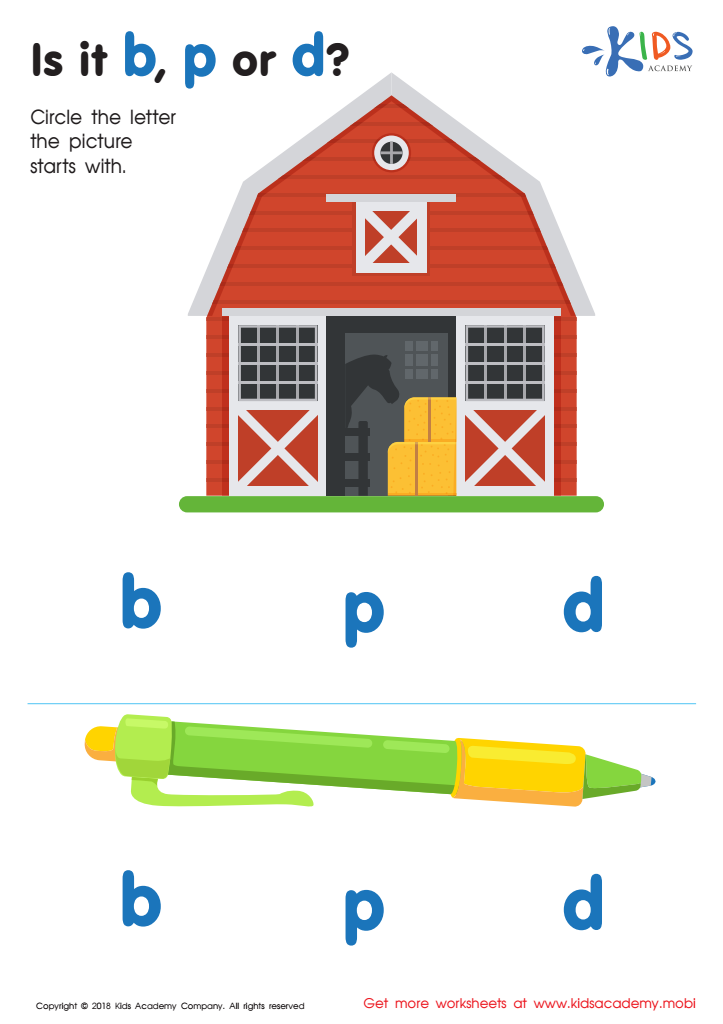
Is it b, p or d? Worksheet
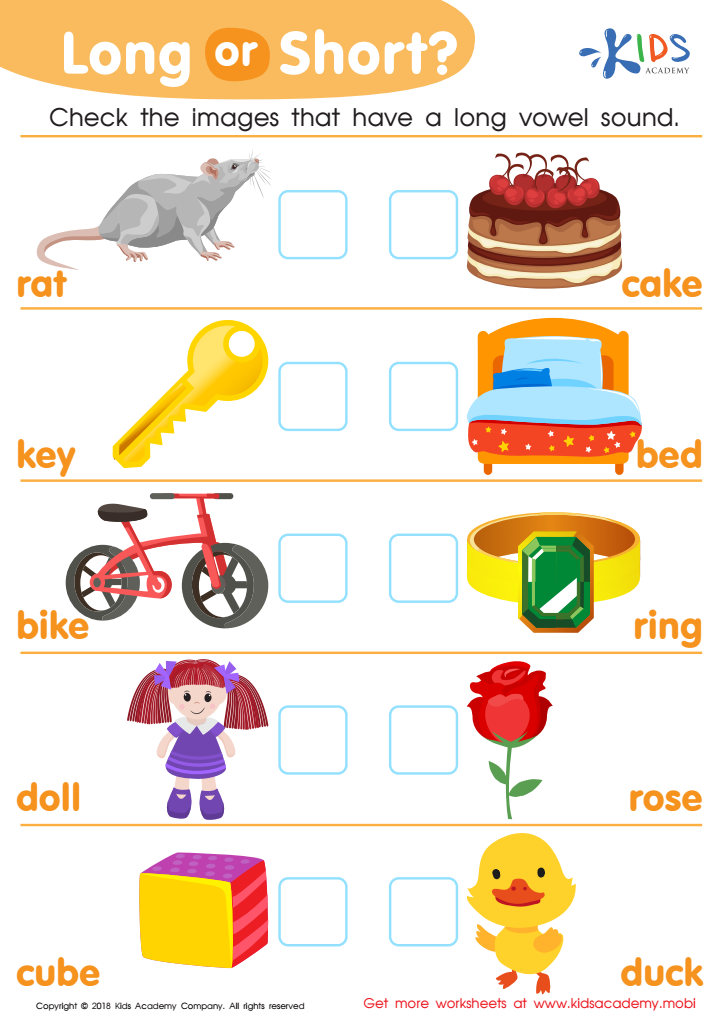
Long or Short Reading Worksheet
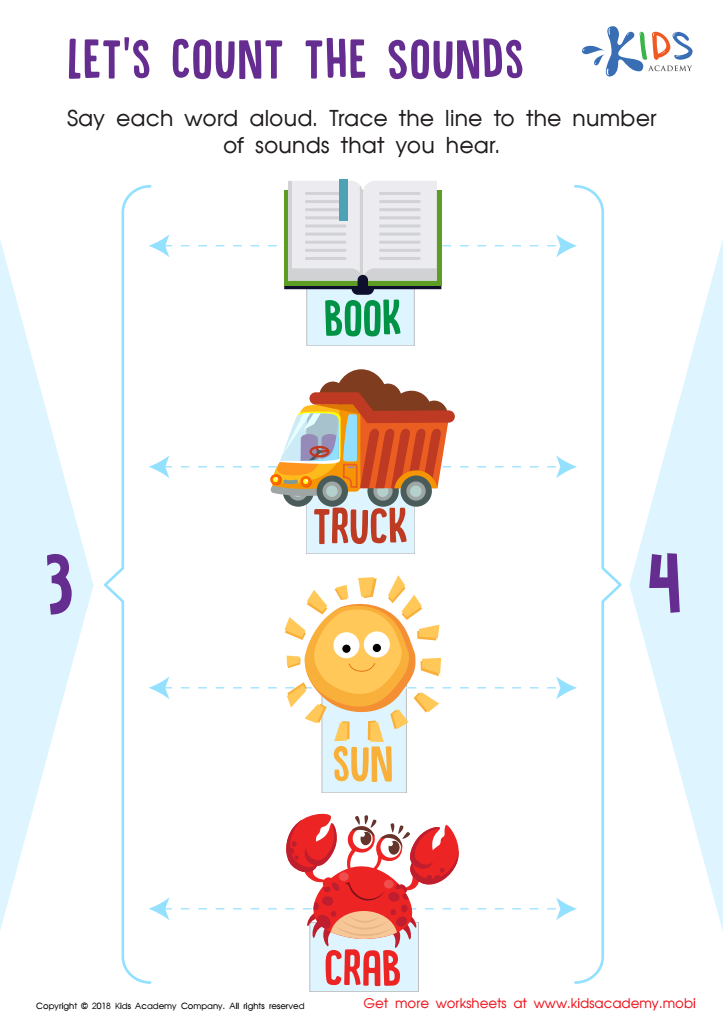
Let's Count the Sounds Worksheet
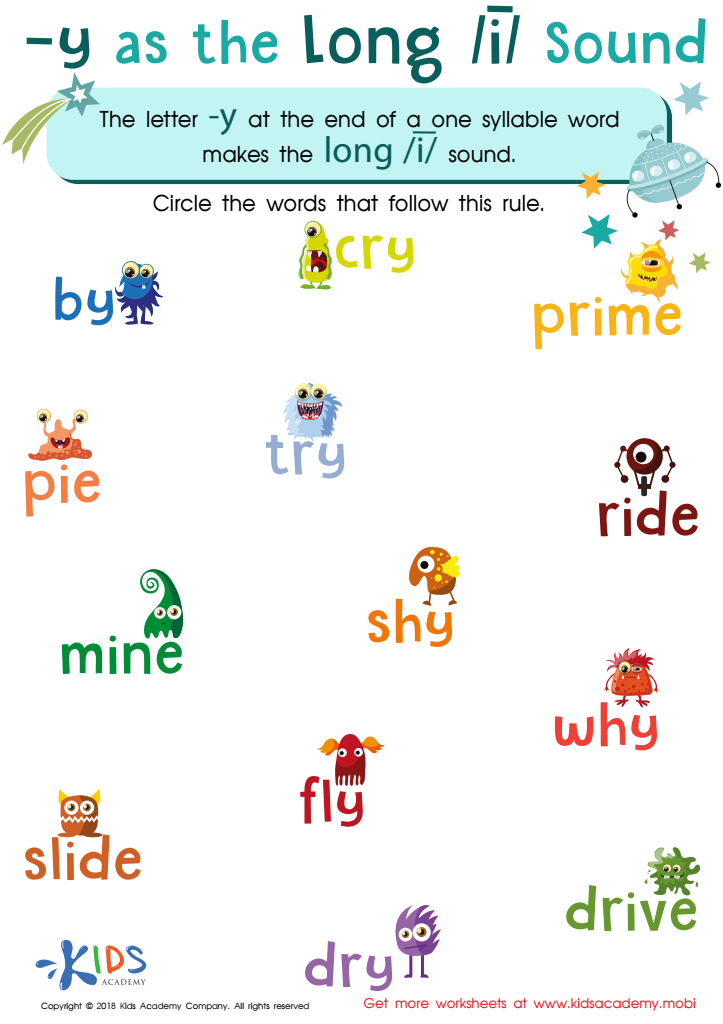
Reading: Y as Long I Worksheet
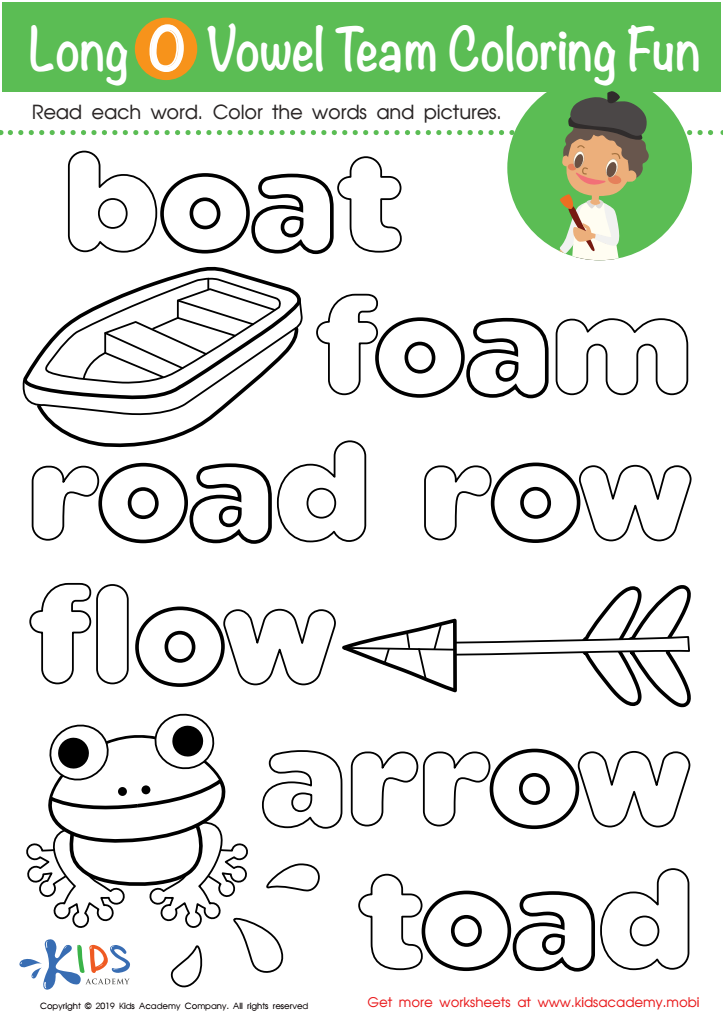
Long O Vowel Team Coloring Worksheet
 Assign to My Students








Reading development through phonics is essential for children aged 6-8, as this foundational skill not only enhances their literacy but also boosts their overall academic performance. Phonics provides a systematic approach for young learners to understand the relationships between letters and sounds, making it easier for them to decode words independently. This crucial skill helps bridge the gap between spoken language and written text, fostering confidence in reading.
For parents and teachers, focusing on phonics means equipping children with the tools necessary for effective reading comprehension and vocabulary expansion. Early and effective phonics instruction can prevent reading difficulties down the line, making it an investment in a child's future academic success. It also plays a significant role in nurturing a love of reading, as children who can read fluently often enjoy the process more.
Additionally, engaging parents in their children's phonics learning creates a supportive home environment where literacy activity can thrive. By recognizing the importance of phonics, both parents and teachers can collaborate to ensure that children not only learn to read but also embrace reading as a lifelong skill that opens doors to knowledge and creativity. Ultimately, prioritizing phonics sets the stage for holistic educational development.







