Vocabulary Enrichment Phonics Worksheets for Ages 6-8
7 filtered results
-
From - To
Discover our engaging Vocabulary Enrichment Phonics Worksheets, specially designed for children aged 6-8. These printable resources help young learners enhance their vocabulary while developing essential phonics skills. Each worksheet features fun and interactive activities that not only reinforce understanding of phonetic sounds but also encourage word exploration through various contexts. Our thoughtfully crafted exercises cater to diverse learning styles, making vocabulary acquisition enjoyable and effective. Perfect for at-home practice or classroom use, these worksheets support early literacy development and lay a strong foundation for reading success. Enhance your child's learning journey with our enriching phonics resources today!
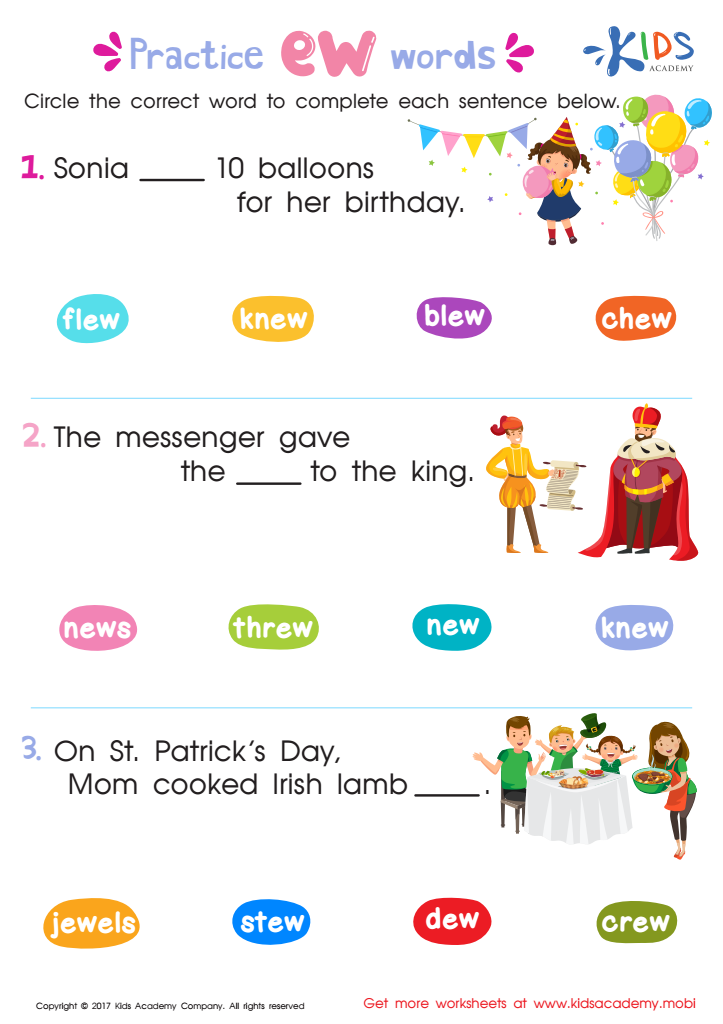
EW Words Worksheet
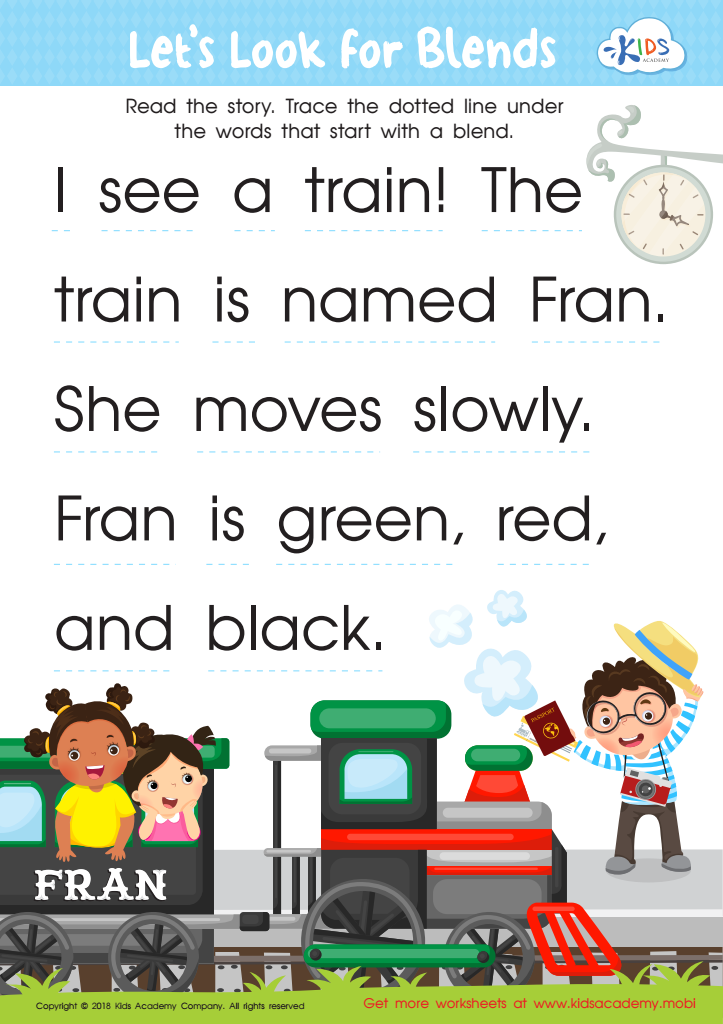
Let's Look for Blends Worksheet
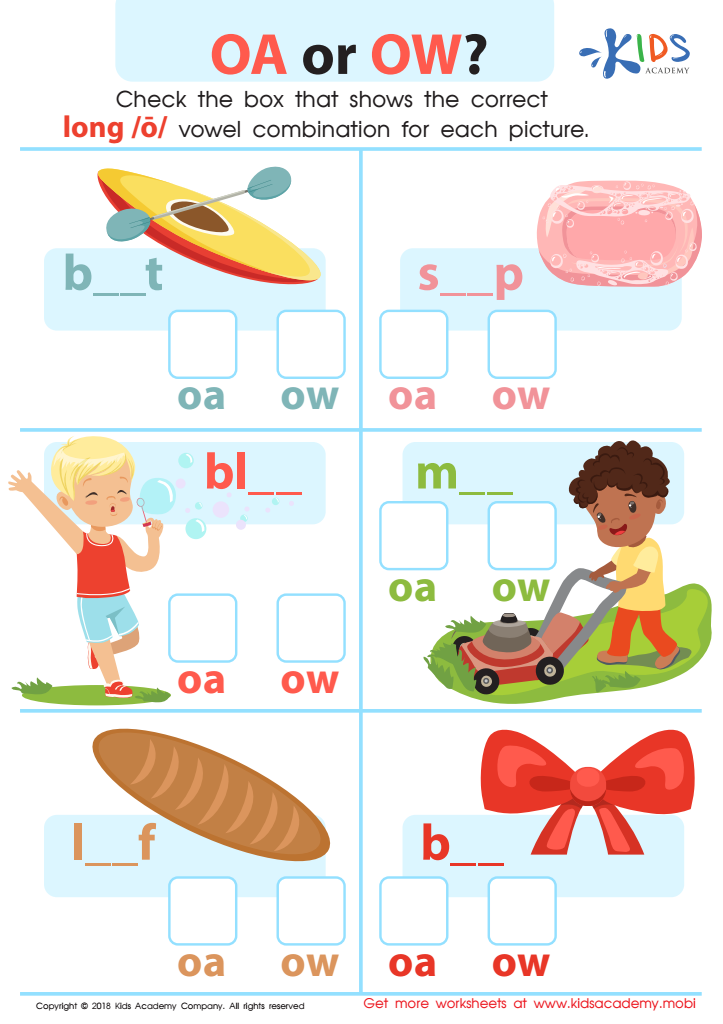
Reading: OA or OW Worksheet
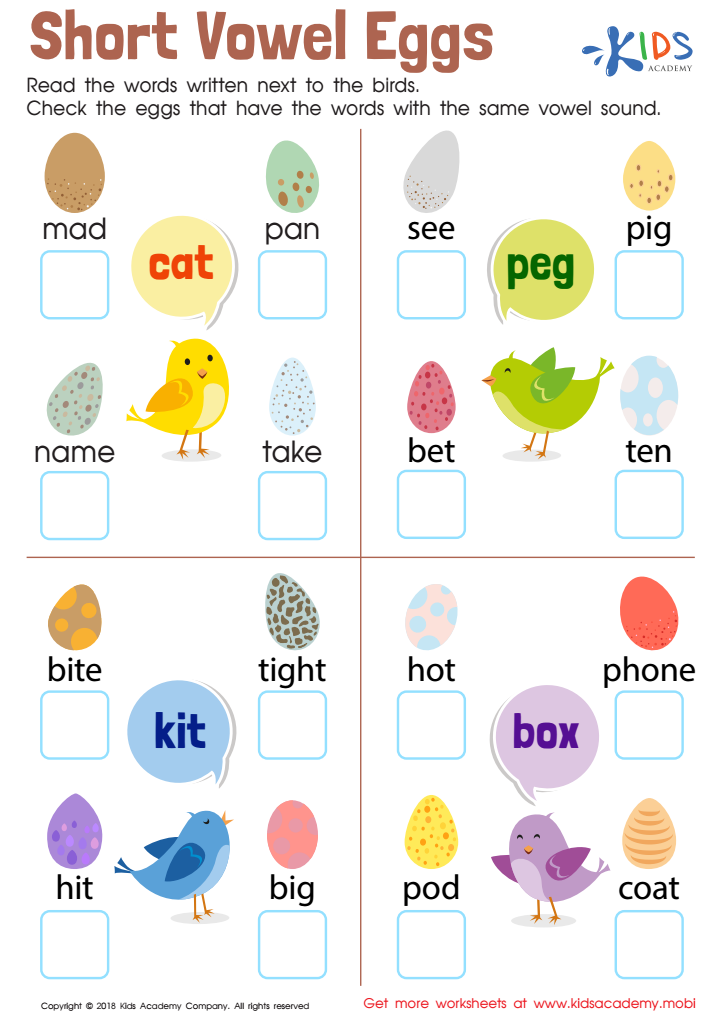
Short Vowel Eggs Worksheet
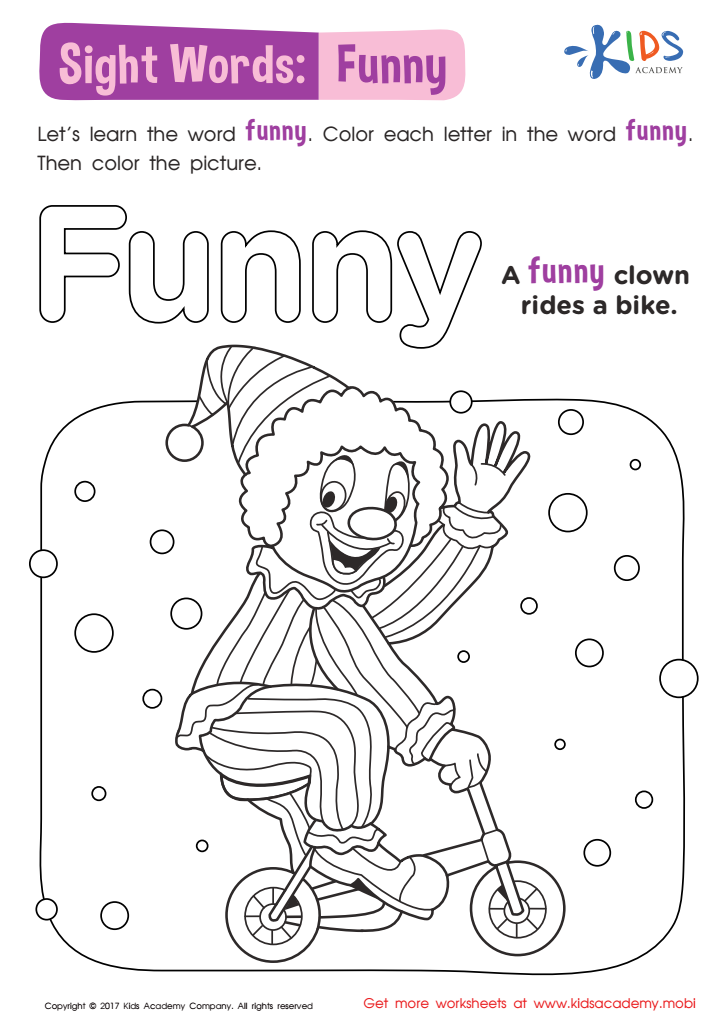
Funny Worksheet Sight Words Worksheet
 Assign to My Students
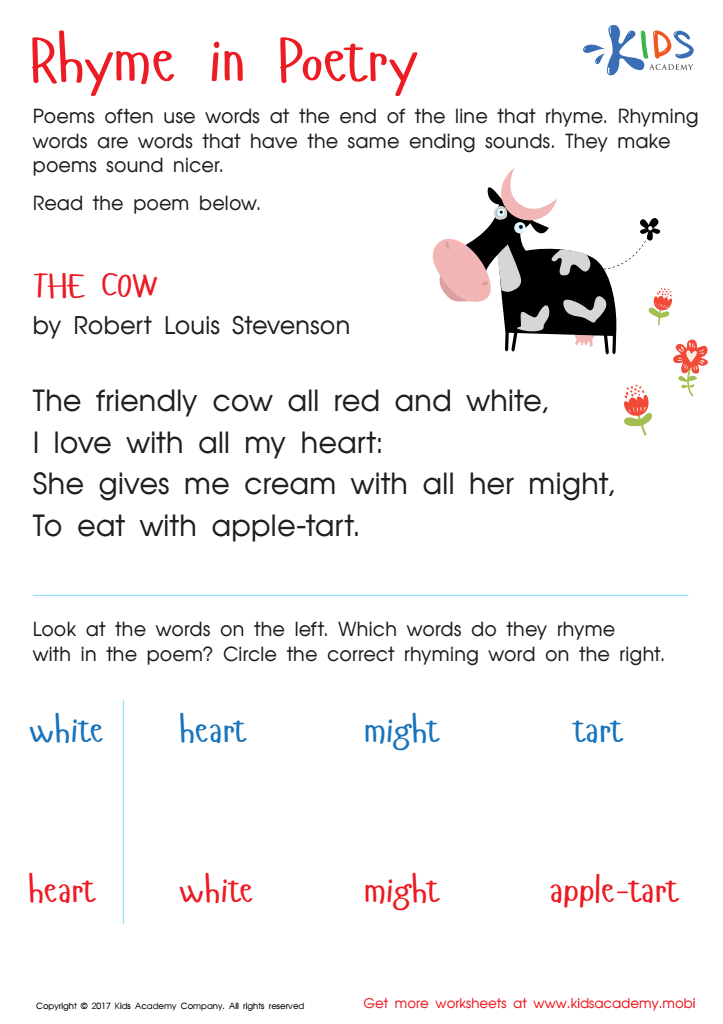
Rhyme In Poetry Worksheet
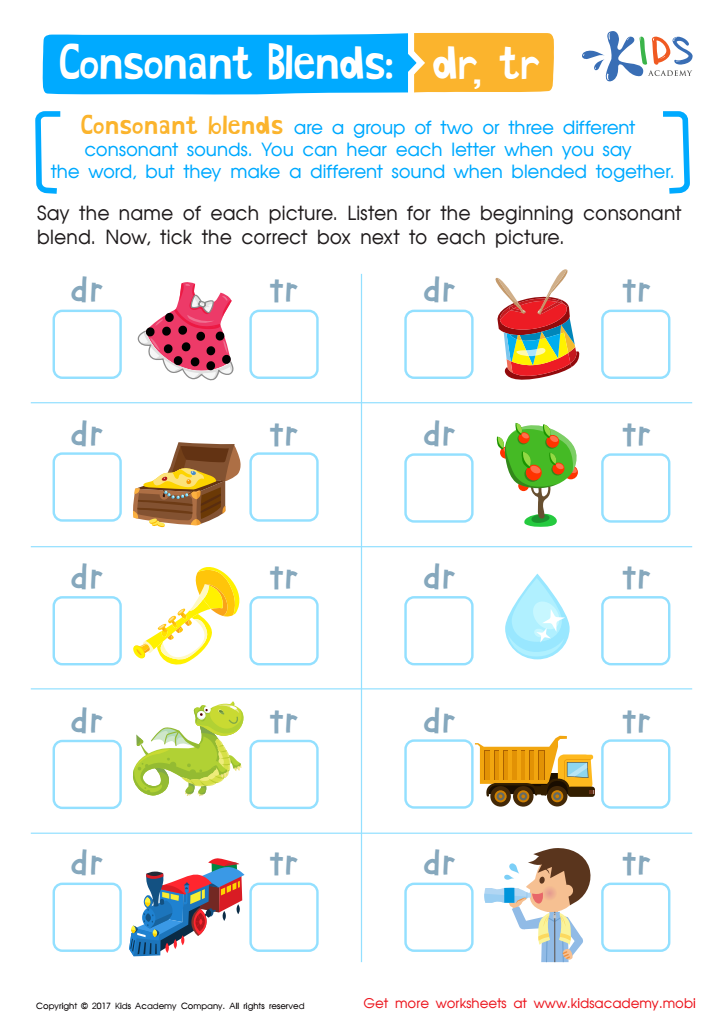
Consonant Blends: "Dr" and "Tr" Printable








Vocabulary enrichment, particularly through phonics, is crucial for children aged 6 to 8 as it lays the foundation for literacy development. During these formative years, children are increasingly exposed to reading and writing, making it essential to equip them with strong phonetic skills. Mastering phonics enables young learners to decode words confidently, enhancing their reading fluency and comprehension.
By focusing on vocabulary enrichment through phonics, parents and teachers foster a robust language framework. This practice not only improves children's reading skills but also enhances their expressive abilities, allowing them to articulate thoughts and emotions more effectively. A rich vocabulary helps children convey meanings more precisely, engage in discussions, and develop critical thinking skills.
Additionally, a strong vocabulary is linked to academic success. Children with enriched vocabularies are better prepared to tackle more complex texts in later grades, making it crucial for lifelong learning. Early exposure to a variety of words increases curiosity and comprehension, laying the groundwork for future educational pursuits. Therefore, parents and teachers should prioritize vocabulary enrichment phonics, ensuring that children transition smoothly from learning to read to reading to learn, ultimately setting them up for success both academically and socially.







