Alphabet Recognition Tracing Letters Worksheets for Ages 6-8 - Page 2
28 filtered results
-
From - To
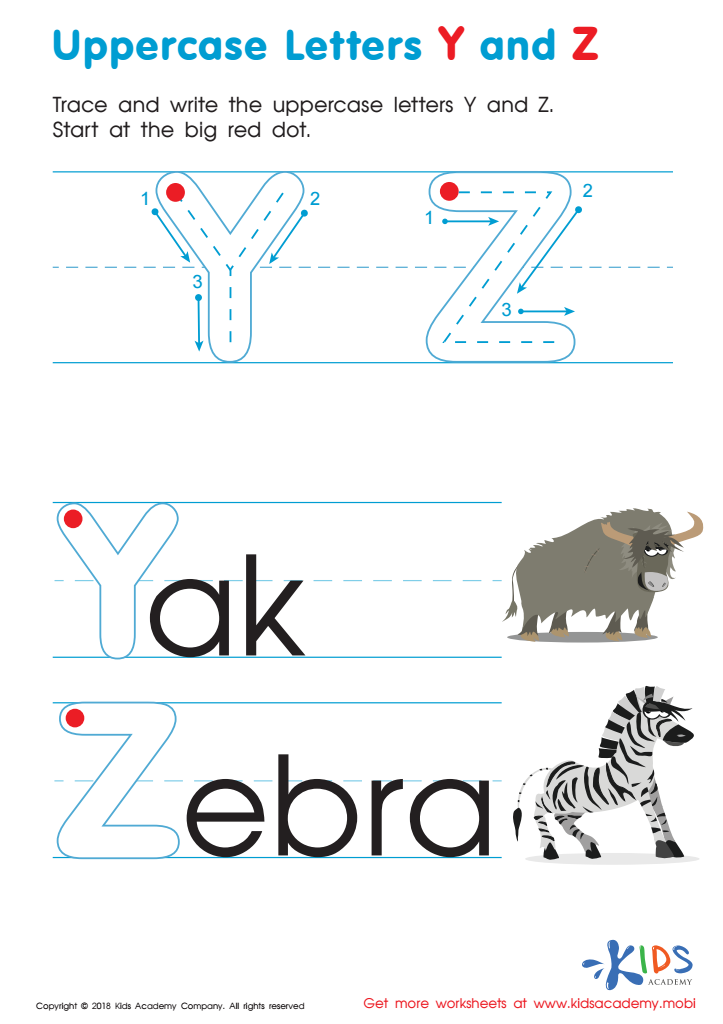
Uppercase Letters Y Z Worksheet
 Assign to My Students
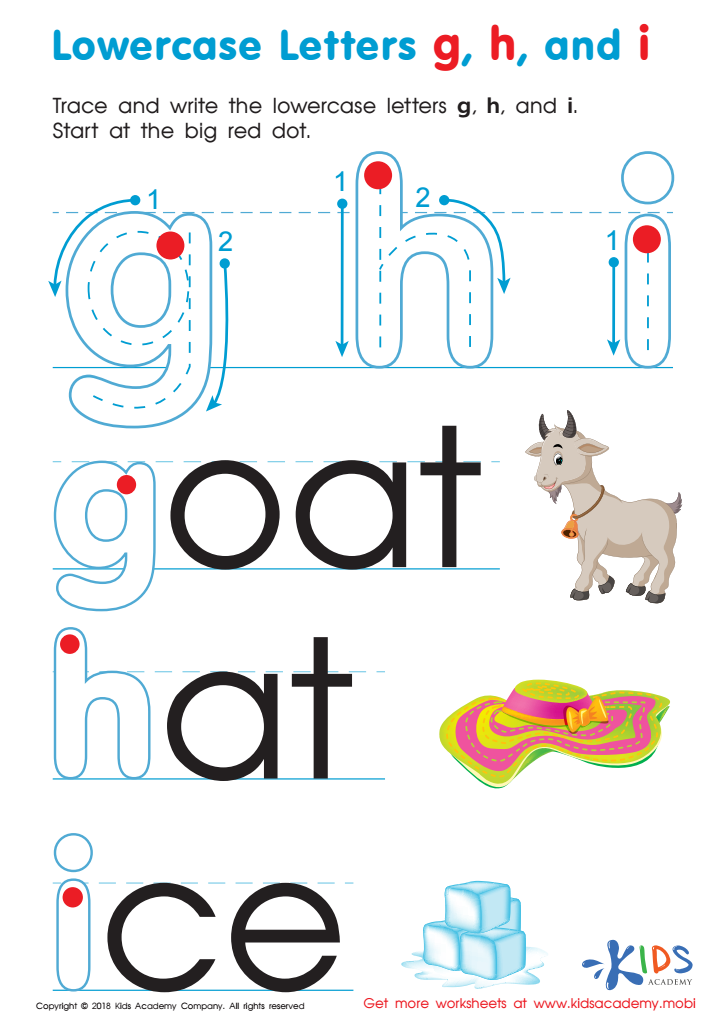
Lowercase Letters g h i Worksheet
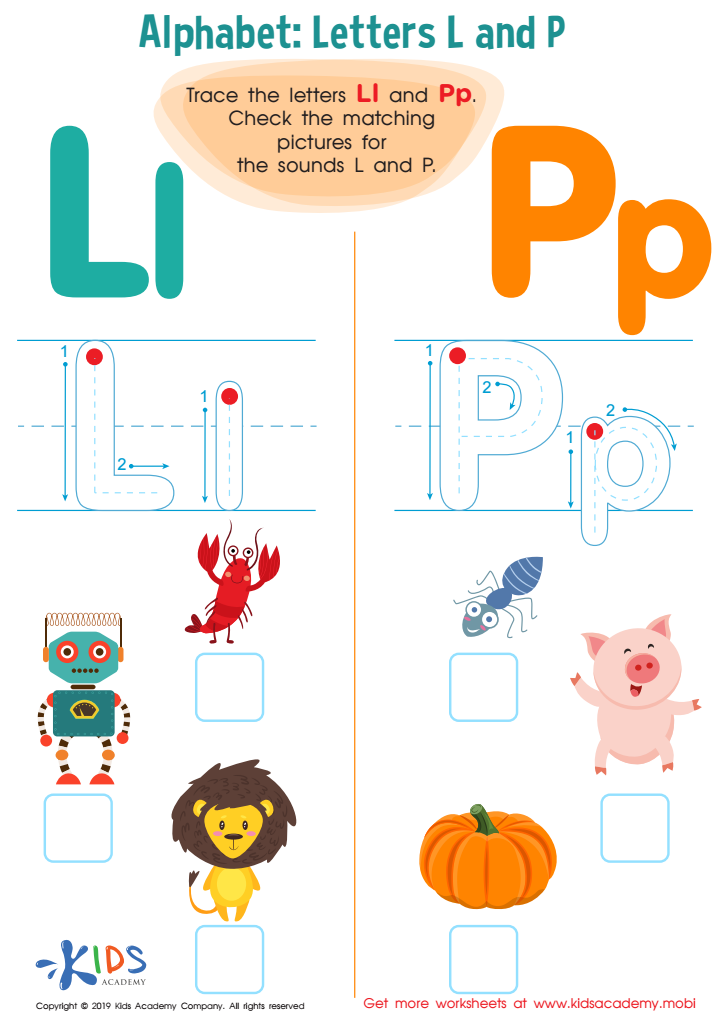
Letter L and P Tracing Worksheet
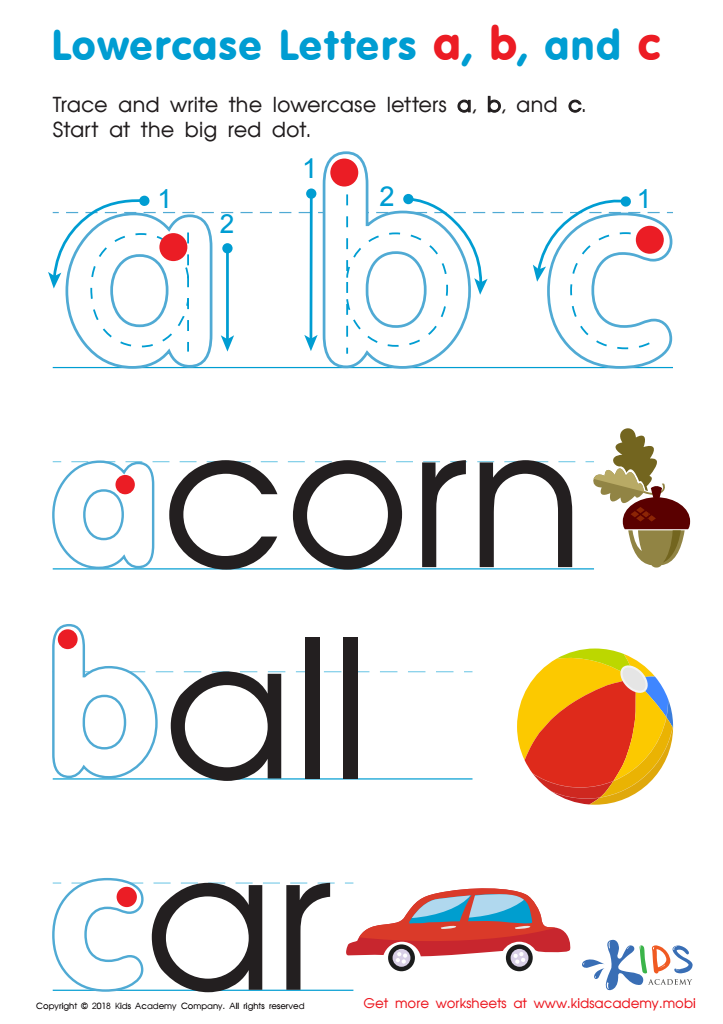
Lowercase Letters a b c Worksheet








Alphabet recognition and tracing letters are fundamental skills for children aged 6-8, laying the groundwork for literacy development. This stage is critical as children transition from learning to write to using writing as a tool for communication. Recognizing and tracing letters helps enhance fine motor skills, essential for proper handwriting. Developing these skills allows children to write legibly, boosting their confidence in expressing their thoughts and ideas.
Moreover, early literacy practices significantly impact reading proficiency and overall academic success. When children can easily identify and reproduce letters, they are more likely to engage with reading materials and participate in classroom discussions, facilitating a love for learning.
For parents and teachers, supporting alphabet recognition and letter tracing means fostering a nurturing learning environment. Engaging children with fun activities, such as tracing games or art projects, can make learning feel enjoyable and less daunting. This approach not only builds foundational literacy skills but also encourages creativity and critical thinking. As children gain proficiency, they are better equipped to tackle more challenging tasks, ensuring a smoother educational journey ahead. Ultimately, prioritizing these skills during this age range can have long-lasting effects on a child's self-esteem, academic performance, and overall development.








