Handwriting practice Tracing Letters Worksheets for Ages 6-8 - Page 2
28 filtered results
-
From - To
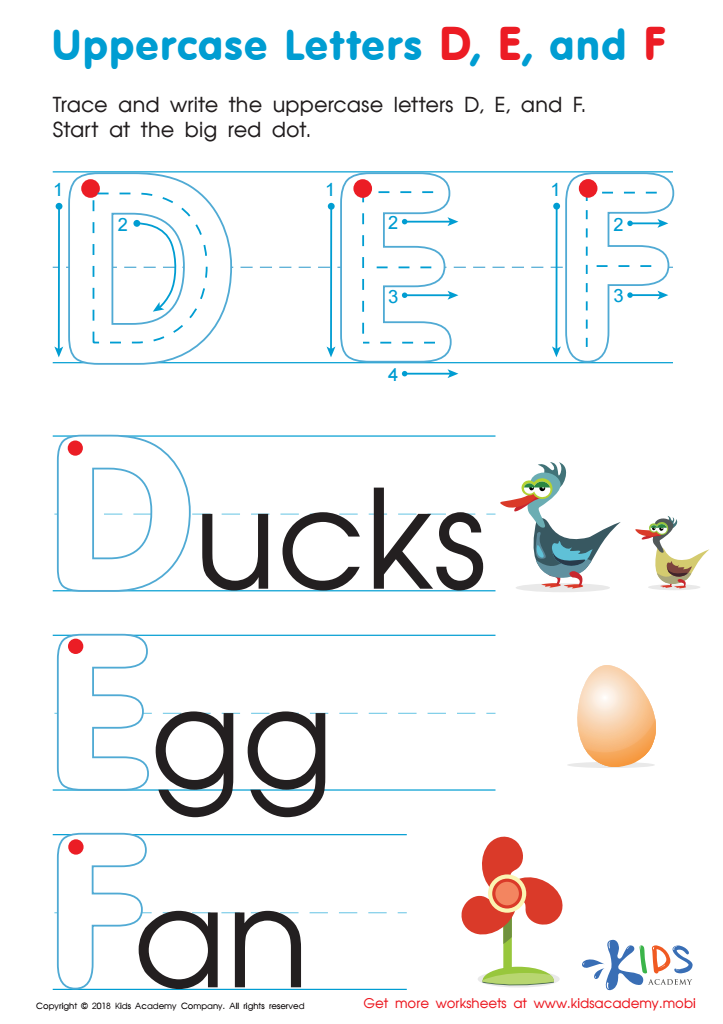
Uppercase Letters D, E, and F Worksheet
 Assign to My Students
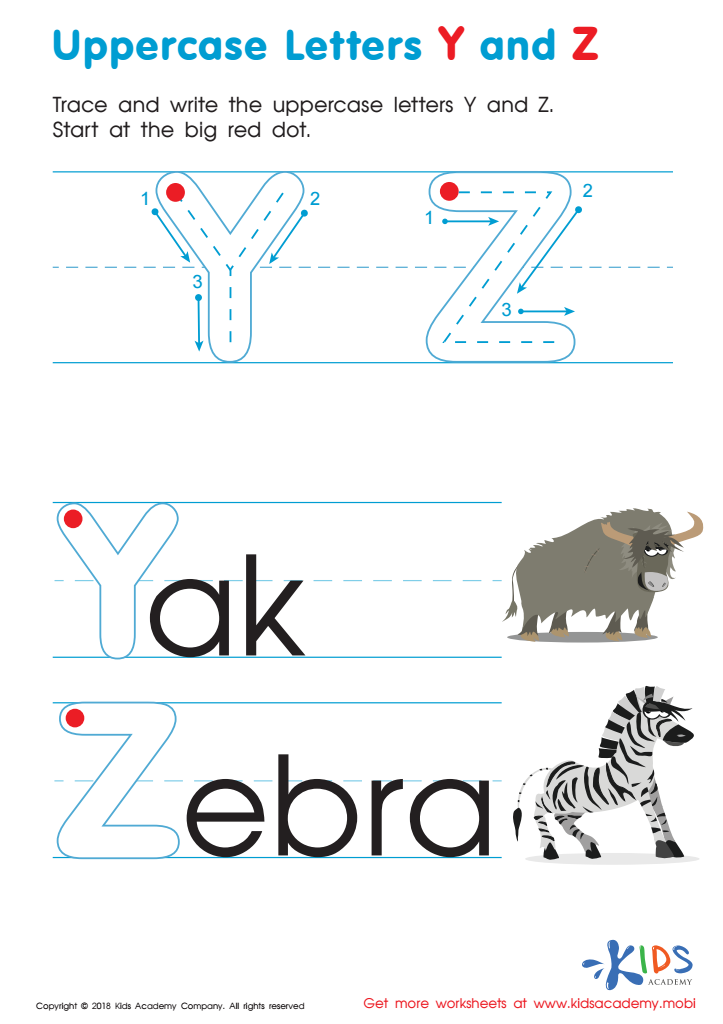
Uppercase Letters Y Z Worksheet
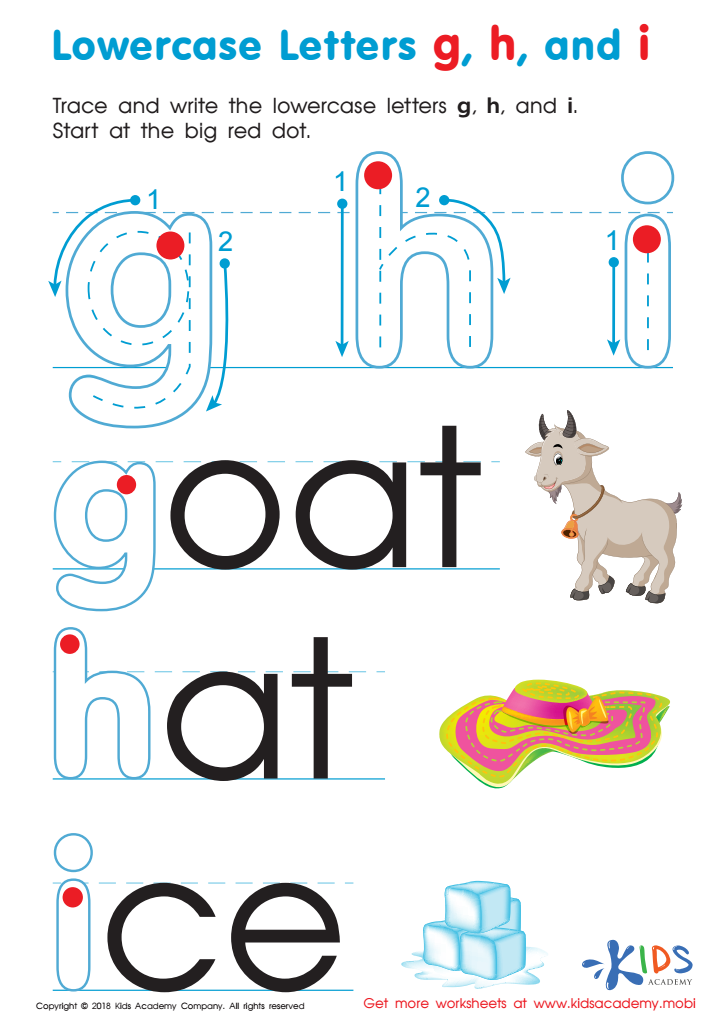
Lowercase Letters g h i Worksheet
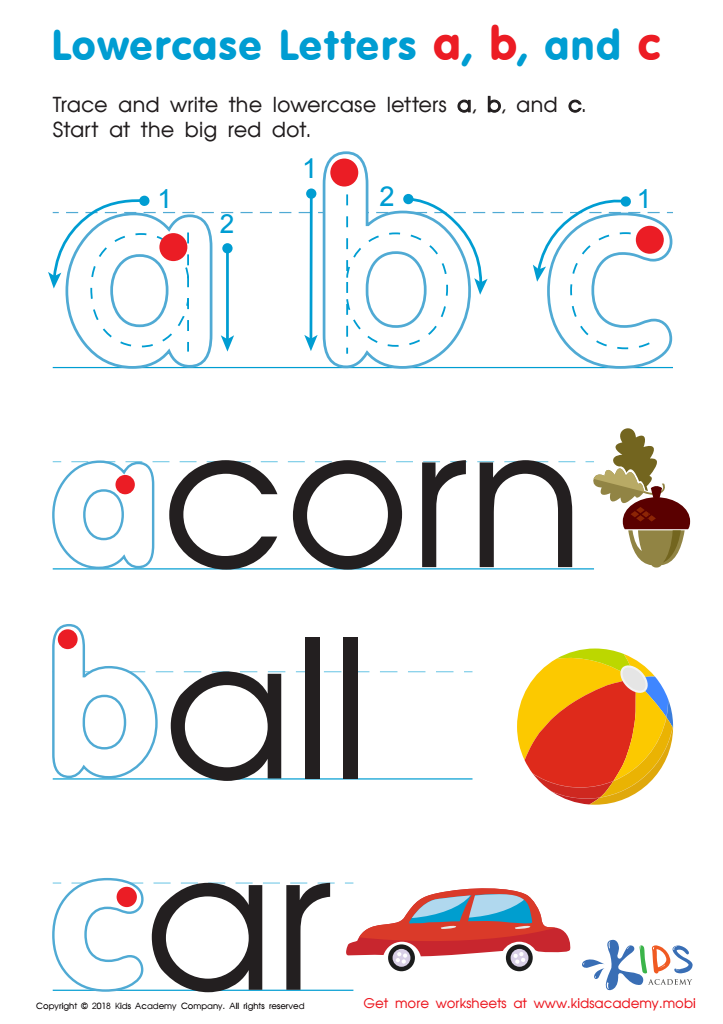
Lowercase Letters a b c Worksheet








Handwriting practice, particularly through tracing letters, holds significant value for children aged 6-8. At this developmental stage, children are honing their fine motor skills, which are essential for various activities beyond writing, such as dressing and using utensils. Tracing letters provides a structured way for kids to develop precision and control in their hand movements, directly translating to enhanced motor coordination.
Additionally, handwriting practice reinforces letter recognition and phonemic awareness. As children repeatedly trace and write letters, they internalize the shapes and sounds associated with each letter, promoting foundational literacy skills. This directly supports their reading and spelling abilities, crucial components of early education.
Moreover, the practice cultivates patience and focus. In an era where digital distractions are abundant, teaching children the discipline required to practice handwriting fosters concentration and persistence. It also involves a form of multisensory learning—engaging the kinesthetic, visual, and sometimes auditory senses—that can benefit various learning styles.
Lastly, improved handwriting leads to better academic performance and self-esteem. Legible writing enables children to adequately express their knowledge, participate in classroom activities, and thus receive accurate feedback. This tangibly boosts their academic confidence, reinforcing a positive attitude toward learning. Therefore, investing time in handwriting practice is integral to comprehensive cognitive and motor development for children in these formative years.








