Alphabet Recognition Upper & Lowercase Letters Worksheets for Ages 6-8
19 filtered results
-
From - To
Discover a fun way to enhance your child's alphabet recognition skills with our engaging worksheets designed for ages 6-8! Our collection of upper and lowercase letter activities helps young learners familiarize themselves with the alphabet through interactive exercises. Ideal for home or classroom use, these worksheets foster essential skills in letter identification, matching, and writing. Tailored to support creativity and engagement, each worksheet offers a variety of formats, including tracing, coloring, and matching games. Encourage your child's love for reading and writing as they develop a strong foundation in literacy. Dive into the world of letters and watch learning come alive!
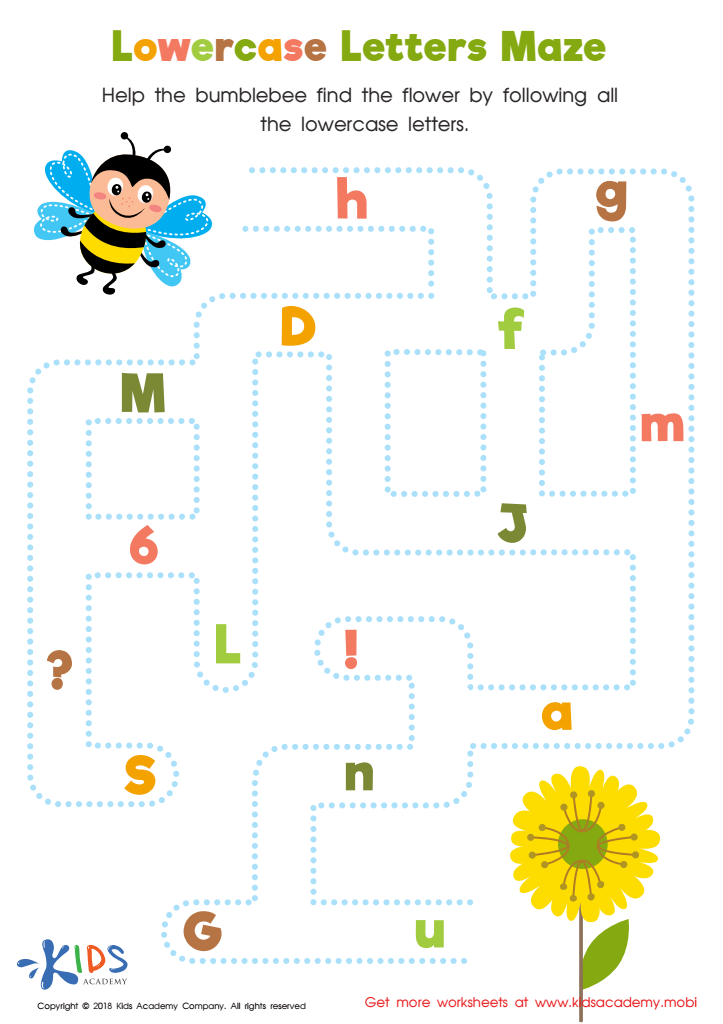
Lowercase Letters Maze Worksheet
 Assign to My Students
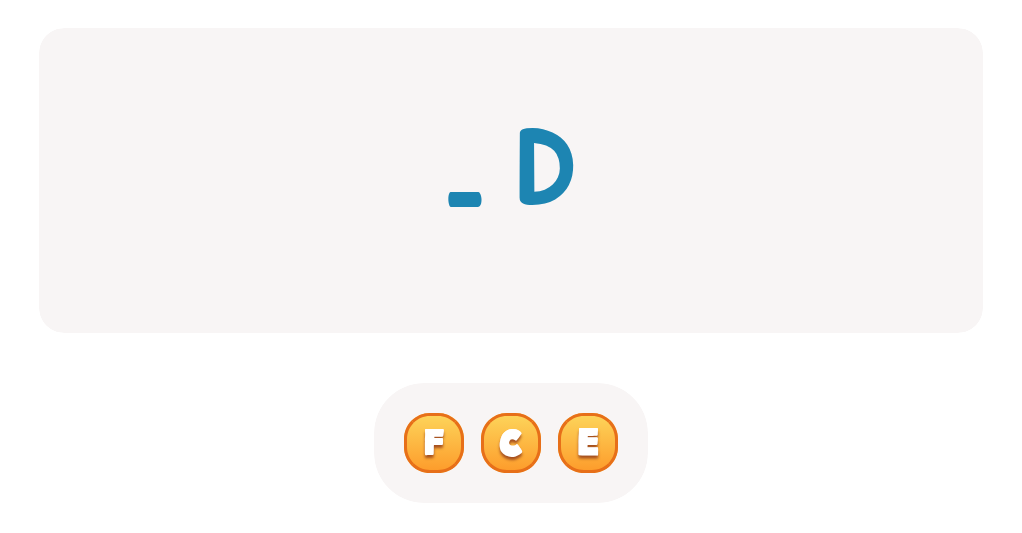

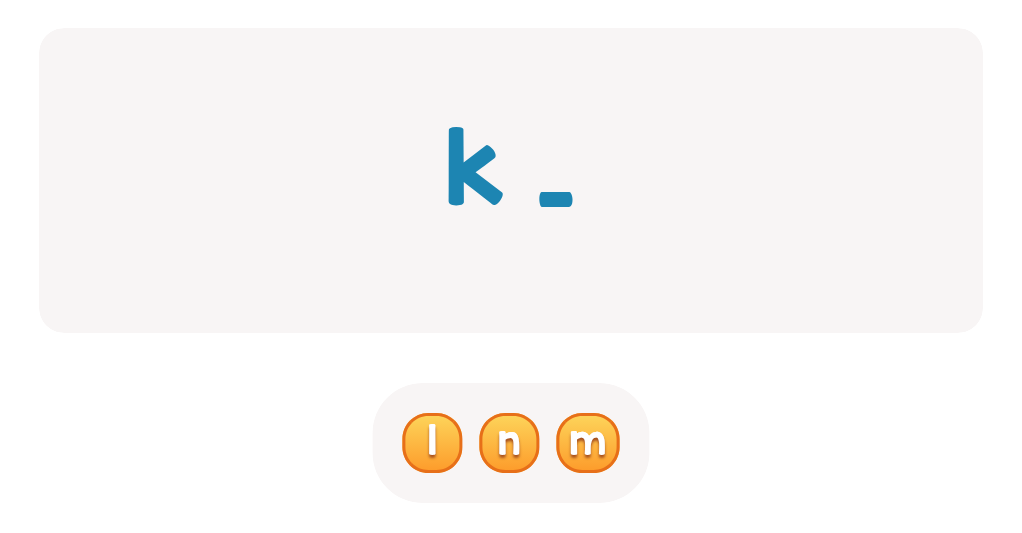
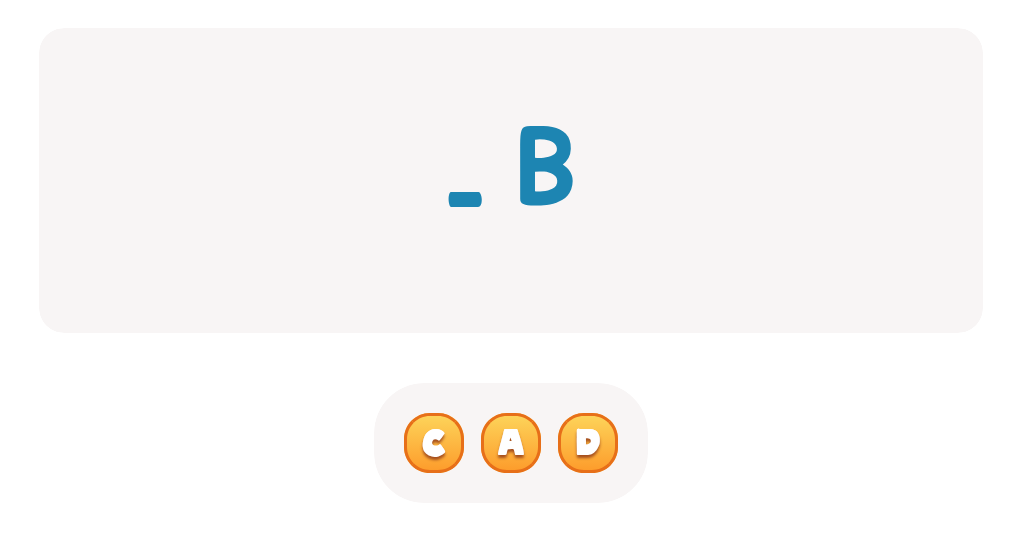
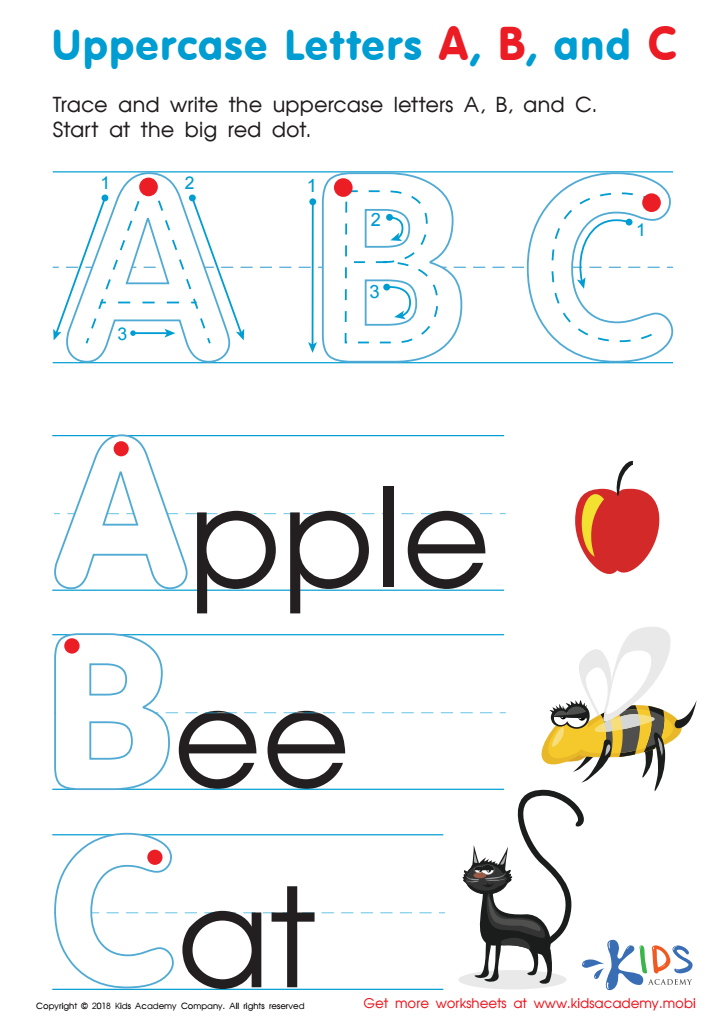
Uppercase Letters A, B, and C Worksheet
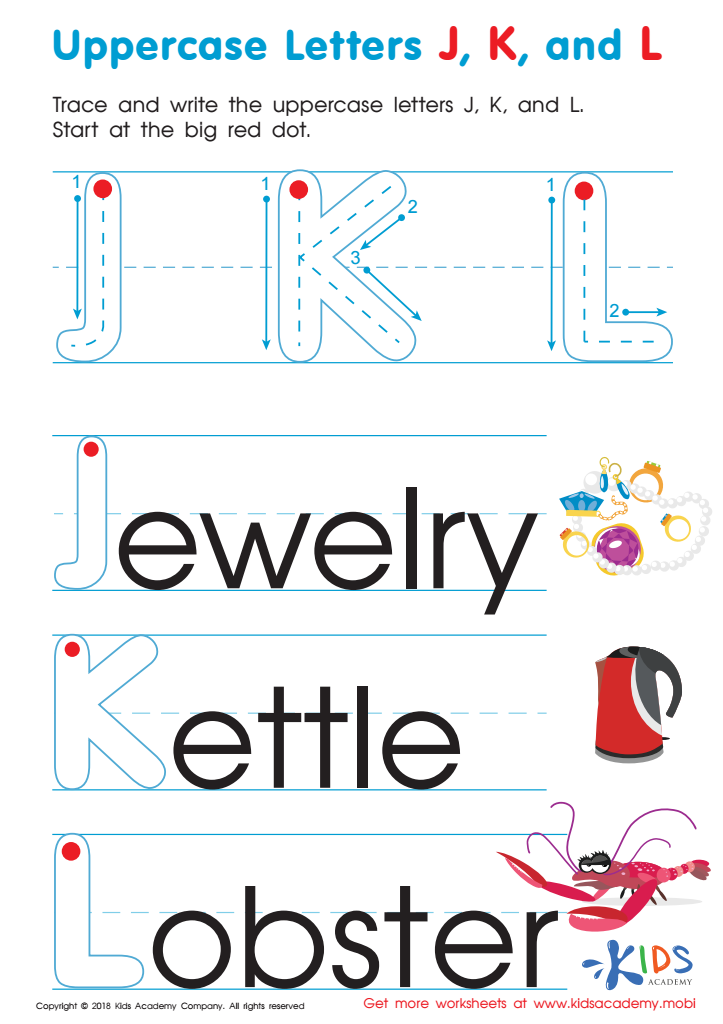
Uppercase Letters J, K, and L Worksheet
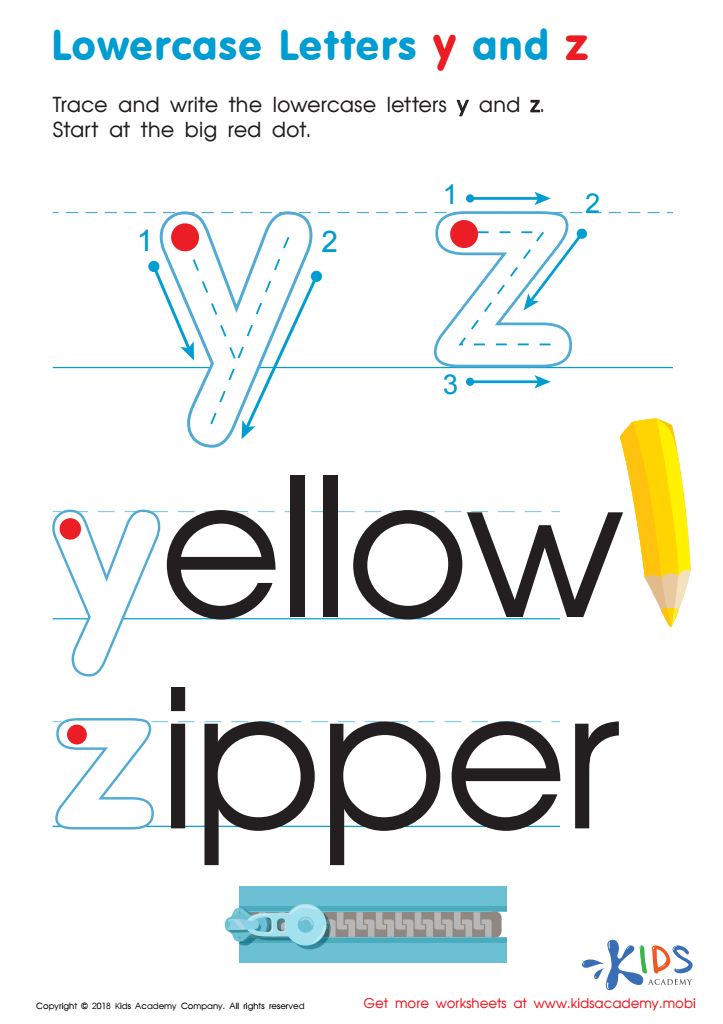
Lowercase Letters y z Worksheet
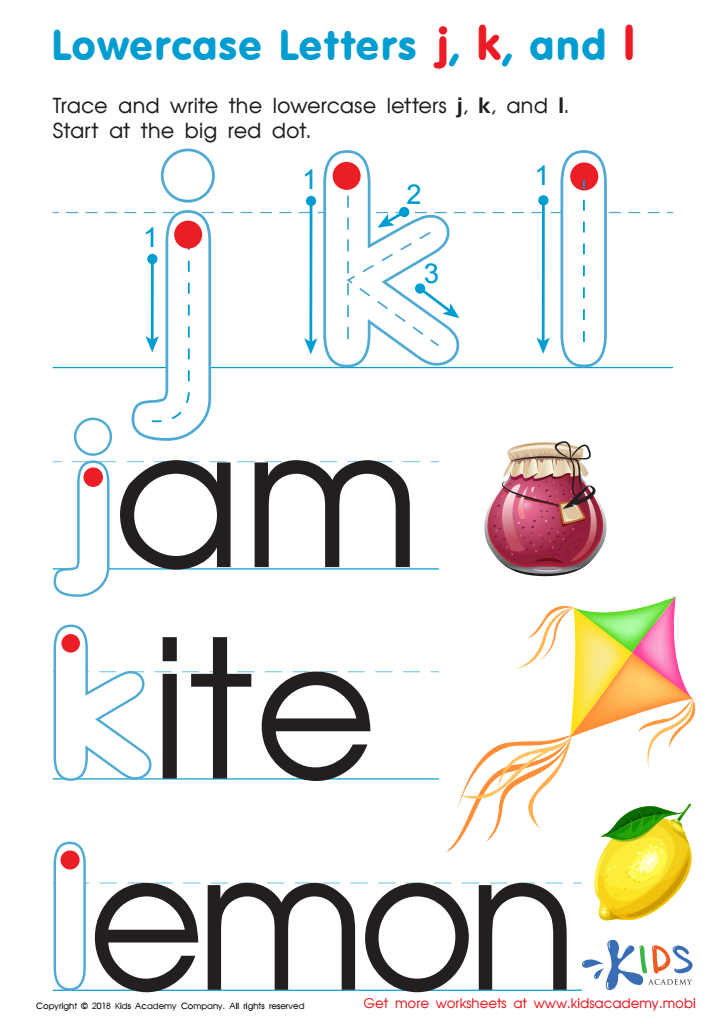
Lowercase Letters j k l Worksheet
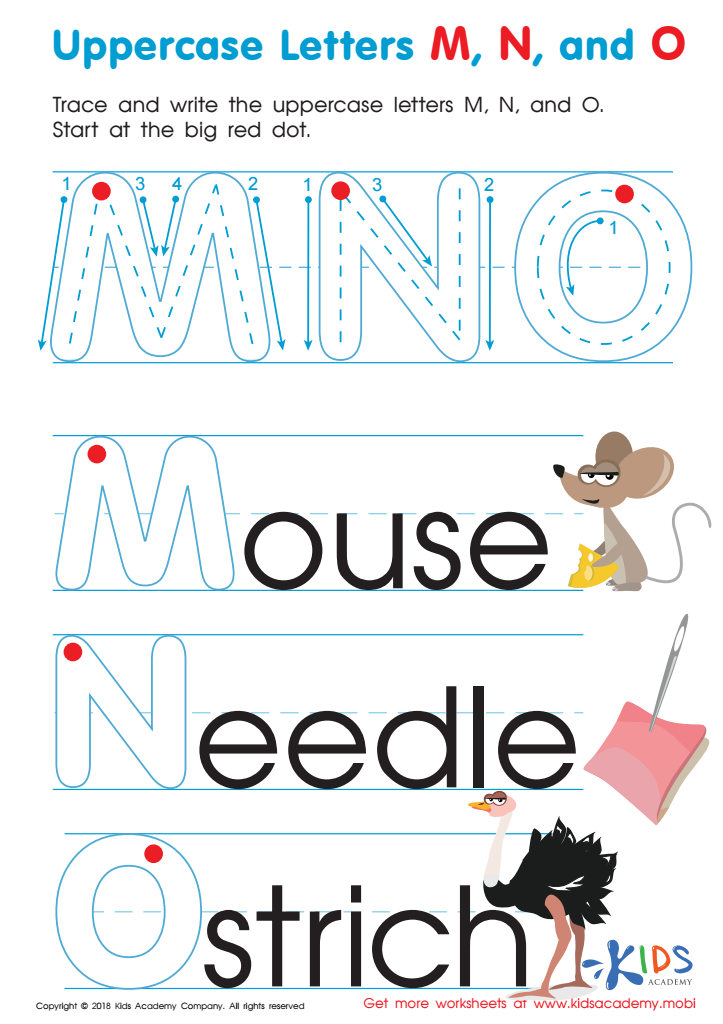
Uppercase Letters M, N, and O Worksheet
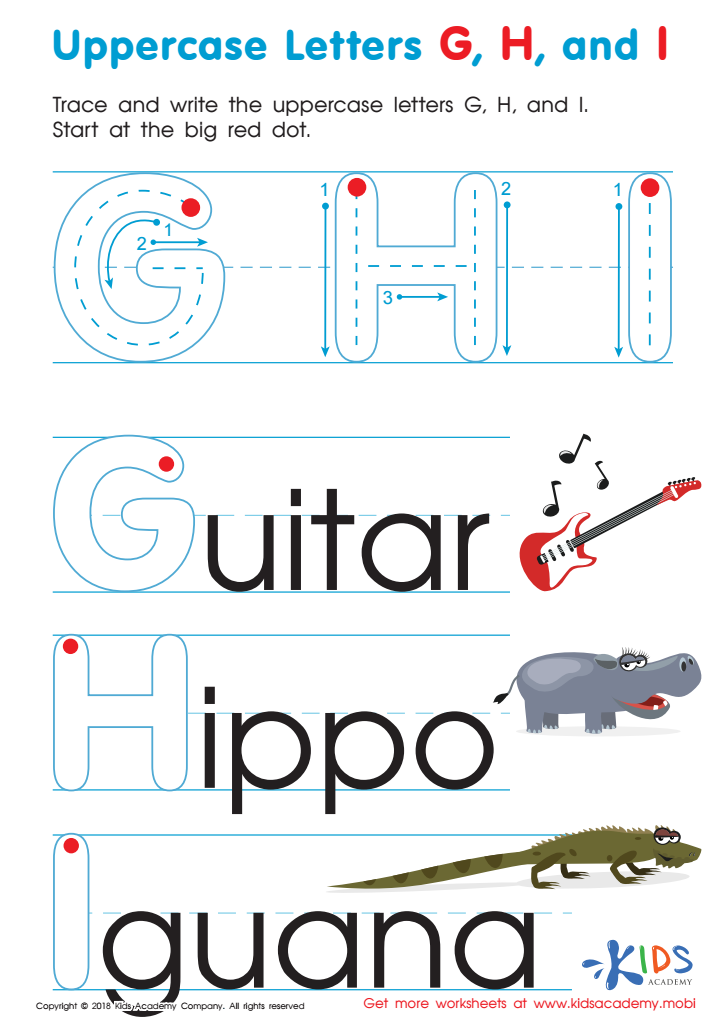
Uppercase Letters G, H, and I Worksheet
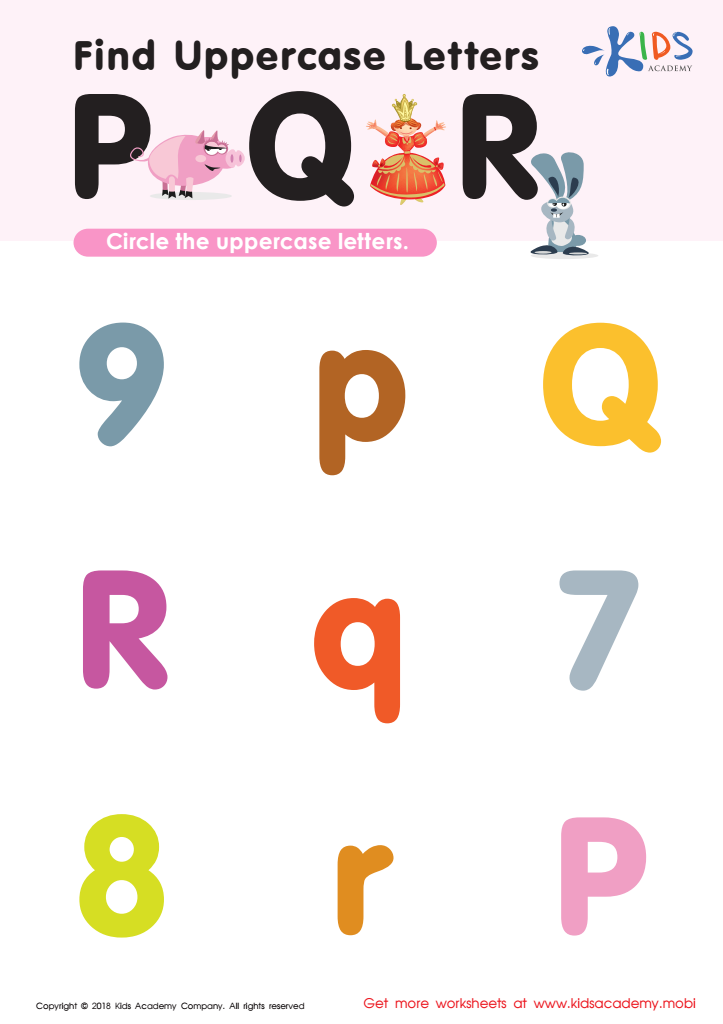
Find Uppercase Letters P, Q, and R Worksheet
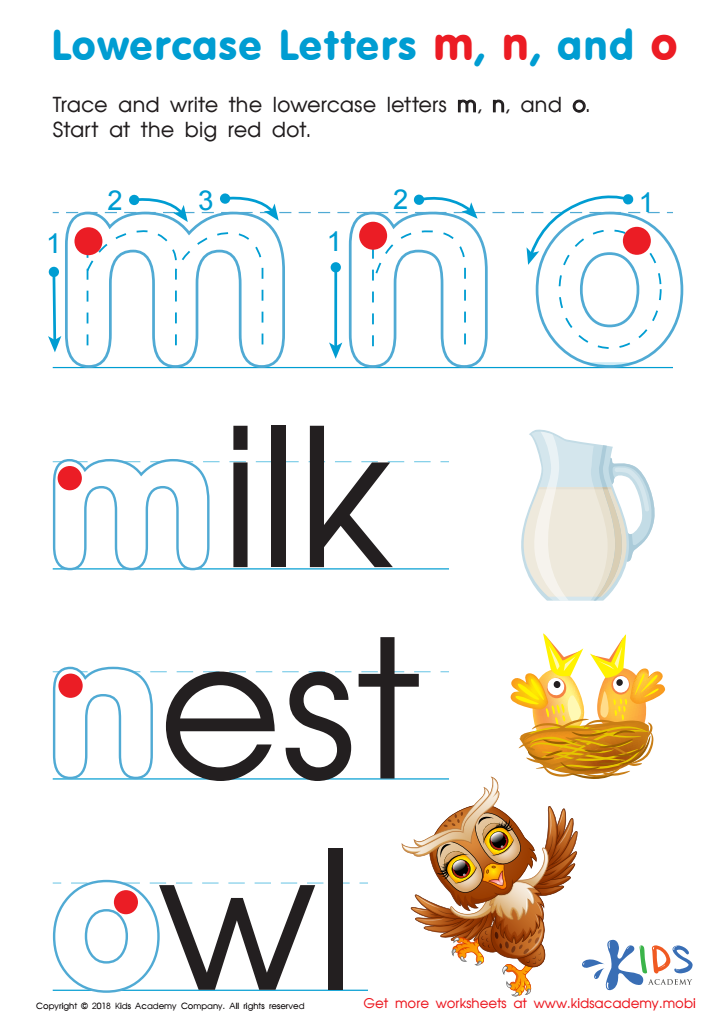
Lowercase Letters m n o Worksheet
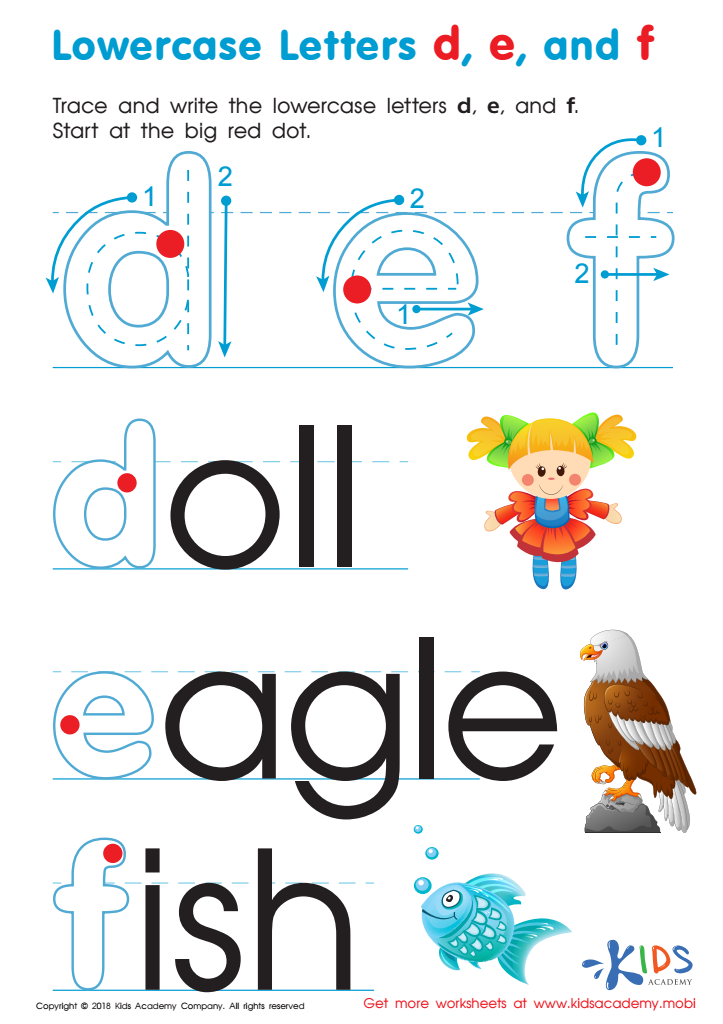
Lowercase Letters d e f Worksheet
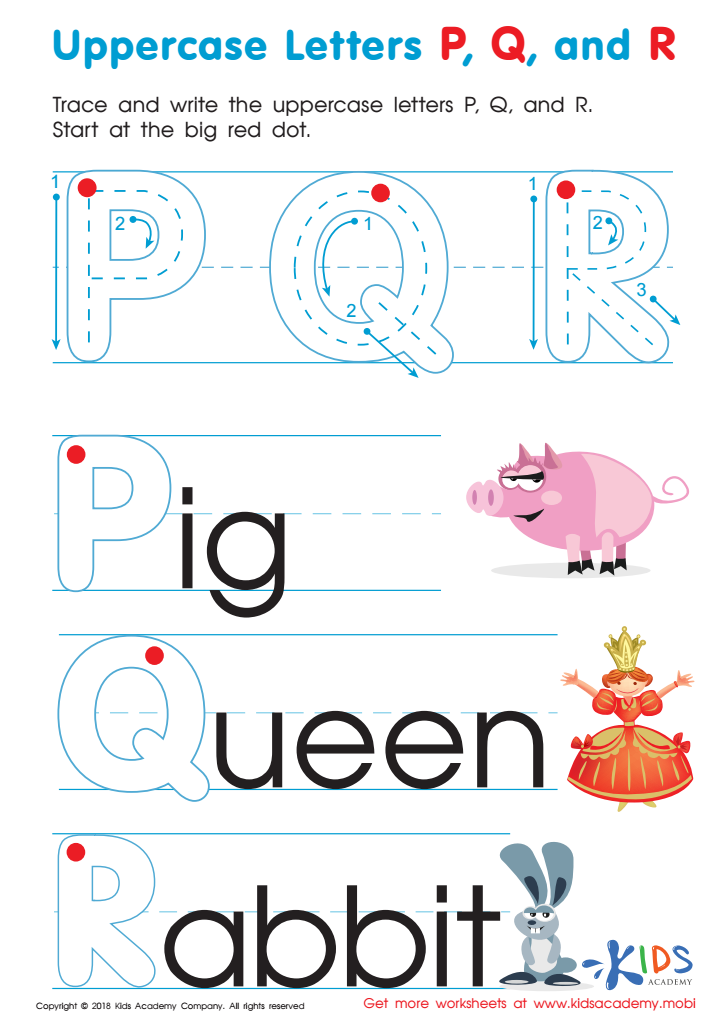
Uppercase Letters P, Q, and R Worksheet
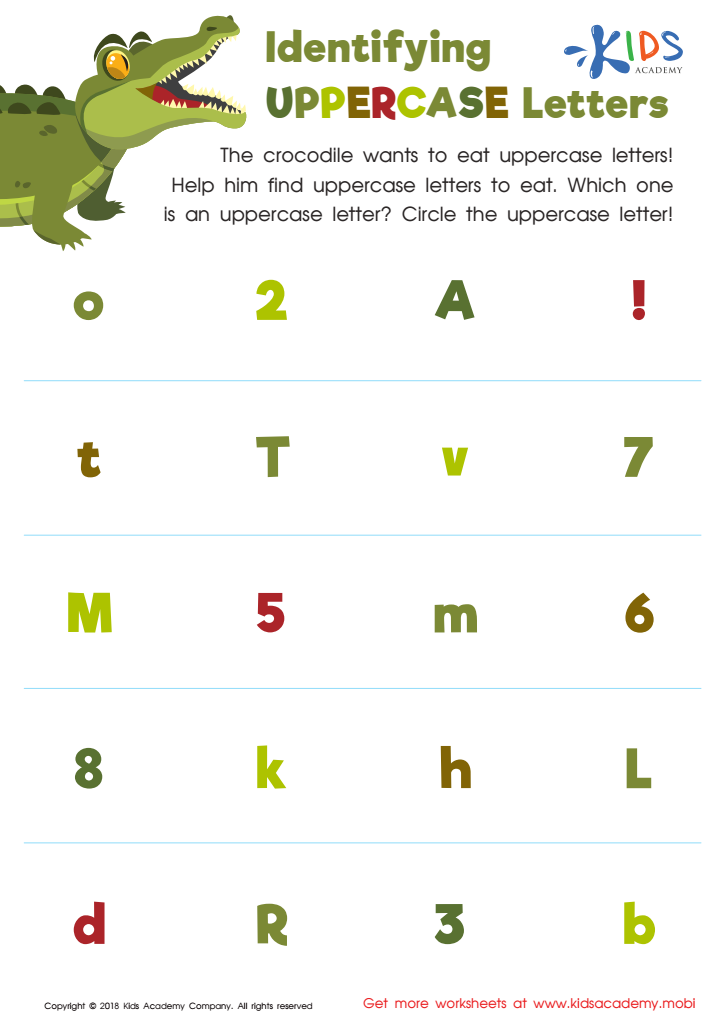
Identifying Uppercase Letters Worksheet
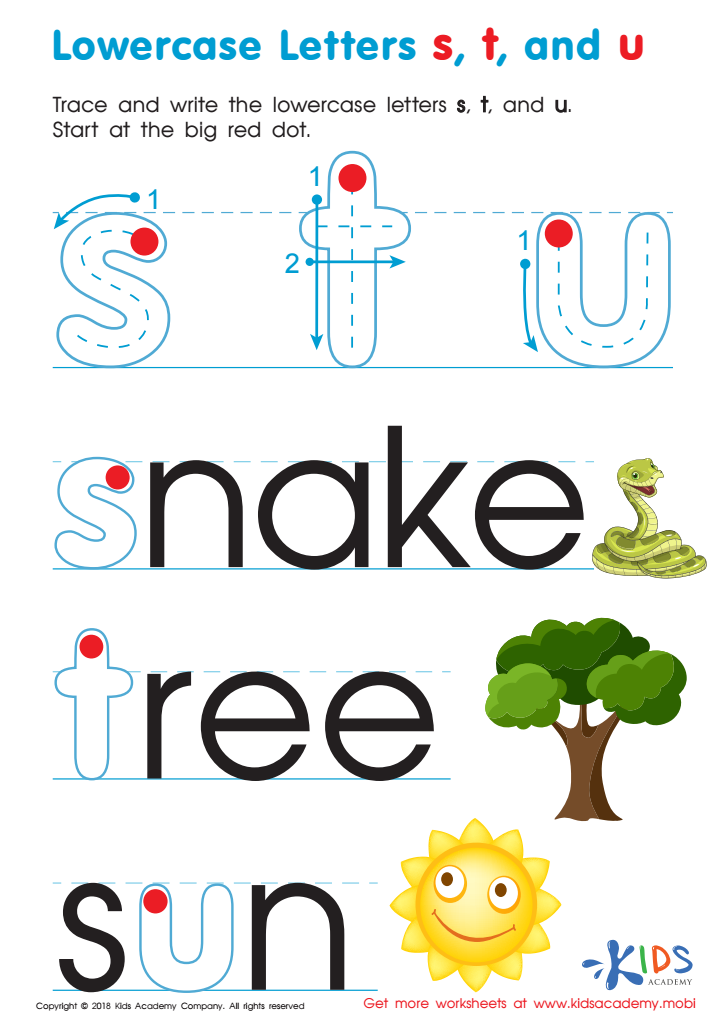
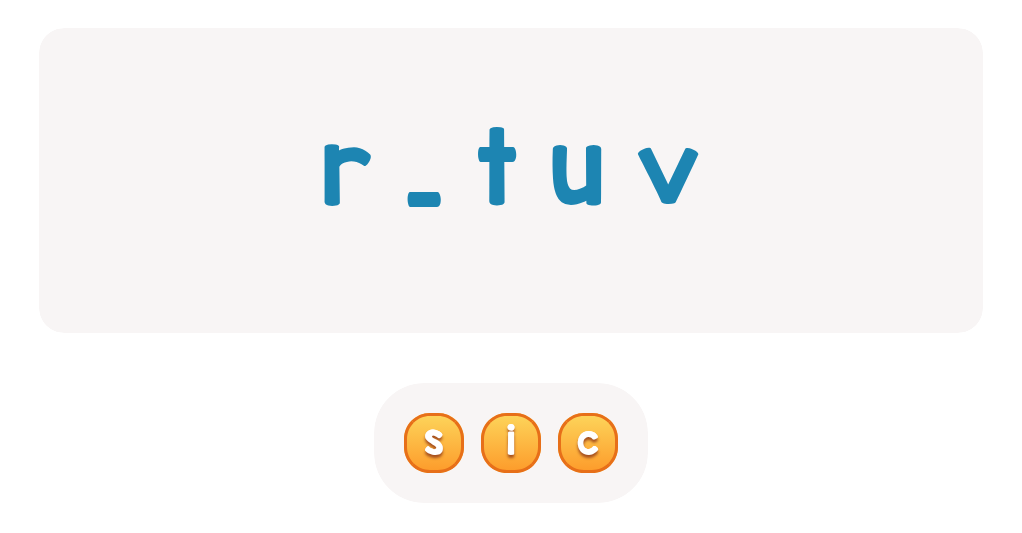
Lowercase Letters s t u Worksheet
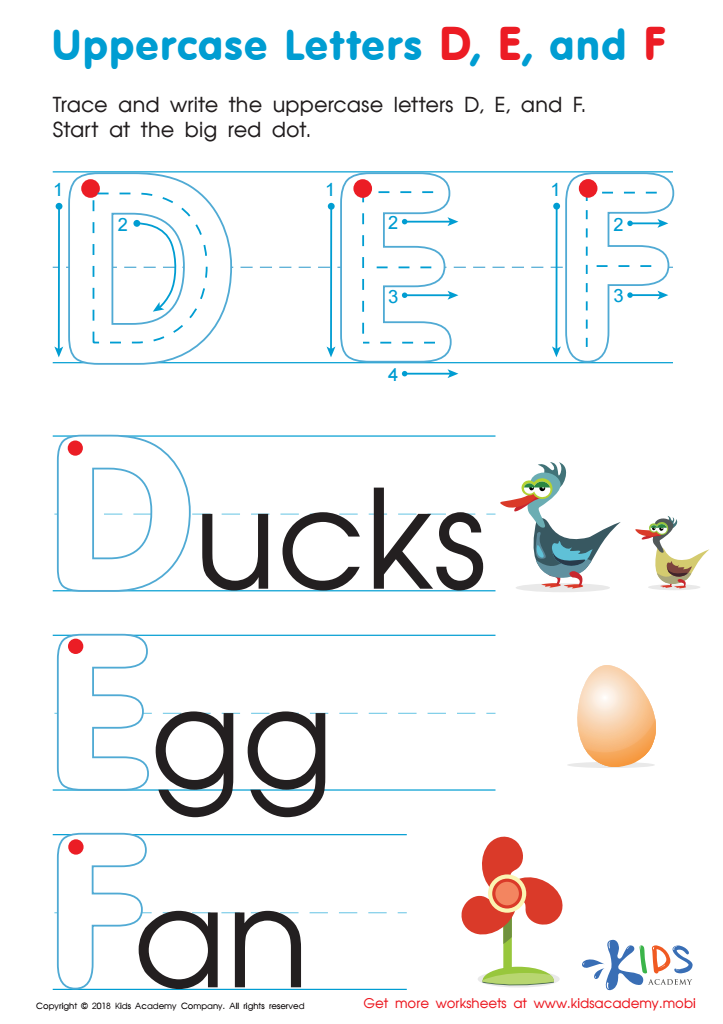
Uppercase Letters D, E, and F Worksheet
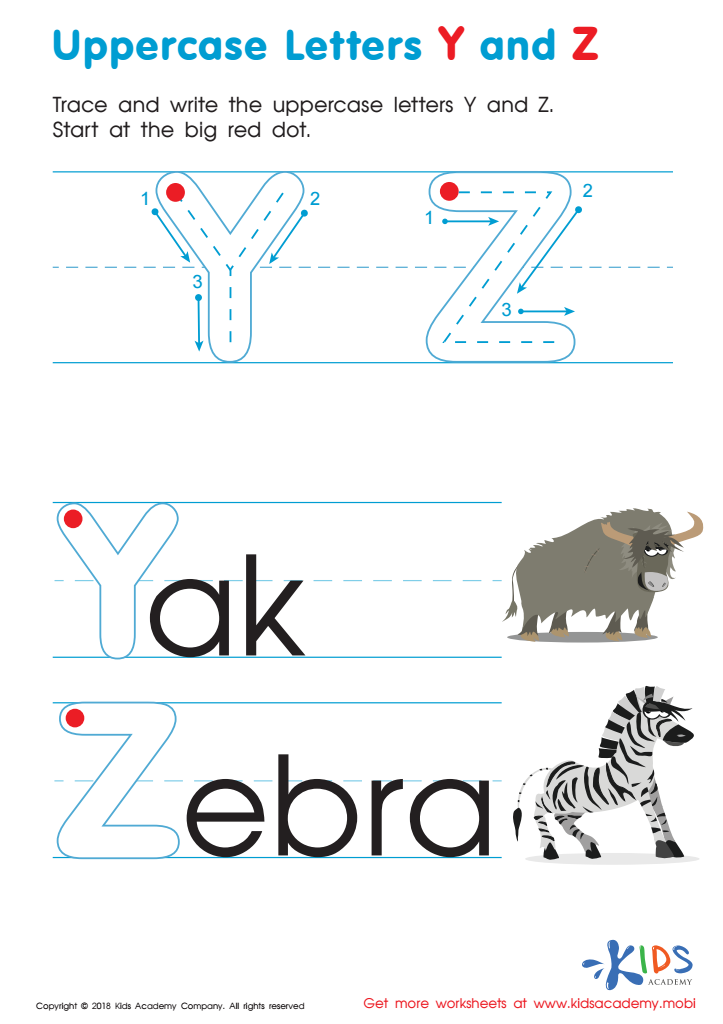
Uppercase Letters Y Z Worksheet
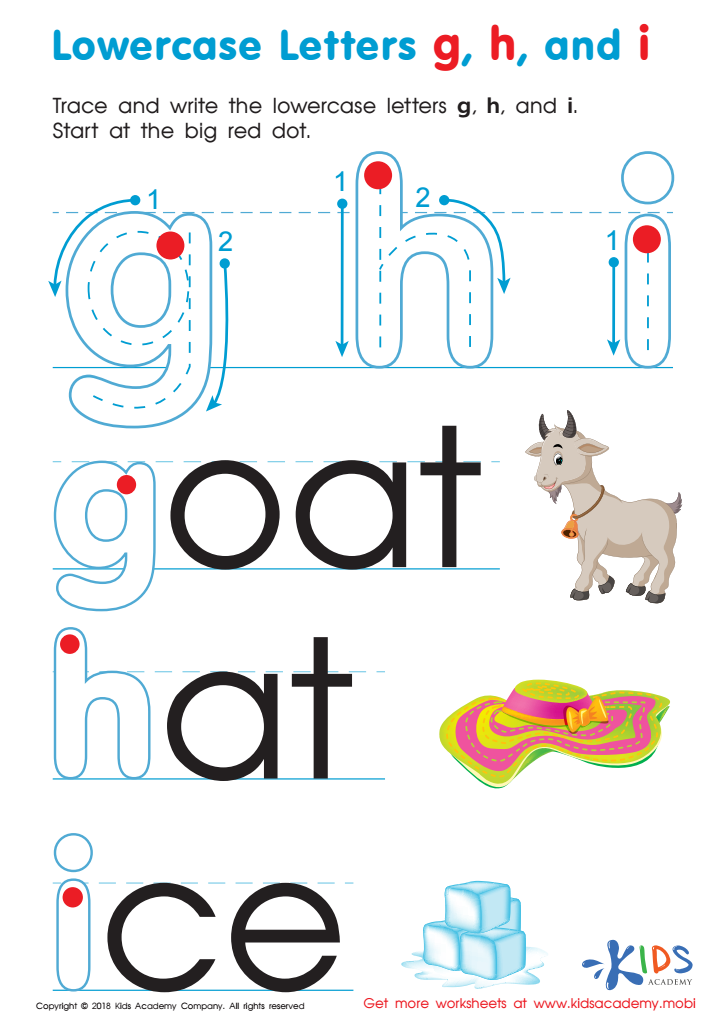
Lowercase Letters g h i Worksheet
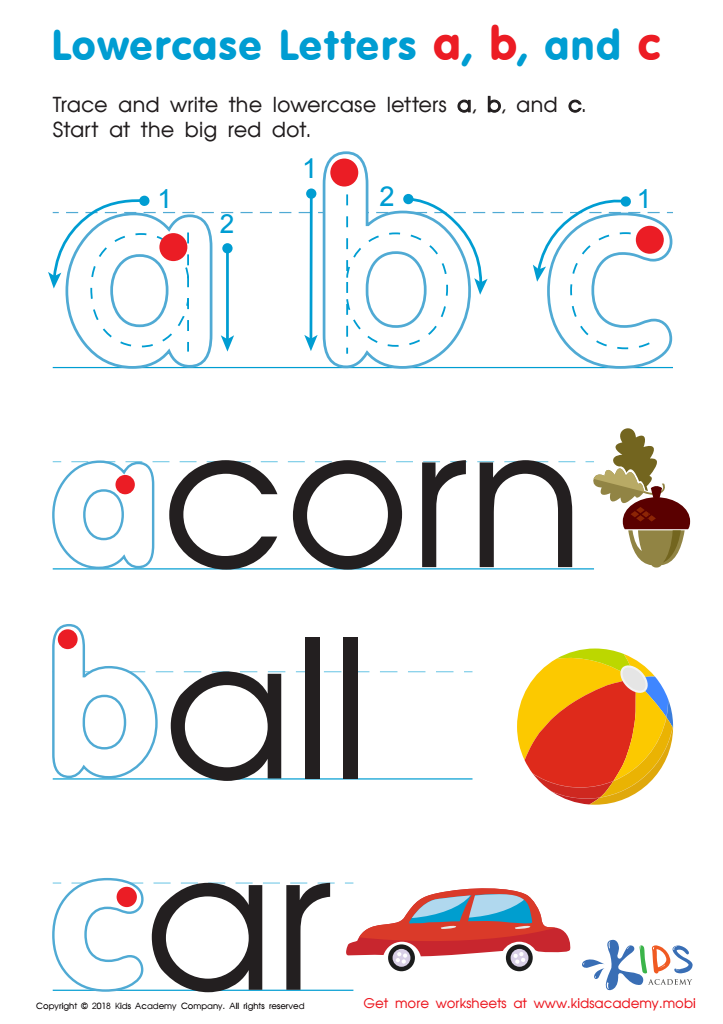
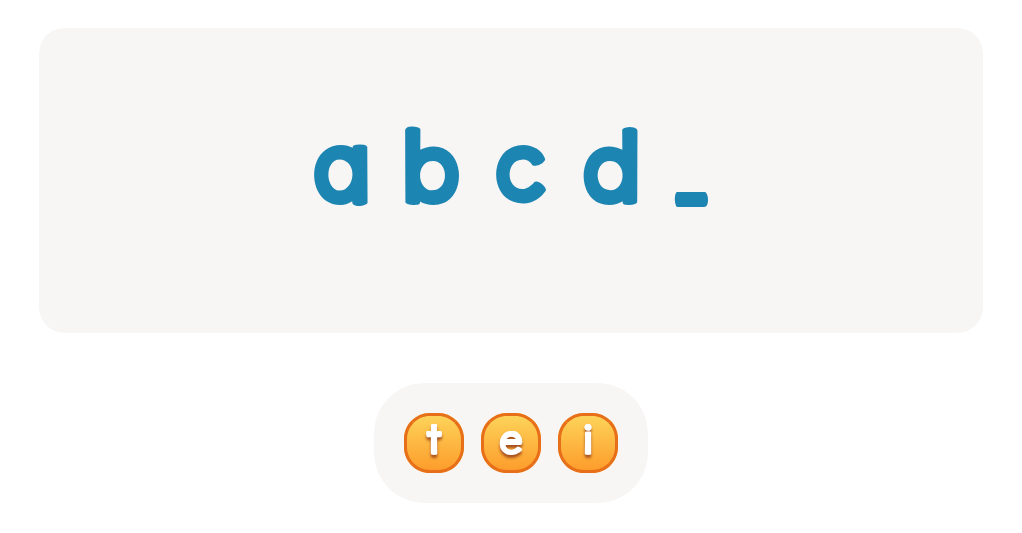
Lowercase Letters a b c Worksheet
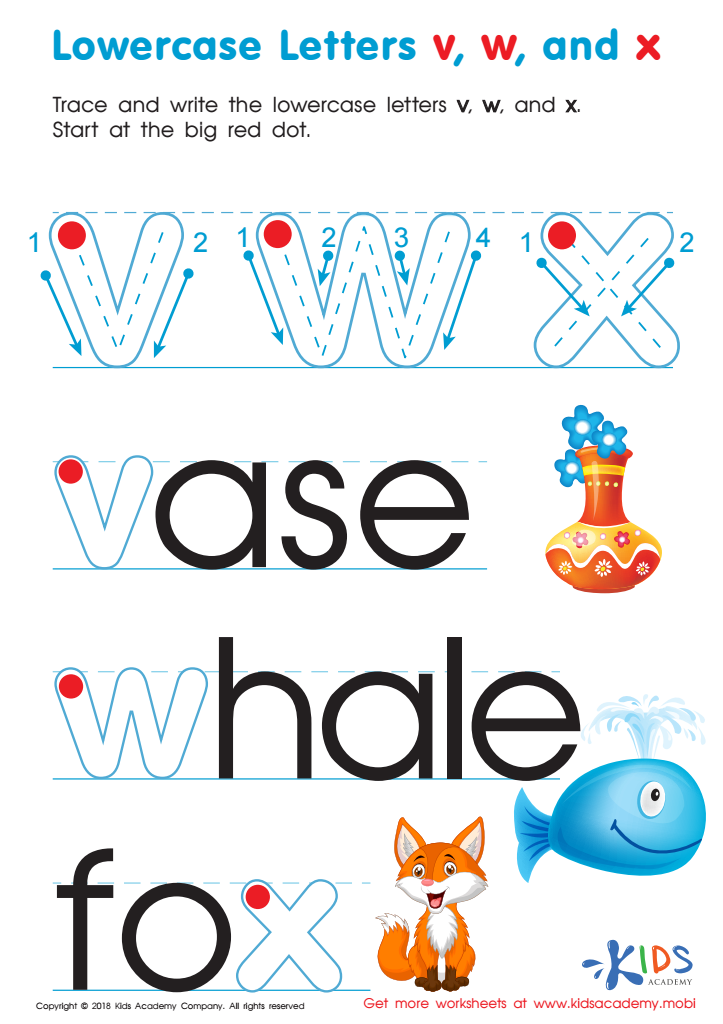
Lowercase Letters v w x Worksheet
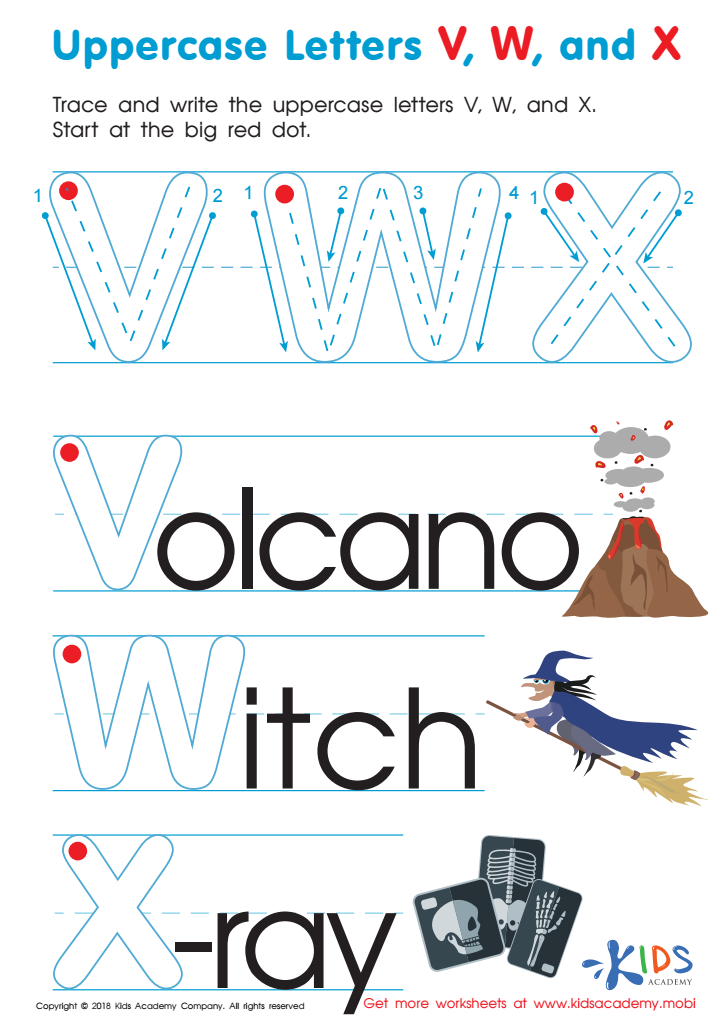
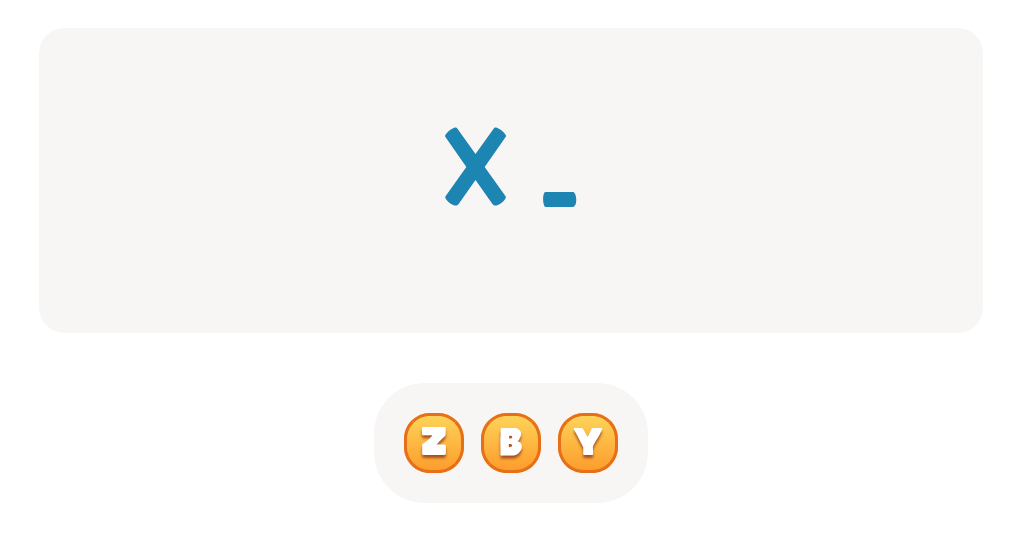
Uppercase Letters V, W, and X Worksheet






Alphabet recognition, encompassing both upper and lowercase letters, is a foundational skill crucial for children aged 6 to 8. During this developmental stage, children transition from cultivating basic literacy skills to more advanced reading and writing capabilities. Recognizing both forms of letters is vital, as they frequently appear in various contexts—books, signs, and digital media. Parents and teachers play a pivotal role in supporting this skill acquisition.
When children can effortlessly identify uppercase and lowercase letters, they can better comprehend texts, enhance their writing abilities, and decode unfamiliar words, which fosters greater confidence in their literacy journey. Additionally, familiarity with both letter cases is essential when learning about grammar and punctuation, which impact overall communication skills.
Furthermore, recognizing letters promotes phonemic awareness, as children begin to connect sounds with their corresponding letters. This understanding lays the groundwork for reading fluency and expression, vital for academic success.
Engaging children through interactive activities, games, and daily conversations about letters can make learning enjoyable and effective. Ultimately, parents and teachers lead children towards becoming proficient readers, which opens up a world of knowledge, creativity, and opportunity. Hence, prioritizing alphabet recognition can significantly influence a child's educational trajectory.







