Strategic thinking Chess Worksheets for Ages 6-8
3 filtered results
-
From - To
Introducing our "Strategic Thinking Chess Worksheets for Ages 6-8" – the perfect way to foster critical thinking and strategic planning in young minds. These engaging and educational worksheets are designed to introduce children to the fundamentals of chess, while enhancing problem-solving abilities and boosting cognitive development. Our carefully crafted exercises offer fun and interactive ways to learn chess strategies, teaching kids to think several steps ahead. Ideal for budding players, these printables make mastering chess an enjoyable and rewarding experience, setting the foundation for lifetime skills. Cultivate your child's analytical skills and passion for chess today!
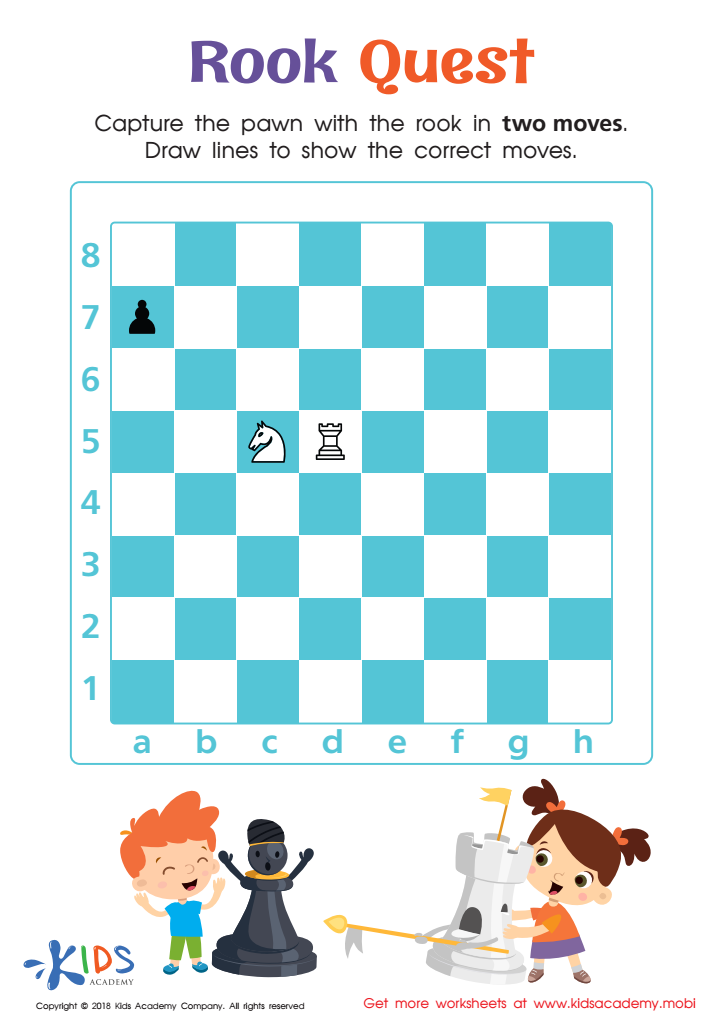
Rook Quest Worksheet
 Assign to My Students
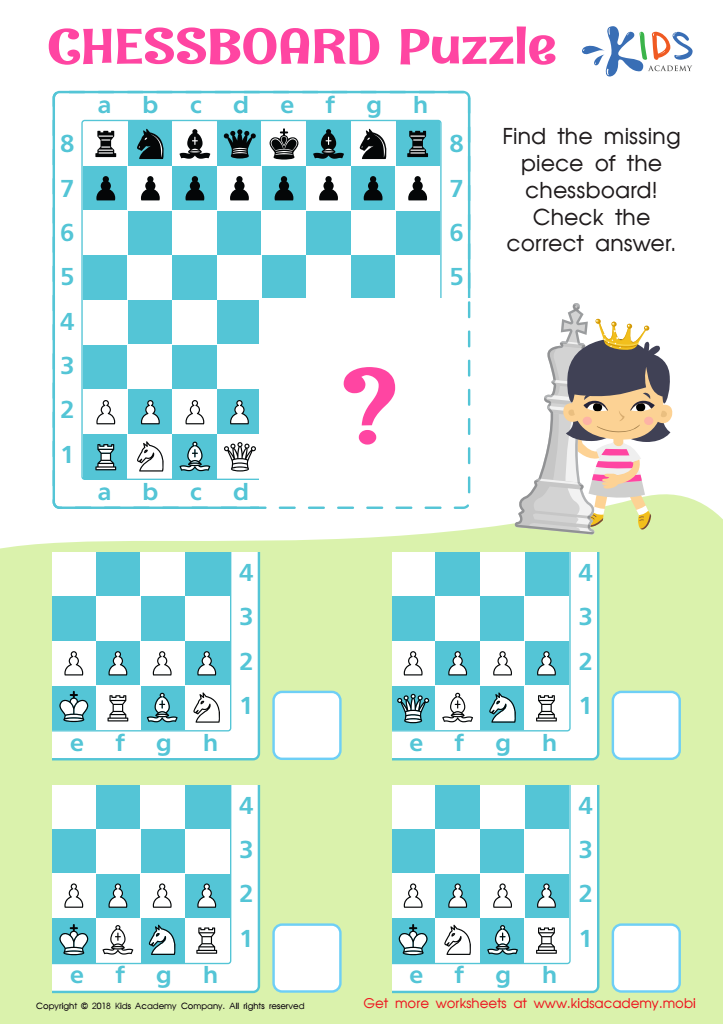
Chessboard Puzzle Worksheet
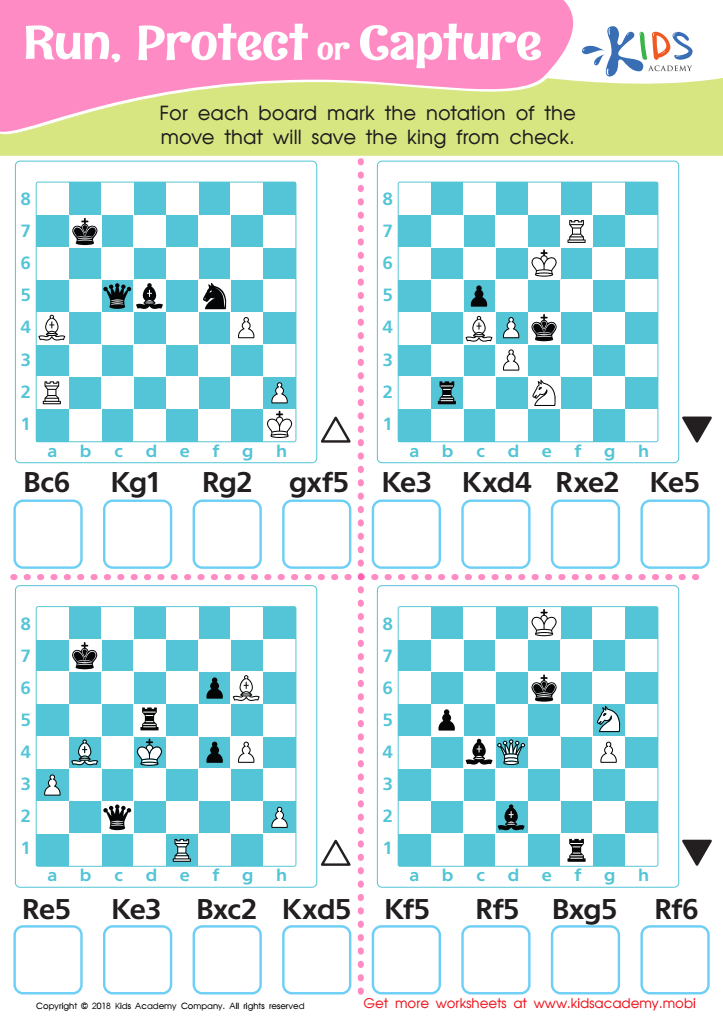
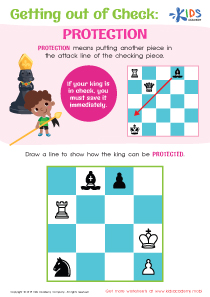
Run, Protect or Capture Worksheet


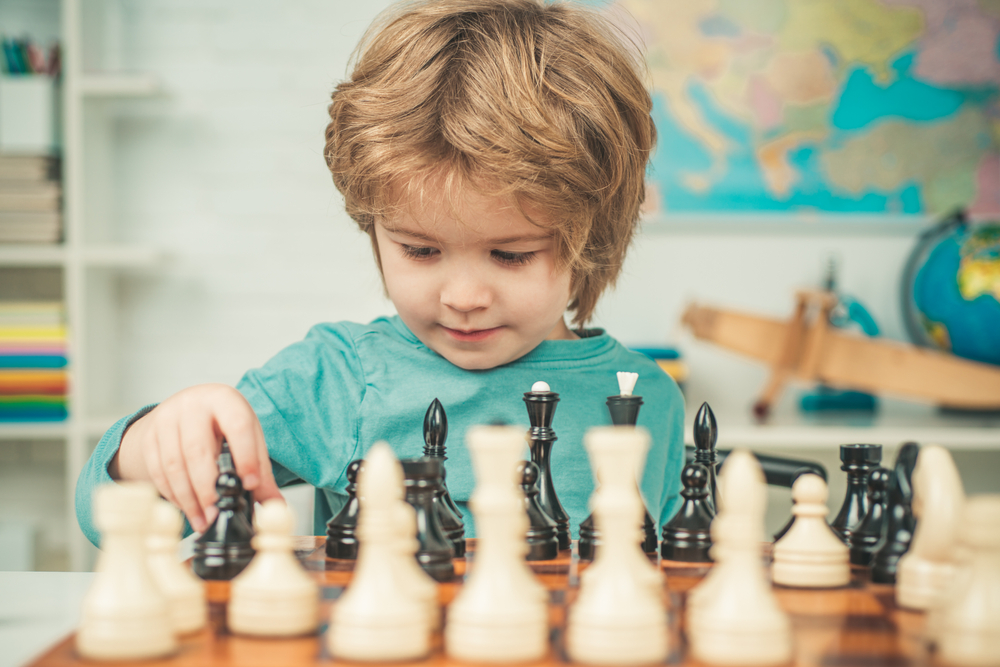

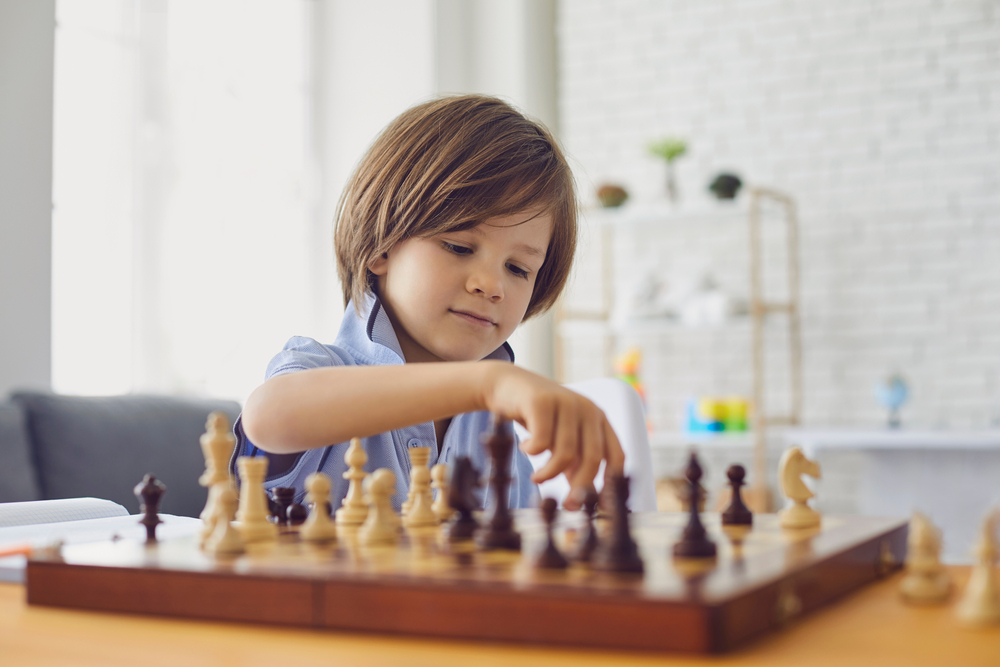
Strategic thinking through chess for ages 6-8 offers profound benefits vital for cognitive and social development. Firstly, chess enhances critical thinking and problem-solving skills. Young children learn to anticipate consequences, think multiple steps ahead, and develop foresight, which are essential skills both in academics and daily life. Chess requires children to recognize patterns, improving their spatial reasoning and memory.
Moreover, playing chess teaches patience and discipline, as each game necessitates thoughtful decision-making and concentration. This can translate into better focus and self-control in classroom settings, aiding in overall academic performance.
Chess also fosters emotional intelligence and resilience. Through winning and losing, children learn sportsmanship, the value of effort, and perseverance, crucial attributes for personal development. Interacting with peers in a respectful competitive environment builds social skills, such as negotiation, communication, and empathy.
Engaging with chess at an early age introduces children to a fun, challenging pastime that not only serves as an intellectual exercise but also provides a productive outlet for energy, encouraging a growth mindset. Parents and teachers should prioritize strategic thinking through chess, as it lays a strong foundation for lifelong learning and personal development.