Motor skills development Animals Worksheets for Ages 6-8
3 filtered results
Difficulty Level
Grade
Age
-
From - To
Subject
Activity
Standards
Introducing our engaging "Motor Skills Development Animals Worksheets for Ages 6-8"! These carefully crafted worksheets merge fun and learning, designed specifically to enhance fine motor skills in children. With delightful animal-themed activities, kids will improve their hand-eye coordination, dexterity, and precision while enjoying activities like coloring, drawing, and tracing. Perfect for home or classroom use, these worksheets aid in developing essential skills needed for writing and other daily tasks. Watch your child’s confidence and abilities soar with our playful and educational worksheets! Suitable for ages 6-8, fostering creativity and skill mastery through interactive design.
Favorites
With answer key
Interactive
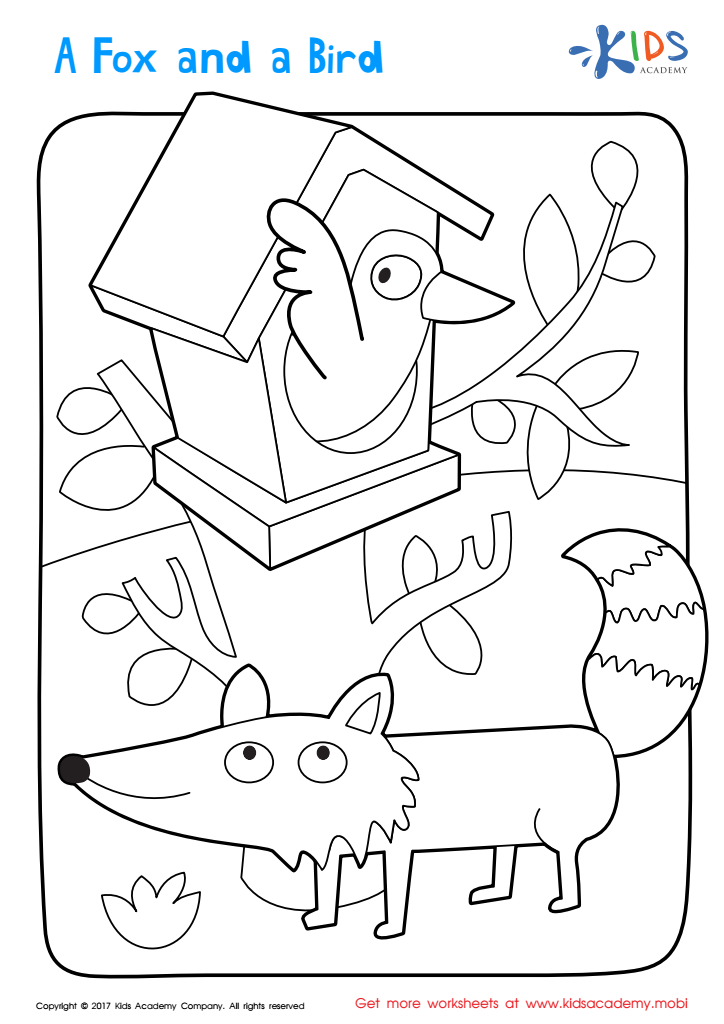
A Fox and Bird Coloring Page
Flex their creativity with this fun-filled coloring page: A Fox and Bird! Let kids express themselves through colors, allowing them to make each scene their own. This picture will bring joy to their art routine!
Download (PDF)
 Assign to My Students
Assign to My Students
A Fox and Bird Coloring Page
Worksheet
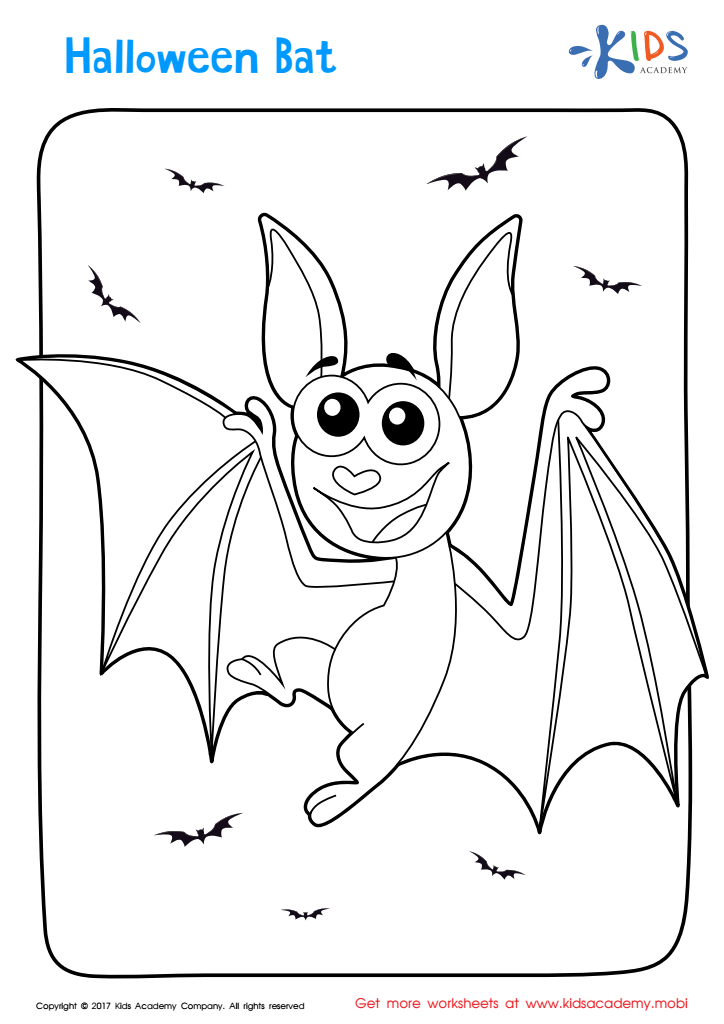
Halloween: A Bat Printable
Give your child a Halloween boost with our free coloring page. They'll have a blast adding their own decorations and creating a spooky scene!
Download (PDF)
Assign to My Students
Assign to My Students
Halloween: A Bat Printable
Worksheet
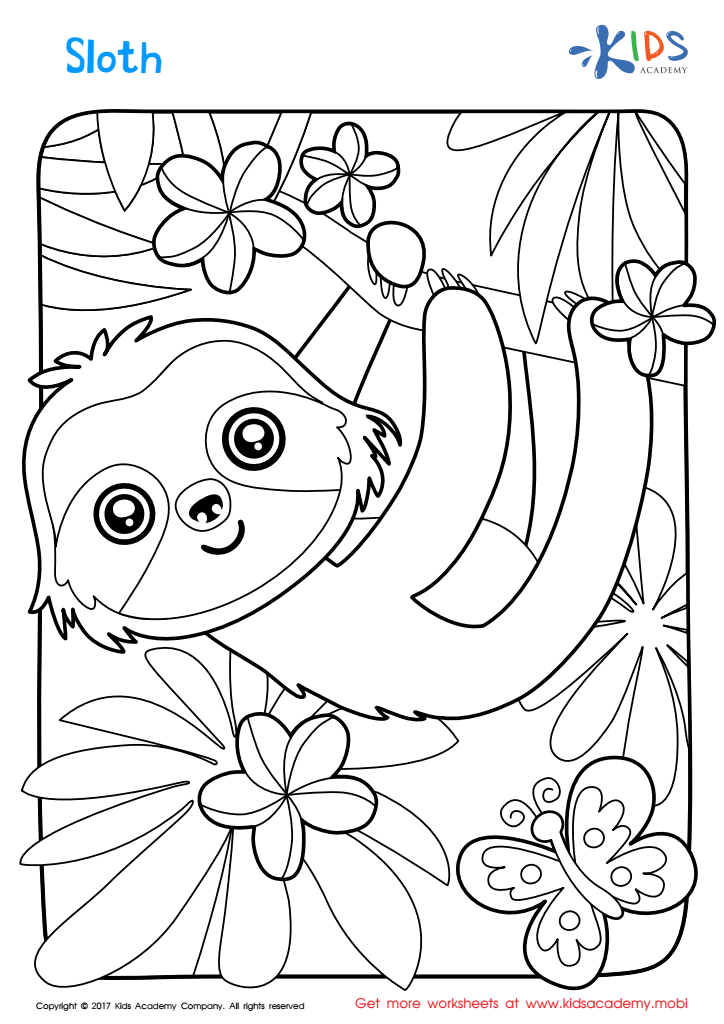
Sloth Worksheet
Get your kid excited to color the sloth coloring page! Explain to them the fascinating details of this slow-moving animal. Once complete, show it off on the fridge! For an extra lesson, look up more sloth pics and facts!
Download (PDF)
Assign to My Students
Assign to My Students
Sloth Worksheet
Worksheet
Join Kids Academy for Free
Who is primarily going to use this learning content?





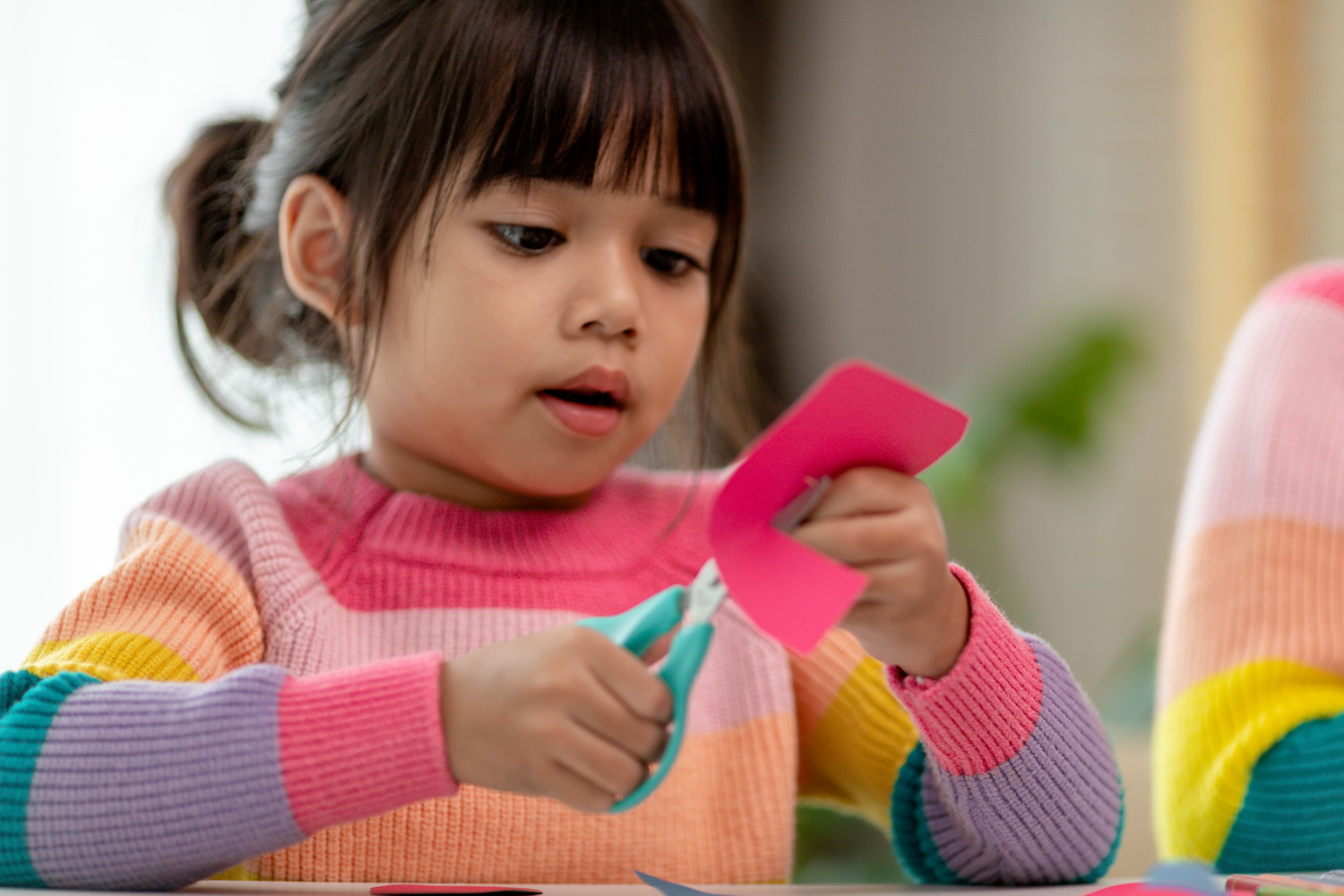


Parents and teachers should actively care about motor skills development, particularly in the context of using animals for children aged 6-8, because it plays a crucial role in their overall development. These activities typically involve interactions with animals that improve both fine and gross motor skills through movements like petting, feeding, or grooming.
For fine motor skills, activities like gently petting a hamster or fish feeding help refine hand-eye coordination and dexterity. This stands essential for everyday tasks such as writing, buttoning clothes, and other school-related activities like cutting and pasting. Enhancing these skills promotes independence and boosts self-esteem in young children.
Regarding gross motor skills, playful engagements like tossing a ball for a dog, walking with a pony, or climbing obstacles in a farm setting enhance muscle strength, balance, and coordination. These movements translate to better participation in physical activities at school, contributing to physical health, and reinforcing the mind-body connection.
Moreover, interacting with animals fosters smpathy, bxnding, and social skills, projects that are paired with valuable educational lessons about empathy and responsibility. Therefore, nurturing these motor skills through animal-centered activities wraps critical physical, emotional, and cognitive benefits into engaging and meaningful experiences, promoting holistic growth.