Fine Motor Skills English for Beginners Worksheets for Ages 6-8 - Page 3
62 filtered results
-
From - To
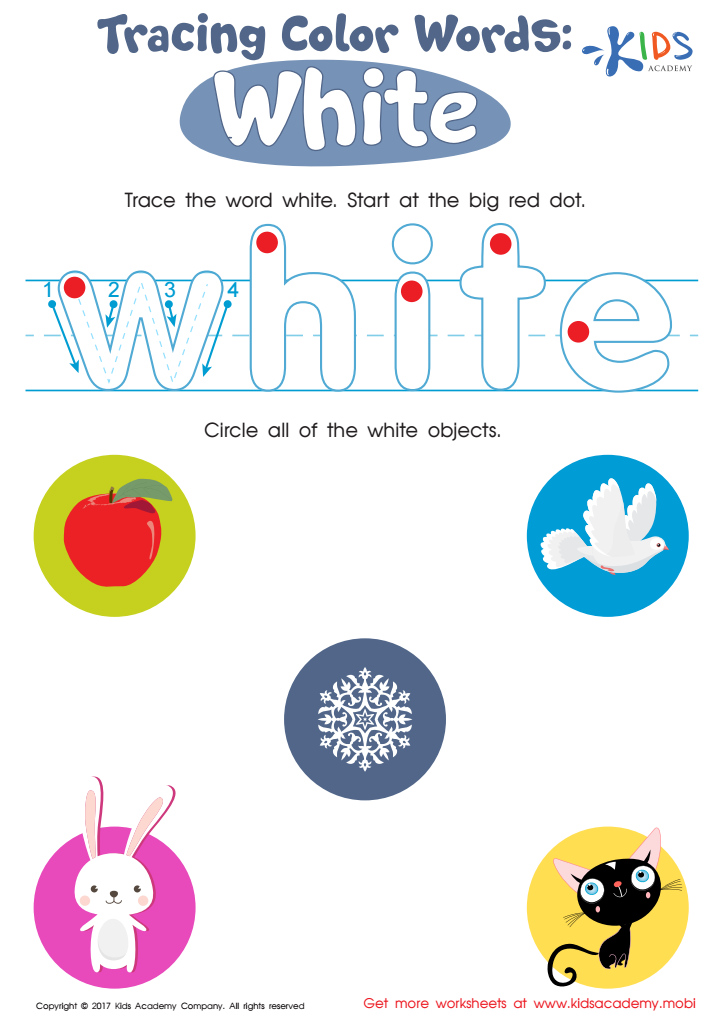
White Tracing Color Words Worksheet
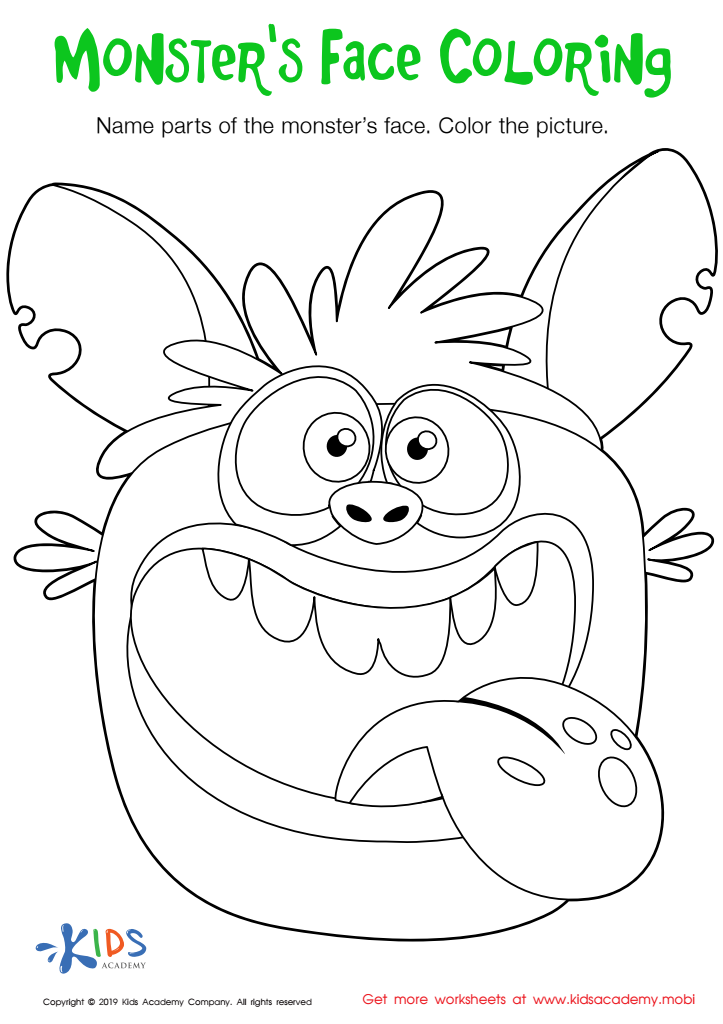
Monster's Face Coloring Worksheet
 Assign to My Students
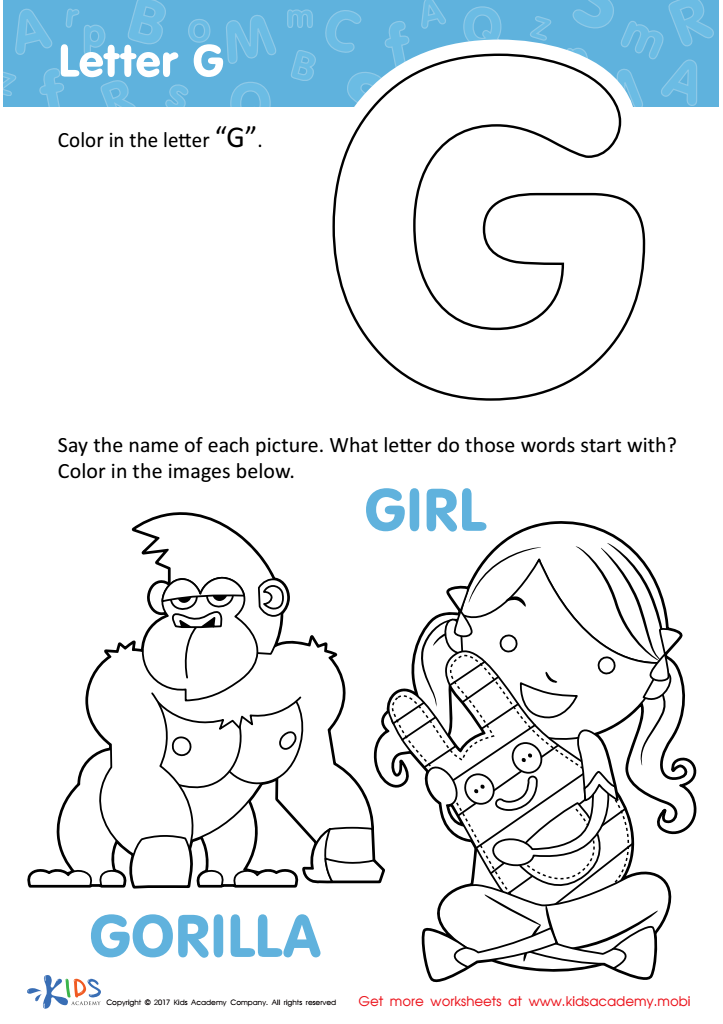
Letter G Coloring Sheet
Assign to My Students
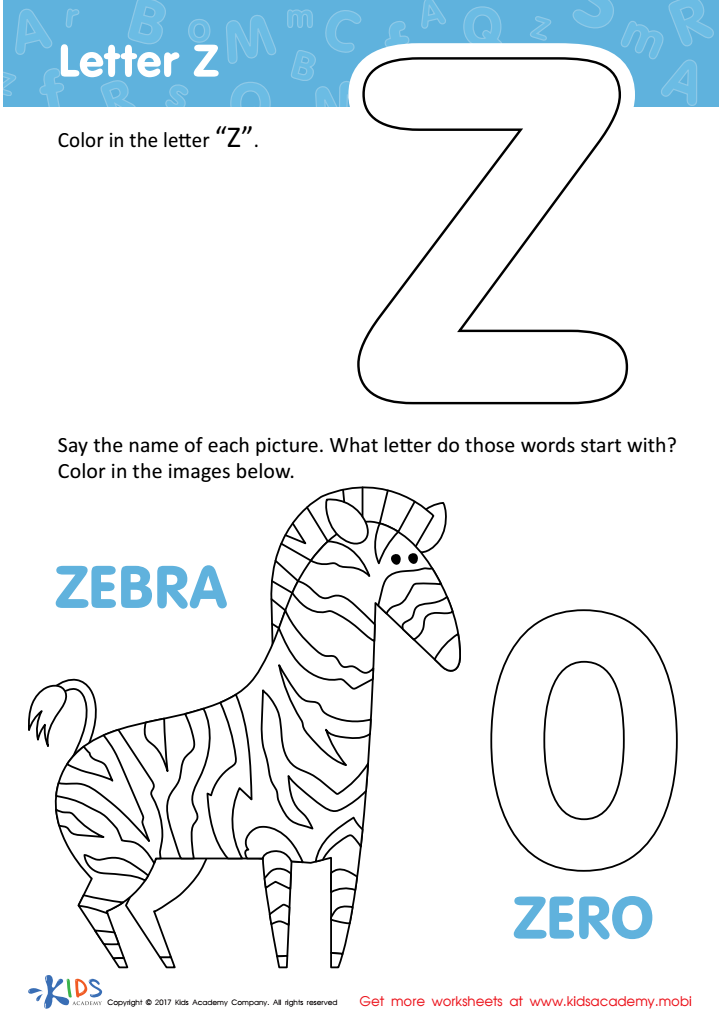
Letter Z Coloring Sheet
Assign to My Students

Letter J Coloring Sheet
Assign to My Students
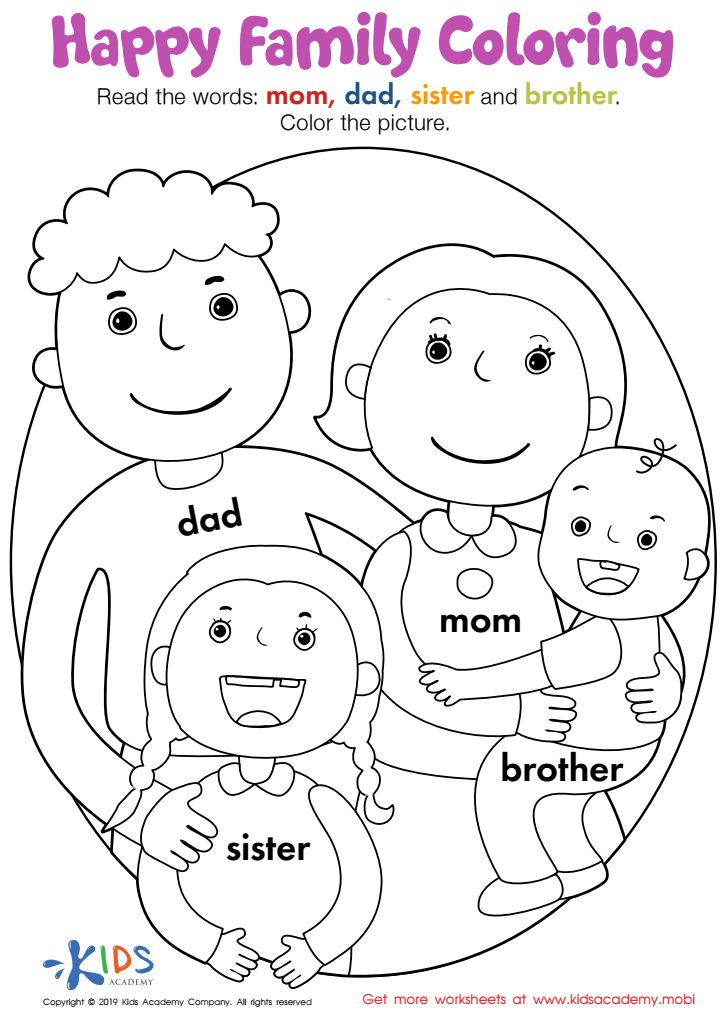
Happy Family Coloring Worksheet
Assign to My Students
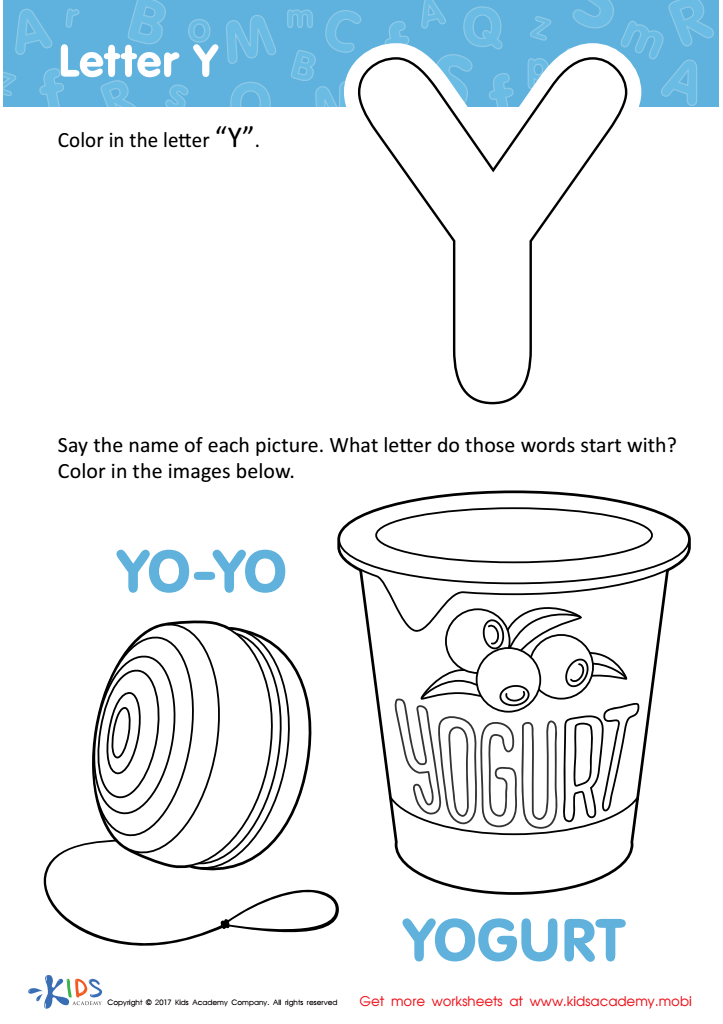
Letter Y Coloring Sheet
Assign to My Students
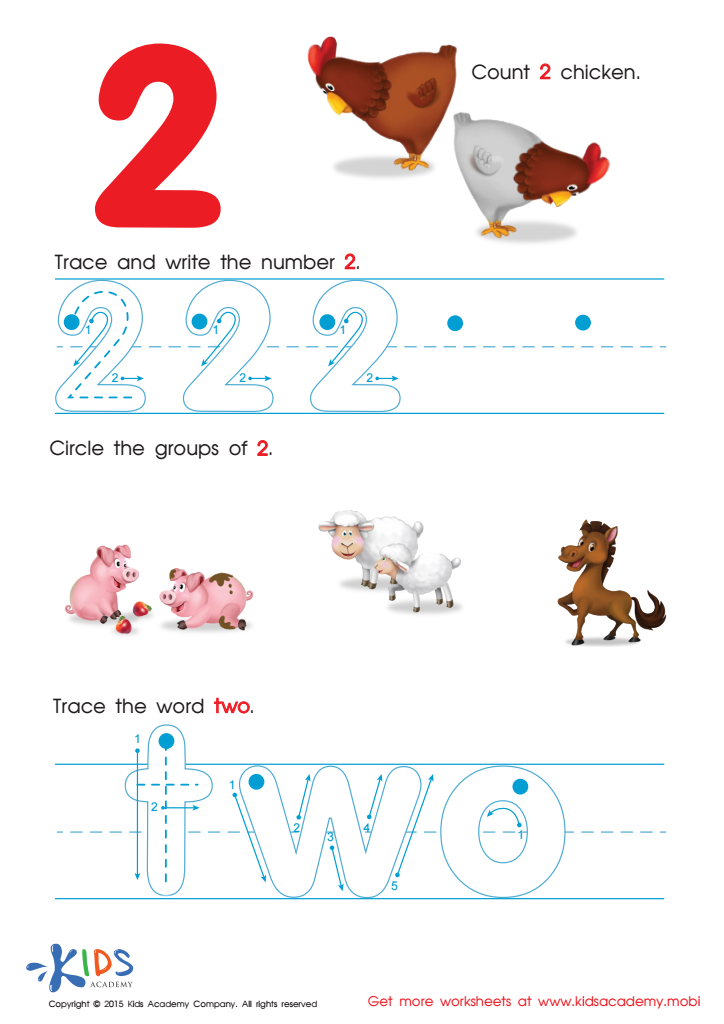
Learn to Write the Number 2 Worksheet
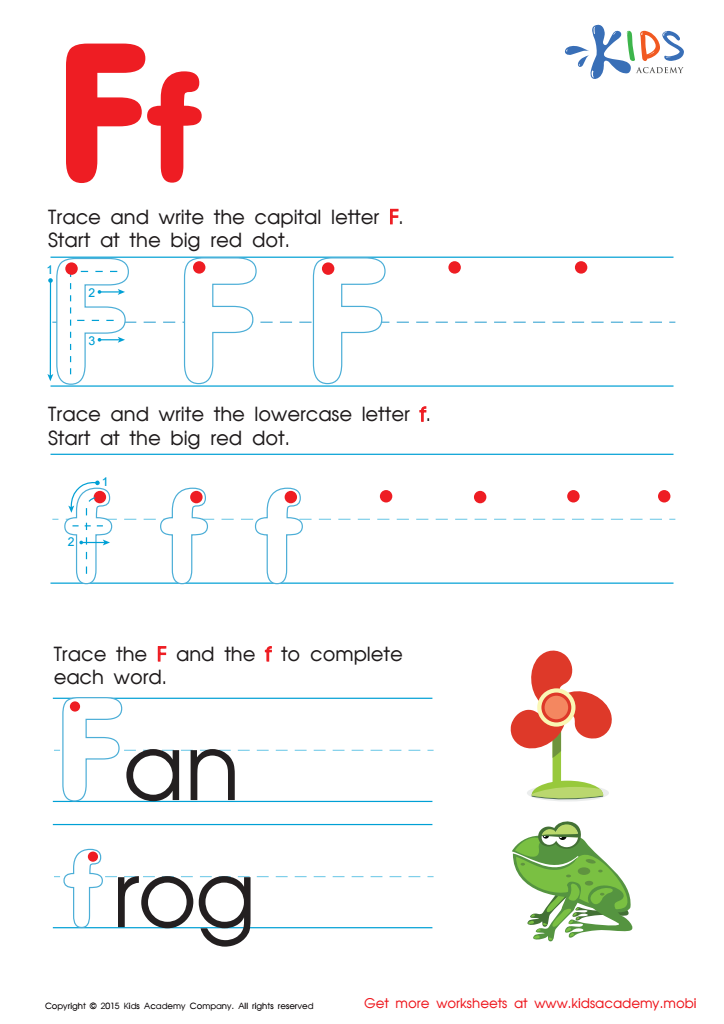
Letter F Tracing Page
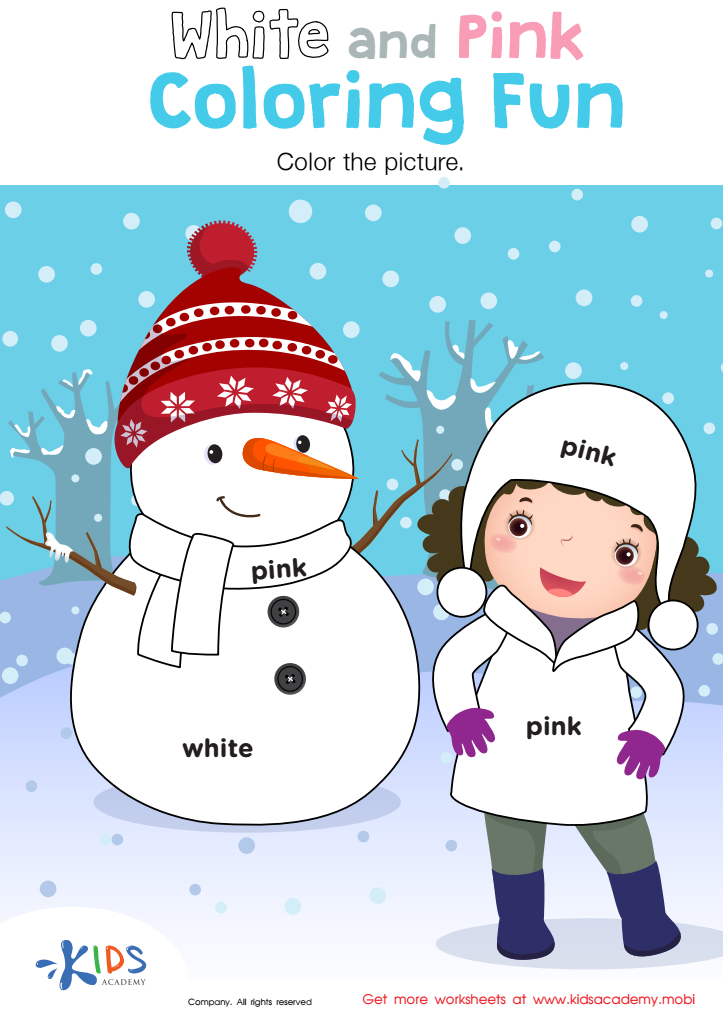
White and Pink Coloring Fun Worksheet
Assign to My Students
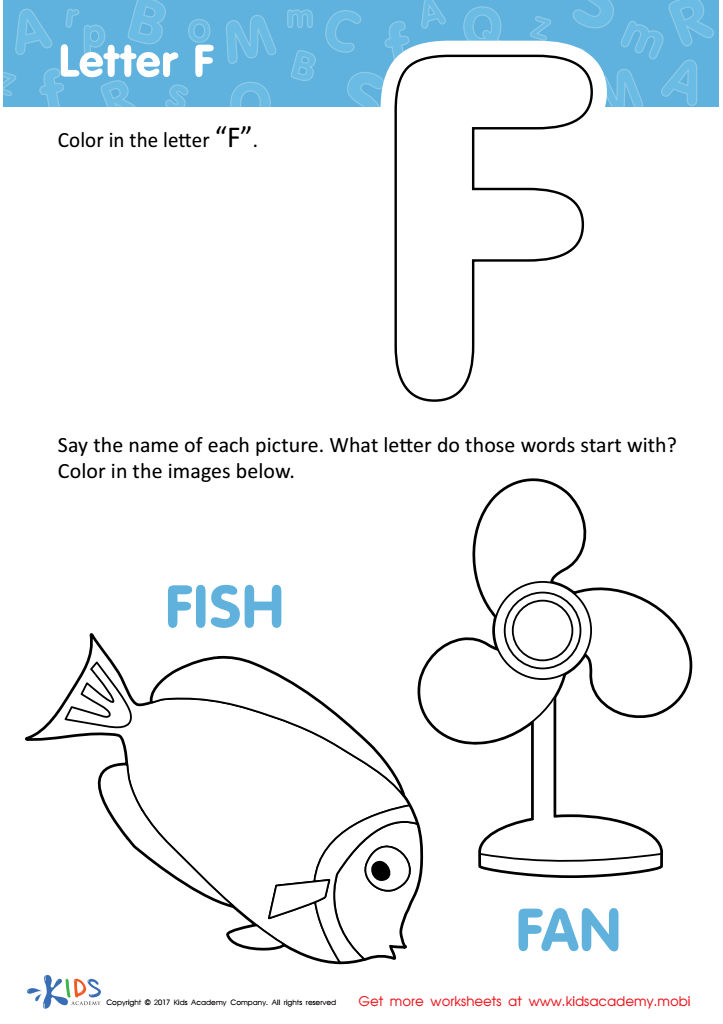
Letter F Coloring Sheet
Assign to My Students
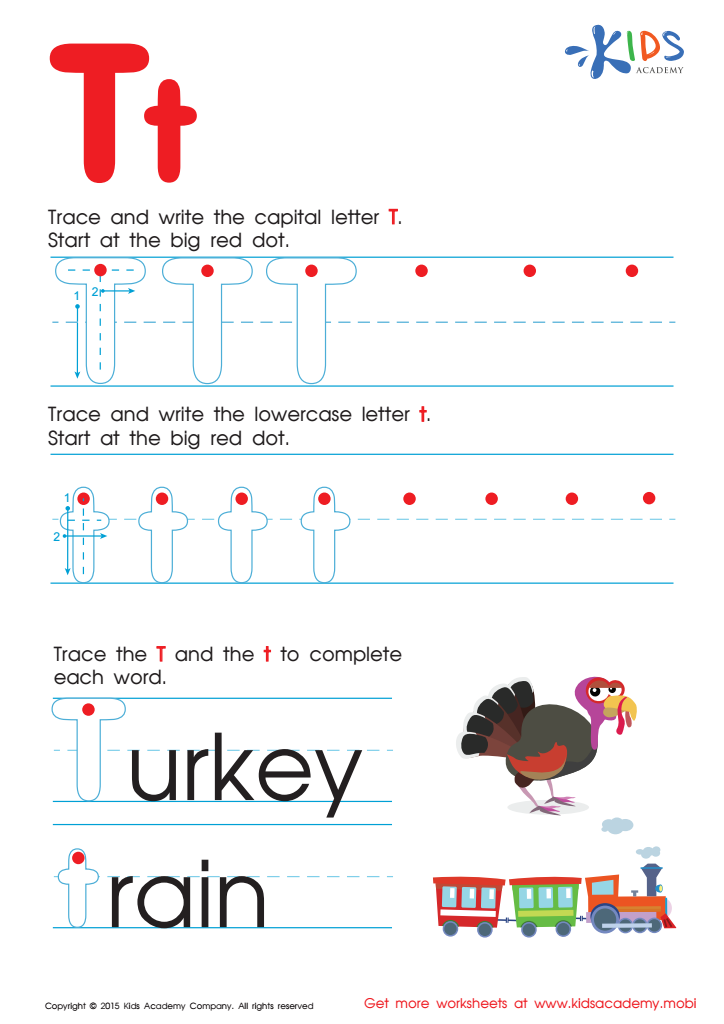
Letter T Tracing Page
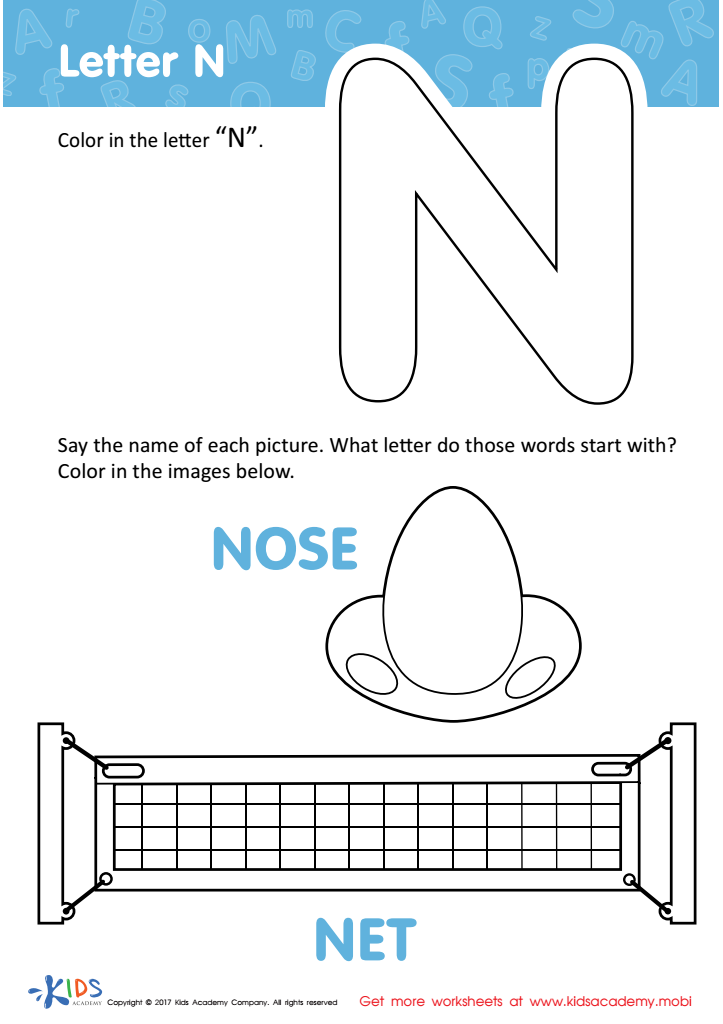
Letter N Coloring Sheet
Assign to My Students

Letter D Tracing Page





Fine motor skills are foundational abilities essential for young children's development, especially those between the ages of 6-8. These skills involve the coordination of small muscles, particularly in the hands and fingers, which are crucial for tasks such as writing, buttoning clothes, and using scissors. For beginners learning English, fine motor skills play a significant role in their academic success and overall learning experience.
Developing fine motor skills enhances a child's capability to write legibly and comfortably, which impacts their ability to express thoughts through written language. As children learn to form letters and words more efficiently, they build confidence and are more likely to engage actively in other language-learning activities. Fine motor skill development also supports the cognitive skills necessary for understanding and processing new information, which is vital for acquiring a new language.
Apart from academic advantages, enhancing fine motor skills promotes independence in daily life tasks, fostering a sense of achievement and self-esteem. Teachers and parents who emphasize fine motor skill development provide children with essential tools for both academia and everyday life. Therefore, nurturing these abilities in English beginners aged 6-8 establishes a strong foundation for future learning and personal development.