Filters

6 filtered results

Clear all filters
Favorites
With answer key
Interactive

6 filtered results

Difficulty Level

Grade


Enhance your child's reading skills with our "Word Recognition English for Beginners Worksheets," specifically designed for ages 6-8. These engaging worksheets help young learners recognize essential words while boosting their understanding of the English language. Featuring colorful visuals and interactive activities, they're perfect for ESL students taking their first steps in learning English. Each worksheet targets key vocabulary and incorporates fun exercises that make learning enjoyable and effective. Support your child's literacy development at home or in the classroom with these age-appropriate resources that foster word recognition and build foundational language skills. Unlock a world of reading possibilities today!

Check out this FREE Trial Lesson on English for Beginners for age 6-8!

How Are You?

Favorites
With answer key
Interactive
  • 6-8
  • Word Recognition
  • English for Beginners
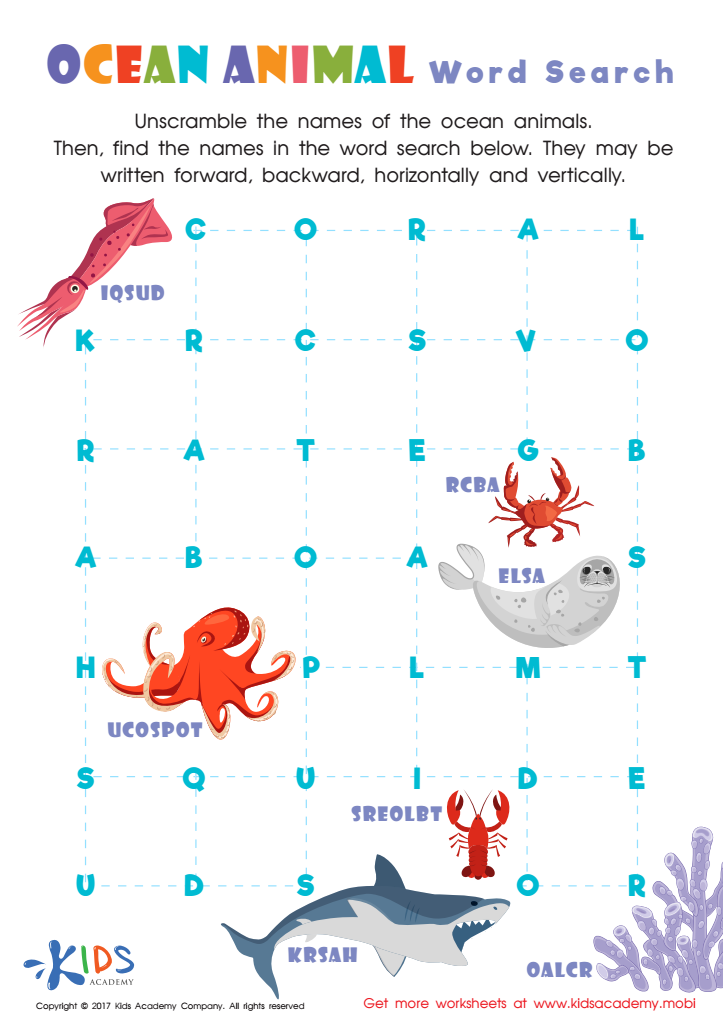
Ocean Animals Word Search Printable

Ocean Animals Word Search Printable

Challenge your child to unscramble the names of ocean animals and find them in the word search. This ocean animals printable is a fun way to teach kids more about these fascinating creatures!
Ocean Animals Word Search Printable
Worksheet
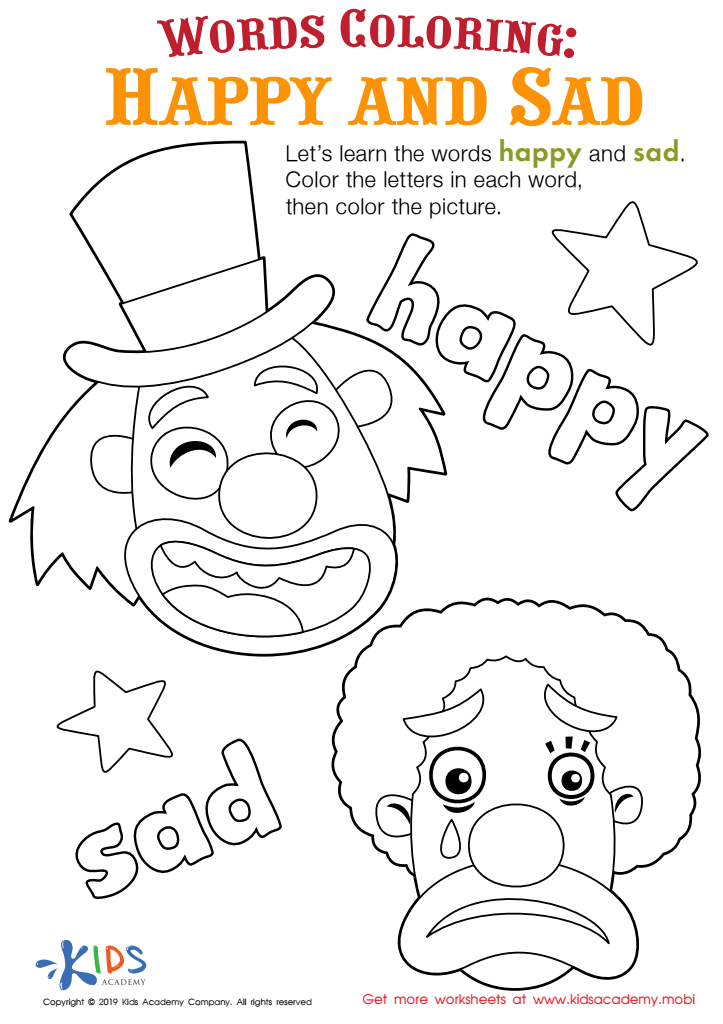
Happy and Sad Words Coloring Worksheet

Happy and Sad Words Coloring Worksheet

Help students understand emotions by using this fun worksheet. It features smiling and sad clowns and the words 'happy' and 'sad'. Read the words with your students, then have them color the clowns and the emotion words. This PDF is an effective way to teach kids how to express how they feel.
Download (PDF)
Assign to My Students
Happy and Sad Words Coloring Worksheet
Worksheet
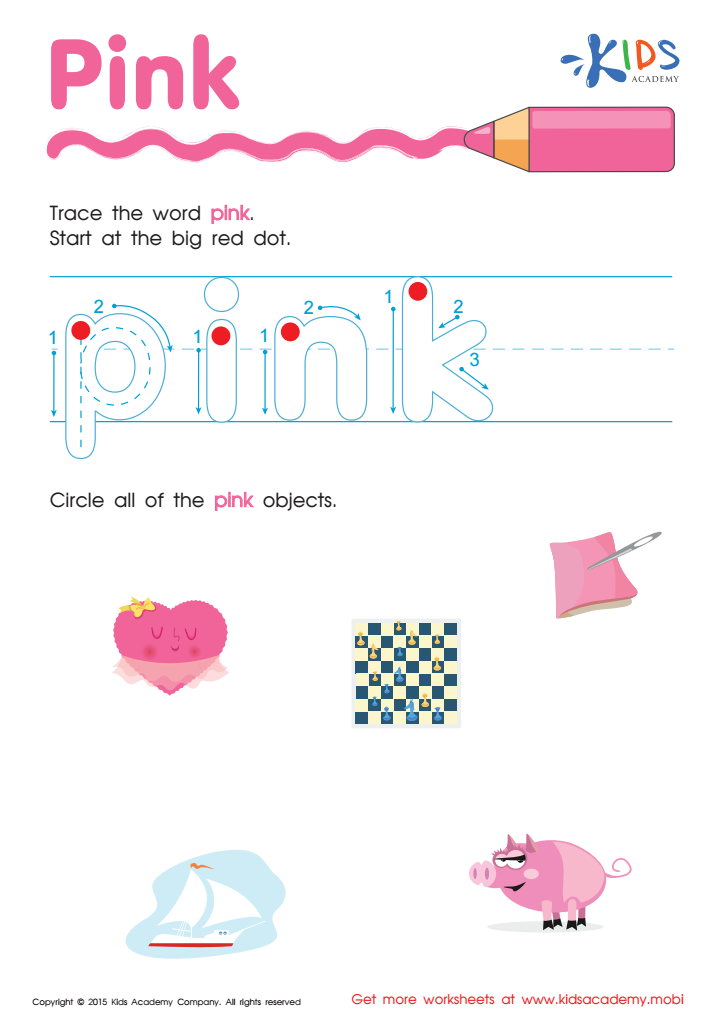
Handwriting PDF Worksheets | Tracing Color Words | Pink

Pink Tracing Color Words Worksheet

Trace 'pink' with a pink crayon for an exciting handwriting lesson! Build fine motor skills and learn about sight words with this fun printable. Get creative and give it a splash of color for a colorful learning experience. For more tracing color words, explore here.
Pink Tracing Color Words Worksheet
Worksheet
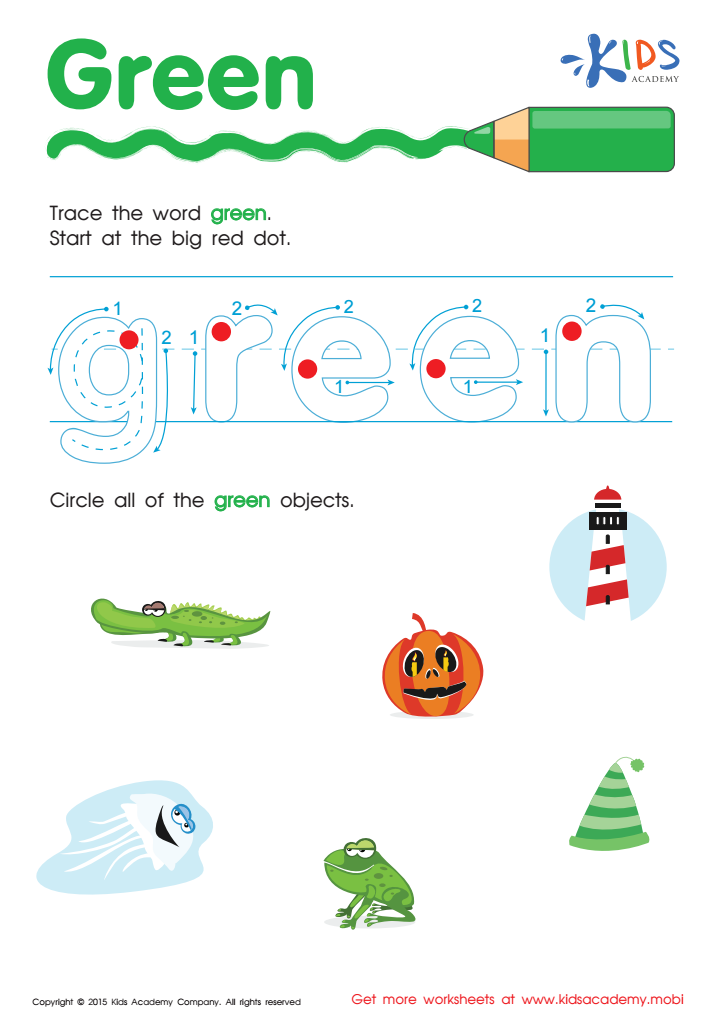
Handwriting PDF Worksheets | Tracing Color Words | Green

Green Tracing Color Words Worksheet

Encourage writing and spelling practice with this vibrant free handwriting worksheet. Have your child trace the new name of a primary color, "green," and circle green items in the picture. Ask them what else can be green for a challenging activity. Through this worksheet, your kindergartener can learn and play at the same time. For more free printables, look here.
Green Tracing Color Words Worksheet
Worksheet
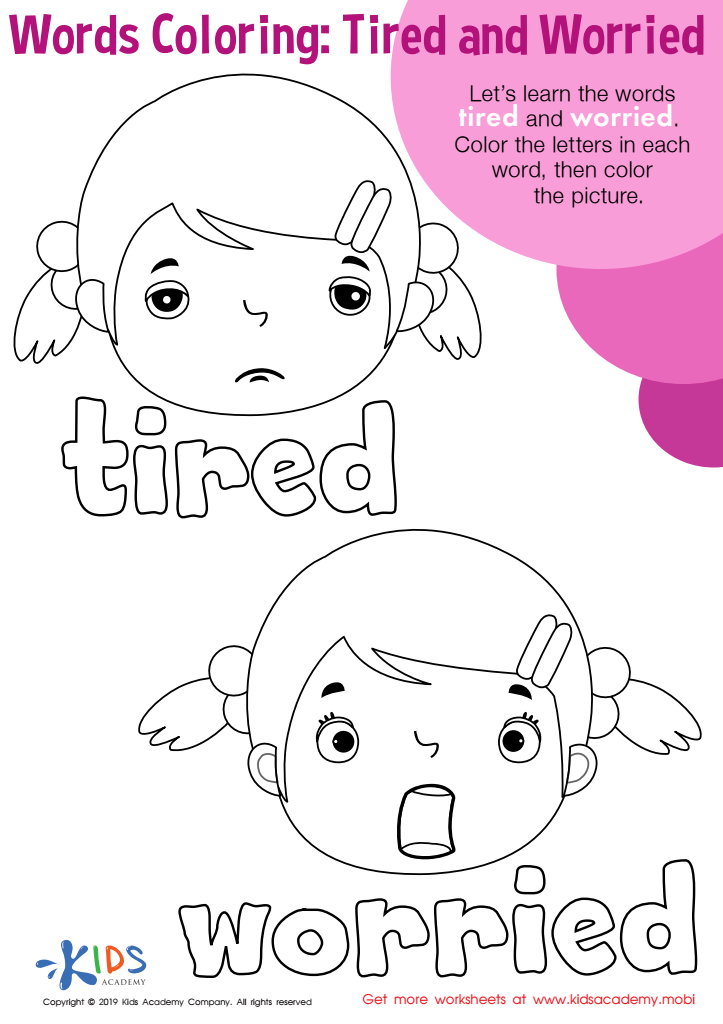
Tired and Worried Words Coloring Worksheet

Tired and Worried Words Coloring Worksheet

Teach your students about "tired" and "worried" with this worksheet. Have them read and color the emotion words, then color the pictures of a tired girl and a worried girl. Discuss what makes them tired and worried. Expand their vocabulary with this fun coloring activity!
Download (PDF)
Assign to My Students
Tired and Worried Words Coloring Worksheet
Worksheet
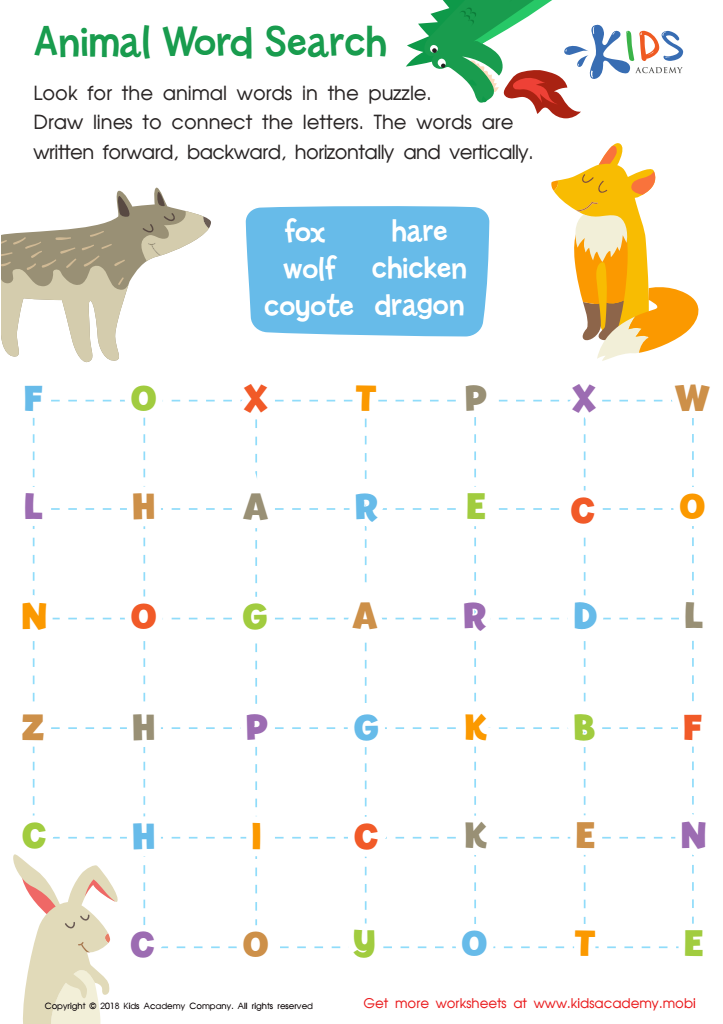
Animal Word Search Worksheet

Animal Word Search Worksheet

Students can have fun and strengthen spelling and vocabulary skills with this word search worksheet. Search for animal words and circle the letters in the puzzle. Words can be found forwards, backwards, horizontally or vertically, providing a great challenge to foster critical thinking skills. An enriching activity for all ages!
Animal Word Search Worksheet
Worksheet


Parents and teachers should prioritize word recognition for beginner English learners aged 6-8 because it forms the foundation of reading skills essential for academic success and lifelong learning. At this critical developmental stage, children are highly receptive to language acquisition; understanding and recognizing words enables them to decode texts, promote fluency, and enhance comprehension.

Word recognition helps build a child's confidence as they start to read independently, fostering a sense of achievement. This confidence encourages a love for reading, which is vital for expanding vocabulary and critical thinking skills. Furthermore, early word recognition supports overall literacy development, aiding in smoother transitions to higher levels of reading complexity, ensuring that children do not fall behind.

For diverse classrooms, where students may come from varied linguistic backgrounds, promoting word recognition helps establish a common language base. Parents play a crucial role in reinforcing these skills at home through reading activities, discussions, and vocabulary games. Meanwhile, teachers can create engaging lesson plans that incorporate fun, interactive methods to teach word recognition. In sum, prioritizing word recognition equips young learners with essential skills, laying the groundwork for their educational journey and empowering them for future challenges.