Color differentiation Worksheets for Ages 6-8
4 filtered results
-
From - To
Enhance your child's coloring skills with our engaging "Color Differentiation Worksheets" designed specifically for ages 6-8. These printable worksheets provide a fun and interactive way to help young learners distinguish between different colors, enhancing their visual perception and fine motor skills. Each worksheet features captivating illustrations and simple exercises that encourage creativity and color recognition. As children explore these activities, they will build confidence in their abilities while developing essential cognitive skills that will aid their overall learning journey. Perfect for home or classroom use, these worksheets are an ideal resource for nurturing your child's love of colors and artistic expression.
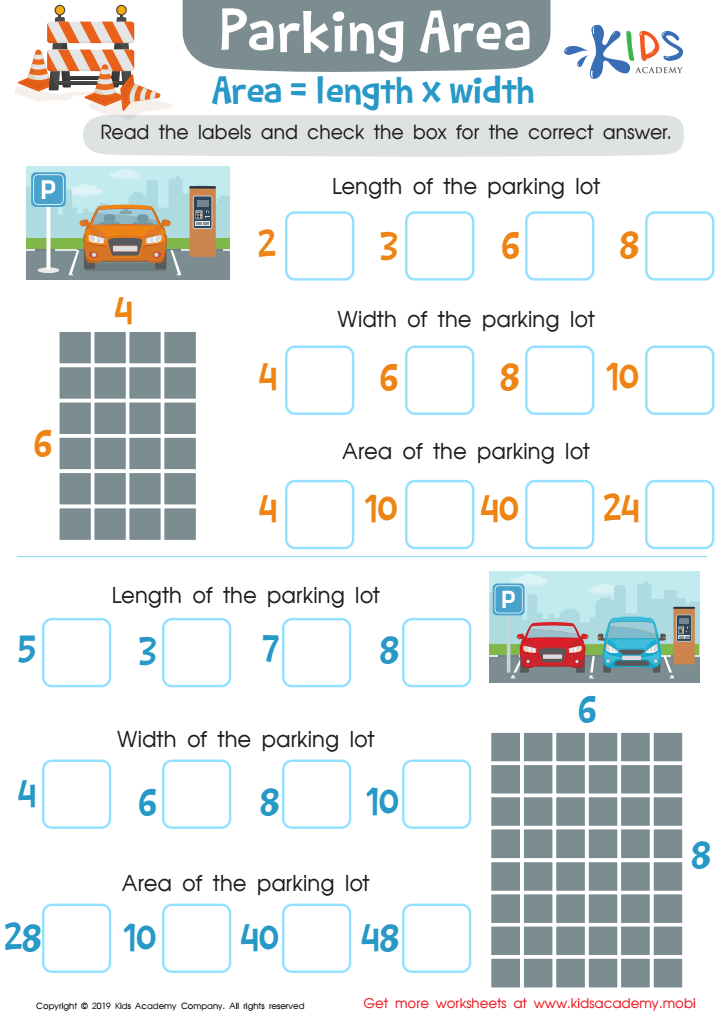
Parking Area Worksheet
 Assign to My Students
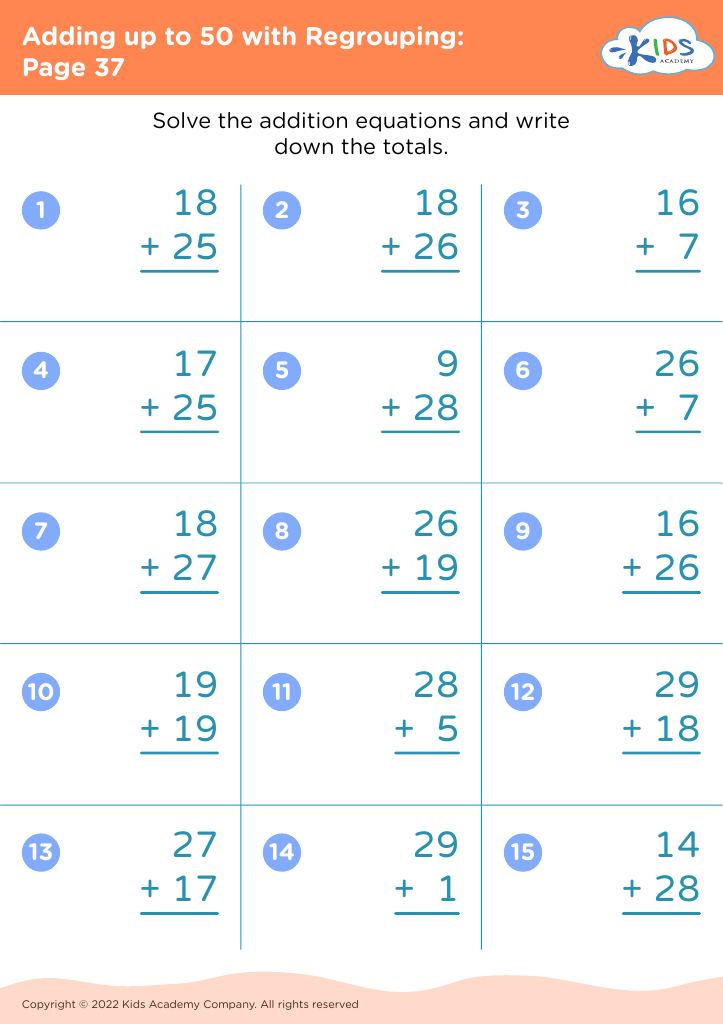
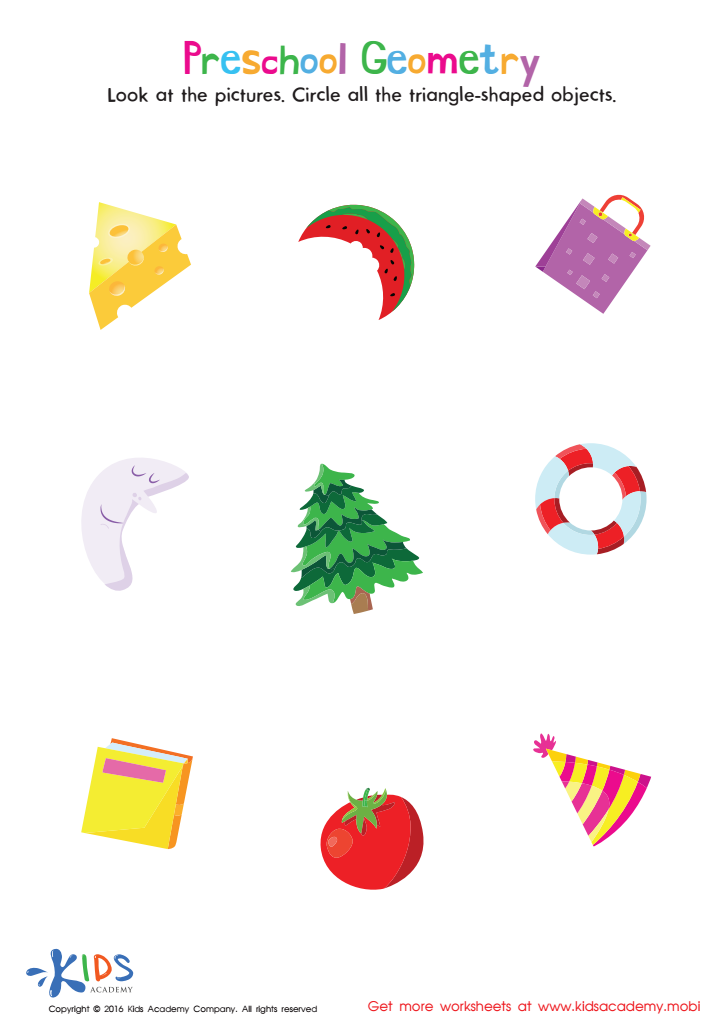
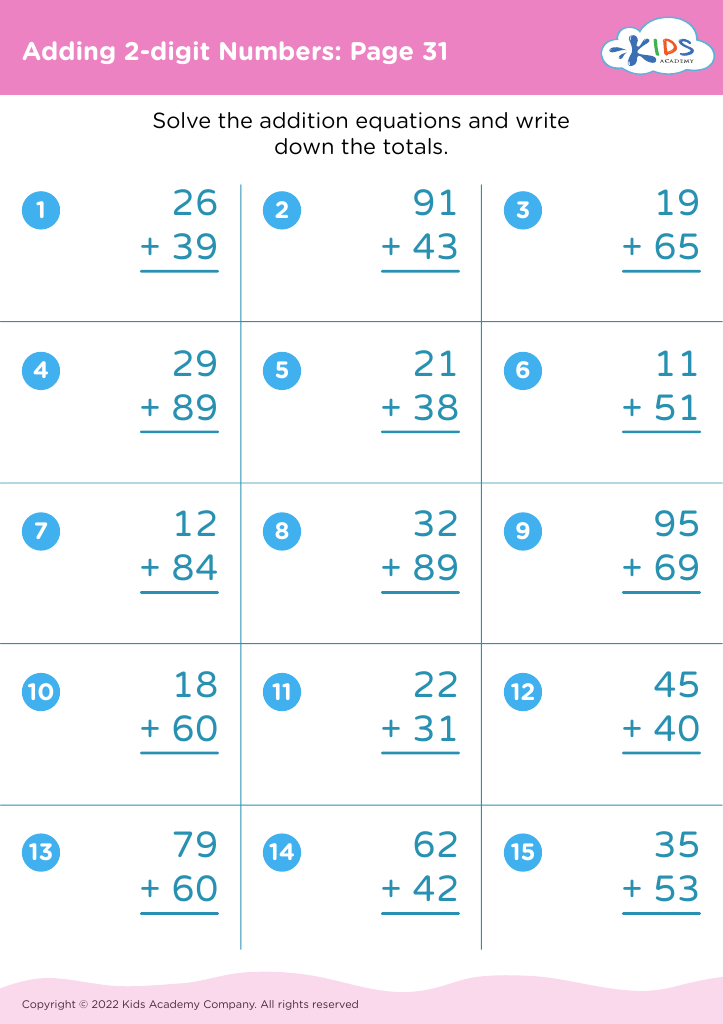




.jpg)



Color differentiation is an essential concept for children aged 6-8, as it plays a significant role in their cognitive and emotional development. At this age, children are learning to recognize and categorize colors, which enhances their observation skills and enables them to make associations in their environment. Understanding colors helps them identify objects, categorize items, and engage in problem-solving, all key components of cognitive growth.
Additionally, color differentiation significantly influences a child's emotional and social experiences. Colors can evoke various feelings—warm colors might stimulate energy, while cool colors often promote calmness. Teachers and parents can harness this knowledge to create a positive learning environment that fosters emotional awareness.
Moreover, integrating color activities in learning—such as art, reading, and games—can boost engagement and motivation. When children can differentiate colors, they can express themselves creatively, leading to improved self-esteem and confidence.
By caring about color differentiation, parents and teachers contribute actively to holistic development—enhancing cognitive skills, fostering emotional intelligence, and promoting creativity. Engaging with colors also strengthens the bond between caregivers and children, as collaborative activities around color use can be both educational and enjoyable, further enriching the learning experience.








