Color Identification Worksheets for Ages 6-8 - Page 2
69 filtered results
-
From - To
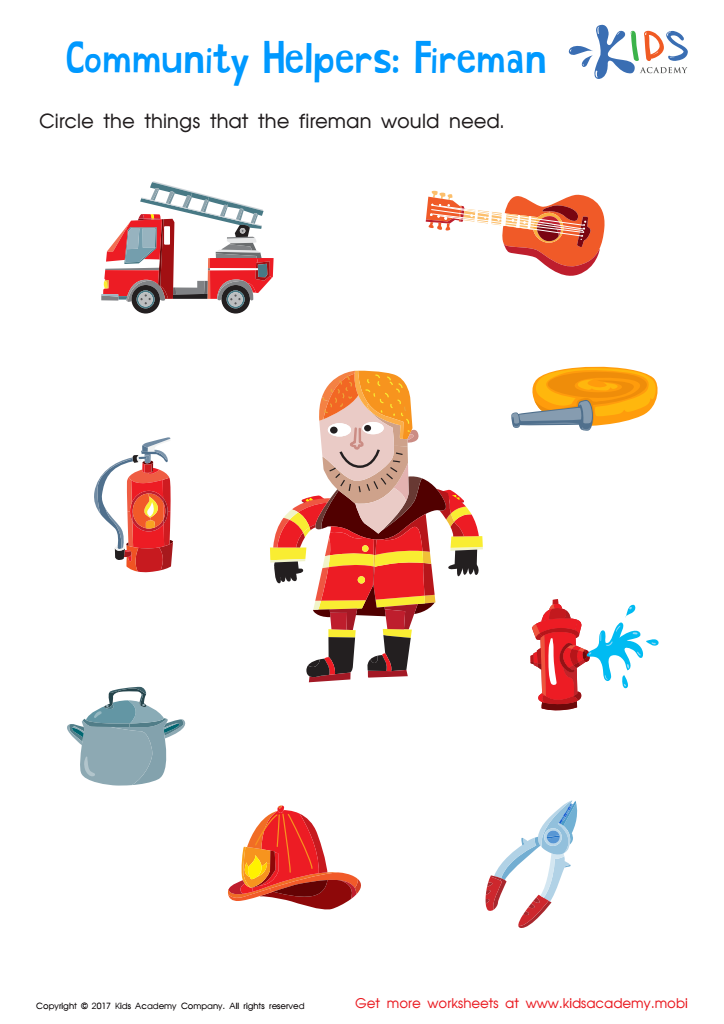
Fireman Worksheet
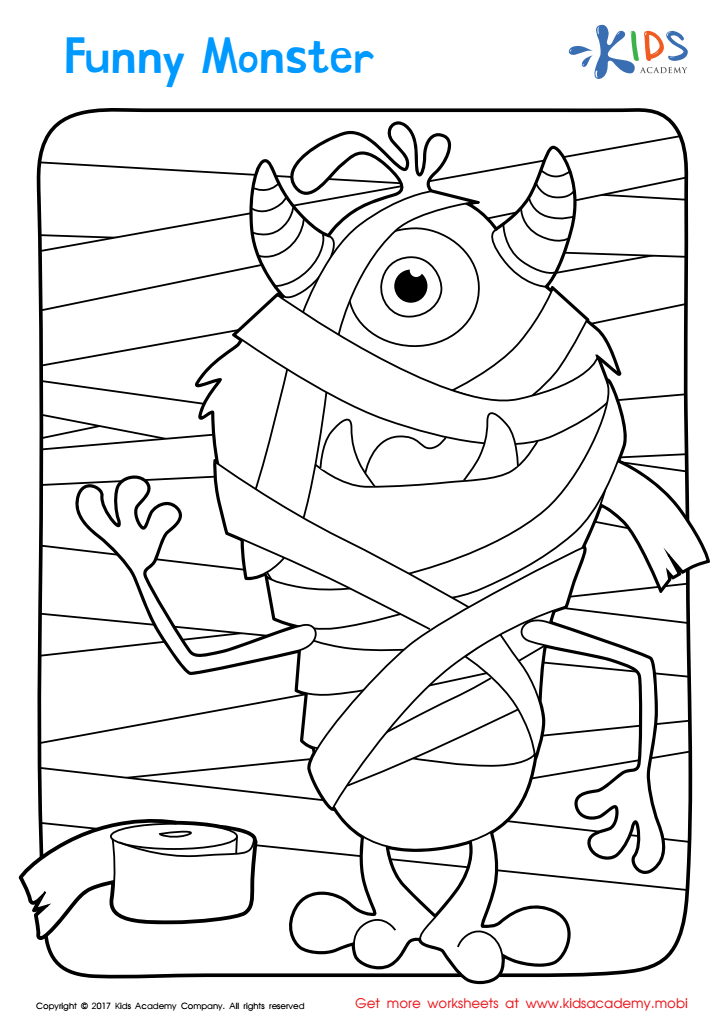
Halloween: A Funny Monster Worksheet
 Assign to My Students
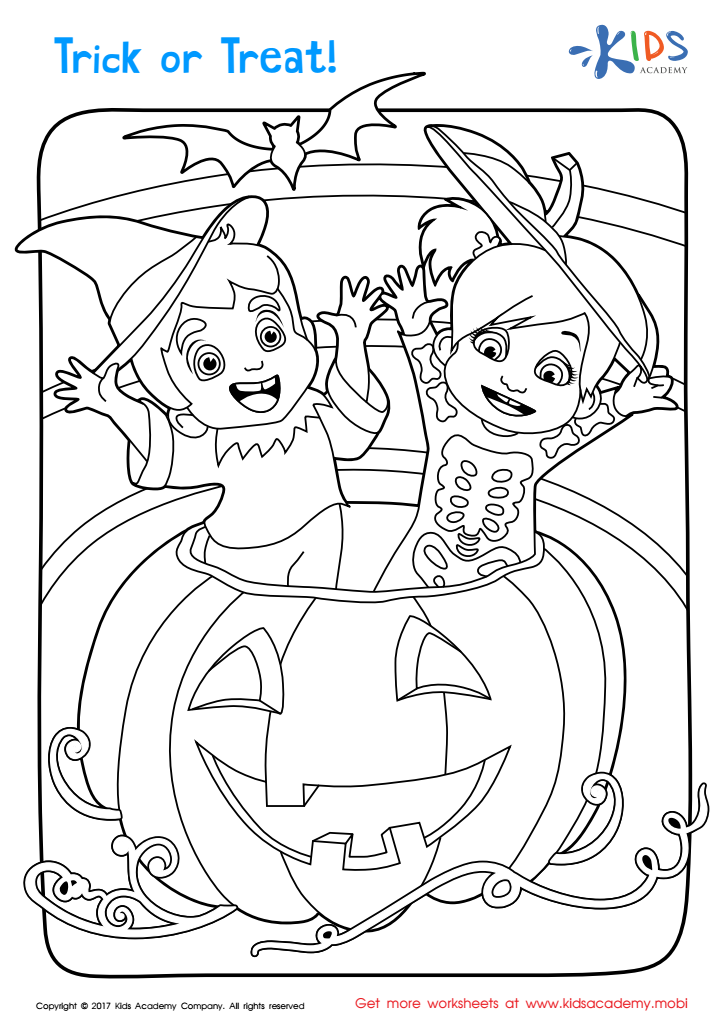
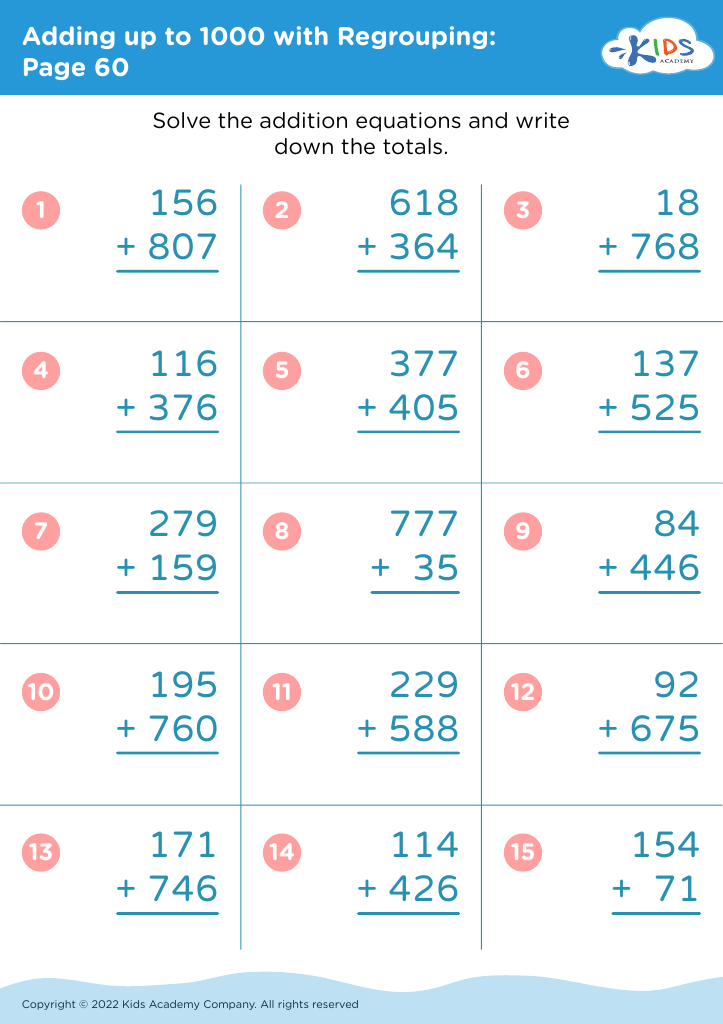
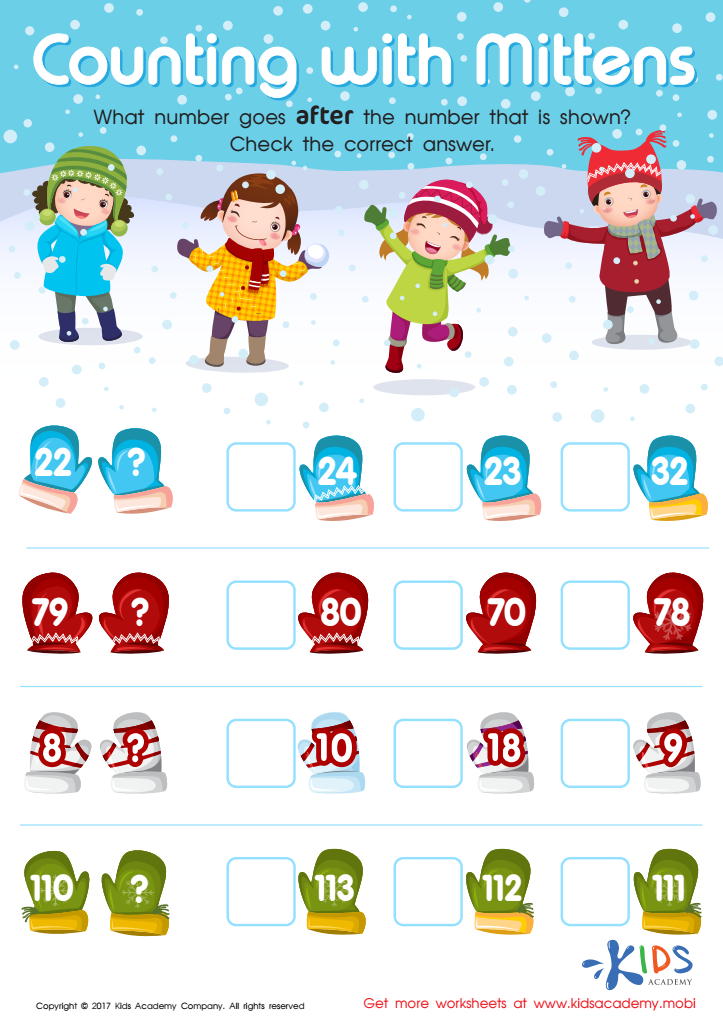
Counting with Mittens Worksheet
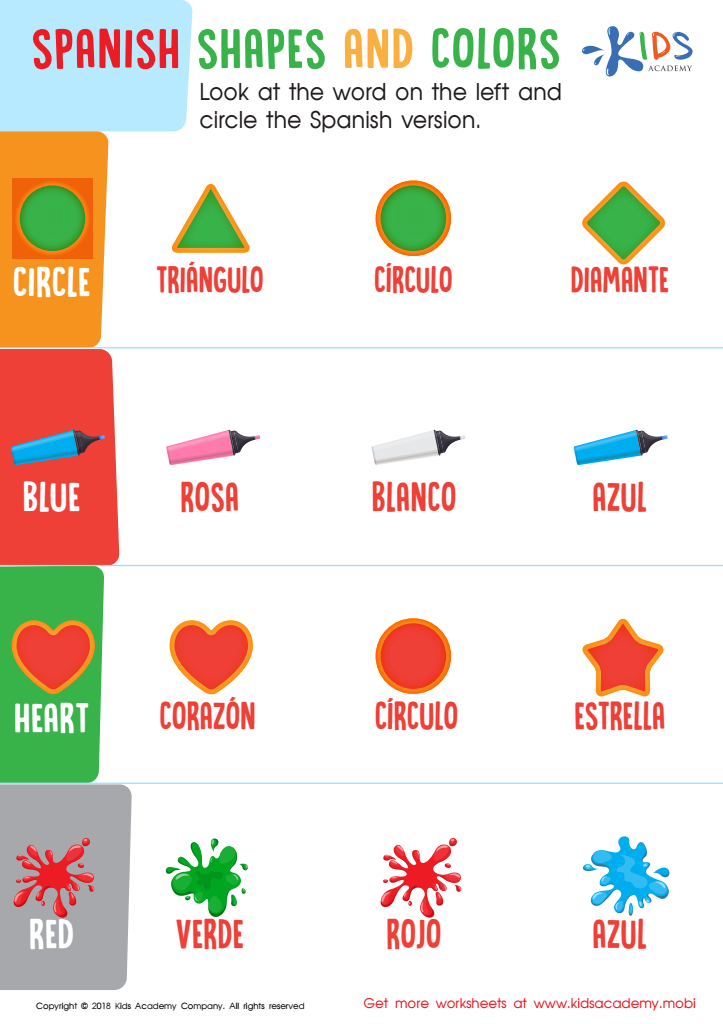
Spanish Shapes and Colors Worksheet
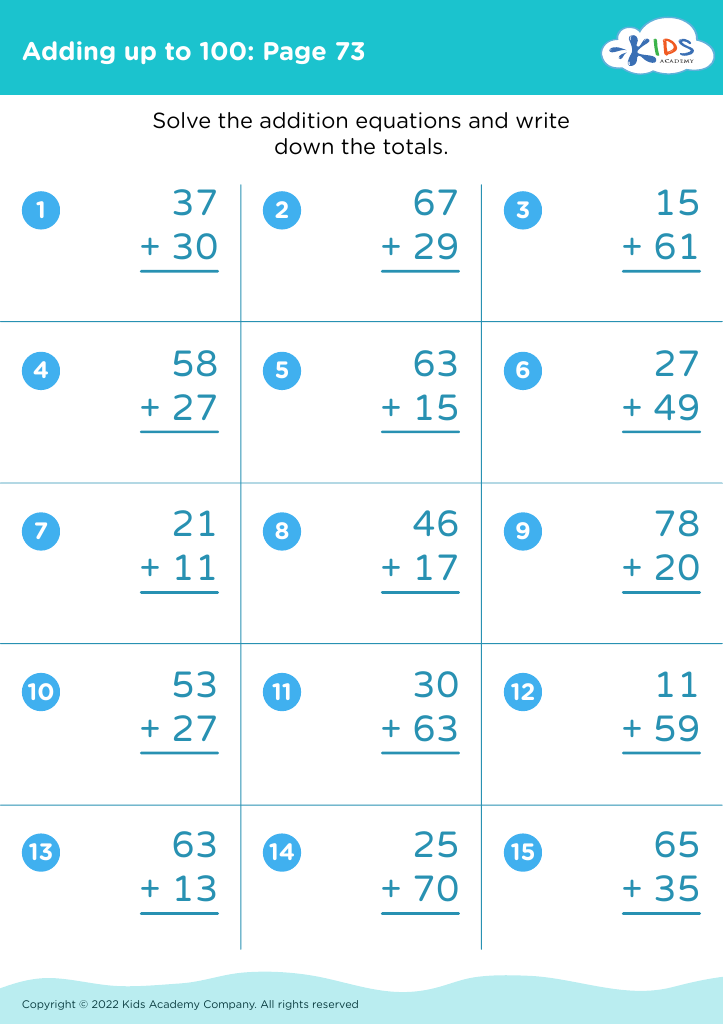
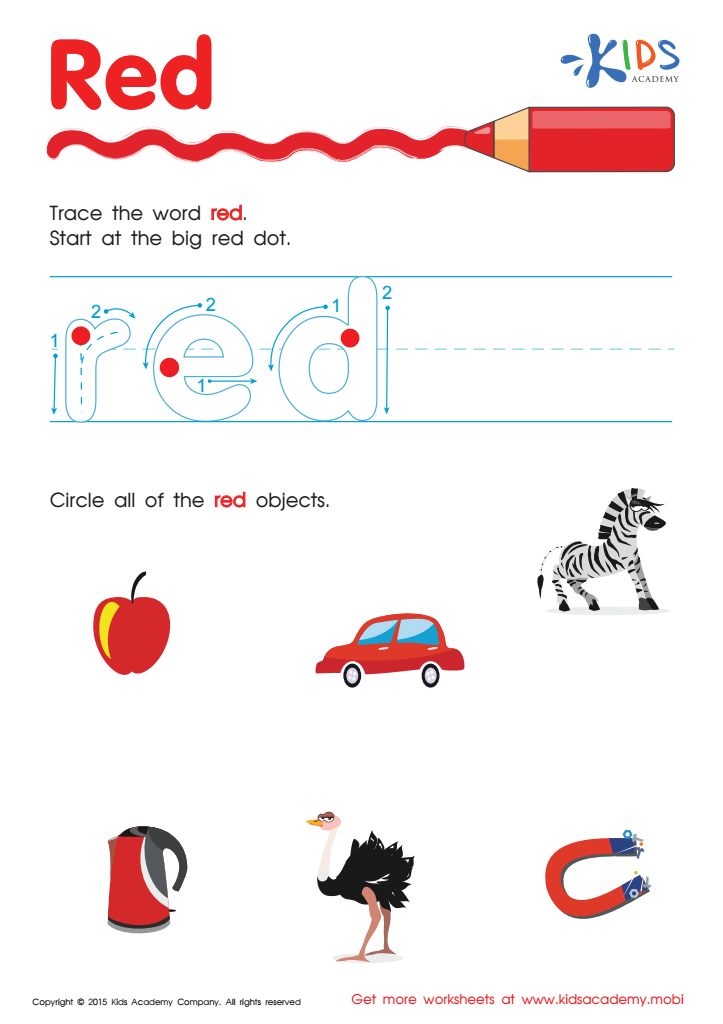
Red Tracing Color Words Printable
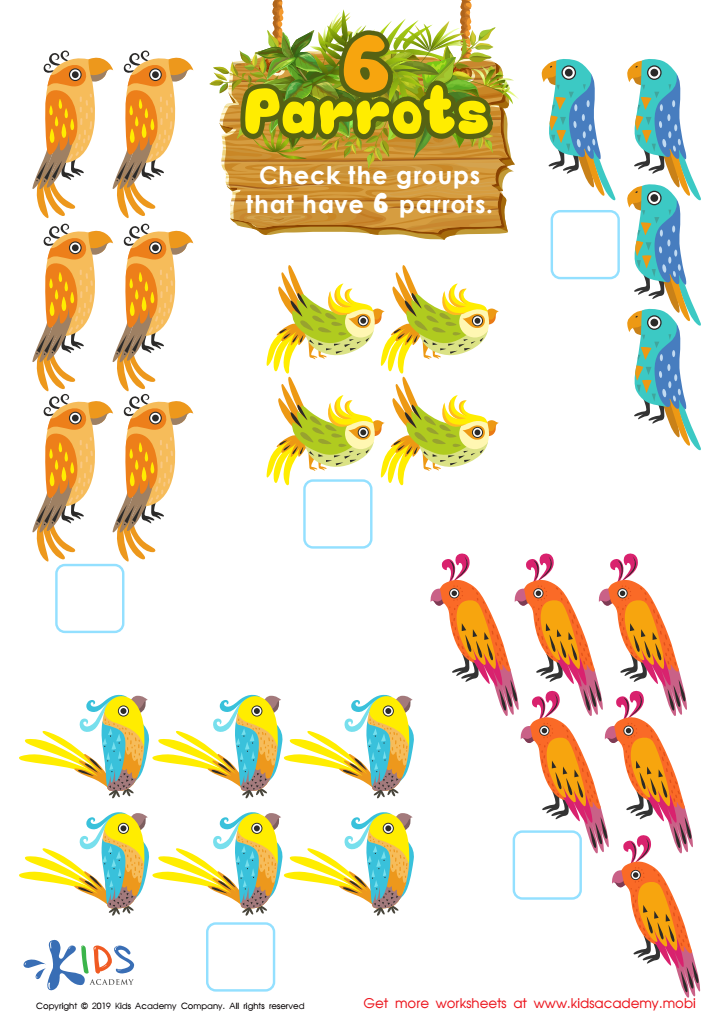
6 Parrots Worksheet
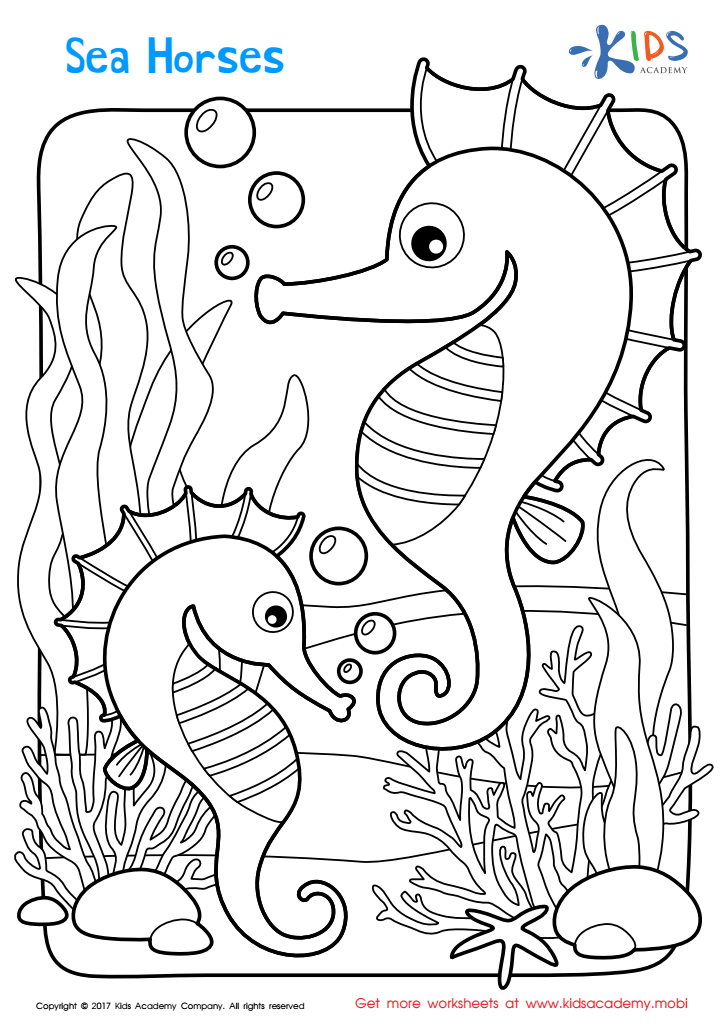
Sea Horses Printable
Assign to My Students
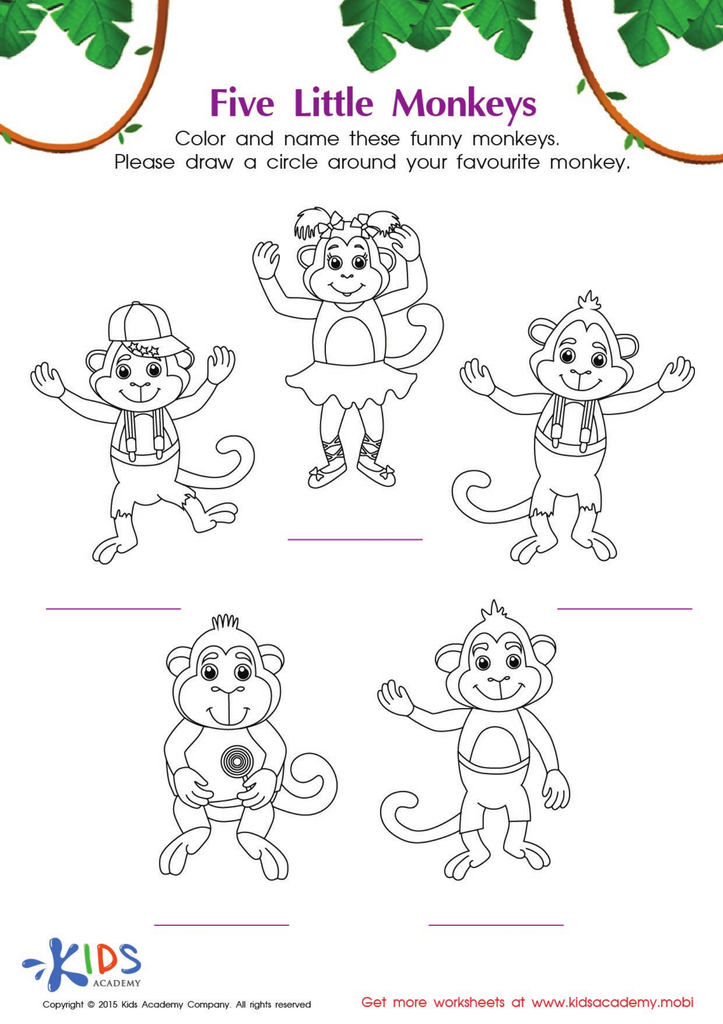
The Five Little Monkeys Coloring Worksheet
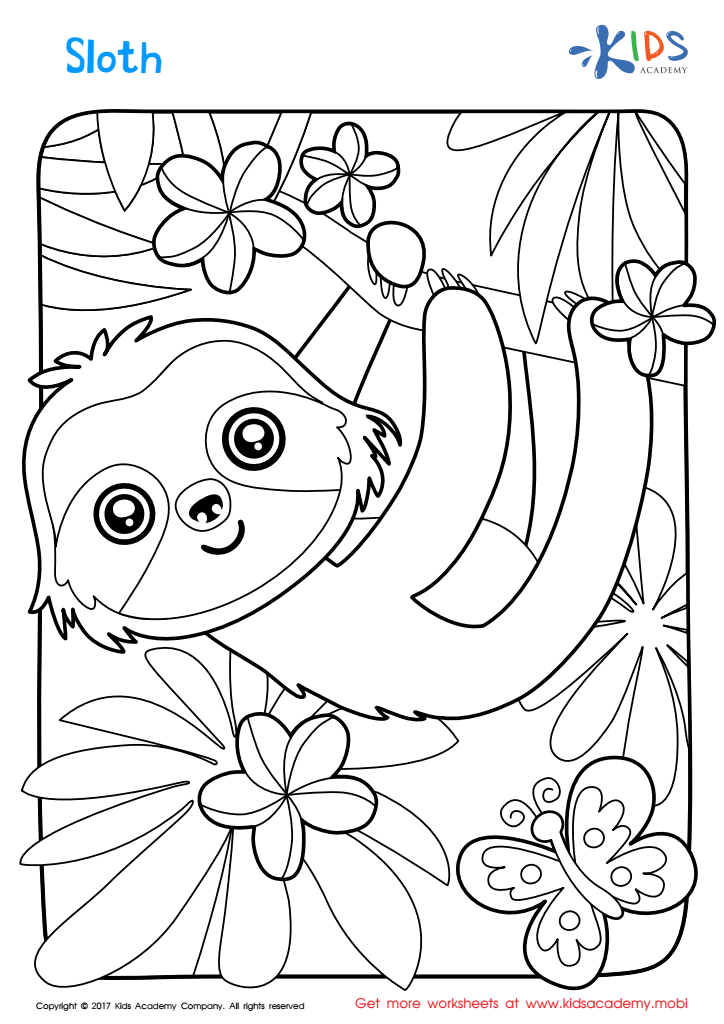
Sloth Worksheet
Assign to My Students
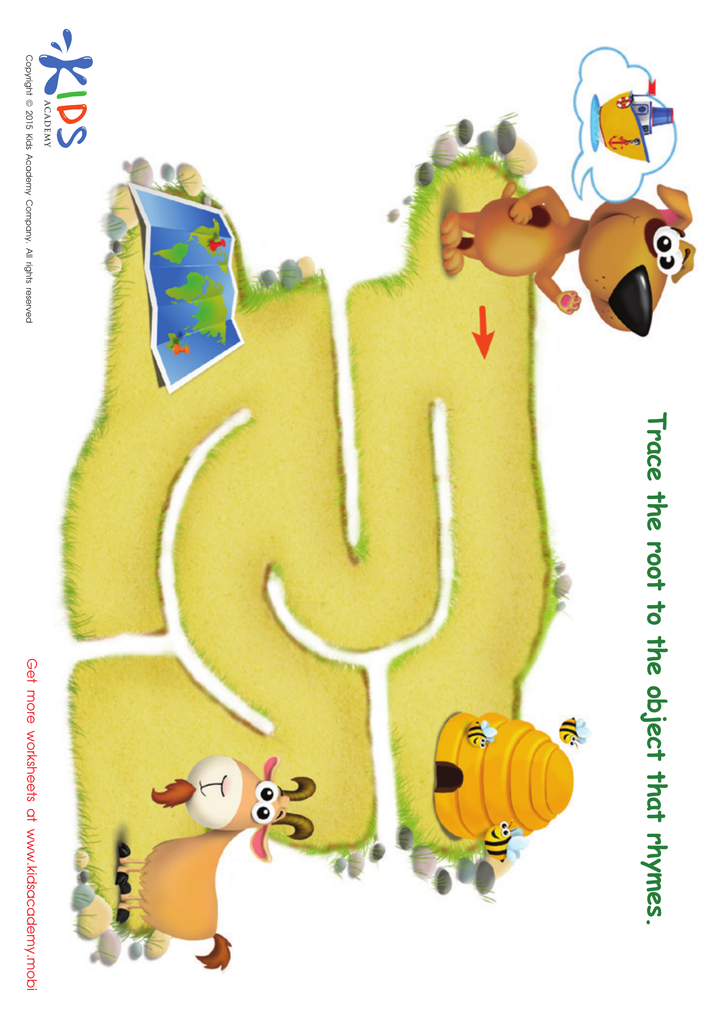
Boat Rhyming Words Worksheet
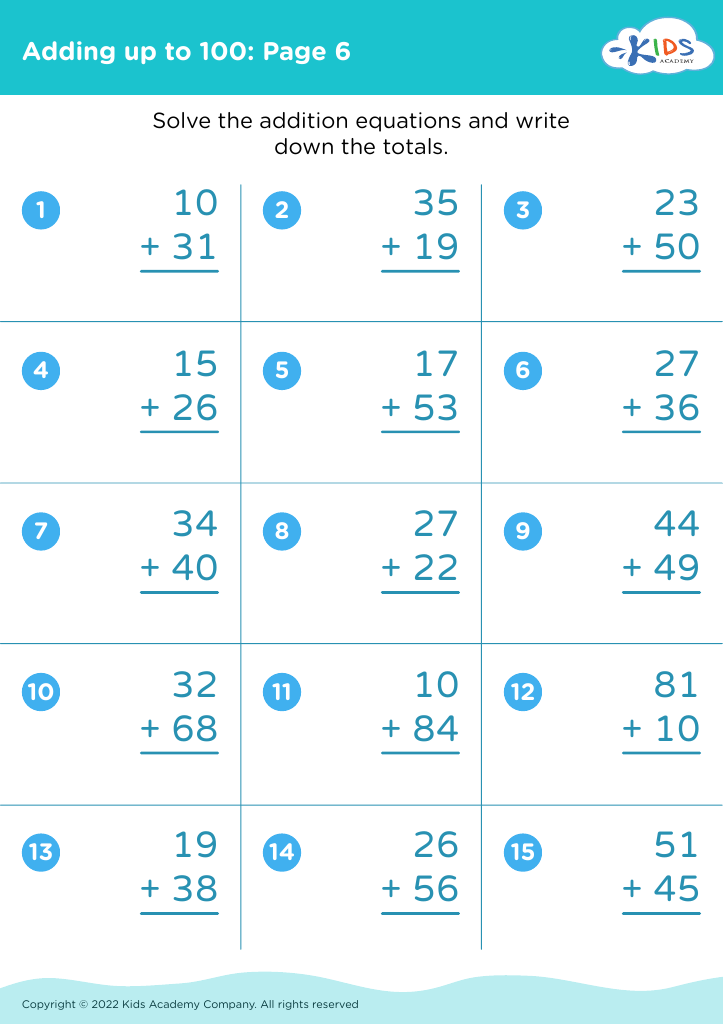
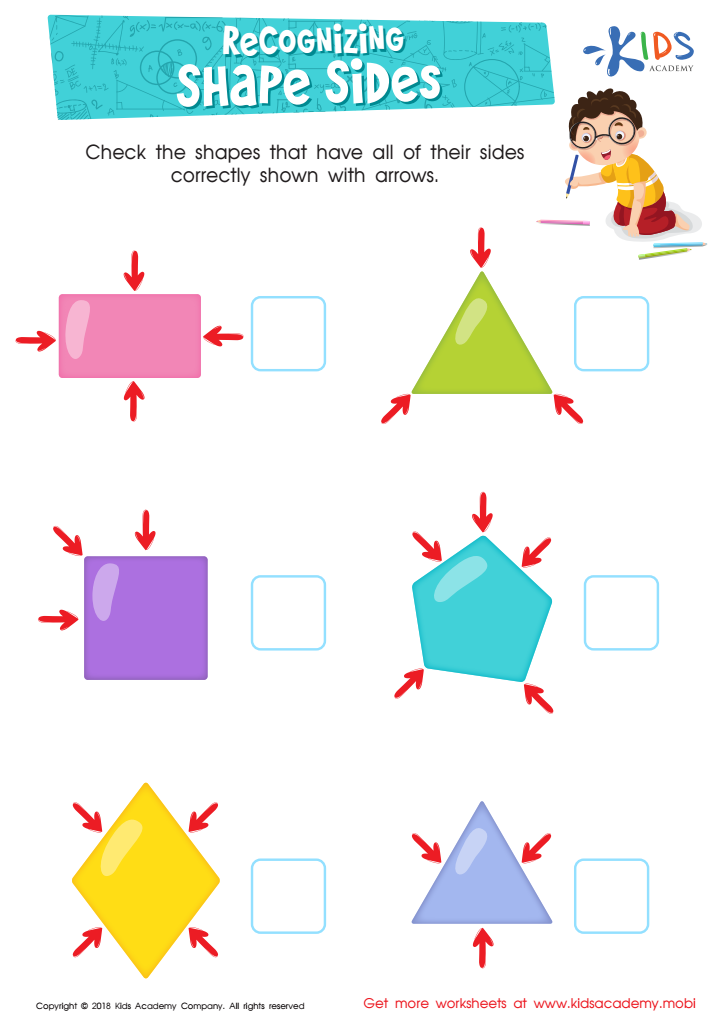
Recognizing Shape Sides Worksheet
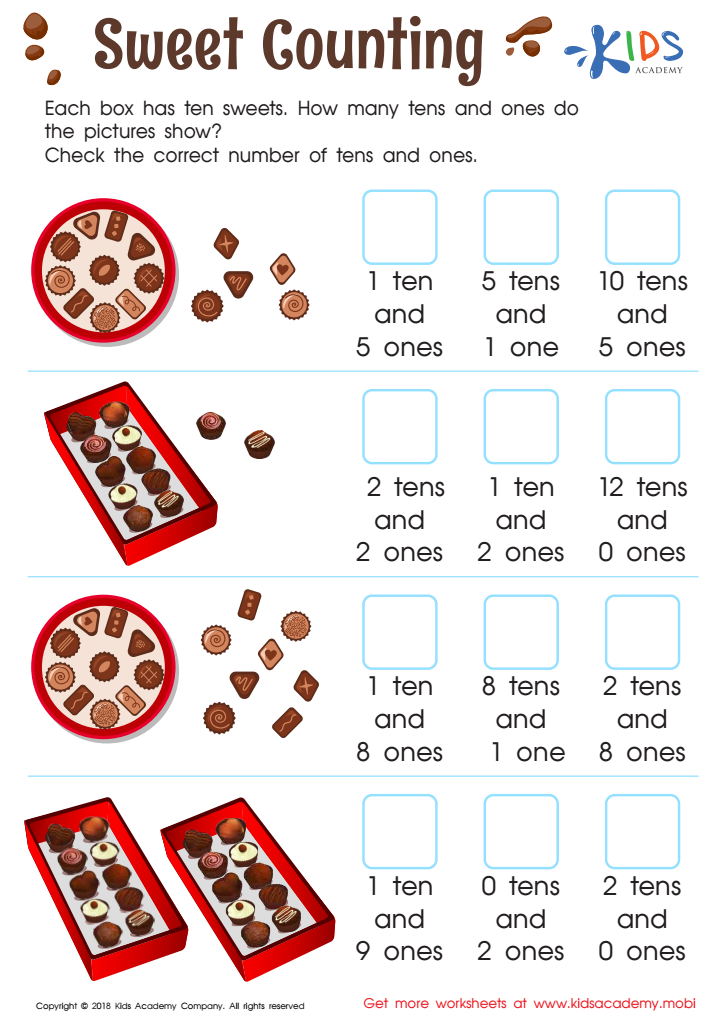
Sweet Counting - Part 2 Worksheet
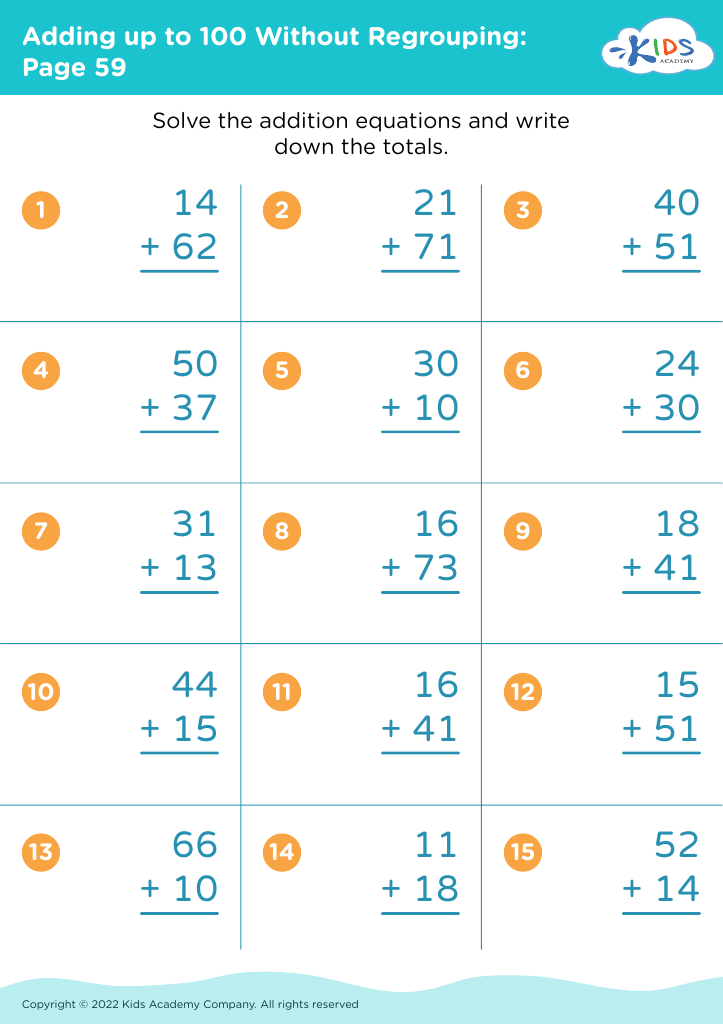
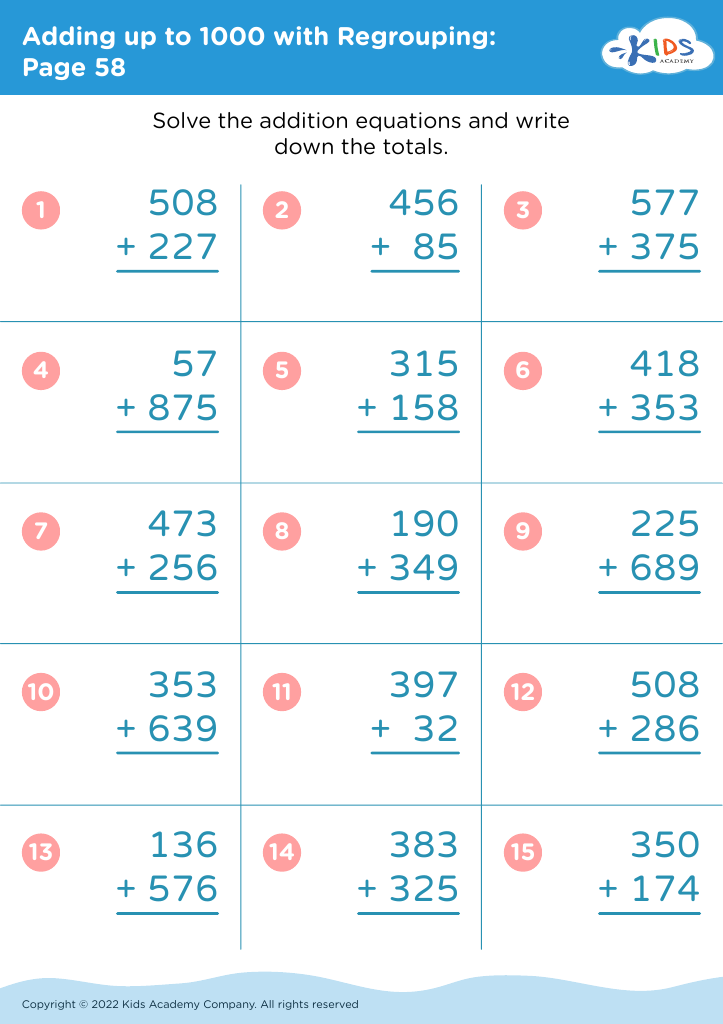
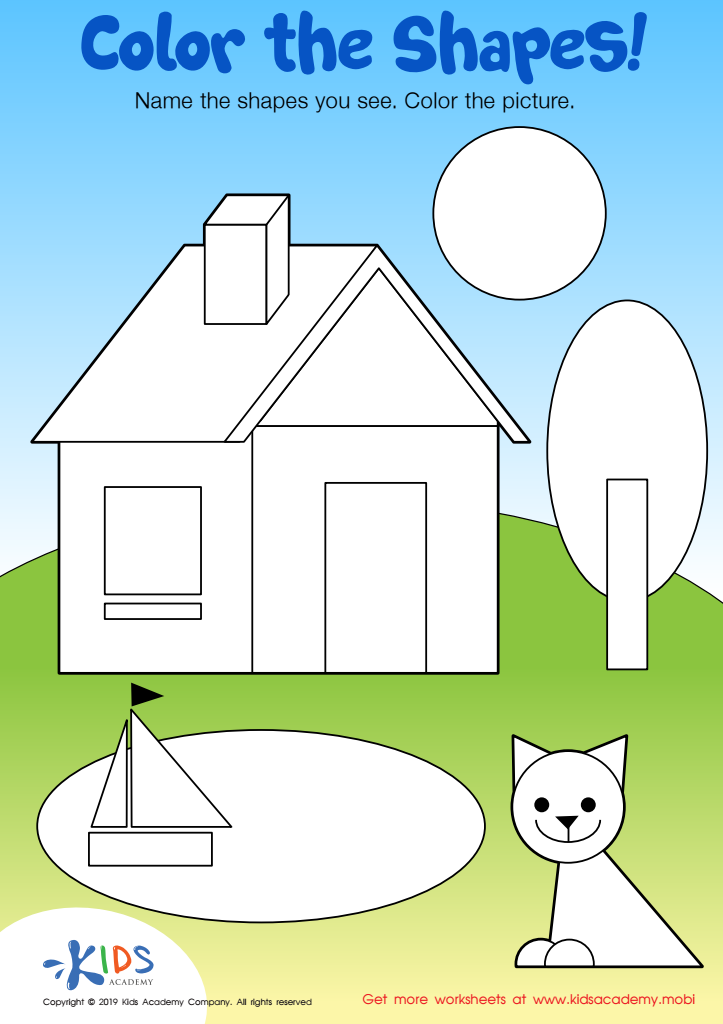
Color the Shapes Worksheet
Assign to My Students
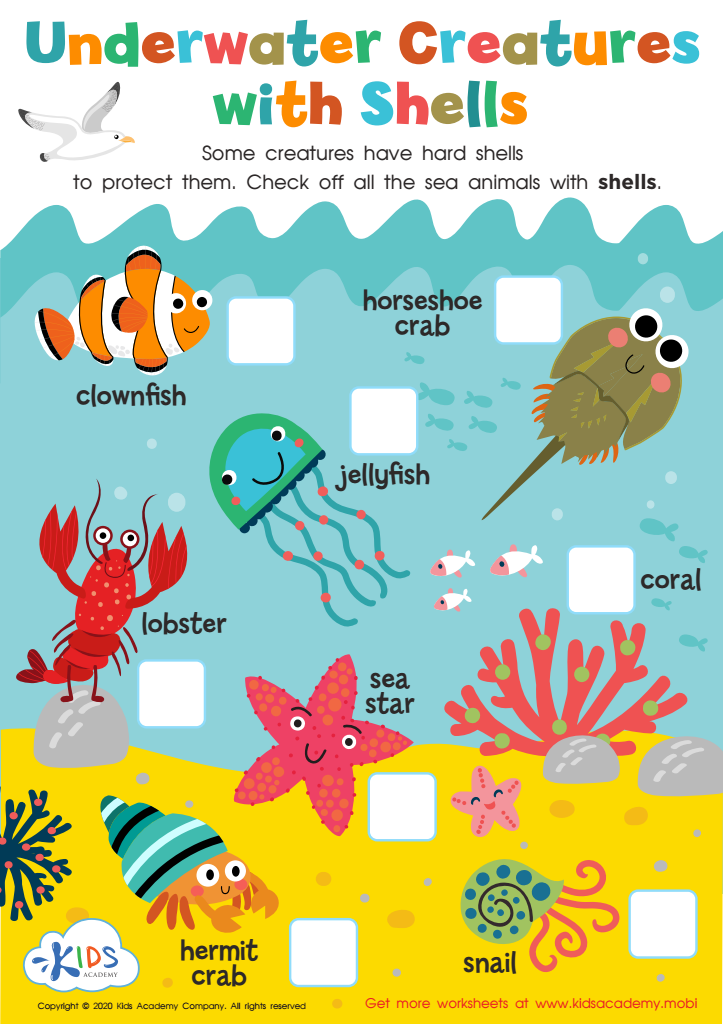
Underwater Creatures with Shells Worksheet
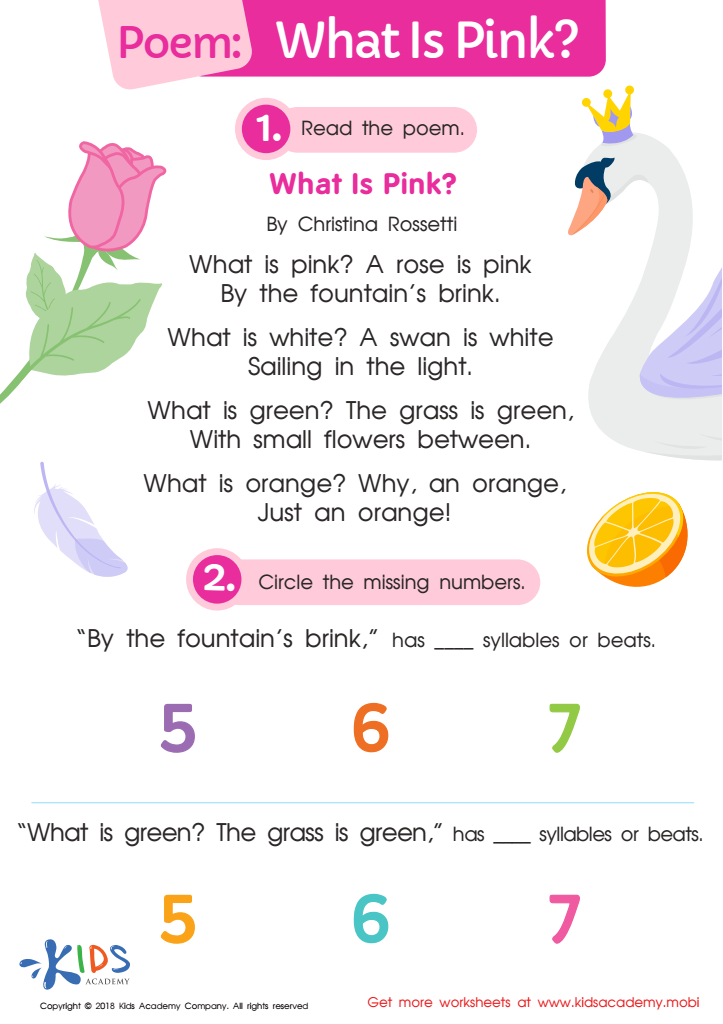
Poem: What Is Pink? Worksheet








Color identification is a crucial skill for children ages 6-8, forming an essential part of their overall cognitive and developmental growth. At this stage, color identification helps in several key areas, including language development, intellectual enhancement, and self-expression.
Firstly, identifying colors aids in language development. As children learn the names of different colors, they expand their vocabulary and improve their ability to communicate effectively. Describing objects by color enhances their descriptive skills and sentence structuring, making it easier for them to express thoughts and ideas clearly.
Intellectually, color identification fosters cognitive abilities such as sorting, categorization, and pattern recognition. Recognizing and distinguishing different hues enhances a child's ability to observe keenly and make connections between objects and their features. These skills are foundational for early math and science learning, where classification plays a significant role.
Moreover, understanding color helps in creative and artistic expression. Children use colors to illustrate their emotions and ideas through drawings and crafts, leading to improved fine motor skills and a sense of achievement. It nurtures their creativity, encouraging imaginative thinking.
Parents and teachers should thus place significant emphasis on color identification, as it plays a multifaceted role during early childhood, paving the way for more complex learning experiences.








