Critical thinking skills Worksheets for Ages 6-8 - Page 2
39 filtered results
-
From - To
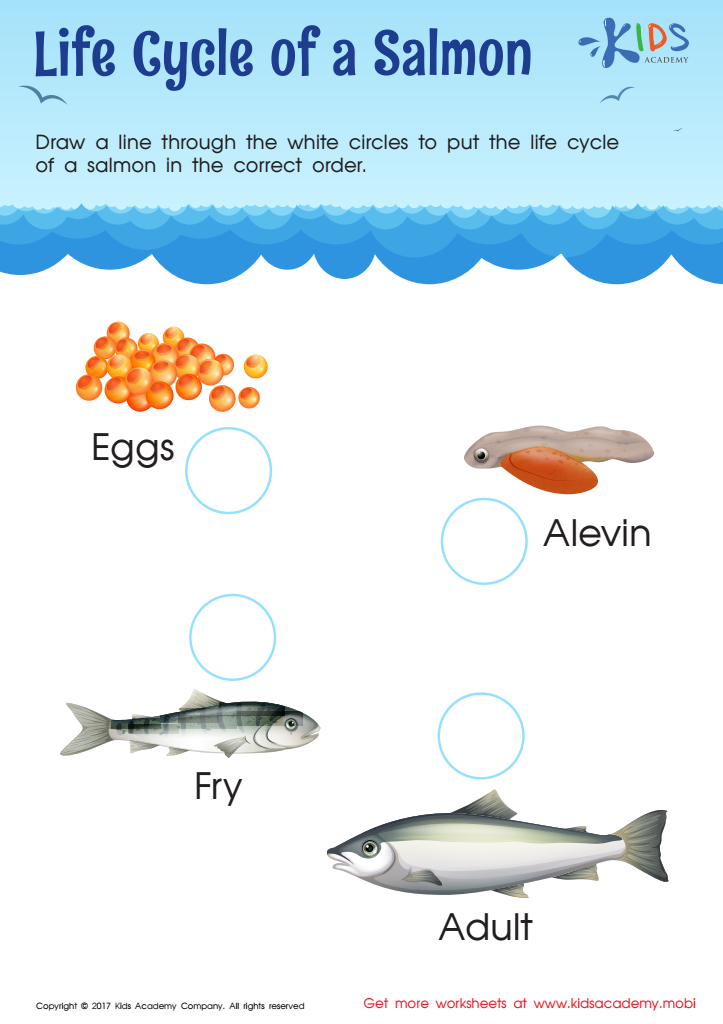
Cycle Of Salmon Worksheet
 Assign to My Students
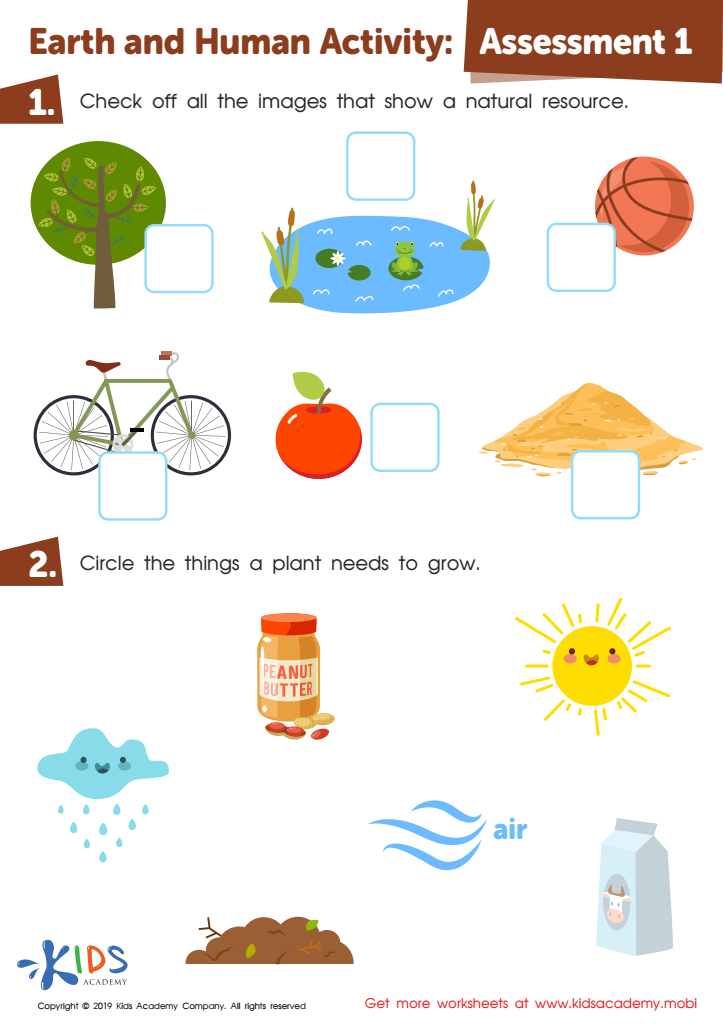
Earth and Human Activity: Assessment 1 Worksheet
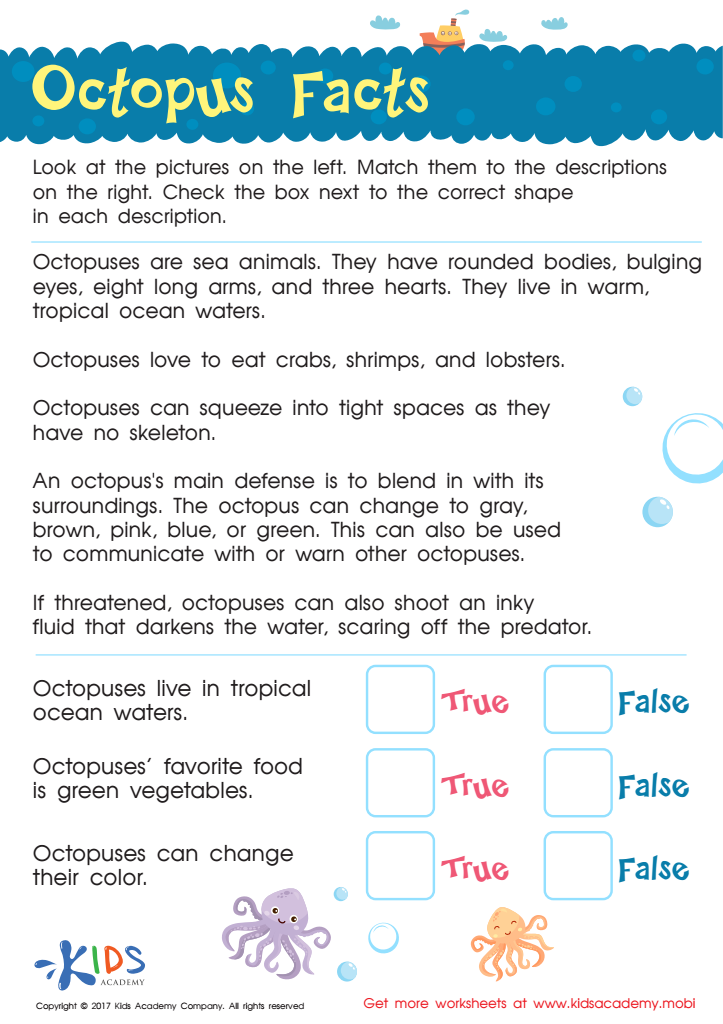
Octopus Facts Worksheet For Kids
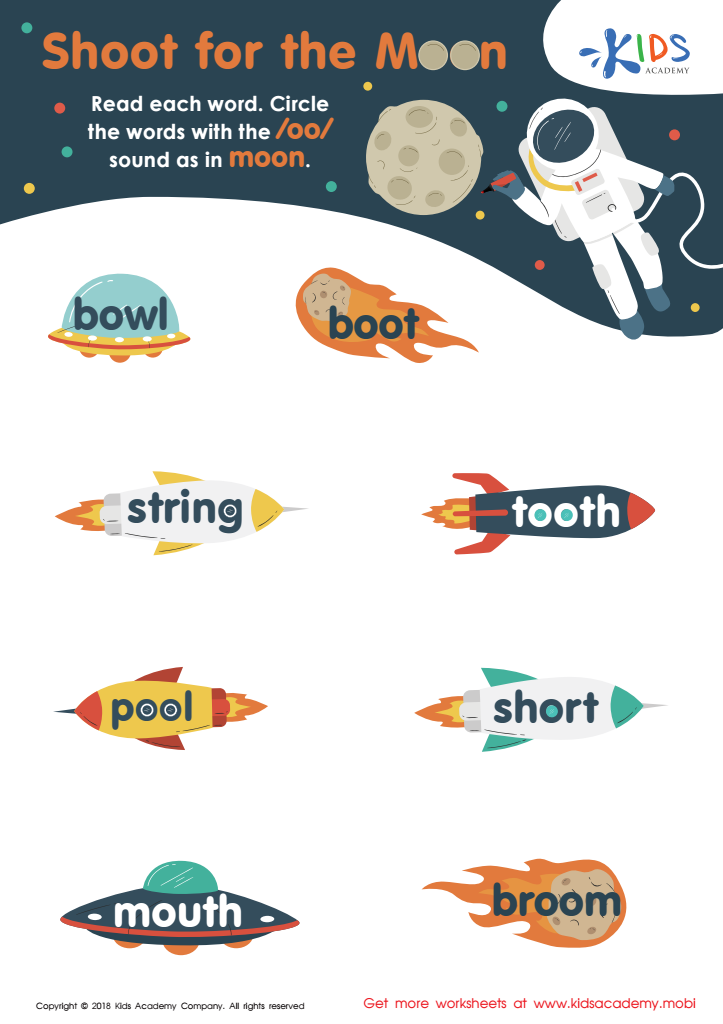
Reading: Shoot for the Moon Worksheet
The Three Little Pigs Worksheet
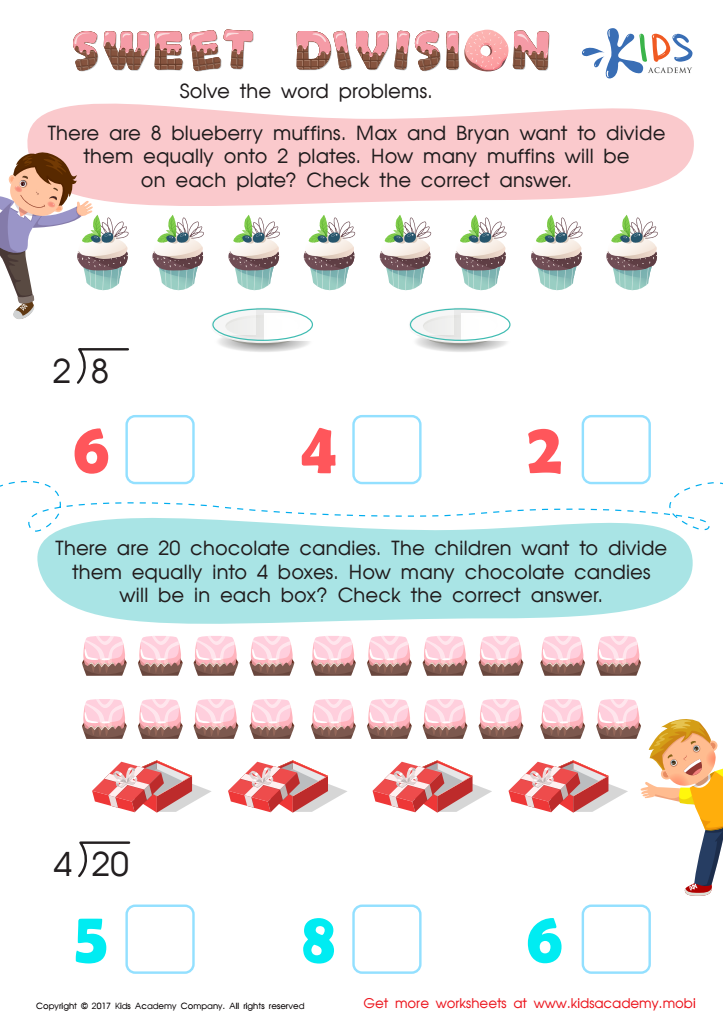
Division Word Problems Worksheet
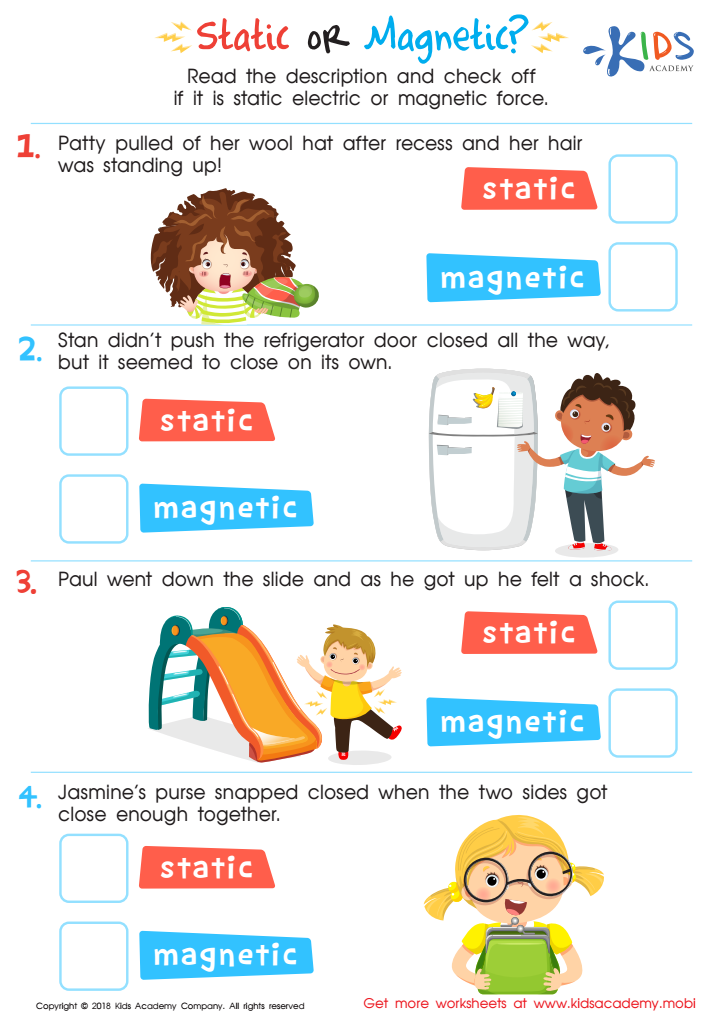
Static or Magnetic Printable Worksheet
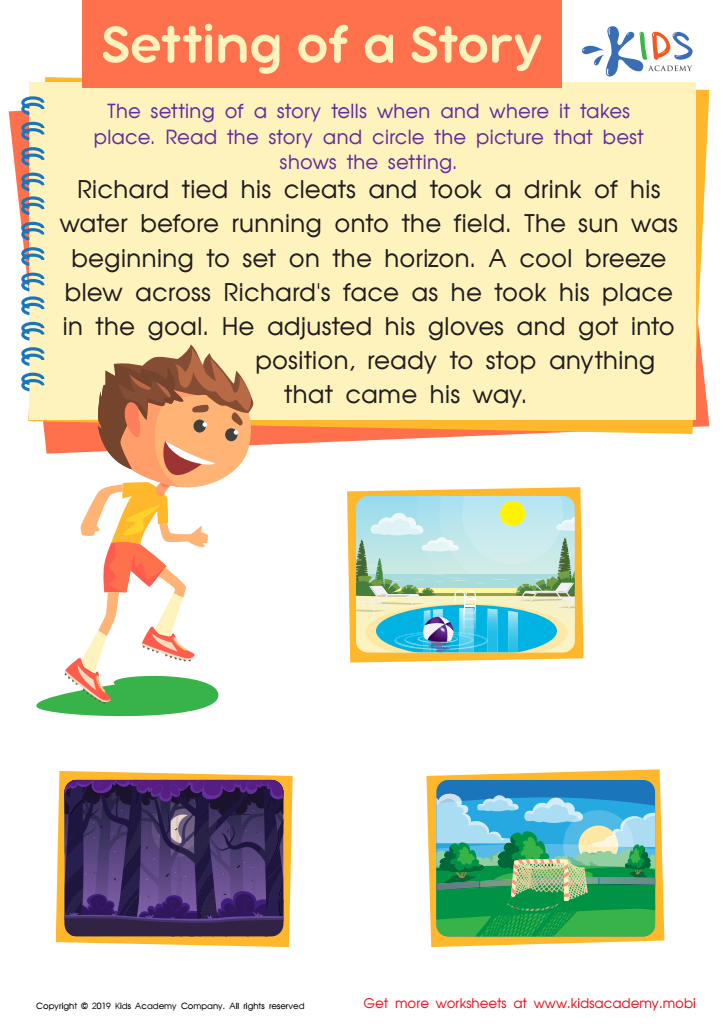
Setting of a Story Worksheet
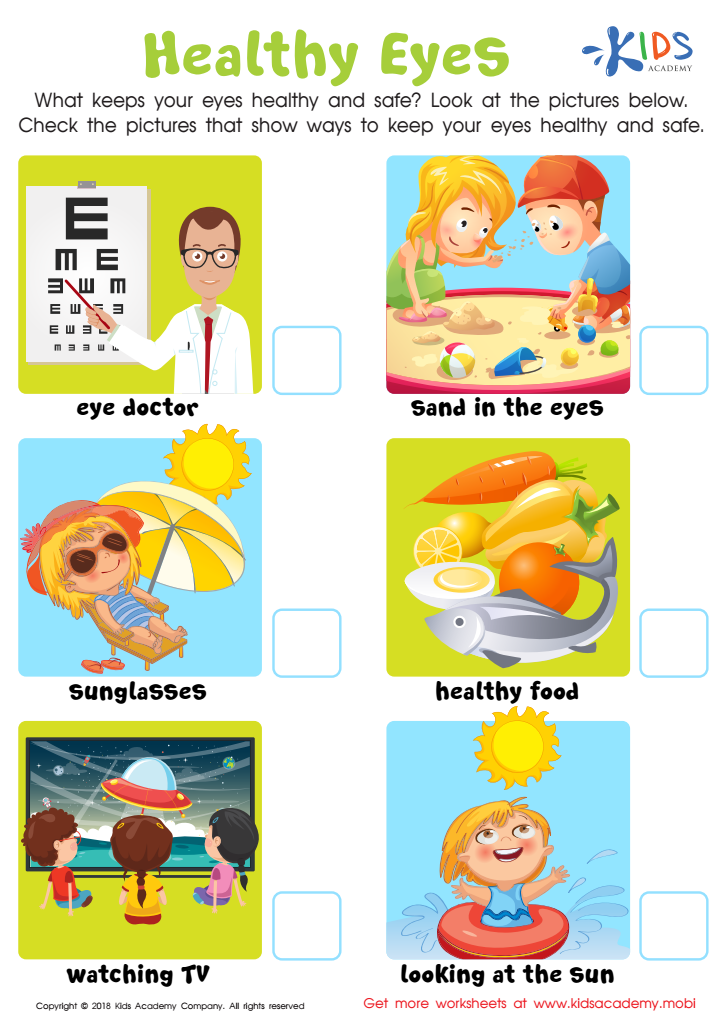
Healthy Eyes Worksheet
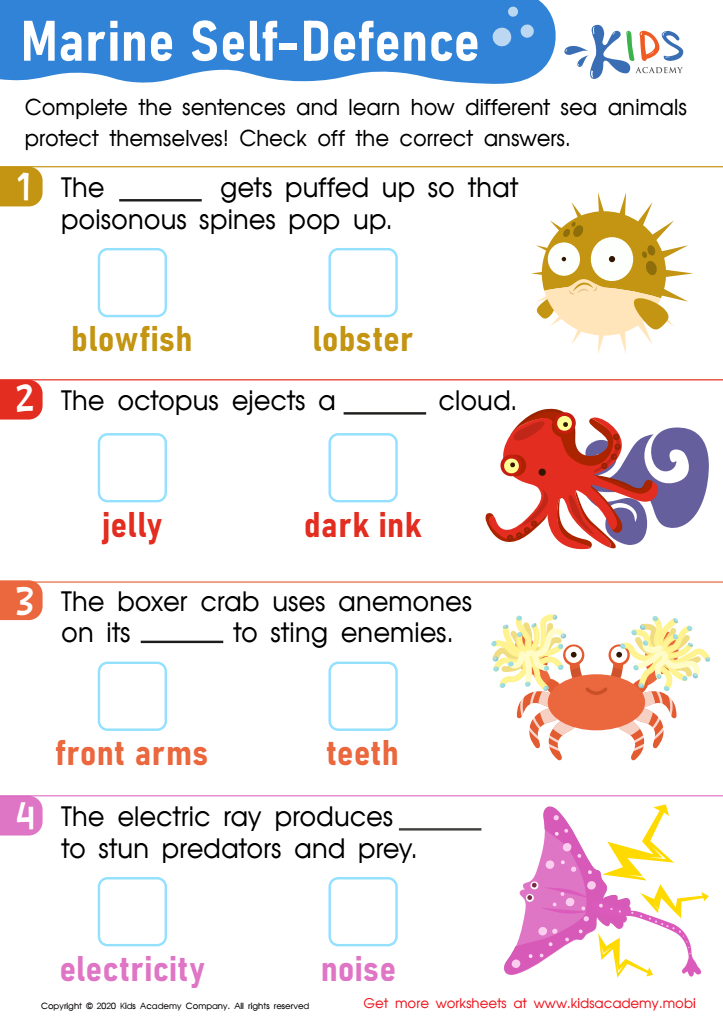
Marine Self-Defence Worksheet
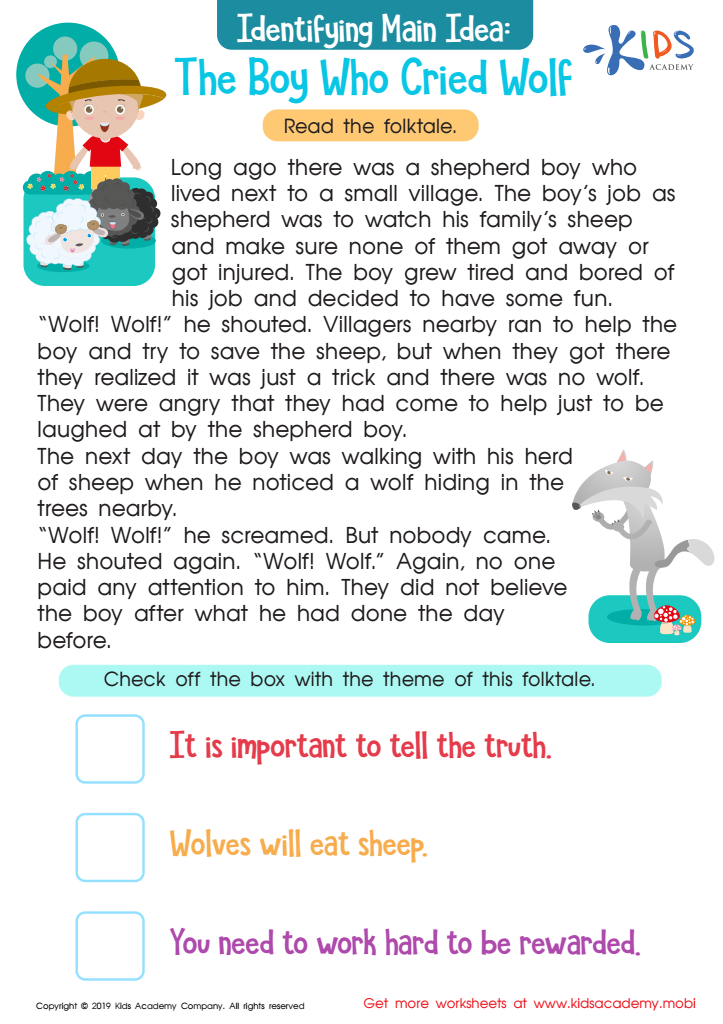
The Boy Who Cried Wolf Part 2 Worksheet
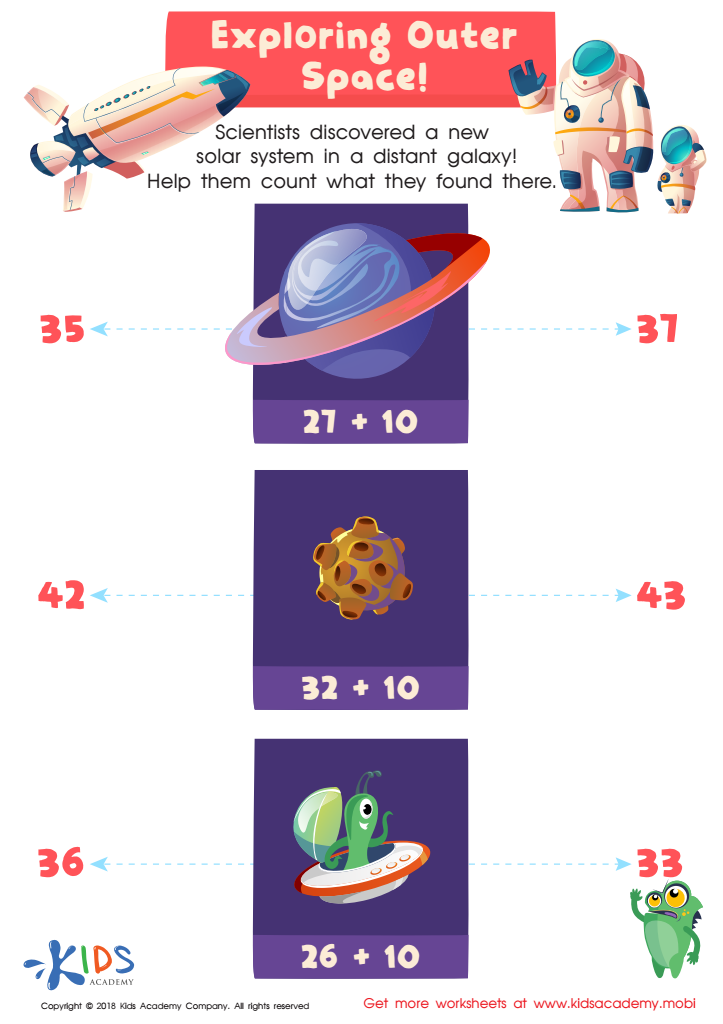
Exploring Outer Space Worksheet








Critical thinking skills are essential for children ages 6-8 as they lay the foundation for lifelong learning and problem-solving abilities. At this stage, children are naturally curious and eager to explore their environments; nurturing their critical thinking skills encourages them to ask questions, analyze information, and draw conclusions. These skills empower children to go beyond rote memorization, fostering a deeper understanding of concepts in subjects such as math, science, and reading.
Moreover, encouraging critical thinking helps children develop independence and confidence in their decision-making. By learning how to evaluate different perspectives and consider various solutions, children become adept at navigating challenges and exploring creative outcomes. This skillset is crucial for social situations, where children must negotiate friendships and conflicts.
For parents and teachers, promoting critical thinking allows for richer and more dynamic learning experiences in the classroom and at home. It also creates an environment that supports inquiry, creativity, and collaboration. As these children grow, their enhanced critical thinking abilities will serve them well in school and the broader world, preparing them to tackle complex problems with a balanced perspective and innovative approaches in their future endeavors. Thus, investing in these skills at a young age is vital for holistic development.








