Cultural awareness Worksheets for Ages 6-8
29 filtered results
-
From - To
Explore our vibrant collection of Cultural Awareness Worksheets designed for children ages 6-8. These engaging activities foster global understanding and appreciation through fun exercises, coloring pages, and interactive tasks. Tailored to meet the developmental needs of young learners, our worksheets help kids discover diverse traditions, languages, and customs from around the world. Enhance your child's learning experience by encouraging empathy, curiosity, and respect for different cultures. Perfect for classroom use or at-home enrichment, our worksheets provide a meaningful foundation for raising globally conscious citizens. Download now and start your cultural journey today!
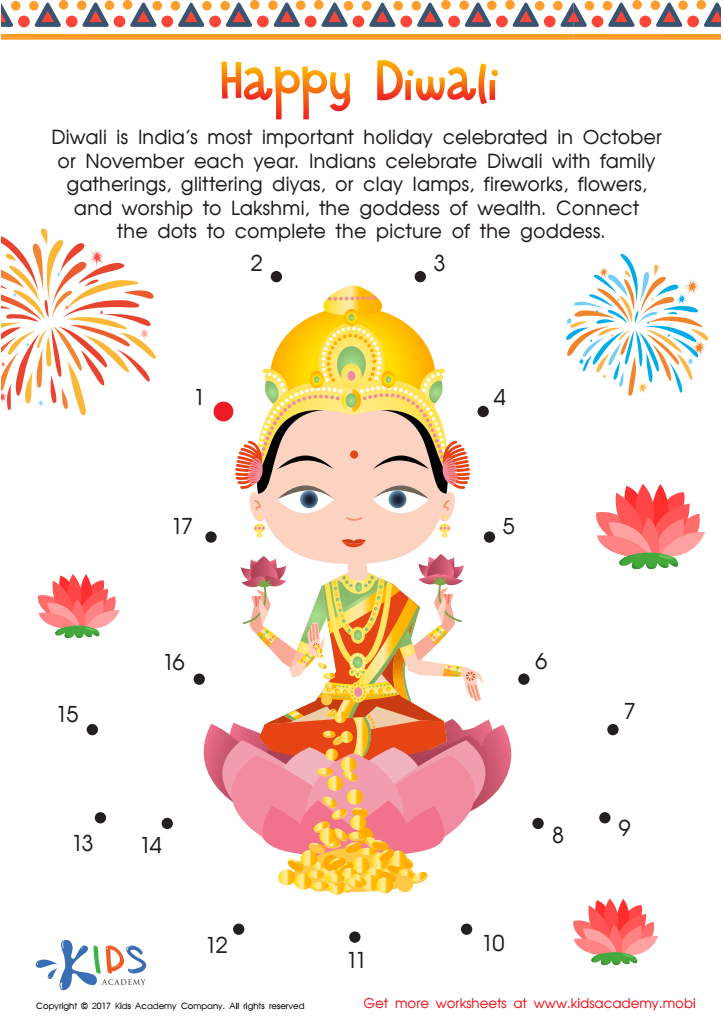
Happy Diwali Printable
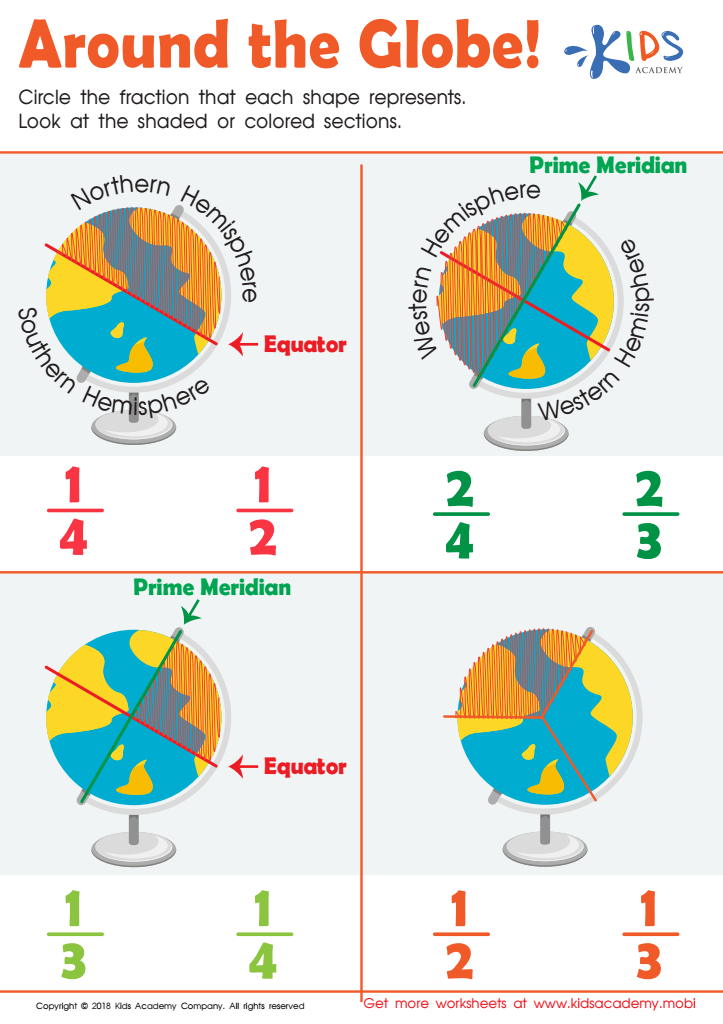
Around the Globe Worksheet
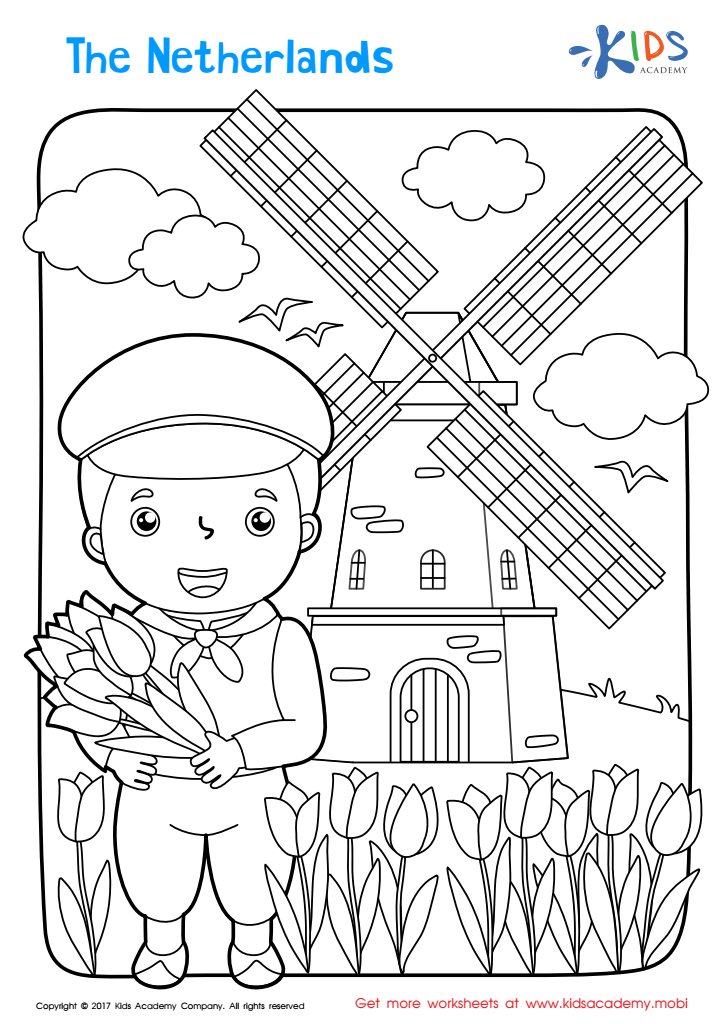
The Netherlands Printable
 Assign to My Students
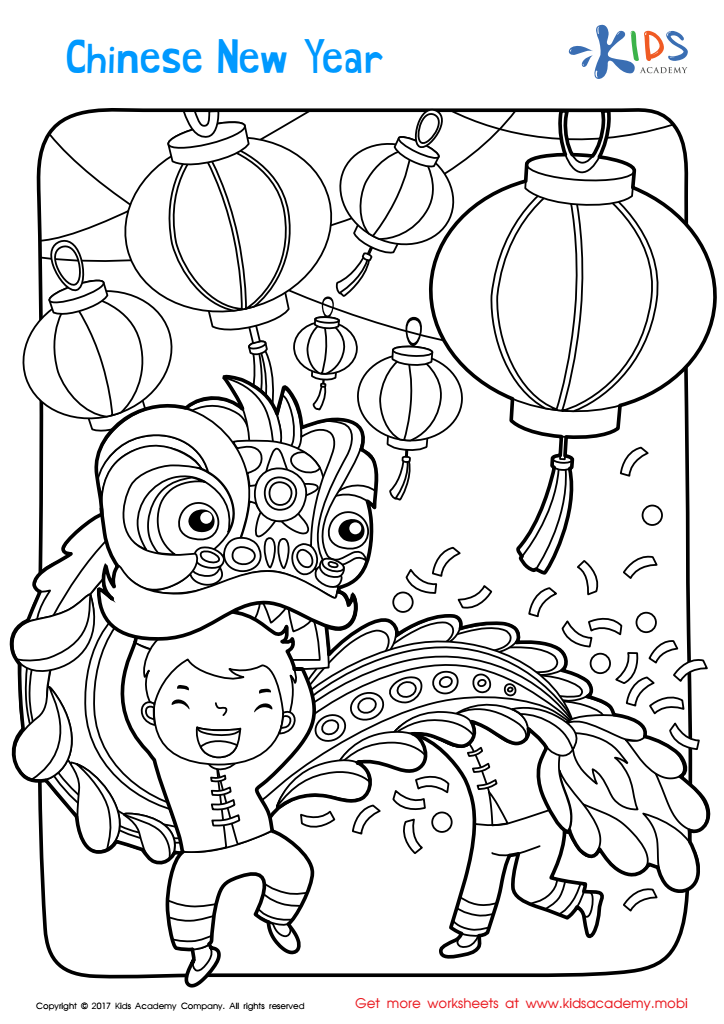
Chinese New Year Worksheet
Assign to My Students
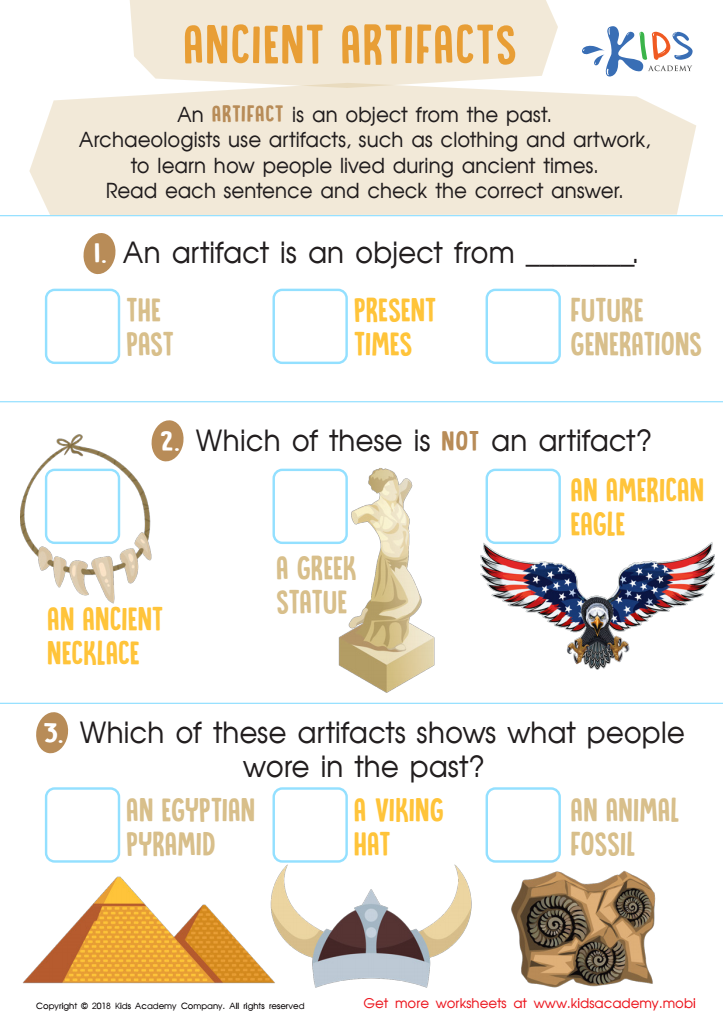
Ancient Artifacts Worksheet
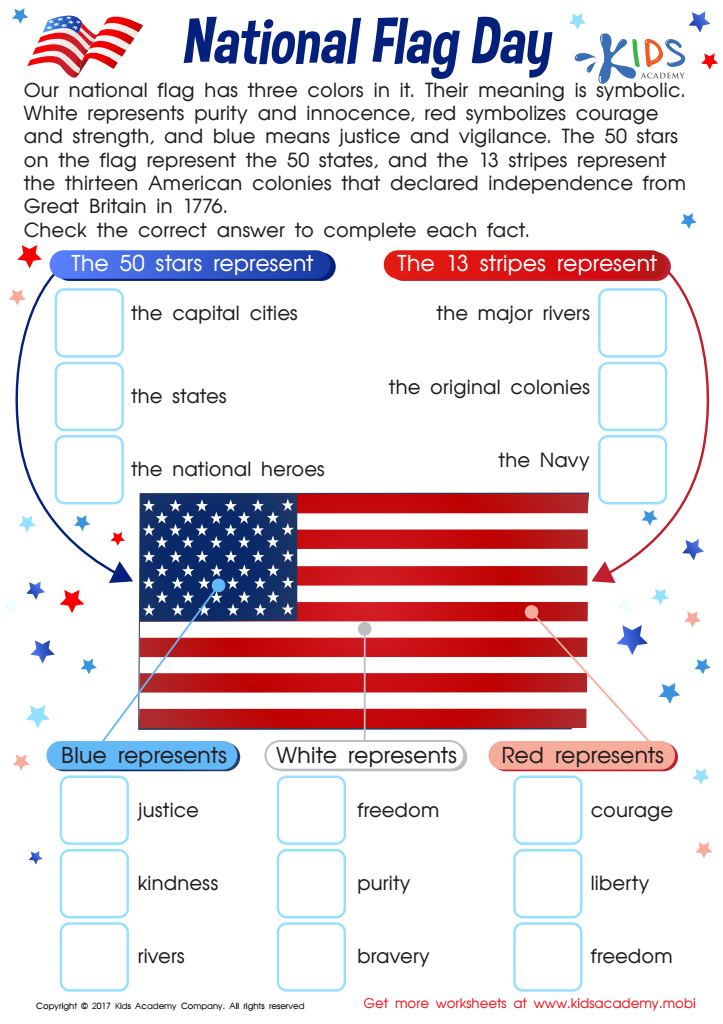
US National Flag Day Worksheet
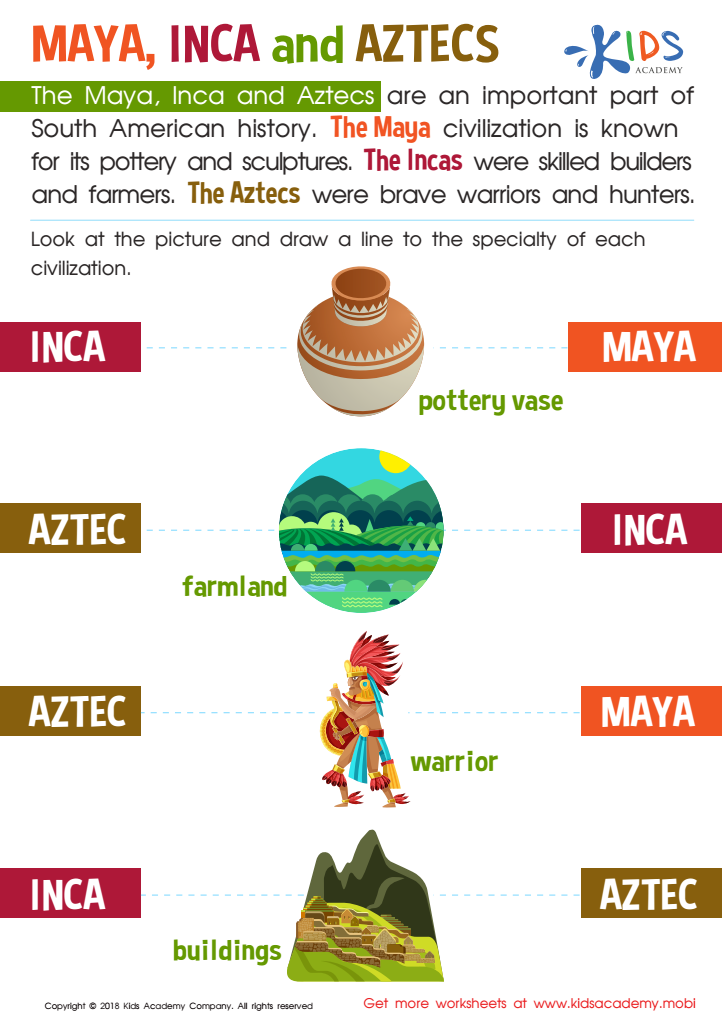
Maya, Inca and Aztecs Worksheet
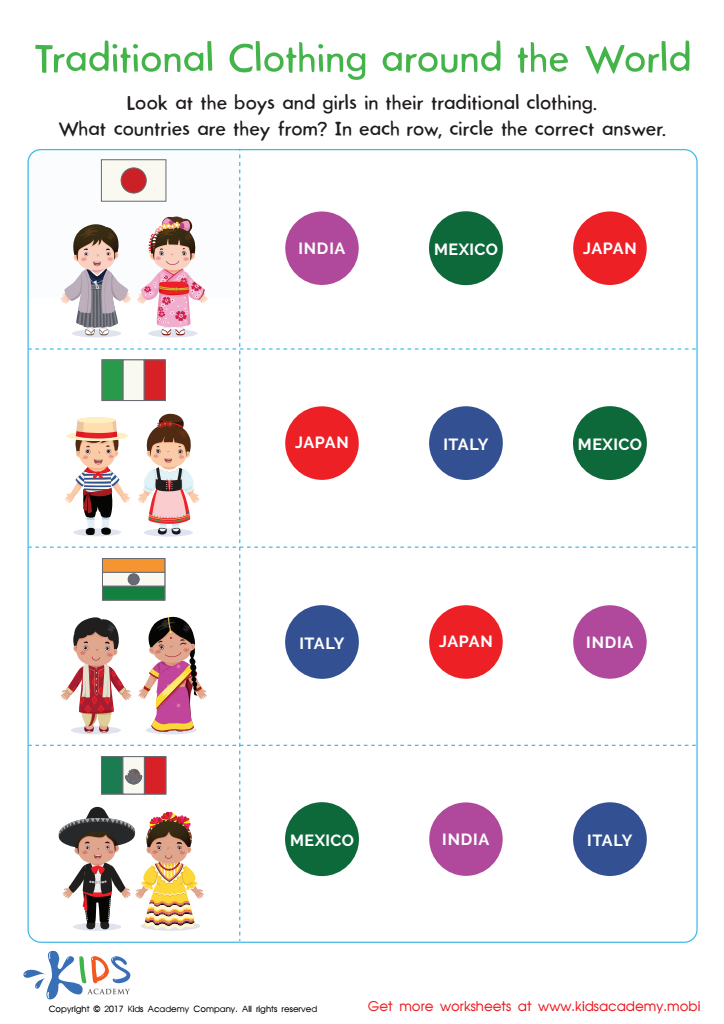
Traditional Clothing Worksheet
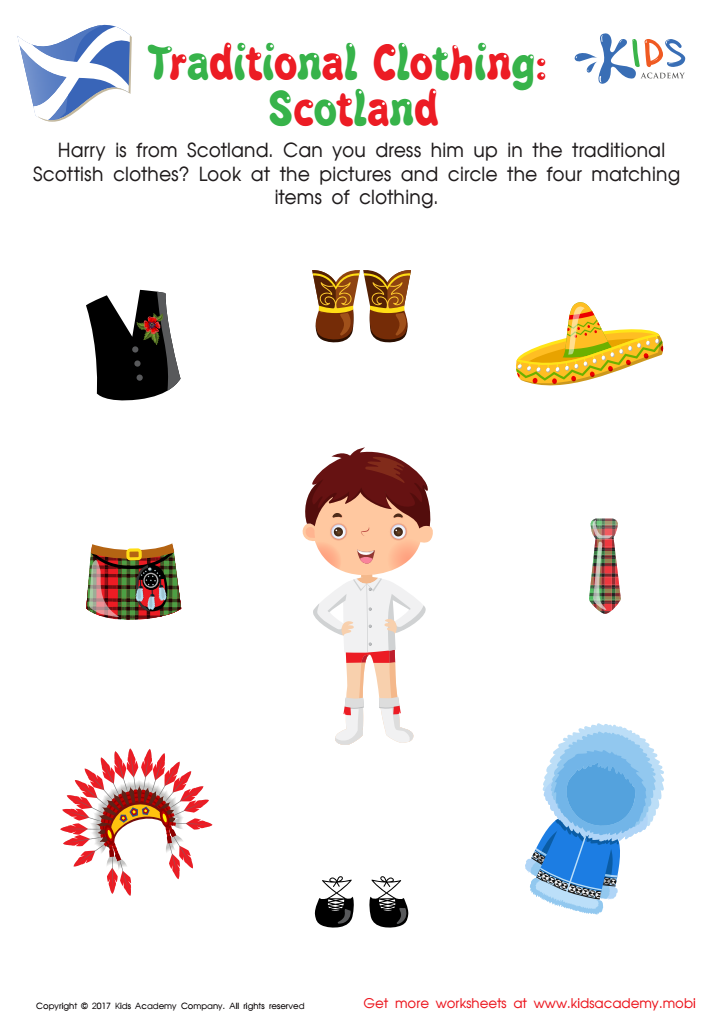
Traditional Clothing in Scotland Worksheet
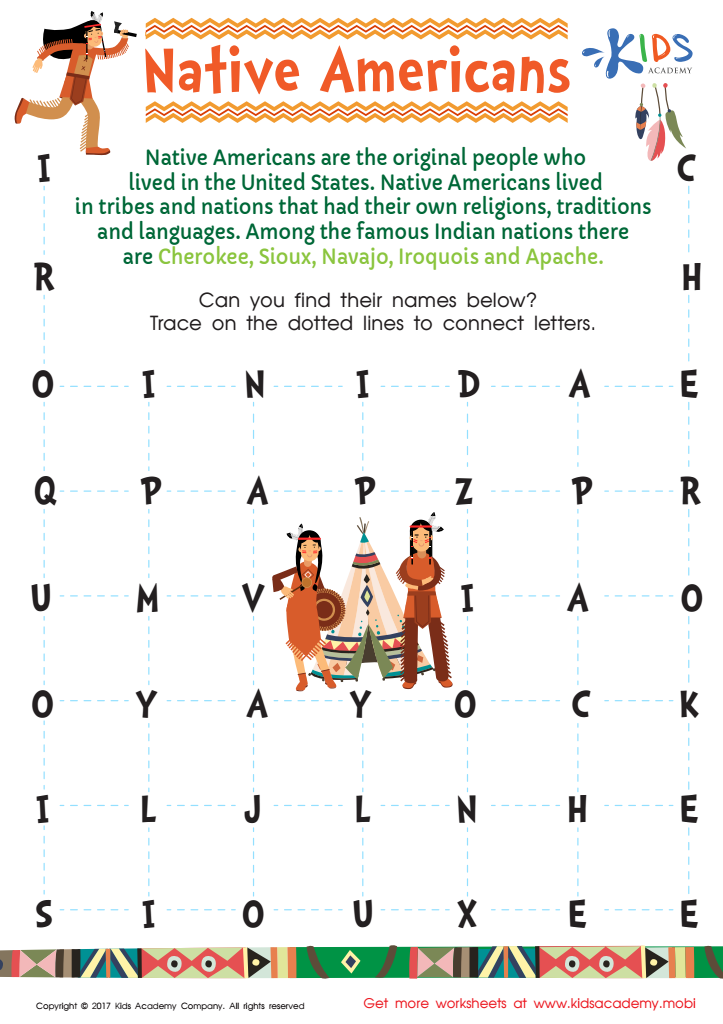
Native American Word Search Printable
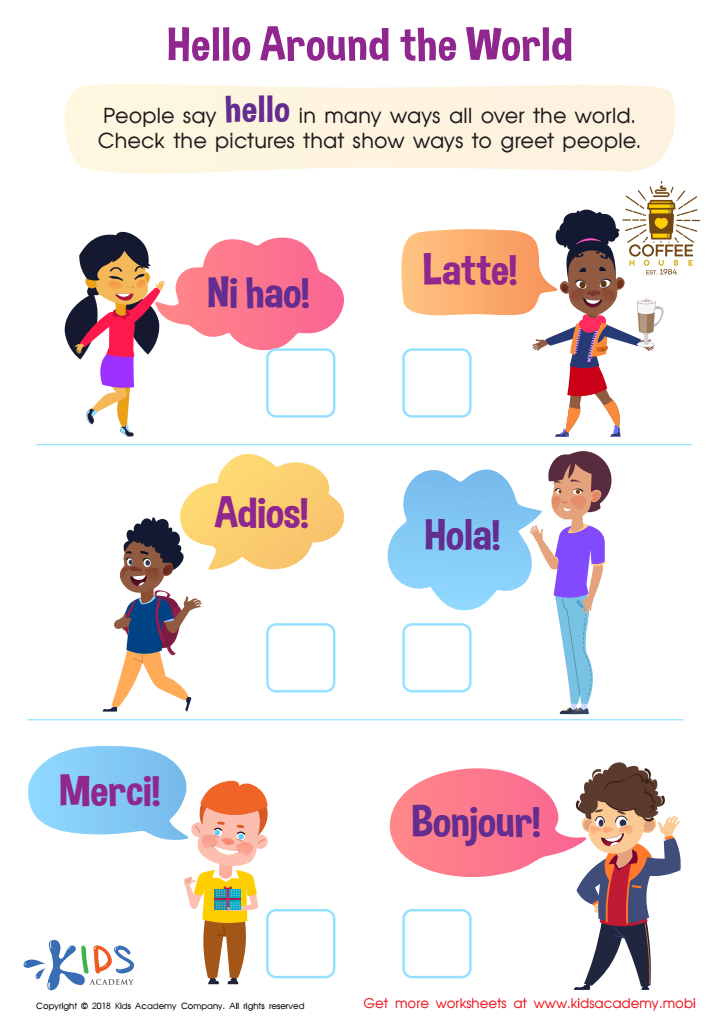
Hello Around the World Worksheet
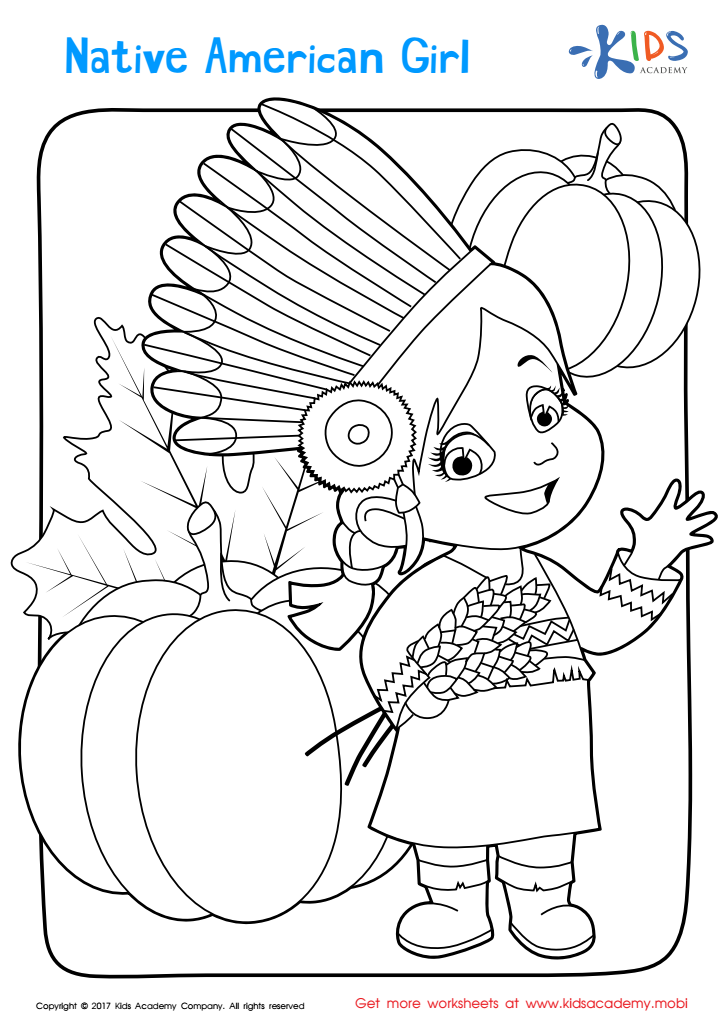
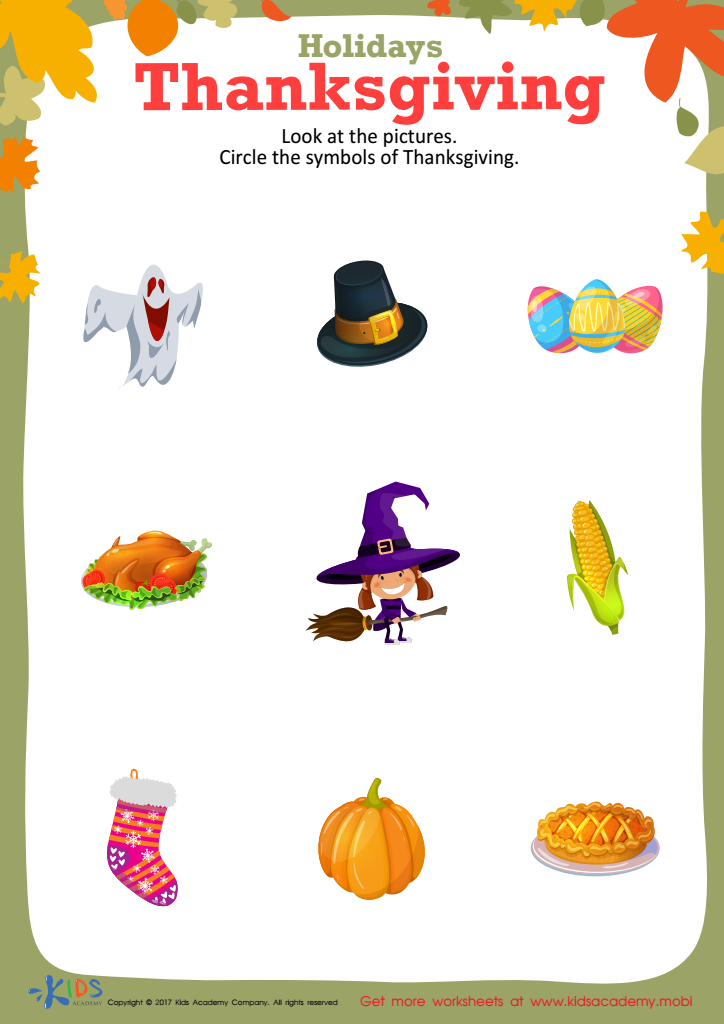
Thanksgiving Holiday Printable
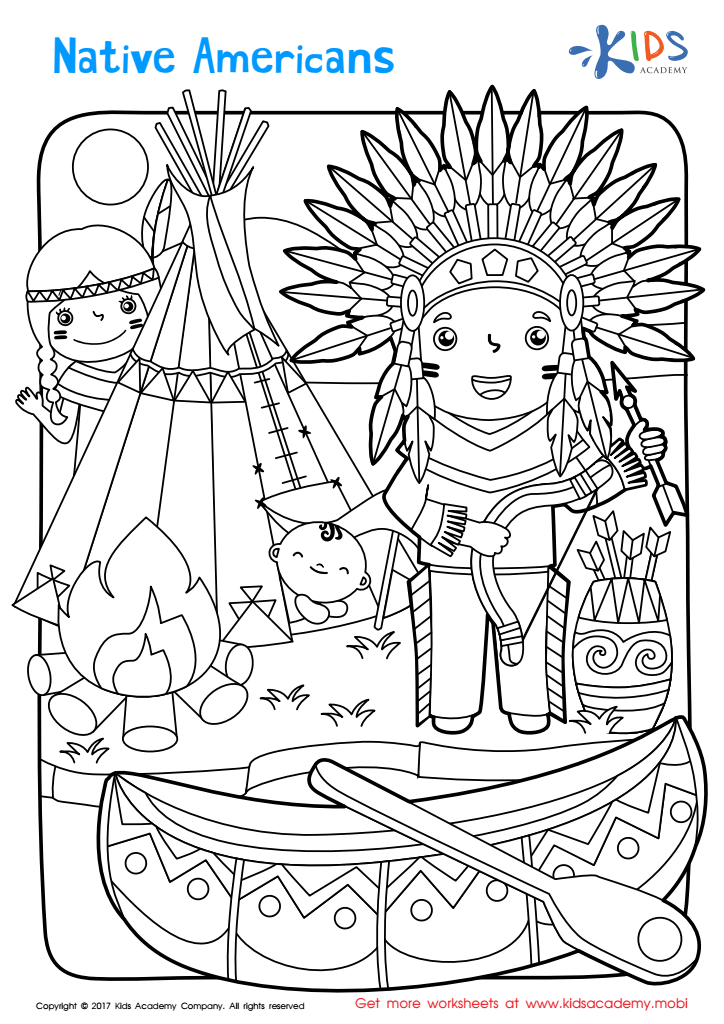
Native American Coloring Page Worksheet
Assign to My Students
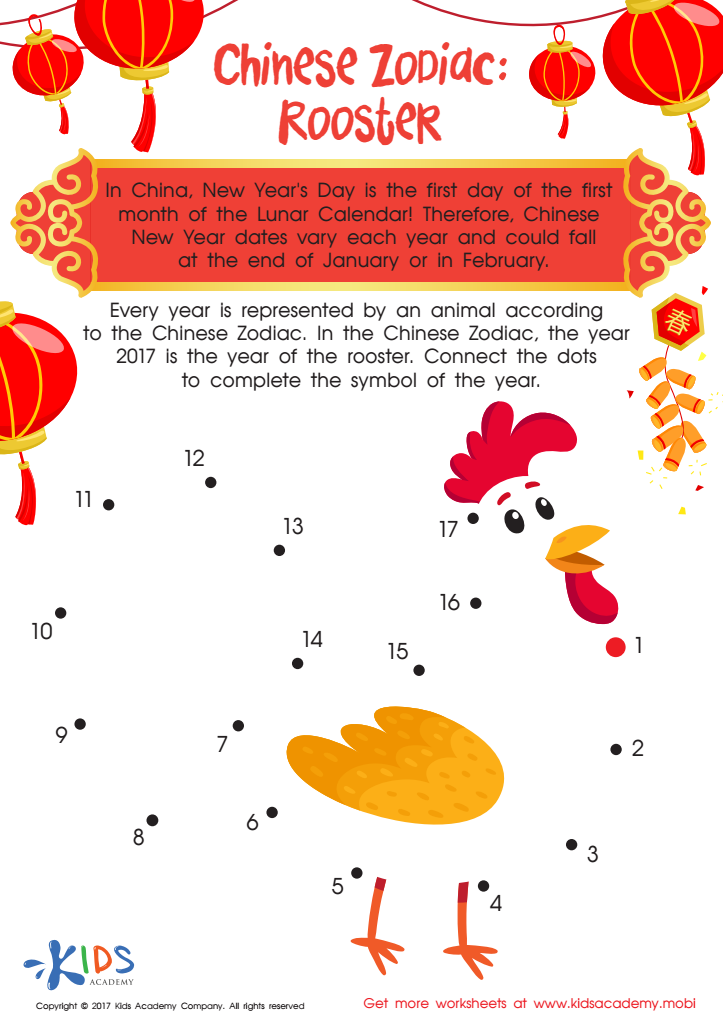
Chinese Zodiac Printable
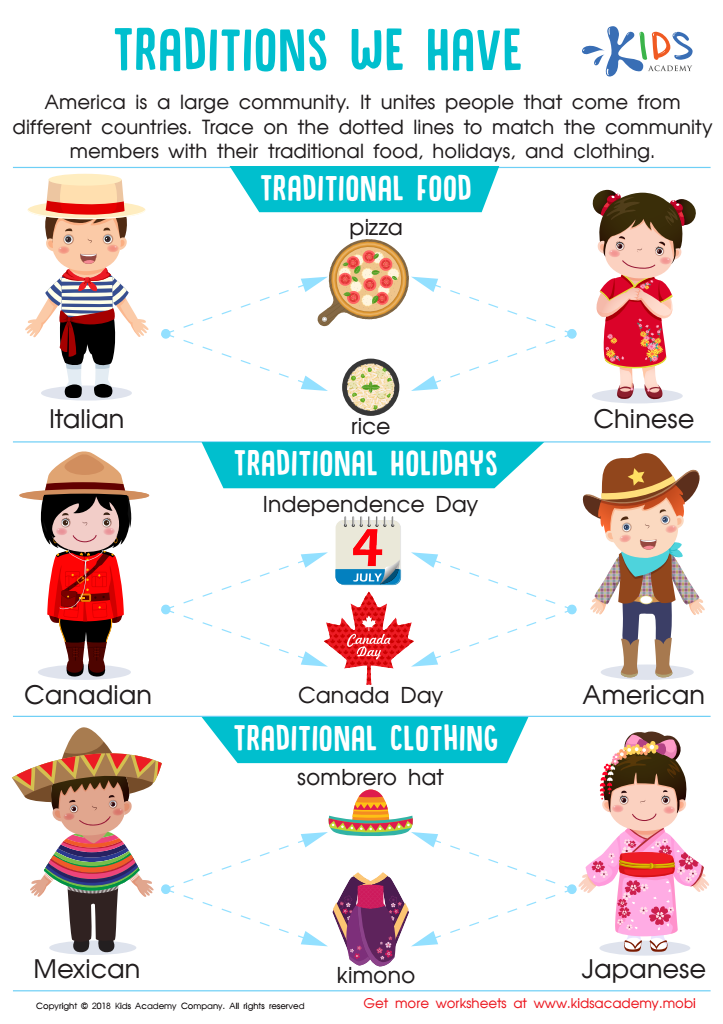
Traditions We Have Worksheet
Wild West Coloring Page Printable
Assign to My Students
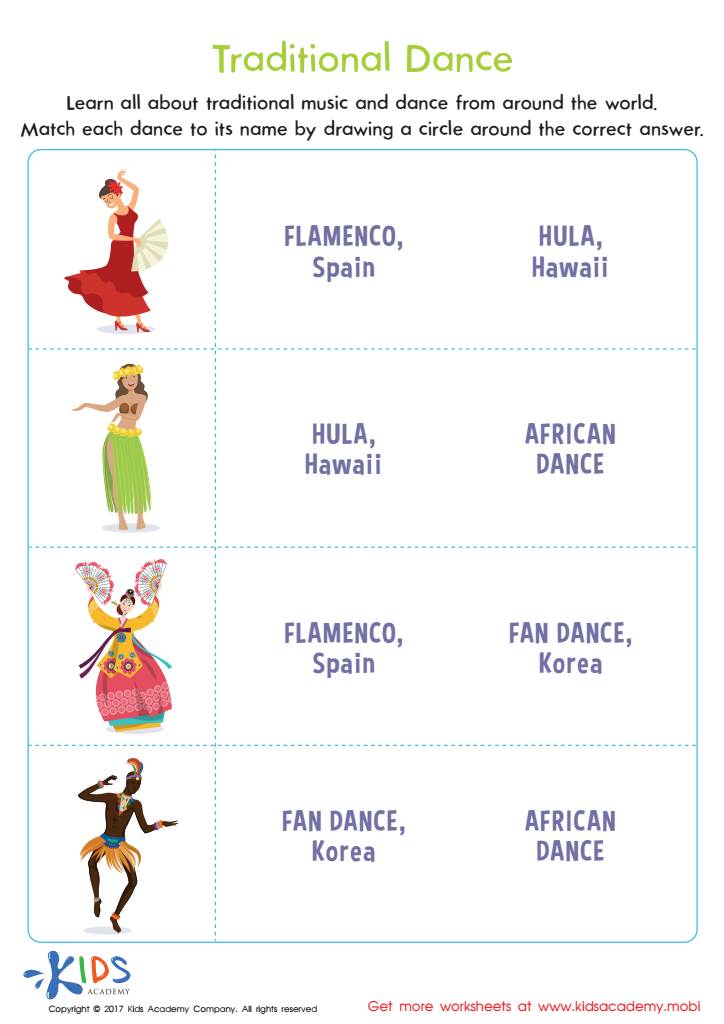
Traditional Dance Printable
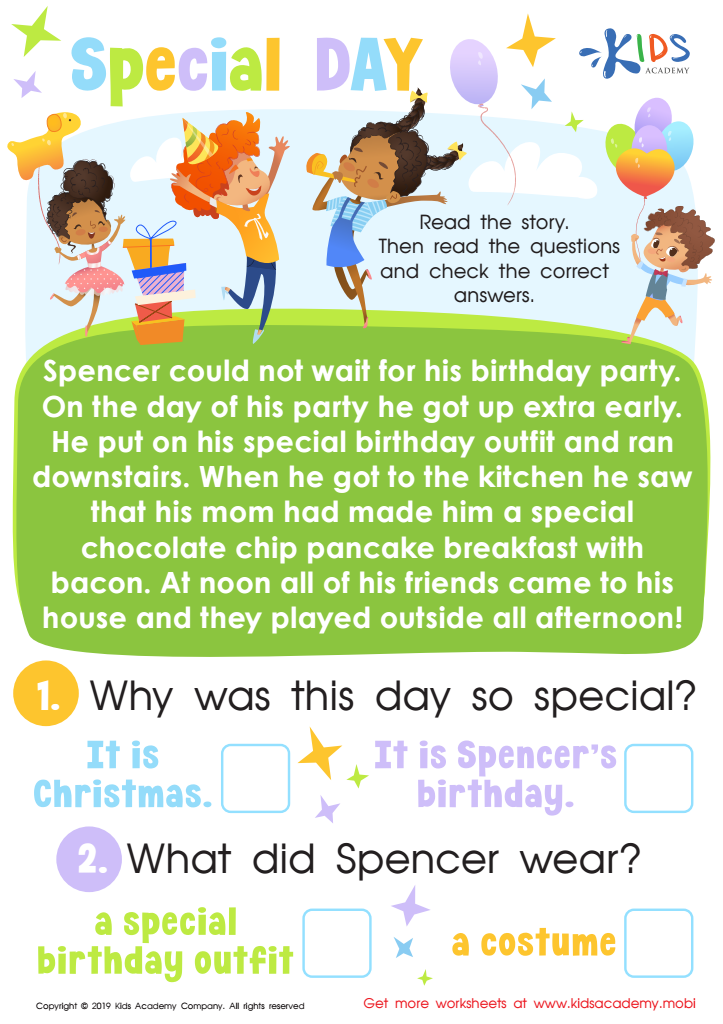
Special Day Worksheet
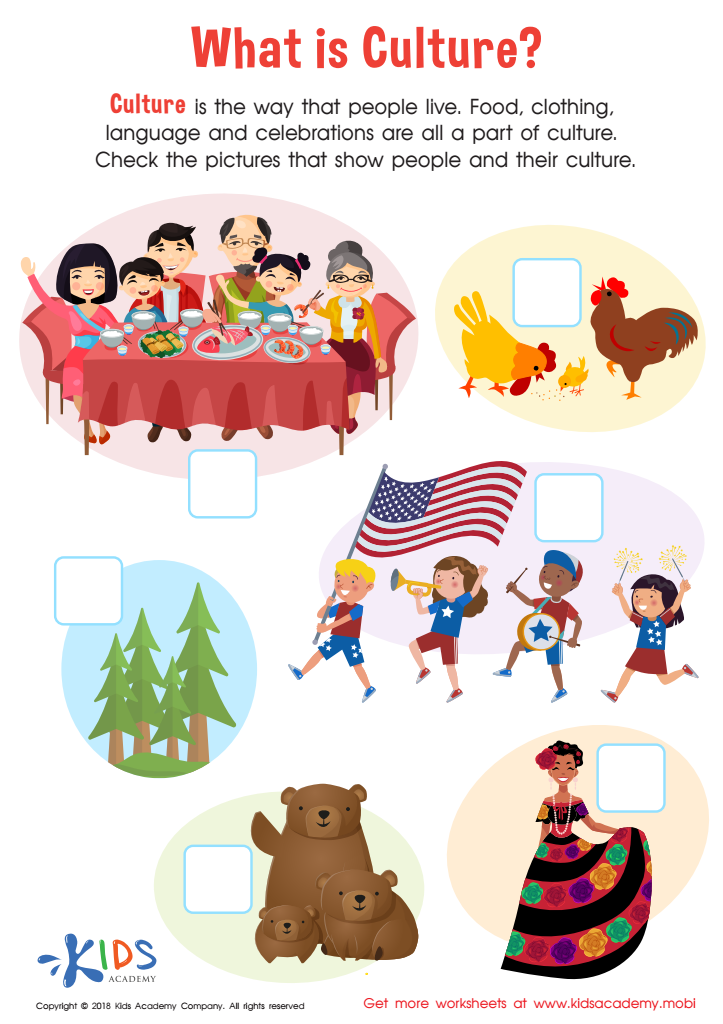
What Is Culture? Worksheet
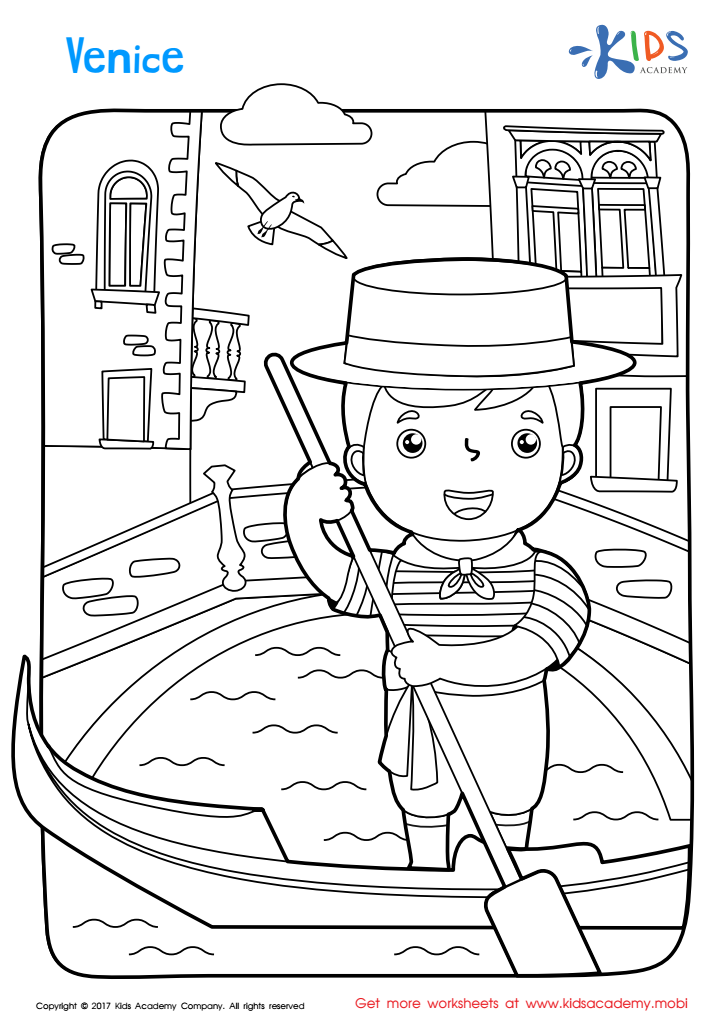
Venice Worksheet
Assign to My Students
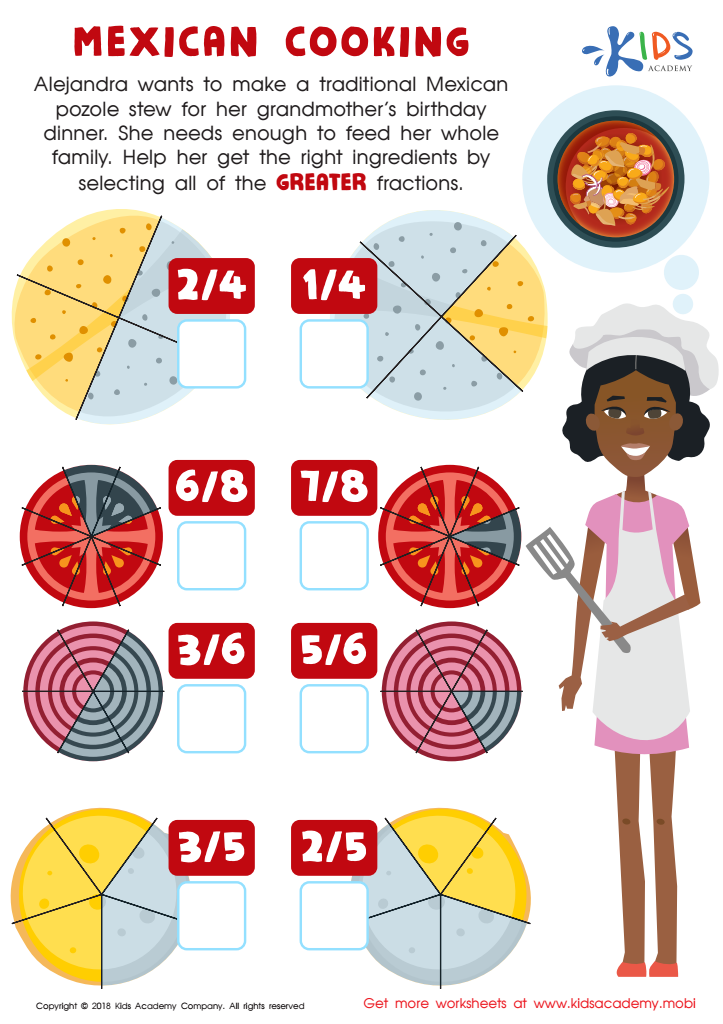
Mexican Cooking Worksheet
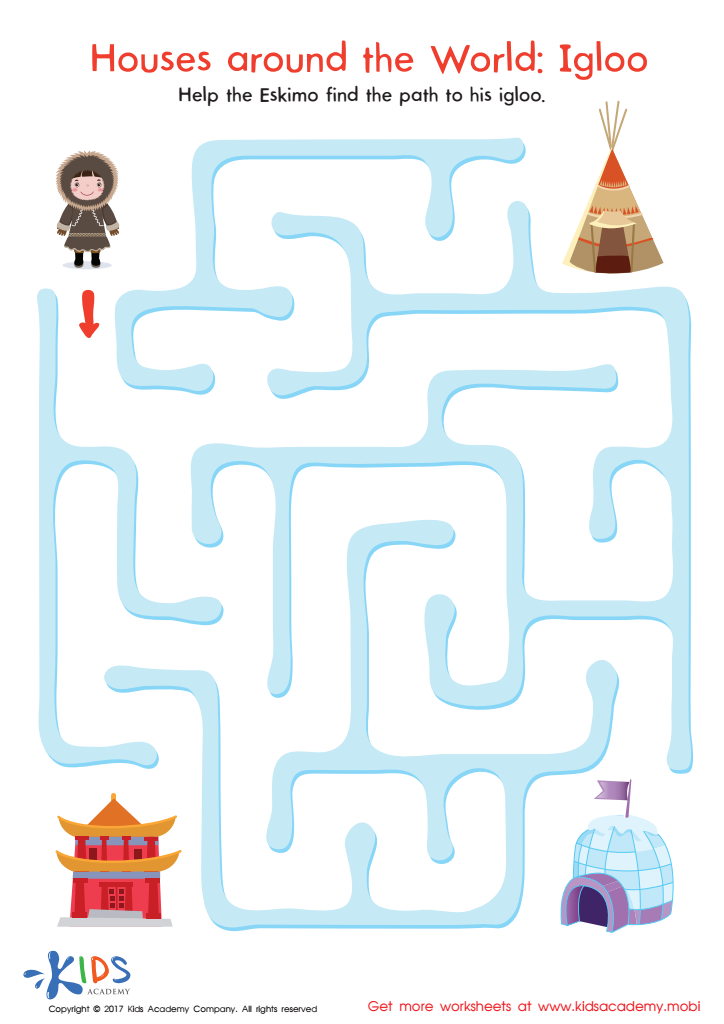
Houses Around the World: Igloo Printable








Cultural awareness for ages 6-8 is crucial as it shapes children's perceptions and social skills during their formative years. At this age, children are highly impressionable and begin to form their understanding of the world and their place in it. Exposing them to diverse cultures fosters respect, empathy, and open-mindedness. This early exposure helps prevent the development of stereotypes and prejudices, laying a foundation for more inclusive, harmonious social interactions.
When parents and teachers encourage cultural awareness, they help children appreciate differences and similarities among individuals. This understanding nurtures curiosity and broadens their worldview, enhancing cognitive development. Activities like storytelling, cultural celebrations, and introductions to various cuisines stimulate a child's imagination and engagement, making learning a lively and interactive experience.
Moreover, in a globalized world, cultural competence is a vital skill. By appreciating the rich tapestry of cultures around them, children become better equipped to navigate diverse environments in the future. They learn tolerance and adaptability, essential traits for collaboration and unity. Thus, investing in cultural awareness at an early age not only cultivates morally conscious individuals but also contributes towards creating a more inclusive society as a whole. Ensuring that children understand and respect cultural diversity today promises a more integrated and peaceful world tomorrow.








