Developing Concentration Worksheets for Ages 6-8
3 filtered results
-
From - To
Nurture your child’s focus and attention with our expertly crafted concentration worksheets for ages 6-8. Designed to boost essential learning skills, these engaging activities cover a variety of subjects, promoting better focus, problem-solving, and patience. Each worksheet is thoughtfully created to make concentrating fun and rewarding, helping young learners develop cognitive abilities that lead to academic success. Our selection includes puzzles, matching games, and exercises that challenge and inspire. Perfect for both classroom and home use, our worksheets provide a solid foundation for continued growth and learning. Unlock your child’s potential with our developing concentration worksheets today.
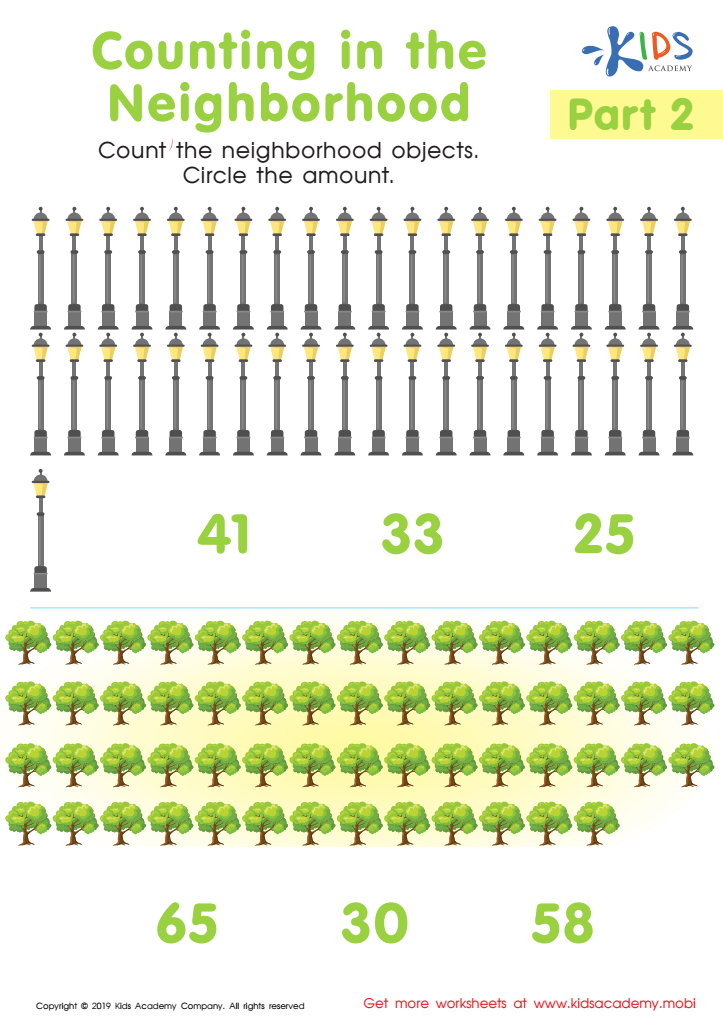
Counting In The Neighborhood Part 2 Worksheet
 Assign to My Students
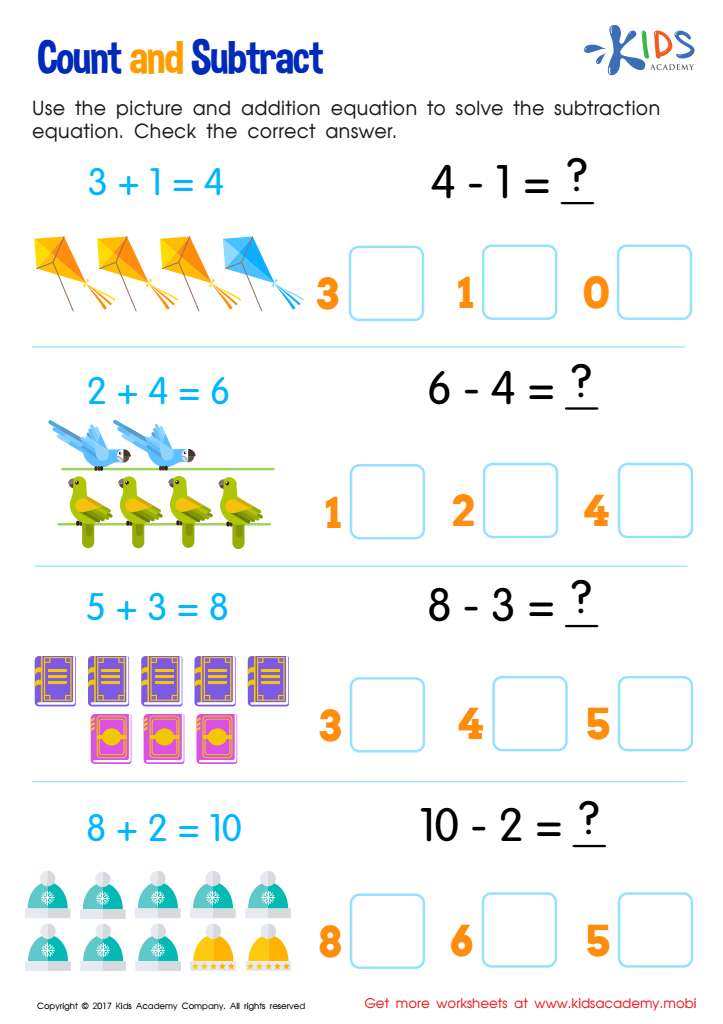
Count and Subtract Worksheet
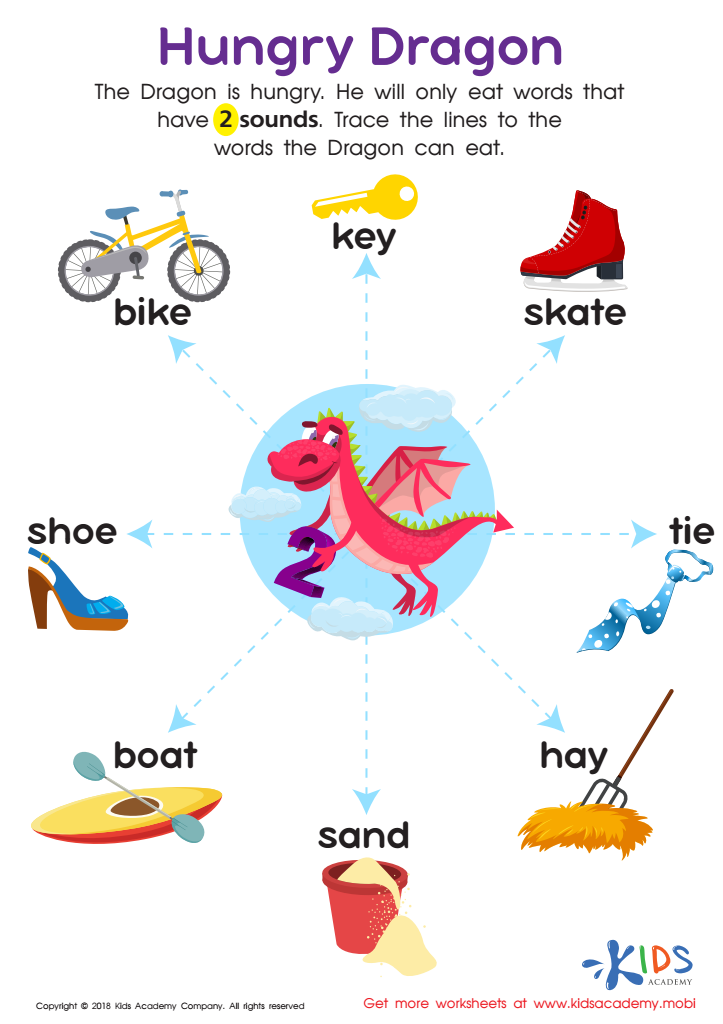
Hungry Dragon Worksheet



.jpg)


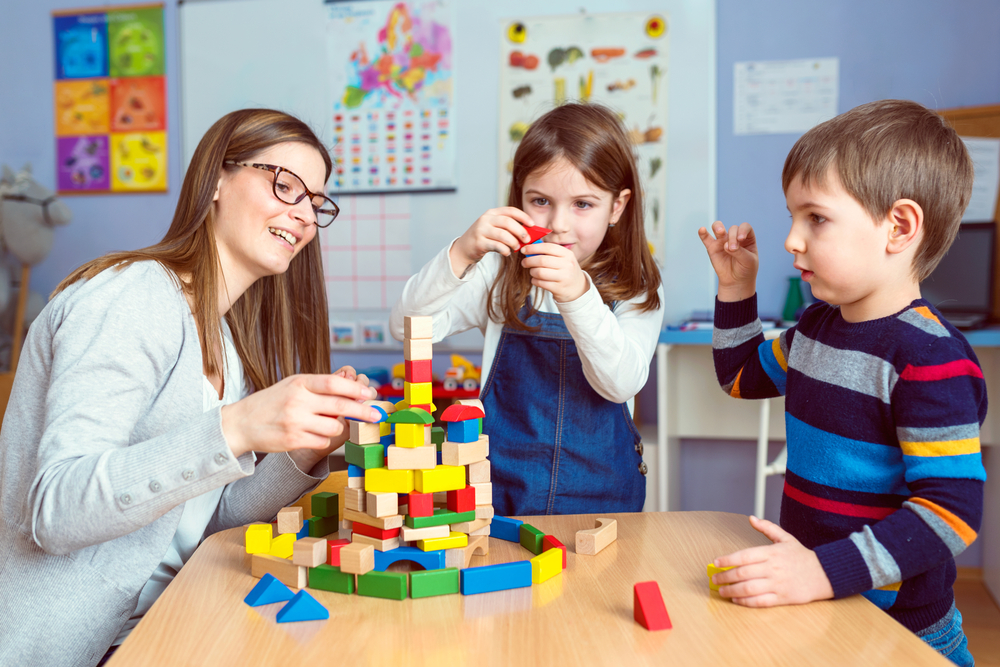
Concentration is a crucial skill for children aged 6-8, as it lays the foundation for academic success, personal development, and future life skills. At this age, children are transitioning from play-based learning in preschool to a more structured educational environment, encountering more complex tasks that require sustained attention. By fostering concentration, children can better absorb new information, comprehend reading materials, and tackle mathematics problems, all of which are critical for academic achievement.
For parents, developing their child’s concentration can lead to smoother homework routines and less frustration at home. This age is when habits start to solidify, and teaching children to focus can instill a lifelong ability to approach tasks methodically, manage time effectively, and achieve goals. Concentration also enhances children's ability to engage deeply in activities they enjoy, whether it's playing a musical instrument, building with blocks, or crafting a story. This not only supports their mental and emotional well-being but also builds their confidence and sense of accomplishment.
For teachers, promoting concentration in the classroom helps create a more harmonious and productive learning environment. When children can focus, they are less disruptive, more cooperative, and better able to engage with the material being taught. This not only aids in their own learning but also benefits their peers. Developing concentration is therefore essential for a well-rounded, successful, and enjoyable educational experience for both children and educators.








