Enhance problem-solving Worksheets for Ages 6-8
5 filtered results
-
From - To
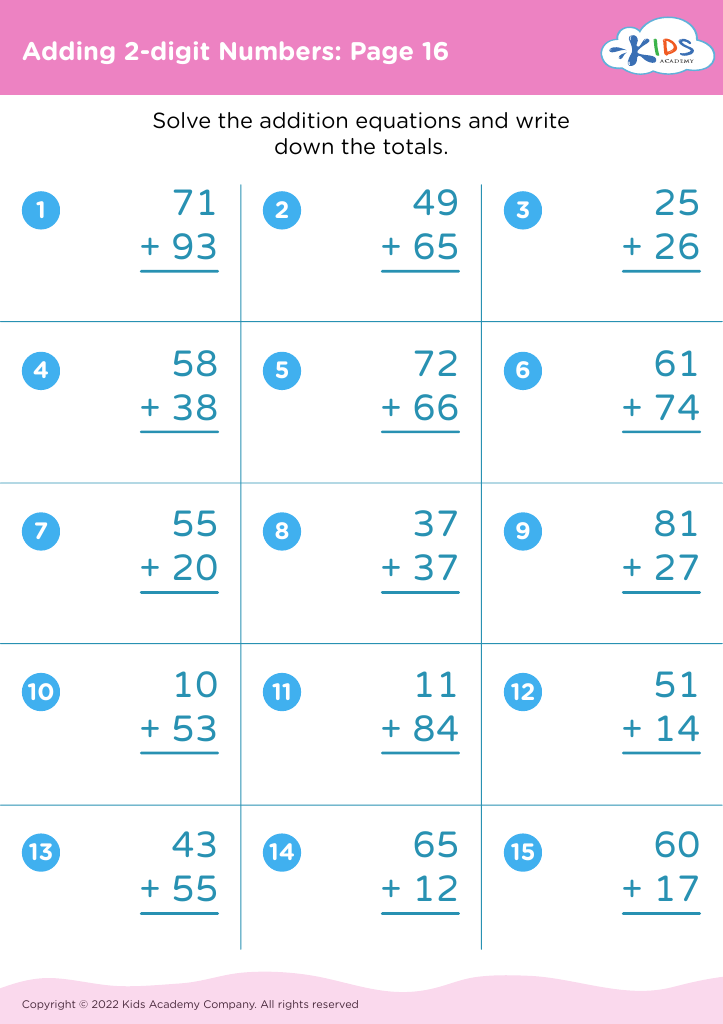
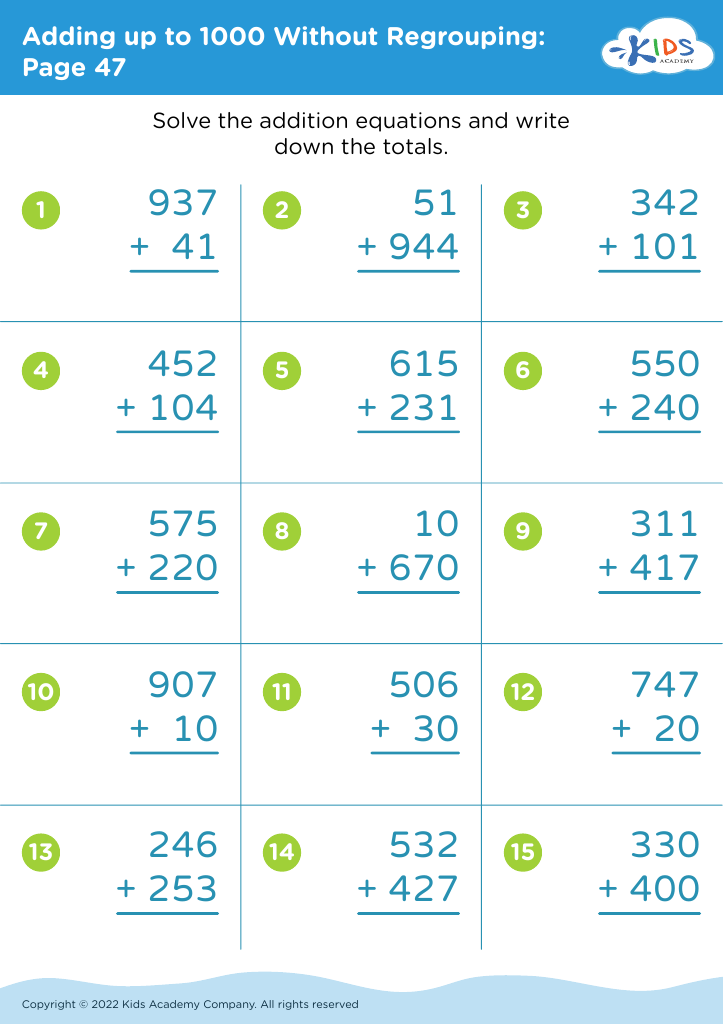
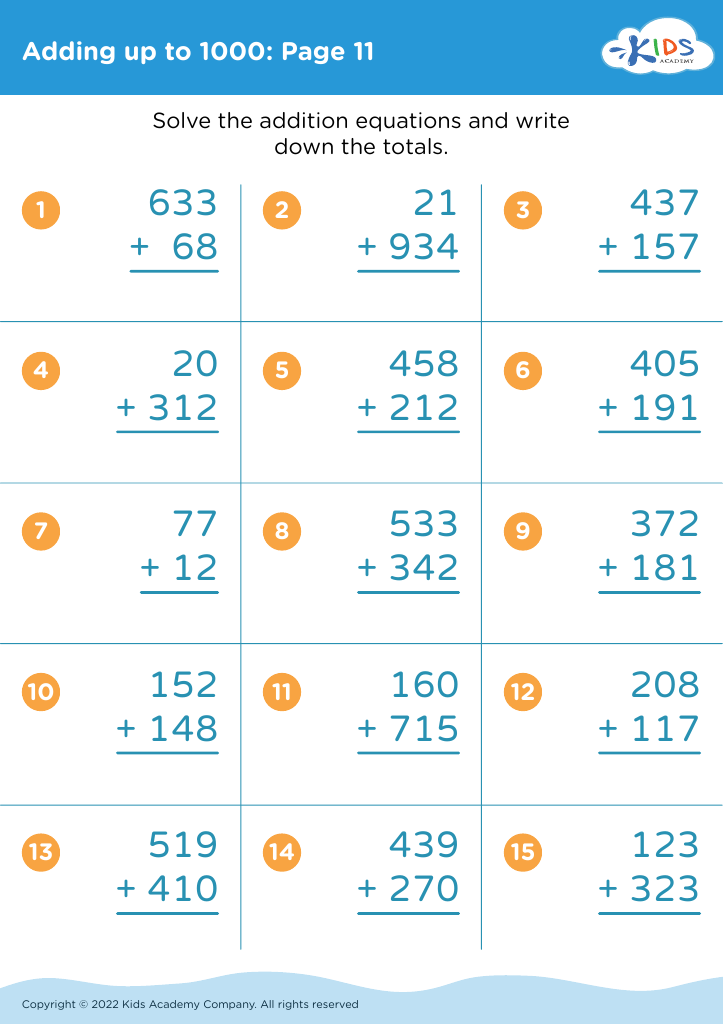
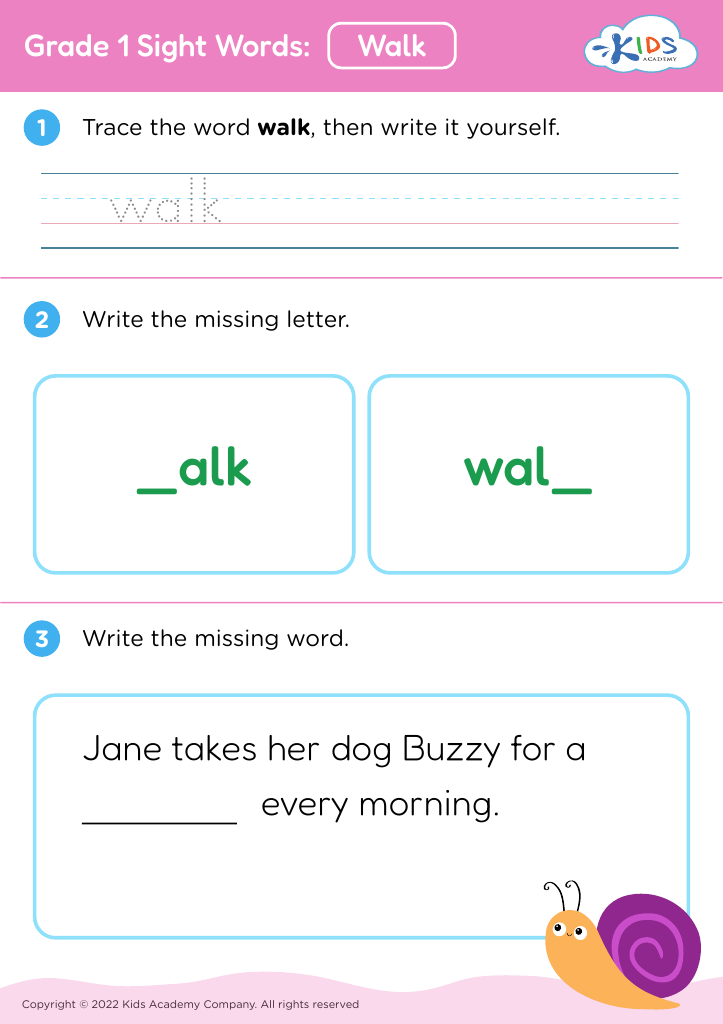
Boost your child's critical thinking skills with our Enhance Problem-Solving Worksheets designed specifically for ages 6-8! These engaging, age-appropriate worksheets provide a variety of challenges that encourage young learners to think creatively and analytically. From puzzles and riddles to word problems and strategy games, each activity promotes the development of problem-solving techniques essential for academic success. Crafted by educators, these worksheets align with developmental standards to ensure your child builds confidence while having fun. Download and print these interactive resources today, and watch your child's skills flourish as they tackle every problem and unlock their full potential!
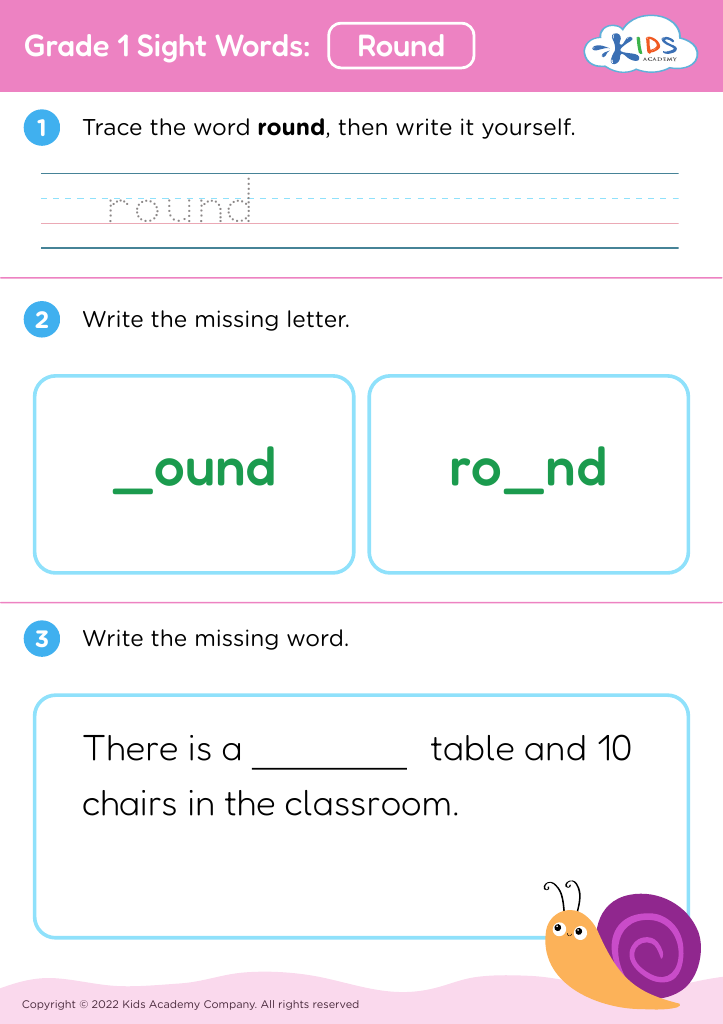






Enhancing problem-solving skills in children aged 6-8 is crucial for their overall development and future success. At this age, children are increasingly exposed to complex situations that require logical thinking and creativity. By fostering their ability to solve problems, parents and teachers equip them with essential life skills, such as critical thinking, resilience, and adaptability.
Developing problem-solving skills at a young age encourages children to think independently and approach challenges with confidence. It encourages a growth mindset, where failure is viewed as a learning opportunity rather than a setback. This ability to analyze situations and develop solutions translates to better academic performance and prepares them for real-world challenges.
Furthermore, engaging children in problem-solving activities supports their social and emotional development. Collaborative problem solving enhances their communication and teamwork skills, teaching them how to respect diverse perspectives and work towards a common goal.
Ultimately, nurturing these skills provides children with the tools they need to navigate life's obstacles, equipping them not just for academic success, but also for meaningful interactions and personal achievements throughout their lives. Therefore, parents and teachers have a vital role in fostering problem-solving abilities during these formative years.








