Enhance your child’s fine motor skills with our engaging worksheets designed specifically for ages 6-8. These fun, printable activities challenge kids to practice important dexterity tasks, including tracing, cutting, and drawing. Focused on strengthening hand-eye coordination and dexterity, our worksheets promote both creativity and skill development. Ideal for homeschooling or supplementing classroom learning, these exercises help children refine their abilities while enjoying the learning process. Encourage your child's growth in essential motor skills that are vital for writing, crafting, and everyday tasks. Explore our comprehensive collection and watch your young learner’s confidence and dexterity flourish!

Check out this FREE "Fine motor skills improvement" Trial Lesson for age 6-8!

S

Favorites
With answer key
Interactive
  • 6-8
  • Fine motor skills improvement
My Colorful Name Worksheet

My Colorful Name Worksheet

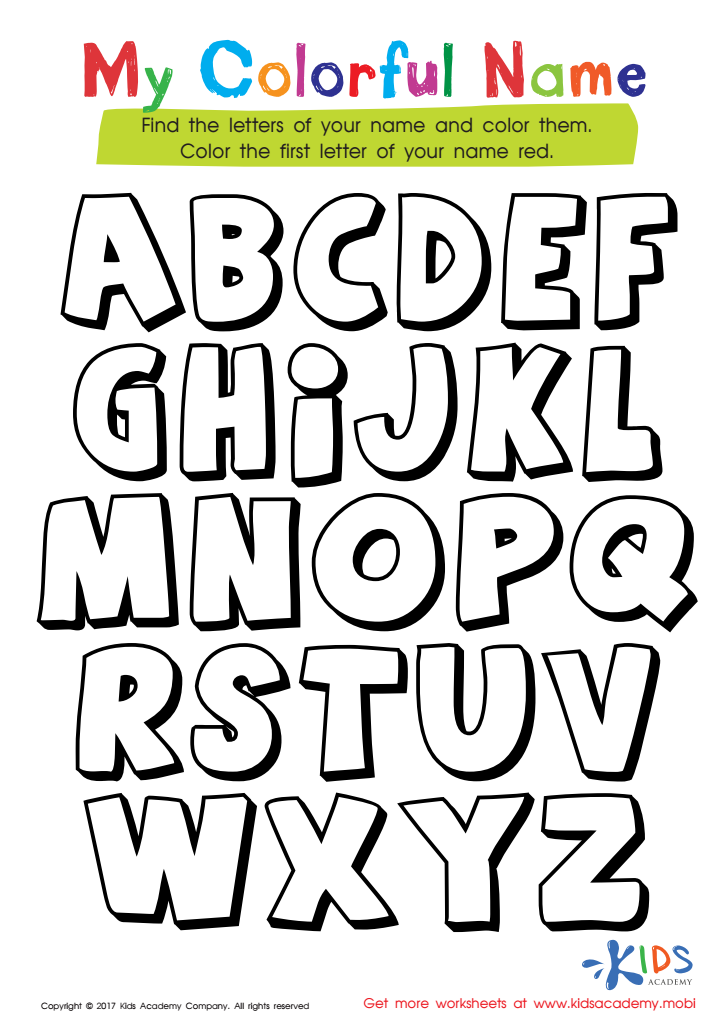
Writing their names is a milestone for children. With this worksheet, they recall the letters in their name and color the letters one at a time. Spelling and alphabet order are reinforced as they find each letter. Use this fun printable to help kids learn to write their names!
Download (PDF)
Assign to My Students
My Colorful Name Worksheet
Worksheet
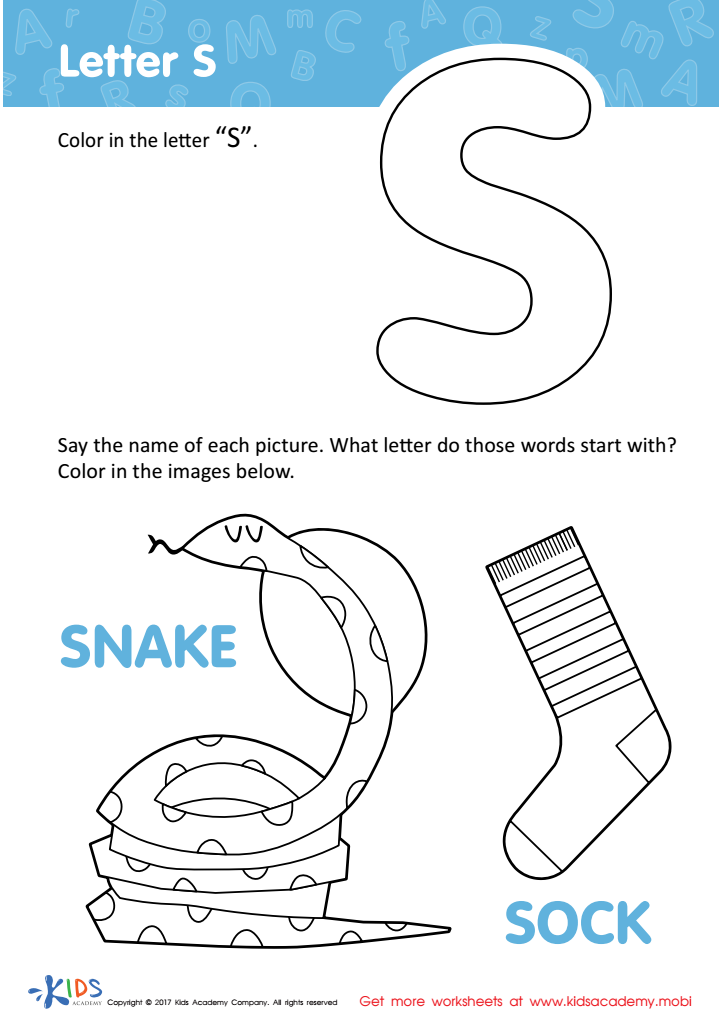
Letter S Coloring Page

Letter S Coloring Sheet

Help your child practice recognizing the letter "S" and the sound it makes with this fun coloring page. It features a slippery snake, smelly sock and more! Give them extra practice by coming up with more "S" sounds and words.
Download (PDF)
Assign to My Students
Letter S Coloring Sheet
Worksheet
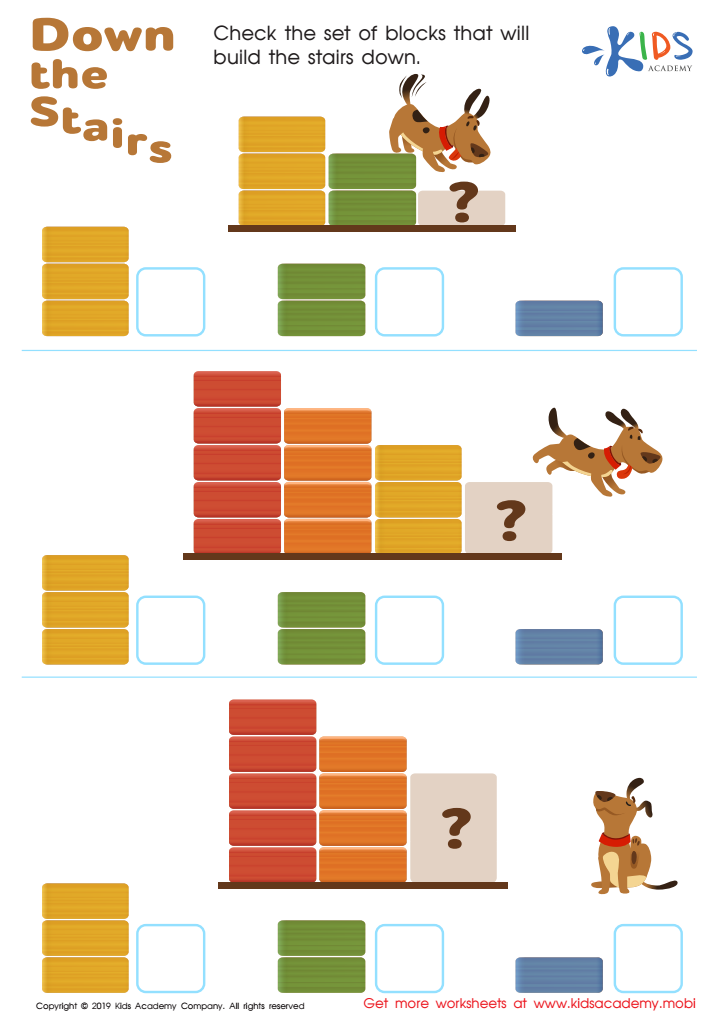
Down the Stairs Worksheet

Down the Stairs Worksheet

Let your kids' imaginations run wild with this worksheet featuring a cute and friendly dog! Ask them to point out the dog in the printout, then help count the blocks in each set. Aim to stack them in descending order and build stairs for the pup to get down. Count each block and check the set - it's that easy!
Down the Stairs Worksheet
Worksheet
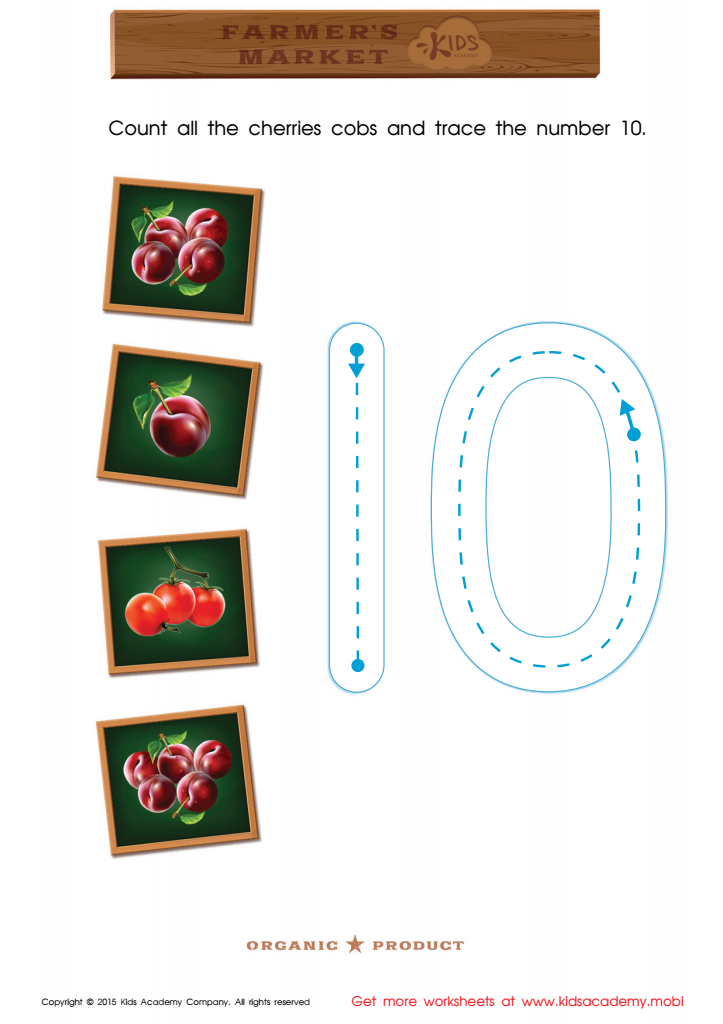
Math Game: Count the Cherries and Trace the Number 10

Count the Cherries and Trace the Number 10 Printable
Download this fun math and number worksheet to help your kid practice counting and tracing. Reinforce addition facts and handwriting skills while counting sweet cherries. Check out Kids Academy for more free printable worksheets by topic.
Count the Cherries and Trace the Number 10 Printable
Worksheet
Cursive ABCs: Lowercase e

Cursive ABCs: Lowercase e

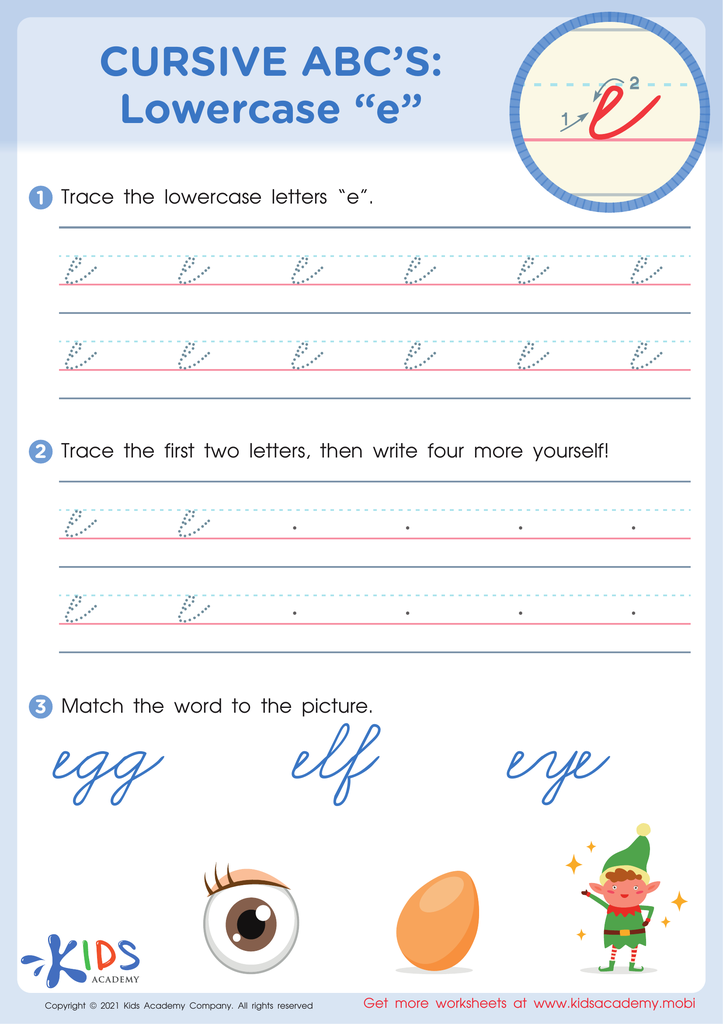
Traceable worksheets are great for kids wanting to practice writing alphabet letters. Help them improve their skills by tracing dotted lines to form 'e', then writing it on their own. They'll also learn new words beginning with letters of the alphabet.
Cursive ABCs: Lowercase e
Worksheet
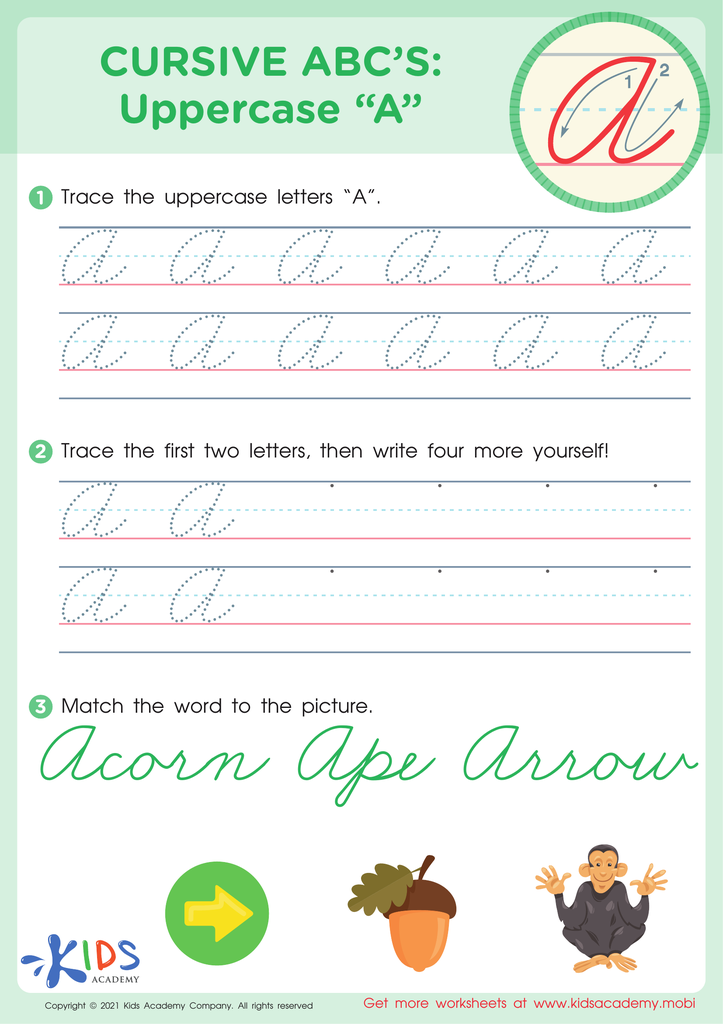
Cursive ABCs: Uppercase A

Cursive ABCs: Uppercase A

Help your kids develop their writing skills with our great tracing sheets. Improve their motor skills, as well as their vocabulary, by guiding them through tracing the dotted lines for the uppercase letters of the alphabet. When they are ready, let them practice writing the letters on their own for improved confidence.
Cursive ABCs: Uppercase A
Worksheet
Check Memory Worksheet

Check Memory Worksheet

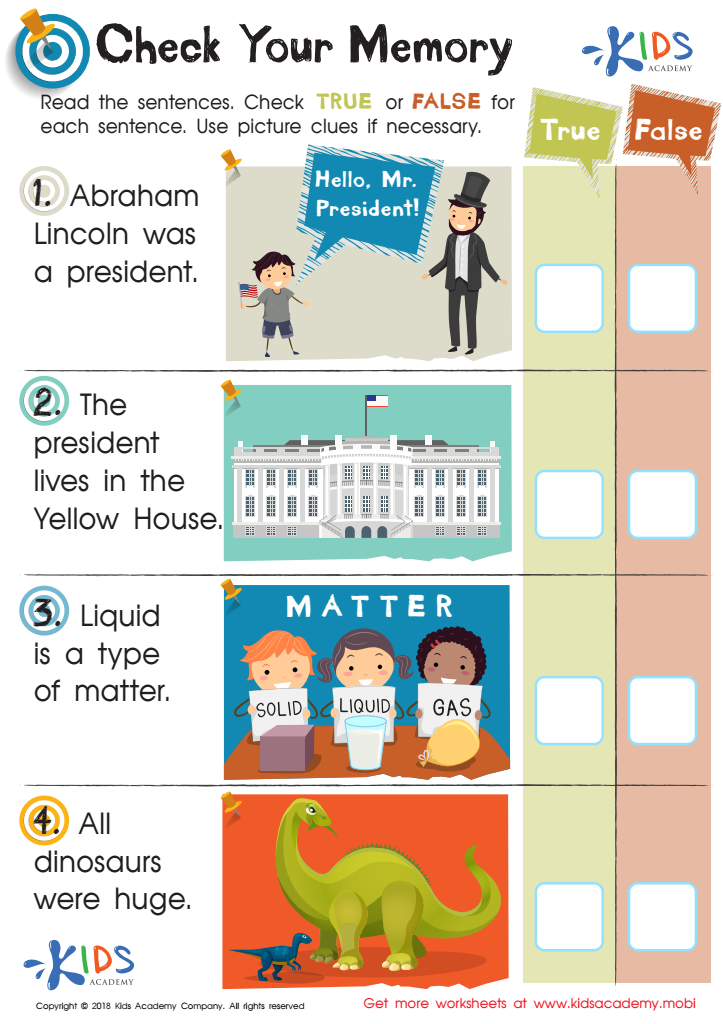
Assisting your kids with their homework and using worksheets is a great way for them to learn. The vibrant visuals in this printout can help stimulate the mind and motivate your child. Have them read the sentences and then point to the associated images. Afterwards, ask them to state True or False for each sentence. If they are still uncertain, offer them the picture clues to assist further.
Check Memory Worksheet
Worksheet


Fine motor skills involve the use of small muscles in the hands and fingers to perform tasks that require coordination and precision. For children ages 6-8, the development of these skills is crucial as they form the foundation for various daily activities and academic achievements.

Firstly, improved fine motor skills enhance a child’s ability to write neatly, which directly influences their performance in school. Well-developed skills facilitate better control over writing instruments, aiding in clearer, more legible handwriting. This not only impacts academic success but also builds a child’s confidence in their abilities.

Secondly, fine motor skills are integral to self-care routines. Tasks such as buttoning shirts, tying shoelaces, and using utensils become manageable as these skills progress, promoting independence and self-esteem.

Moreover, fine motor development plays a critical role in cognitive development. Engaging children in activities like drawing, cutting, or playing with construction toys stimulates brain regions linked to problem-solving and creativity.

Ultimately, by prioritizing fine motor skills through focused activities and play, parents and teachers can equip children with essential tools for lifelong learning, fostering not just motor proficiency but holistic growth in social and cognitive realms as well.