Graph interpretation Worksheets for Ages 6-8
5 filtered results
-
From - To
Discover engaging Graph Interpretation Worksheets tailored for ages 6-8 at Kids Academy! Our expertly designed worksheets make learning fun and interactive, helping young minds master essential skills like identifying different types of graphs, interpreting data, and drawing conclusions. With colorful, kid-friendly activities, children will develop their analytical abilities while enjoying hands-on practice. Perfect for classroom or home use, these worksheets offer a fantastic way to enhance critical thinking and problem-solving skills. Empower your child's learning journey with our exceptional graph interpretation resources today! Visit Kids Academy to explore our full range of educational materials.
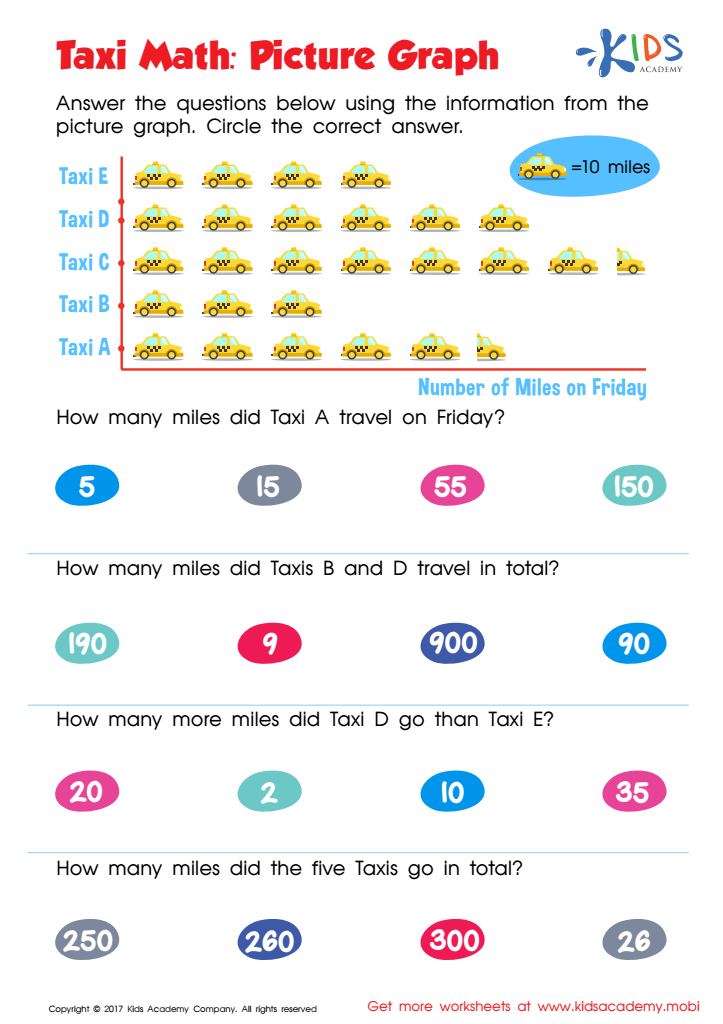
Taxi Math Worksheet
 Assign to My Students
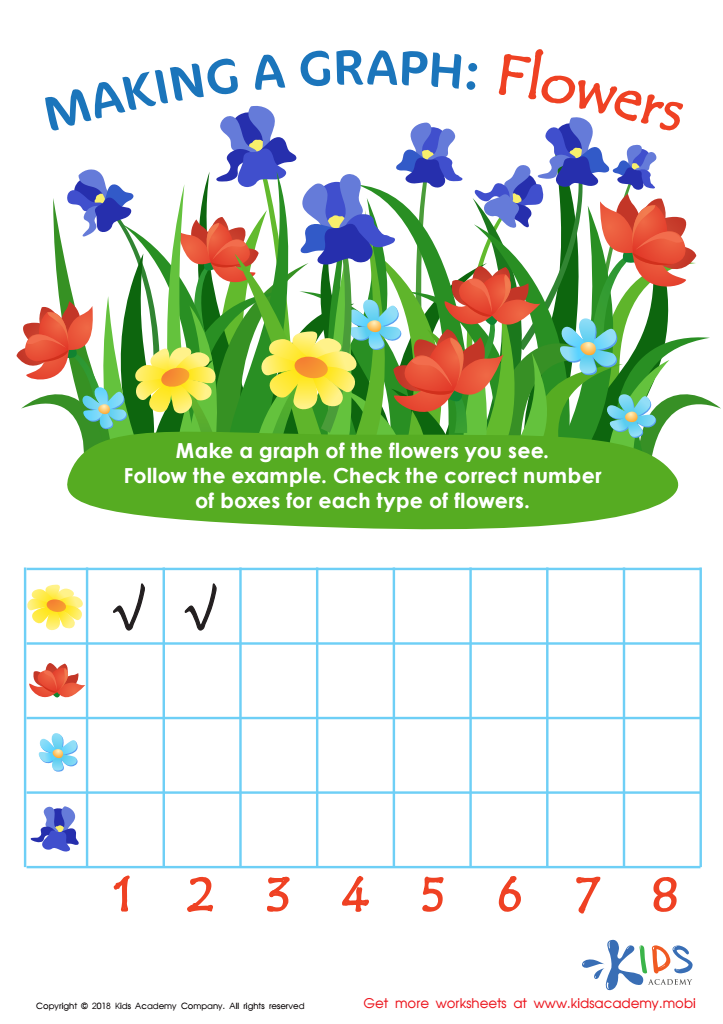
Making a Graph: Flowers Worksheet
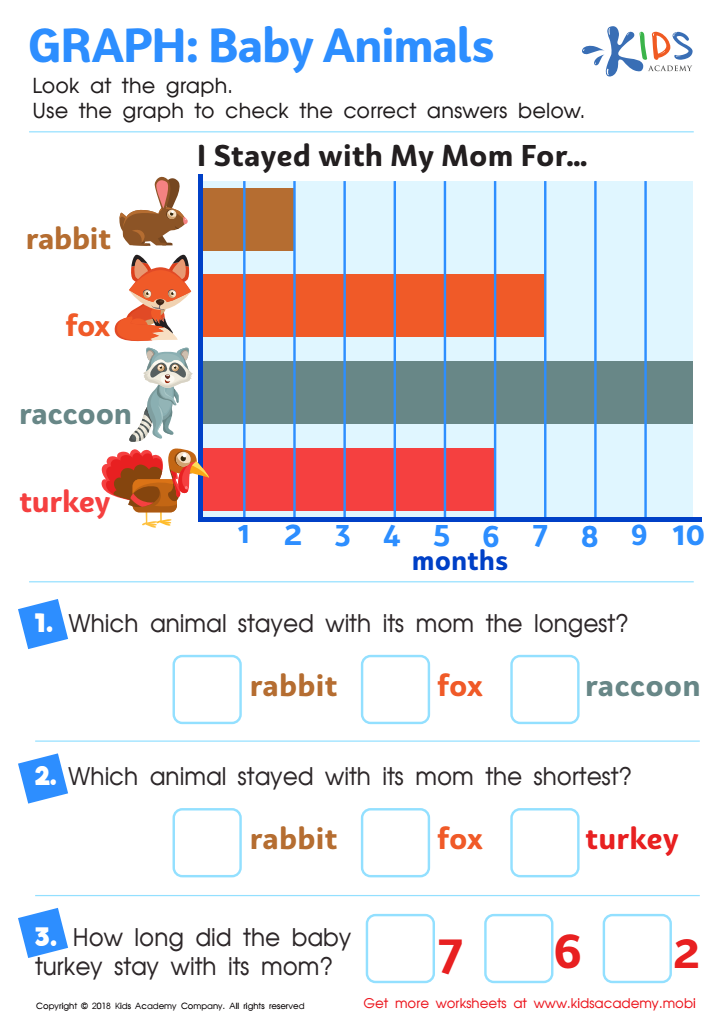
Graph: Baby Animals Worksheet
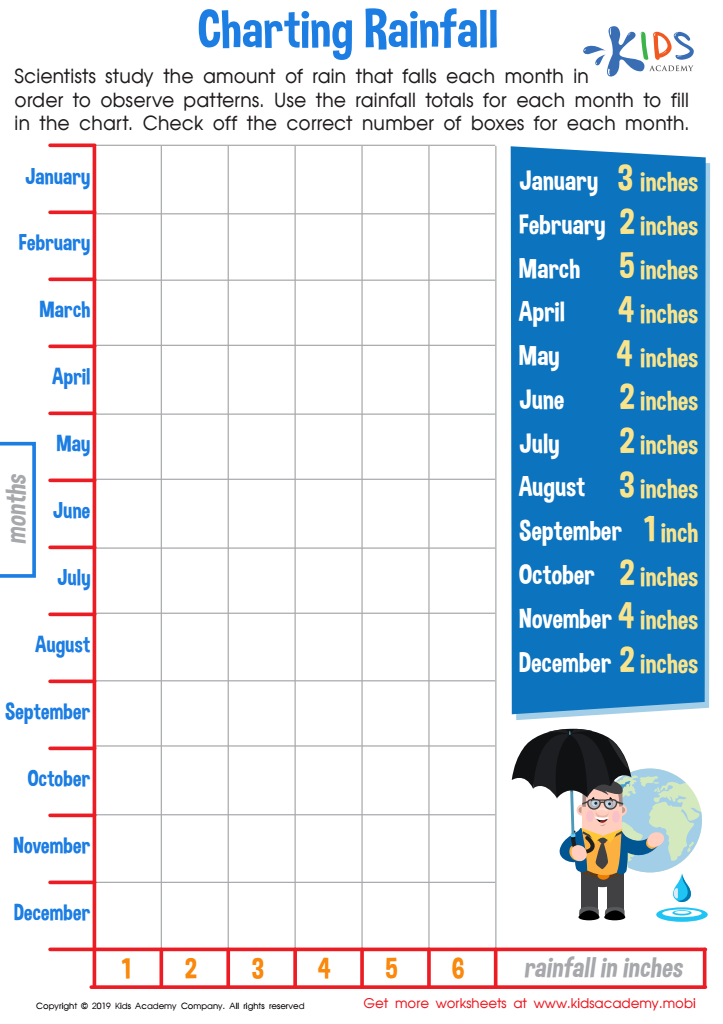
Charting Rainfall Worksheet
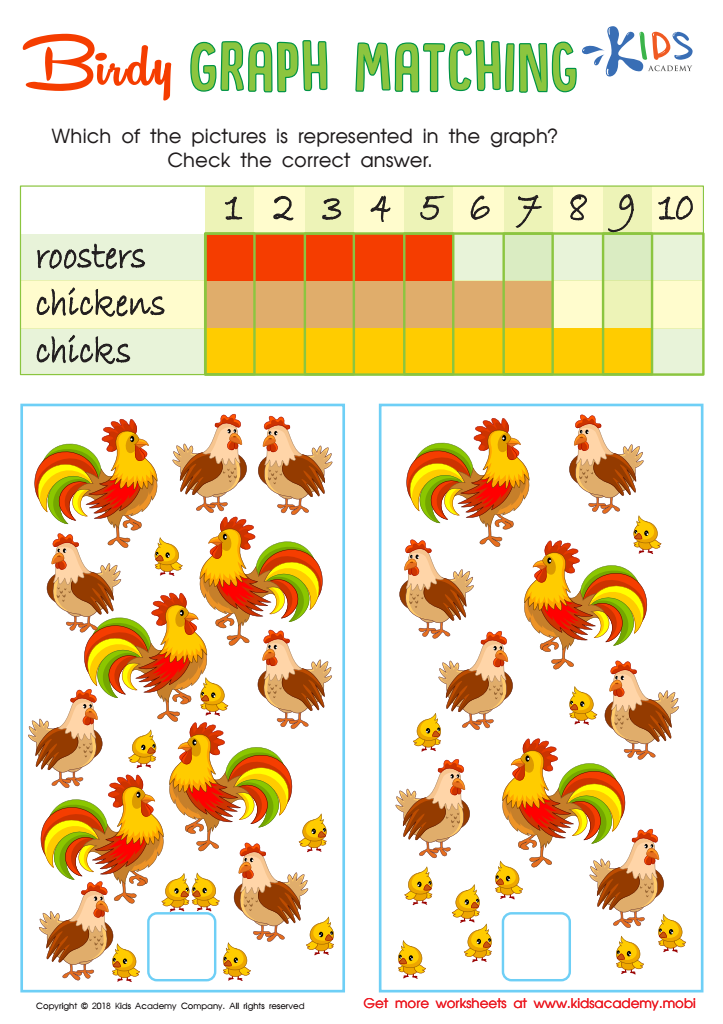
Birdy Graph Matching Worksheet







Graph interpretation is a critical skill for young learners in the 6-8 age group, and it holds a multitude of benefits that parents and teachers should deeply care about. At this formative stage, children are developing foundational cognitive skills that set the stage for future learning. By introducing graph interpretation early on, we equip them with the ability to understand, analyze, and visualize data, which is increasingly important in our information-rich world.
Firstly, graphs provide a visual way to represent numerical information, making abstract concepts more concrete for young minds. This visual representation aids in the comprehension of numbers and patterns, fostering early mathematical skills. Furthermore, interpreting graphs teaches critical thinking. Children learn to observe trends, compare data points, and draw conclusions, which enhances problem-solving abilities.
Secondly, graph interpretation encourages curiosity and engagement. Kids often find visuals more interesting than plain text or numbers, making learning more enjoyable and stimulating. When children understand how to read graphs, they can apply this skill across subjects, from science to social studies, thus enhancing interdisciplinary learning.
Lastly, fostering these skills early builds a confident learner. Mastery of graphs can boost self-esteem as children feel competent in handling real-world data, preparing them for more complex tasks in later grades. Therefore, investing in graph interpretation at ages 6-8 paves the way for lifelong analytical and critical skills development.








