Improve handwriting skills Worksheets for Ages 6-8
3 filtered results
-
From - To
Boost your child’s confidence in writing with our "Improve Handwriting Skills Worksheets for Ages 6-8". These engaging and educational worksheets are specially designed to enhance fine motor skills, letter formation, and penmanship. Tailored for young learners, our activities offer a playful approach to mastering spaced alignment, consistent sizing, and the fluidity of writing. Each sheet encourages practice with fun themes and step-by-step instructions, suitable for home or classroom use. Make handwriting practice enjoyable and effective, setting the foundation for academic success and clear, legible writing. Explore now to foster your child's handwriting excellence!
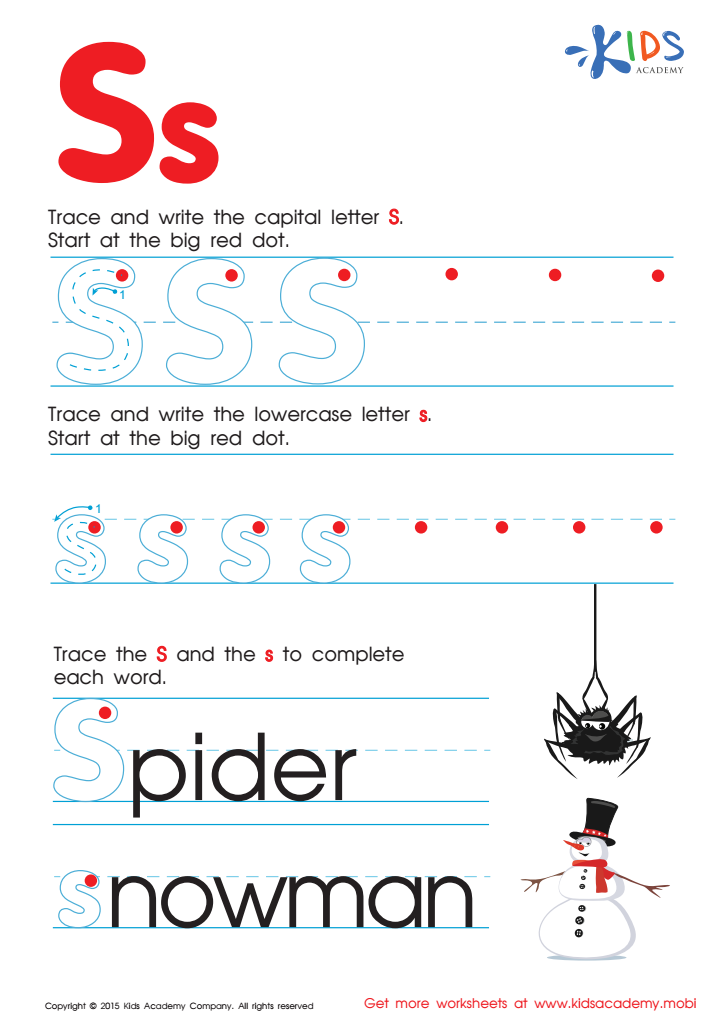
Letter S Tracing Page
 Assign to My Students
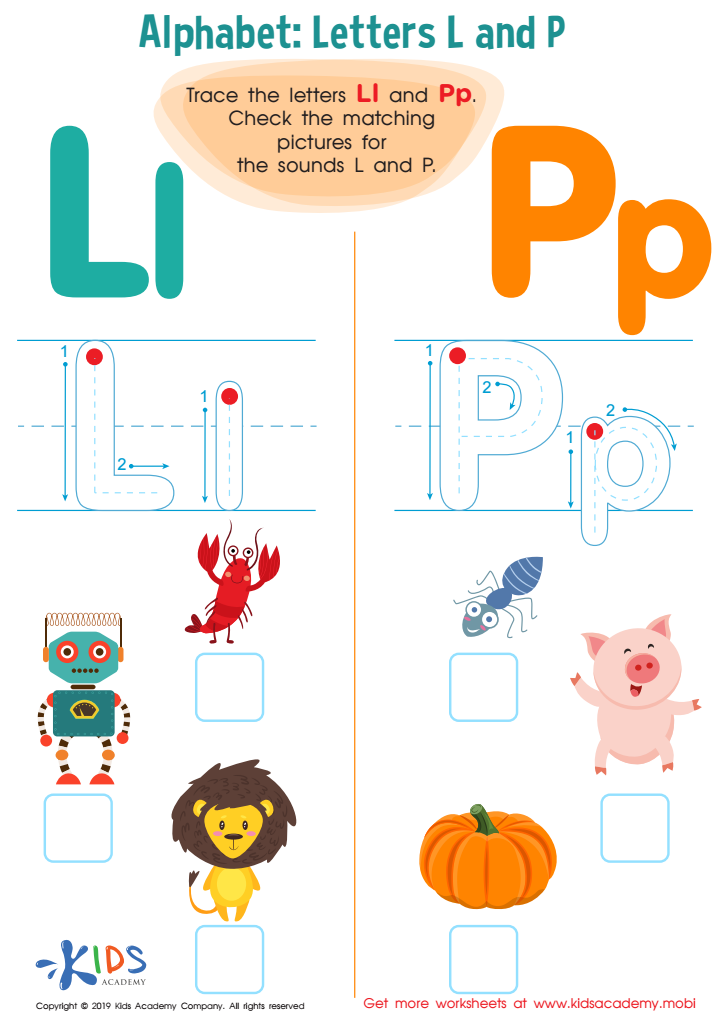
Letter L and P Tracing Worksheet








Improving handwriting skills in children aged 6-8 is crucial for several compelling reasons. Firstly, this is a foundational period for fine motor development. Good handwriting practices enhance motor coordination, aiding in the dexterity needed for other activities such as tying shoelaces and using eating utensils.
Secondly, legible handwriting is integral to effective communication. Children with clear handwriting can more easily express their thoughts and ideas, which bolsters their self-esteem and academic performance. Teachers can readily understand and assess the work, reducing the likelihood of misinterpretation.
Thirdly, engaging children in handwriting activities encourages patience, focus, and attention to detail. These skills transfer to other academic subjects and aspects of life, promoting overall better learning habits. It also can make the learning process for children more enjoyable, as they may feel more confident and less frustrated when their writing effectively conveys their ideas.
Finally, in a world increasingly dominated by digital devices, practicing handwriting helps maintain a critical balance between traditional skills and modern-day needs. Handwriting stimulates brain development related to thought expression, reading comprehension, and memory retention in ways that typing does not.
In summary, prioritizing handwriting development during these formative years lays a strong foundation for academic achievement and personal growth.








