Boost number recognition skills with our engaging worksheets designed for kids ages 6-8. These interactive resources from Kids Academy focus on enhancing learning through fun, targeted activities. Your child will enjoy a variety of exercises that develop their ability to identify and understand numbers, ensuring a solid foundation for future math success. The colorful and creative designs capture young learners' attention, turning learning into an exciting adventure. Ideal for home or classroom use, these worksheets support teachers and parents in providing essential practice in a crucial area of early education. Start improving number recognition skills today!
Check out this FREE "Improve number recognition" Trial Lesson for age 6-8!

Match Exactly the Same

Favorites
With answer key
Interactive
  • 6-8
  • Improve number recognition
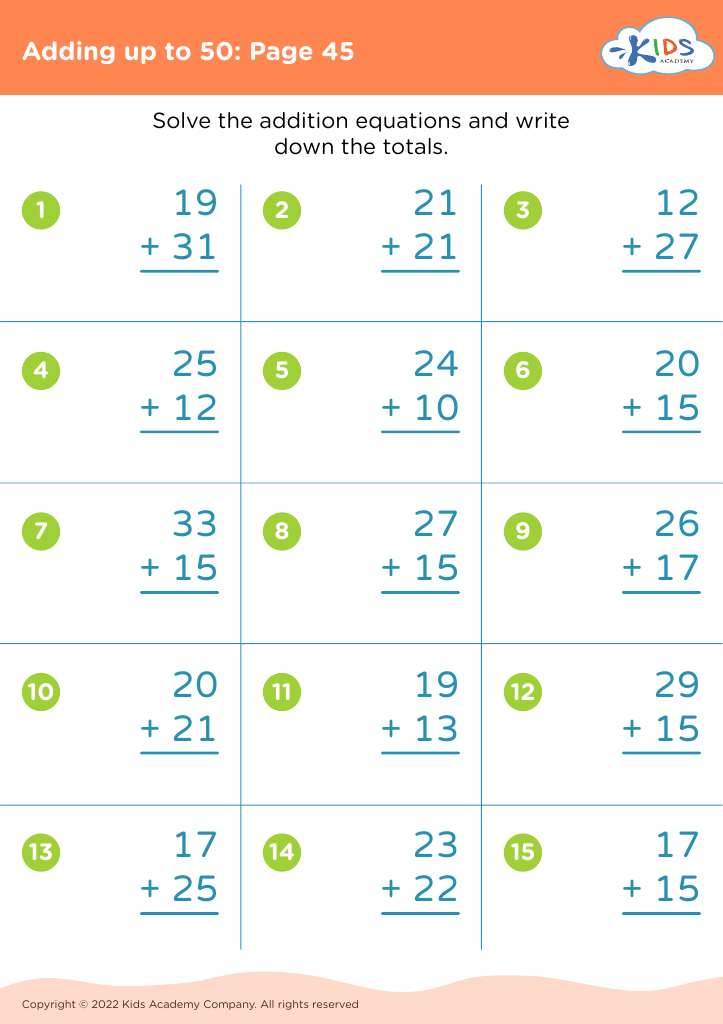
Adding up to 50: Page 45

Adding up to 50: Page 45

Adding up to 50: Page 45
Worksheet
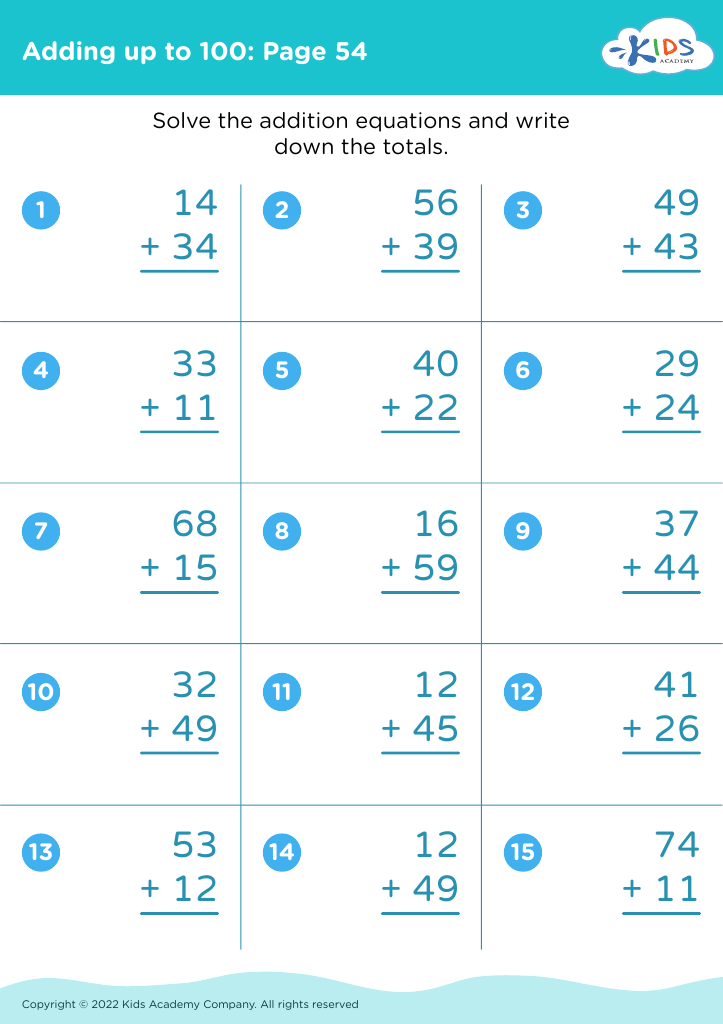
Adding up to 100: Page 54

Adding up to 100: Page 54

Adding up to 100: Page 54
Worksheet
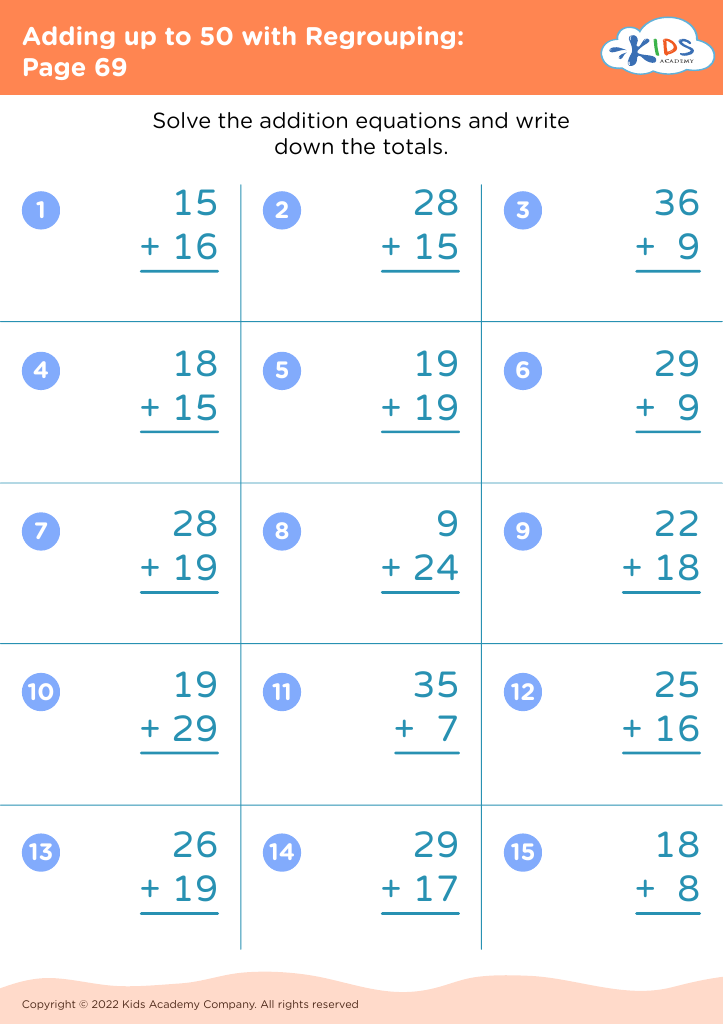
Adding up to 50 with Regrouping: Page 69
Worksheet
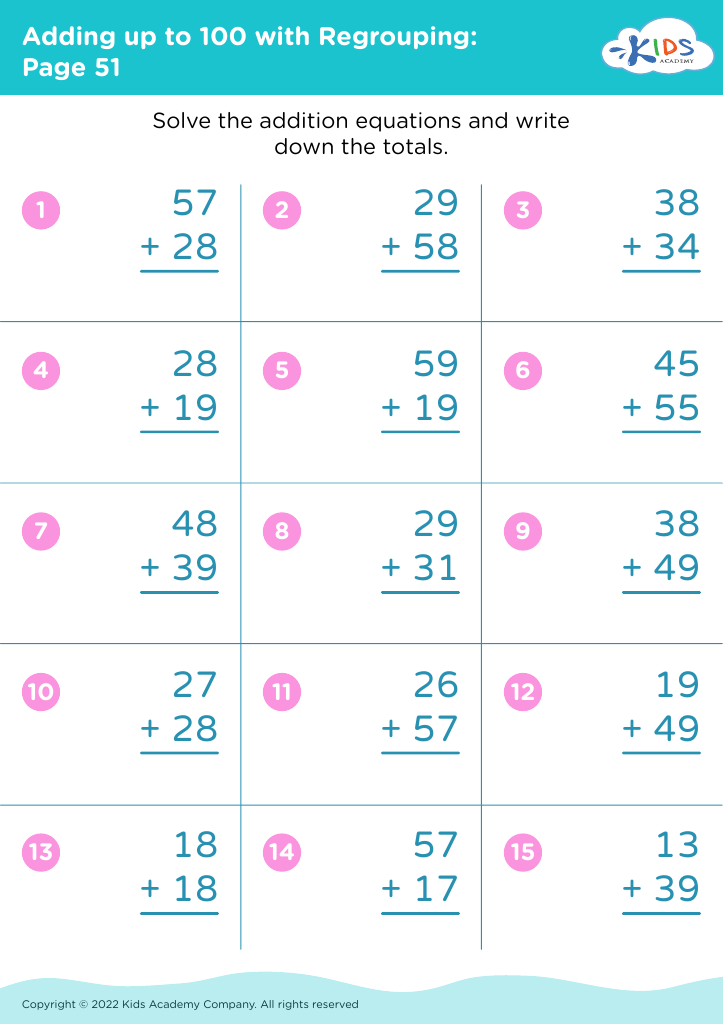
Adding up to 100 with Regrouping: Page 51
Worksheet
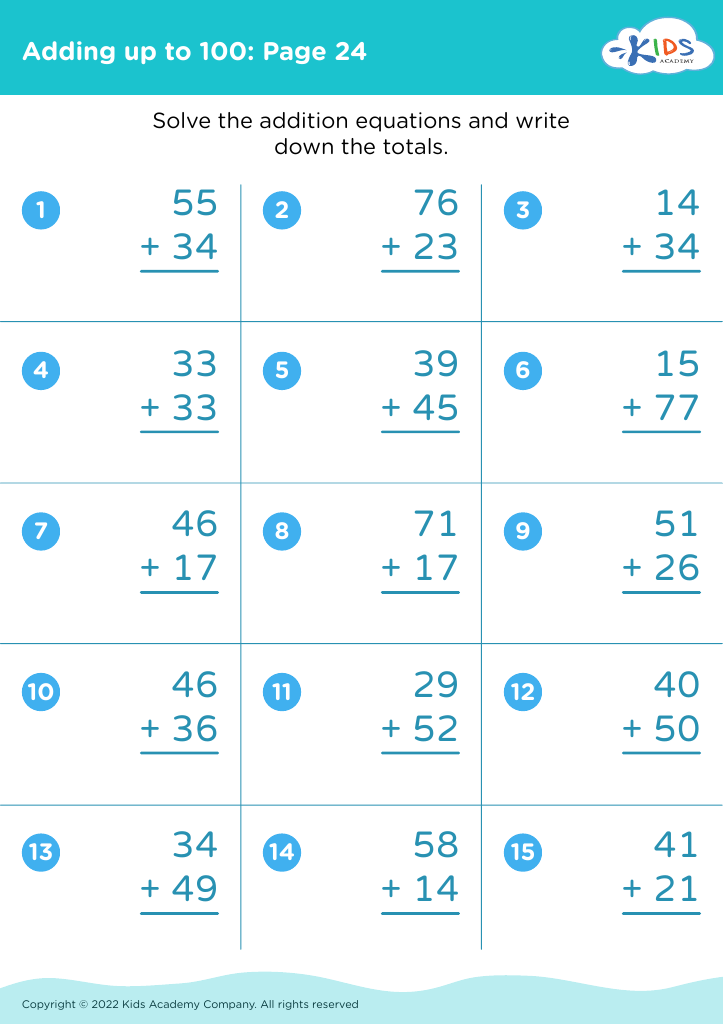
Adding up to 100: Page 24

Adding up to 100: Page 24

Adding up to 100: Page 24
Worksheet
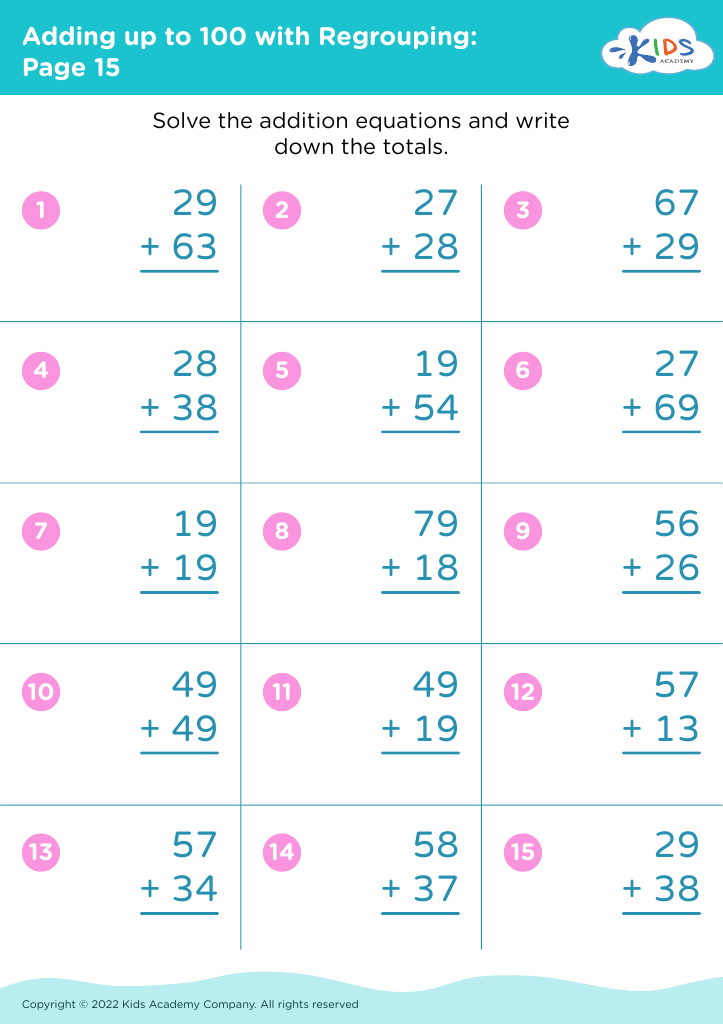
Adding up to 100 with Regrouping: Page 15
Worksheet
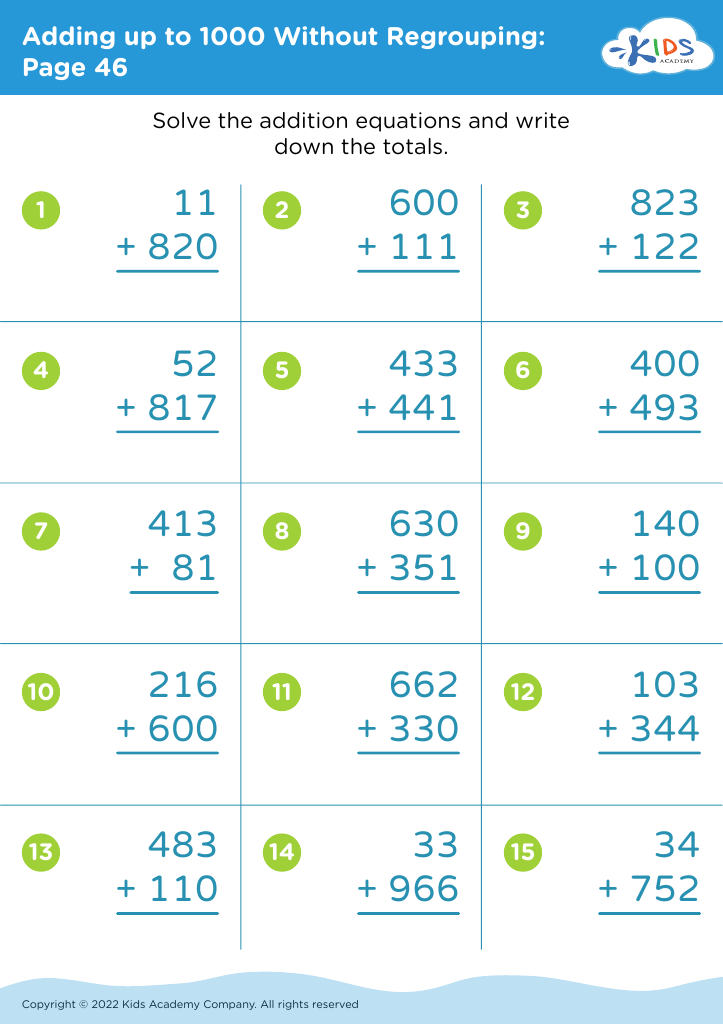
Adding up to 1000 Without Regrouping: Page 46
Worksheet
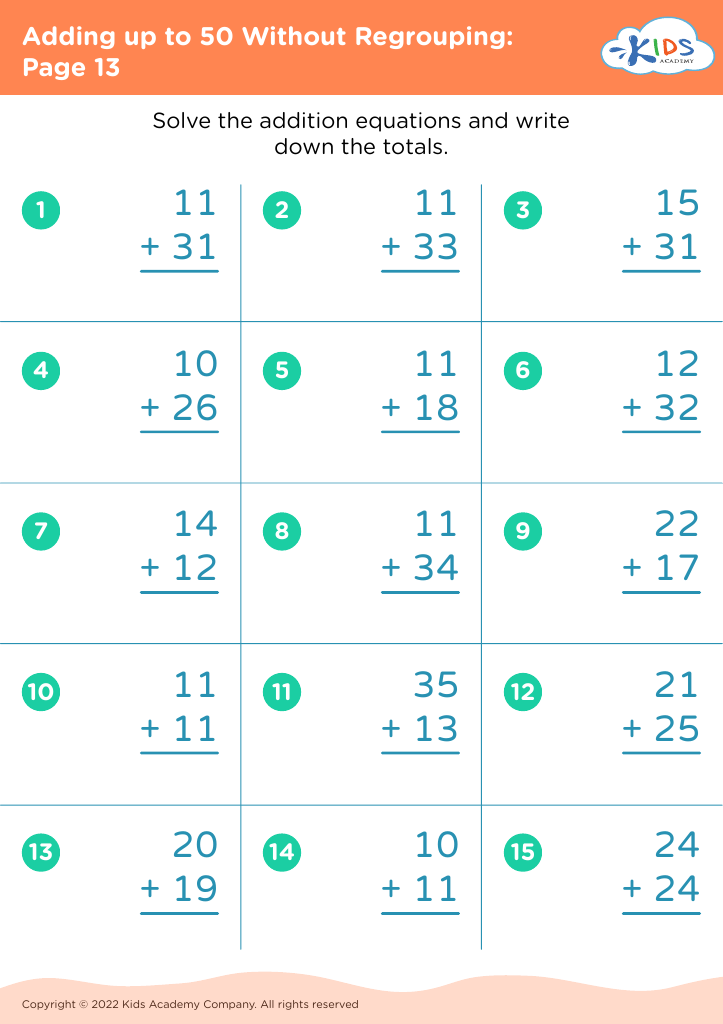
Adding up to 50 Without Regrouping: Page 13
Worksheet
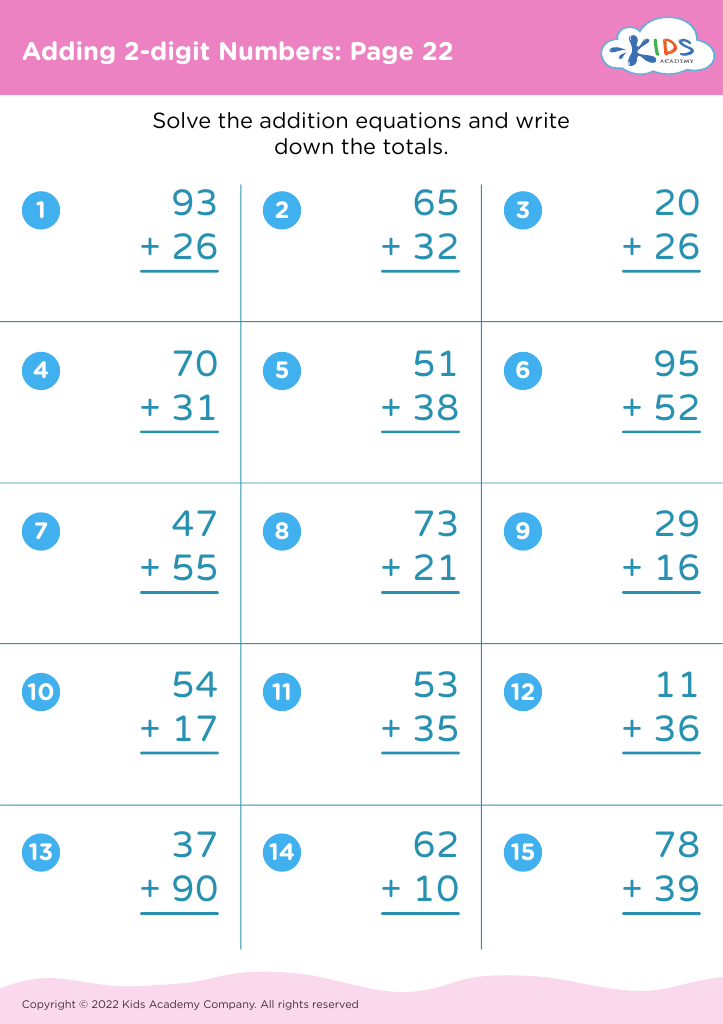
Adding 2-digit Numbers: Page 22

Adding 2-digit Numbers: Page 22

Adding 2-digit Numbers: Page 22
Worksheet
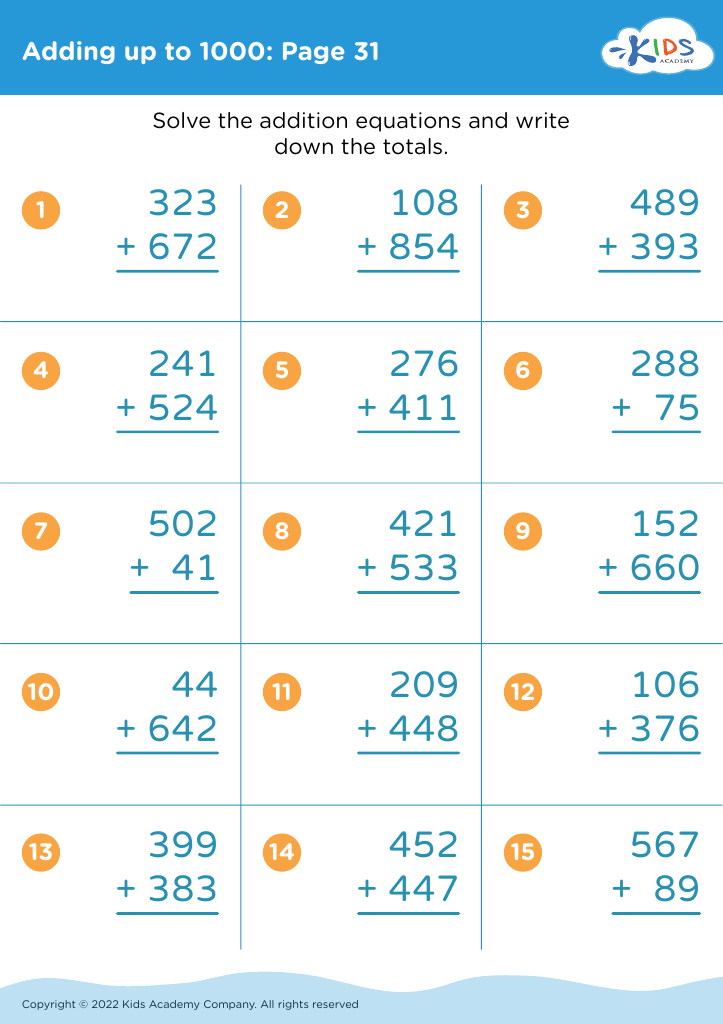
Adding up to 1000: Page 31

Adding up to 1000: Page 31

Adding up to 1000: Page 31
Worksheet
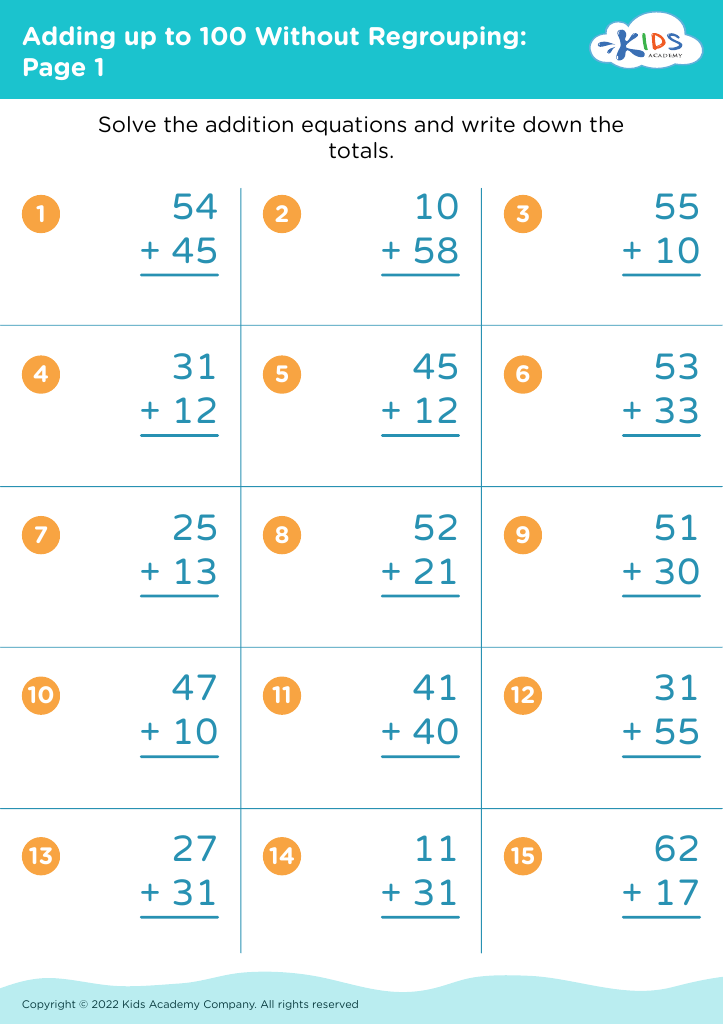
Adding up to 100 Without Regrouping: Page 1
Worksheet
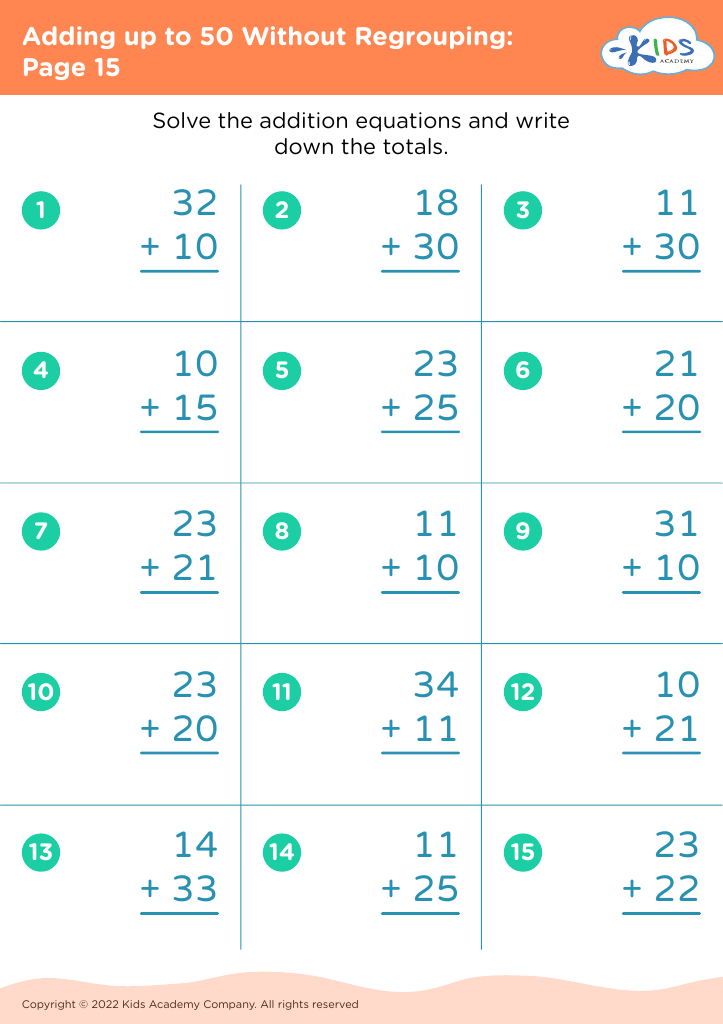
Adding up to 50 Without Regrouping: Page 15
Worksheet
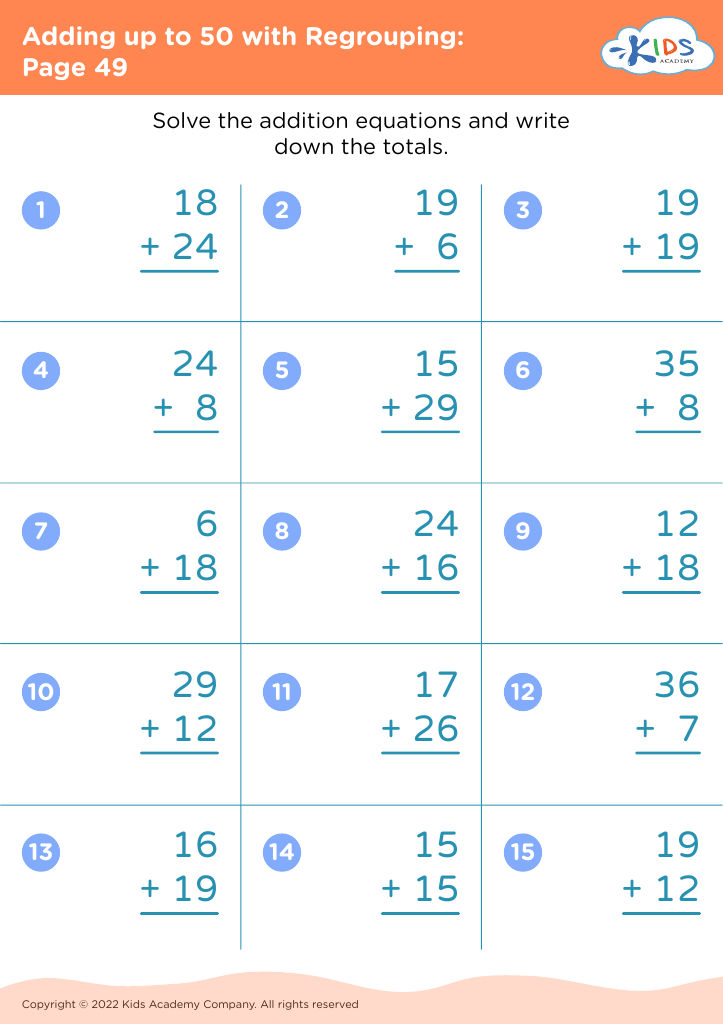
Adding up to 50 with Regrouping: Page 49
Worksheet
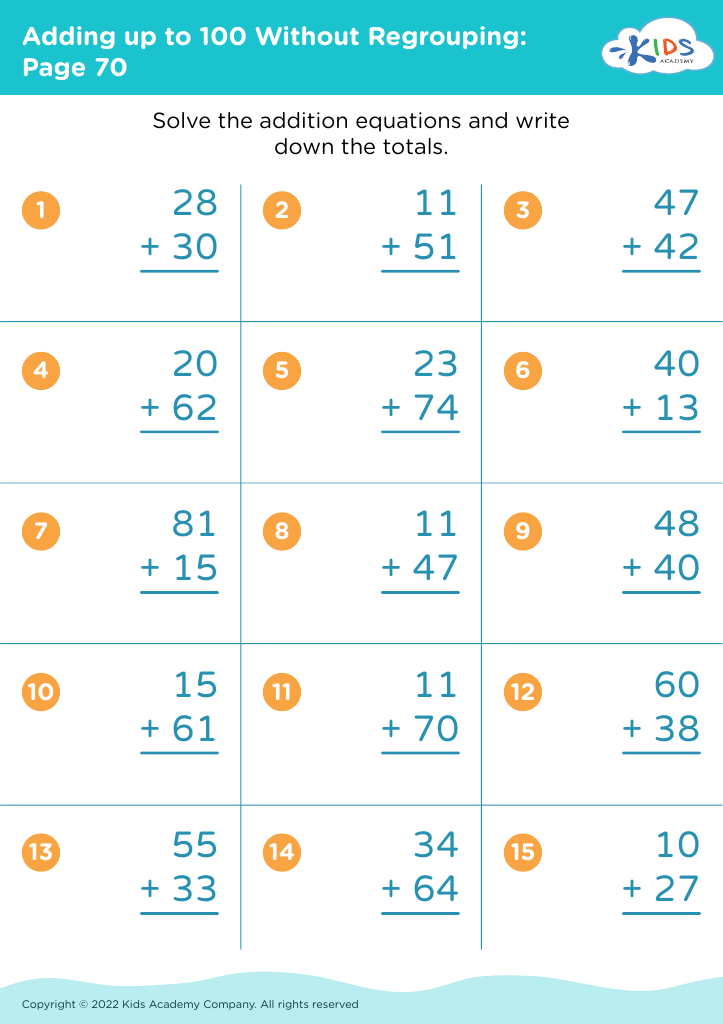
Adding up to 100 Without Regrouping: Page 70
Worksheet
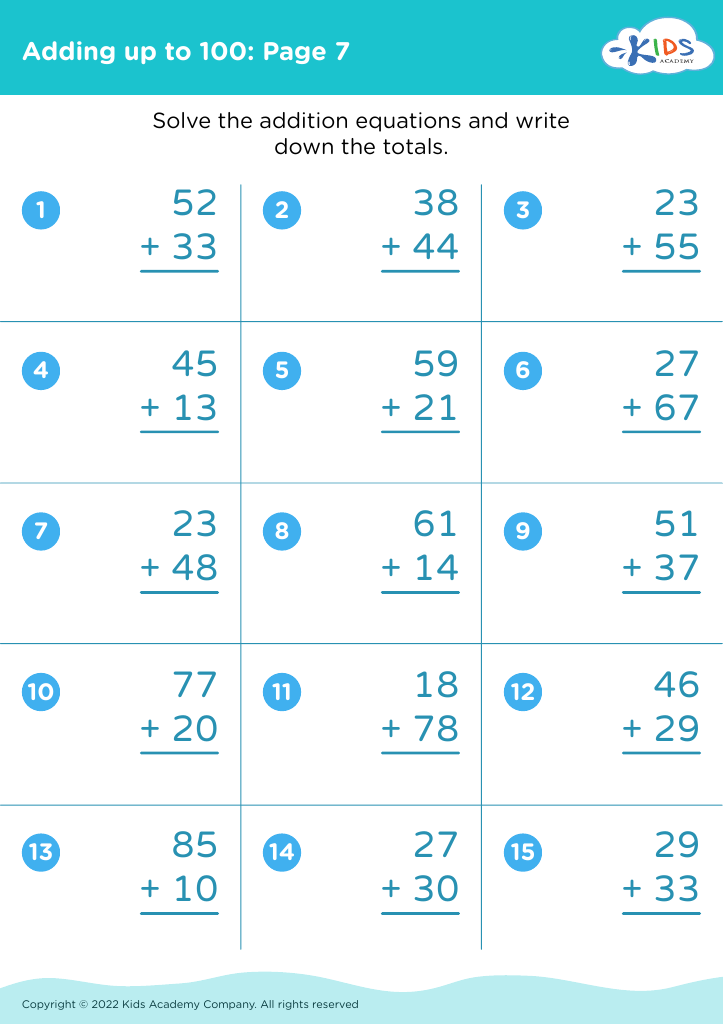
Adding up to 100: Page 7

Adding up to 100: Page 7

Adding up to 100: Page 7
Worksheet
Grade 2 Sight Words: Wish

Grade 2 Sight Words: Wish

Grade 2 Sight Words: Wish
Worksheet
Grade 3 Sight Words: Hold

Grade 3 Sight Words: Hold

Grade 3 Sight Words: Hold
Worksheet


Number recognition is a foundational skill that plays a critical role in early childhood development and academic success. For children aged 6-8, improving number recognition is essential for several reasons. Firstly, it forms the basis of arithmetic and mathematical understanding. When children can easily recognize numbers, they can better understand more complex mathematical operations such as addition, subtraction, and multiplication. This early mathematical fluency sets the stage for future learning and can help prevent math anxiety as they progress through school.

Secondly, number recognition is intertwined with everyday activities. Children constantly encounter numbers in daily life — from telling time to counting money, measuring ingredients while cooking, and even understanding scores in games. Proficiency in number recognition enhances their life skills, fostering independence and confidence in practical situations.

Moreover, early success in number recognition boosts self-esteem and academic motivation. Children who experience an early win in this area are more likely to develop a positive attitude toward learning. This motivation can create a ripple effect, inspiring curiosity and a love for learning beyond mathematics.

Therefore, parents and teachers should prioritize improving number recognition in children aged 6-8, as it not only supports their academic journey but also contributes to their overall cognitive and practical life skills development.