Improve problem-solving Worksheets for Ages 6-8
4 filtered results
-
From - To
Unlock your child’s potential with our "Improve Problem-Solving Worksheets" designed specifically for ages 6-8. These engaging activities nurture critical thinking and creativity, making learning a fun, interactive experience. Our worksheets feature a variety of captivating problems that challenge young minds, enabling them to develop essential reasoning skills. Each printable activity is aligned with educational standards, ensuring that your child builds confidence in their abilities while enhancing their problem-solving techniques. Perfect for at-home learning or classroom use, these resources provide a solid foundation for future academic success. Start your child on a path to becoming a confident problem solver today!
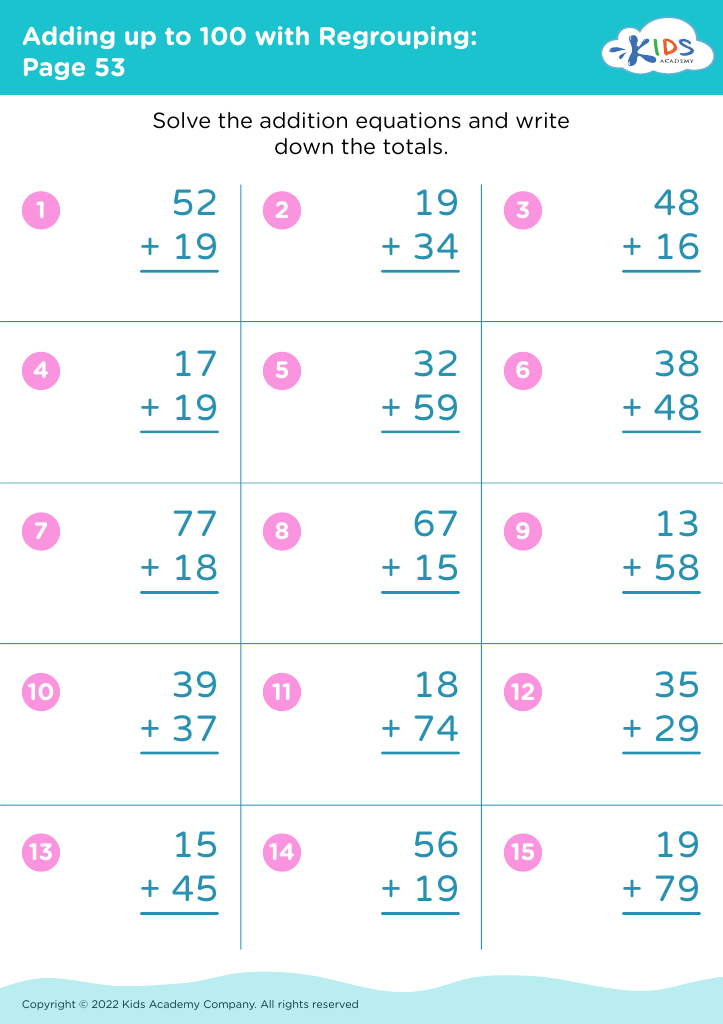
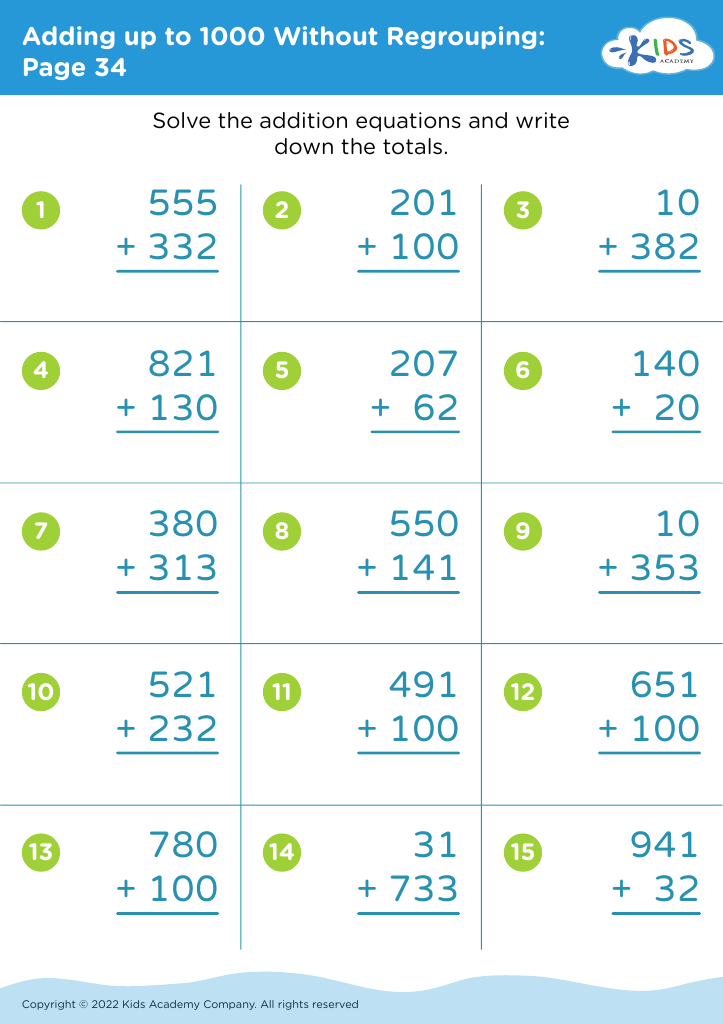
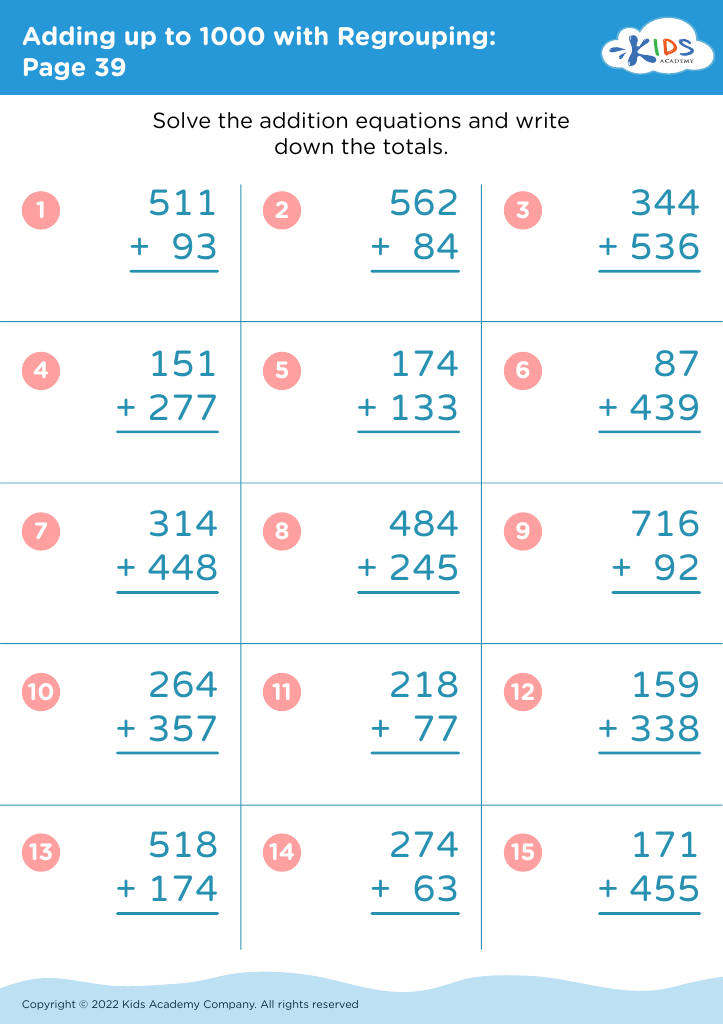
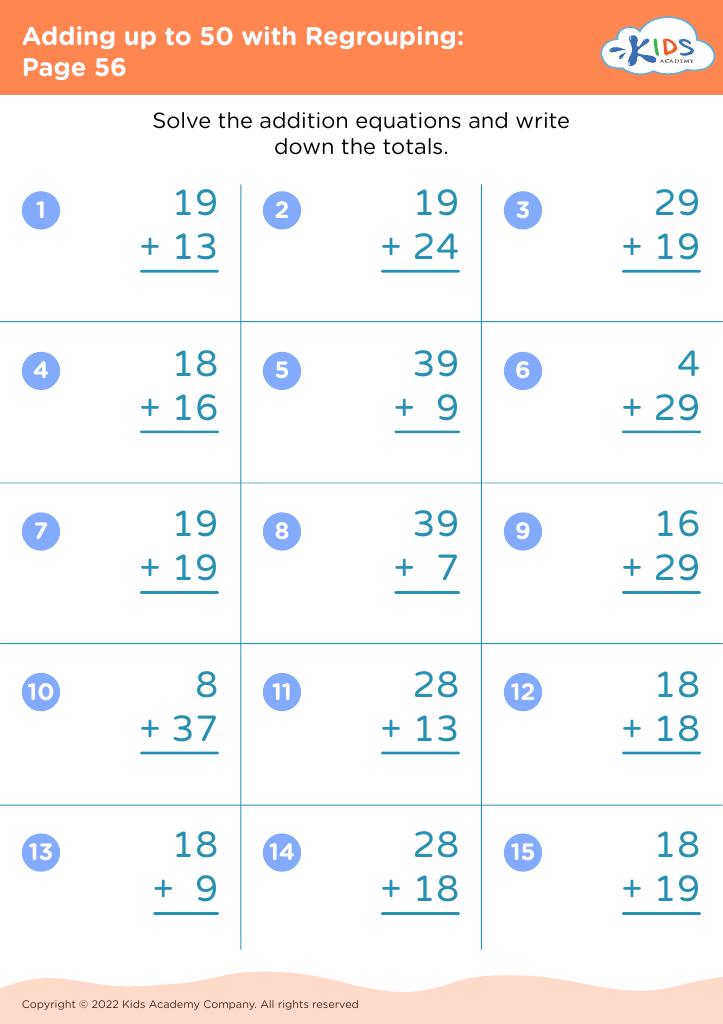



.jpg)
Improving problem-solving skills in children aged 6 to 8 is crucial for several reasons. At this developmental stage, children begin to transition from concrete thinking to more abstract reasoning. Enhancing their problem-solving abilities lays the foundation for critical thinking, which is essential for academic success and everyday decision-making.
When children engage in problem-solving activities, they learn to analyze situations, explore multiple solutions, and understand the importance of perseverance. This not only builds their confidence but also fosters independence and resilience—traits that are vital as they face challenges both in school and life.
Furthermore, effective problem-solving skills encourage collaboration and communication. Girl and boys can work together, sharing ideas and strategies, which creates a sense of community and enhances social development. Parents and teachers can support this growth by facilitating activities that emphasize these skills, such as puzzles, games, and group projects.
Moreover, nurturing problem-solving capabilities can help reduce anxiety in children when faced with obstacles. As they learn to tackle challenges confidently, they are more likely to approach future problems with a positive mindset. In summary, fostering problem-solving skills in young children is essential for their overall development and preparedness for future learning and life experiences.








