Logical reasoning skills Worksheets for Ages 6-8
5 filtered results
-
From - To
Explore our engaging and educational logical reasoning skills worksheets designed for children ages 6-8. Our diverse range of activities promotes critical thinking, problem-solving, and cognitive development. These fun, hands-on worksheets focus on puzzles, patterns, sequencing, and logical connections, helping young learners build a solid foundation in logical thinking. Beautifully illustrated and thoughtfully crafted by education experts, our worksheets provide an exciting way for children to sharpen their minds while making learning enjoyable. Ideal for classroom use or at-home practice, our logical reasoning worksheets are perfect companions in your child’s educational journey. Ignite curiosity and foster a love of learning today!
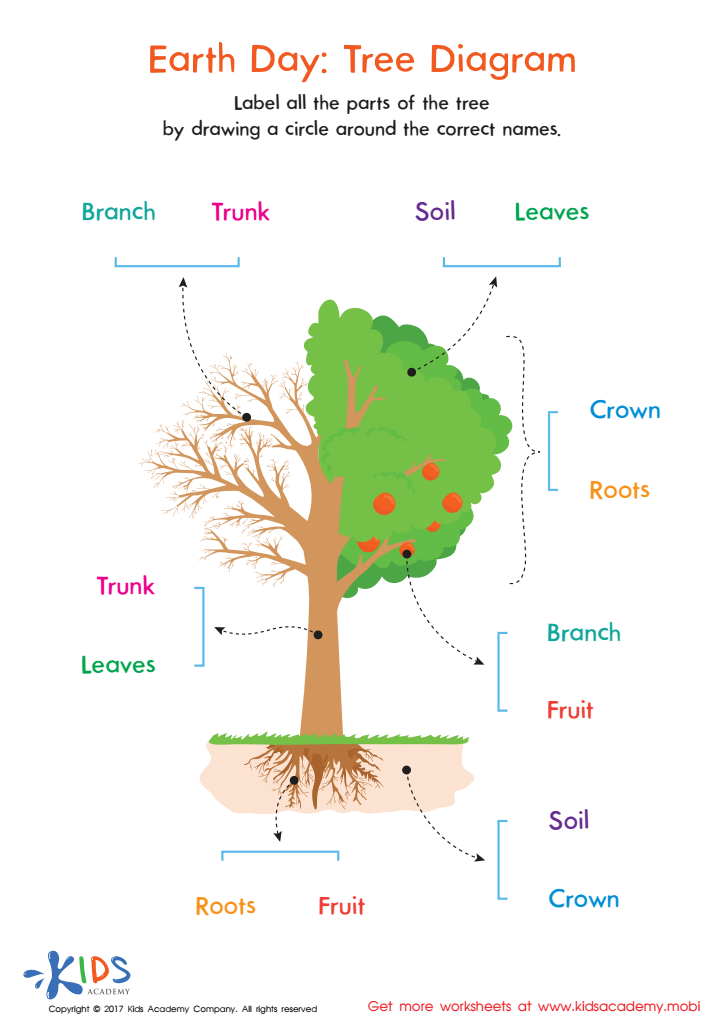
Earth Day: Tree Diagram Worksheet
 Assign to My Students
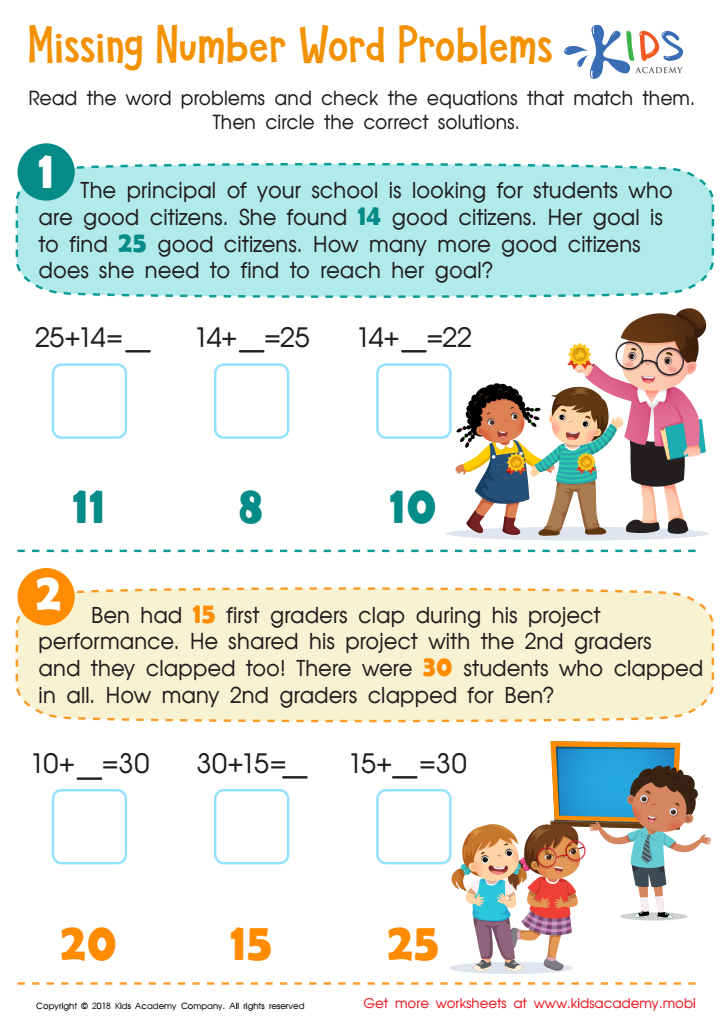
Missing Number Word Problems Worksheet
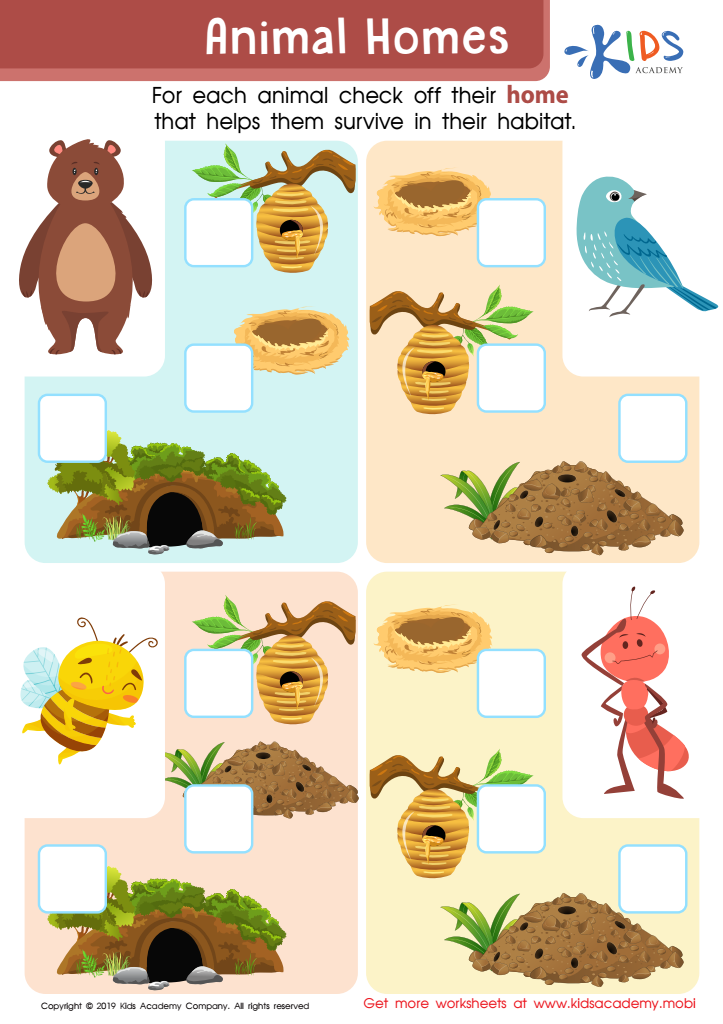
Animal Homes Worksheet
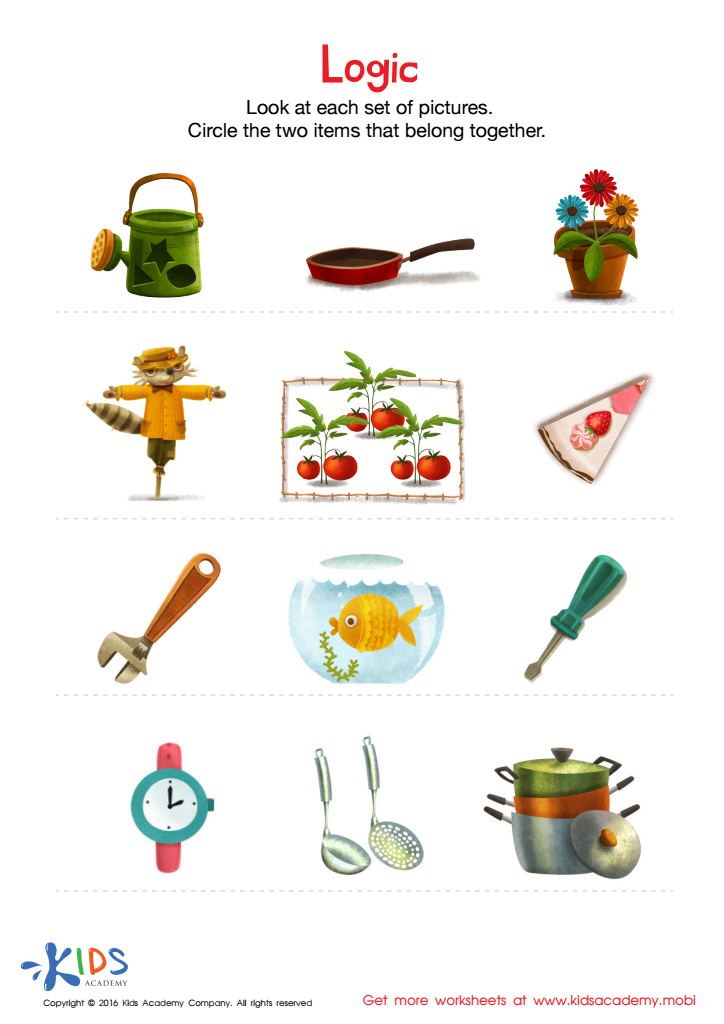
Logic Game Sorting Worksheet
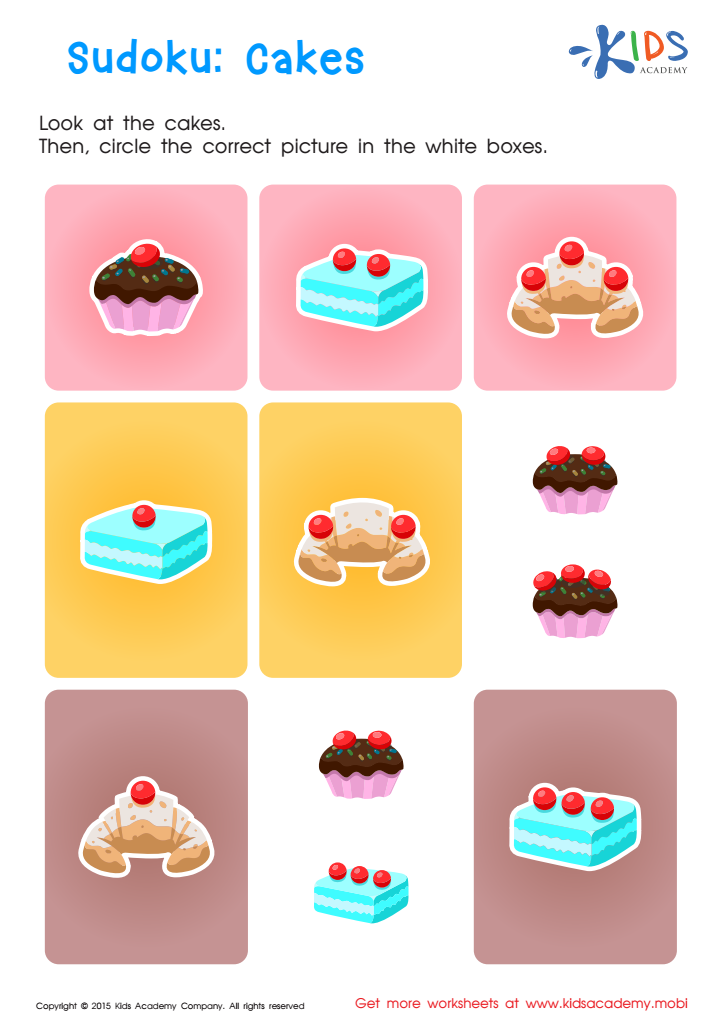
Sudoku Worksheet








Logical reasoning skills are crucial for children aged 6-8 as they form the foundation for future academic and life success. At this early developmental stage, kids are sponges, absorbing information and forming cognitive frameworks that will support more complex thinking later on.
First, logical reasoning promotes problem-solving abilities. By learning to analyze situations and make reasoned decisions, children become adept at tackling challenges across subjects like math, science, and even reading comprehension. For example, recognizing patterns helps in both arithmetic and understanding story structures.
Second, these skills enhance communication. Logical thinking aids in organizing thoughts and expressing ideas clearly, both orally and in writing. This strengthens their academic performance and social interactions, fostering better relationships with peers and adults.
Additionally, fostering logical reasoning contributes to emotional regulation. When children can think through the consequences of their actions and understand cause-and-effect relationships, they manage emotions and conflicts more effectively.
Lastly, these skills nurture creativity. While it may seem counterintuitive, a strong logical foundation allows children to assess the feasibility of creative solutions, balancing imaginative ideas with practical implementation.
For parents and teachers, encouraging logical reasoning ensures holistic development, equipping children with essential tools for lifelong learning and success. Through games, puzzles, and engaging discussions, adults can create an environment that stimulates young minds to think critically and logically.








